Best Car Air Purifiers: What Actually Matters Before You Buy
Disclosure: We may earn a commission when you buy through links on this page, at no extra cost to you. As an Amazon Associate we earn from qualifying purchases. Learn more
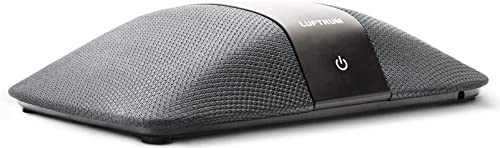
Your commute exposes your lungs to more than just traffic. Exhaust fumes drift in through the vents, pet hair settles into the seats, and a closed-up cabin on a hot day can trap odors that linger for weeks. That is usually the point where people start searching for the best car air purifiers and quickly discover that most listings just repeat spec sheets without explaining what any of it means for a small, moving space. This guide breaks down which filtration and power specs genuinely affect performance, when a standalone unit is worth adding to your car, and how to keep one running well once you have it.

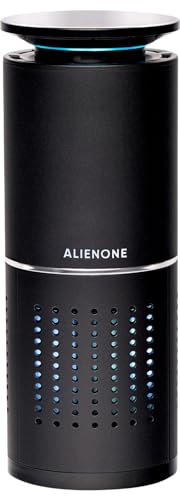
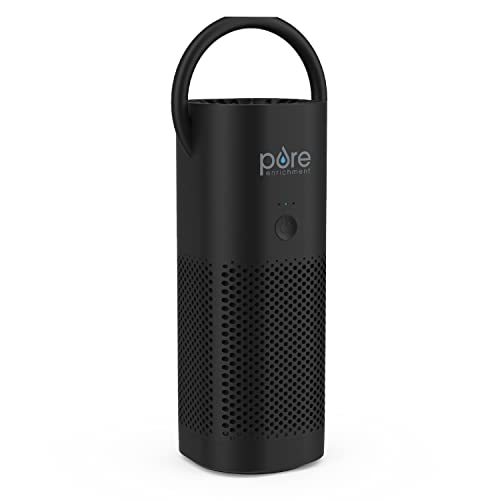

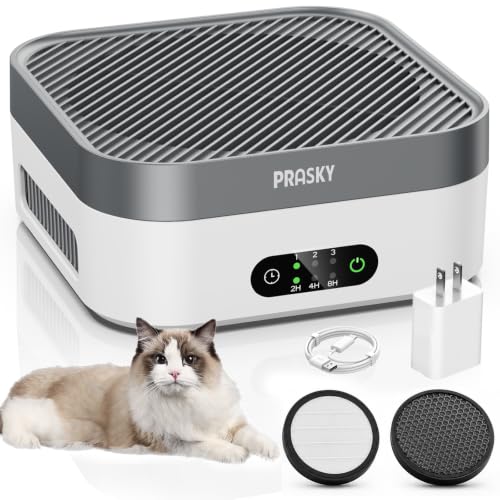
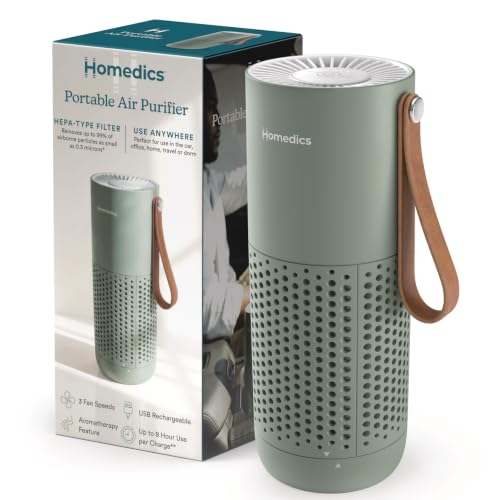


Filtration Technology That Actually Matters in a Car Cabin
A car cabin is a tiny, sealed volume compared to a bedroom or living room, so the filtration method inside a car air purifier matters more than almost any other spec on the box. Three technologies dominate this category, and most decent units combine at least two of them.
True HEPA vs "HEPA-Type" Filters
A certified HEPA filter physically traps at least 99.97 percent of particles down to 0.3 microns, which covers dust, pollen, and pet dander. The catch is that plenty of budget units advertise "HEPA-type" or "HEPA-like" media instead, which uses a similar-looking mesh without meeting the actual efficiency standard. If allergy relief is your main goal, look specifically for the word "true" or "certified" HEPA in the listing rather than assuming any pleated white filter qualifies.
Activated Carbon for Odors and Exhaust Fumes
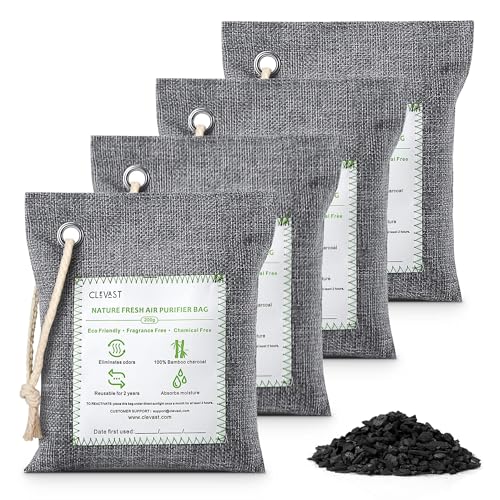
HEPA media is built for solid particles, not gases, so it does very little against exhaust fumes, cigarette residue, or that lingering fast-food smell. Activated carbon solves the other half of the problem by chemically absorbing odor molecules and volatile organic compounds. Home units rely on the same principle for tougher smells, and this air purifier for smoke odor guide covers how carbon layering performs against stubborn residue if you want a deeper comparison of the technology. Inside a vehicle, pairing HEPA with a carbon layer covers both particles and smells at once.
Ionizers and Ozone Output
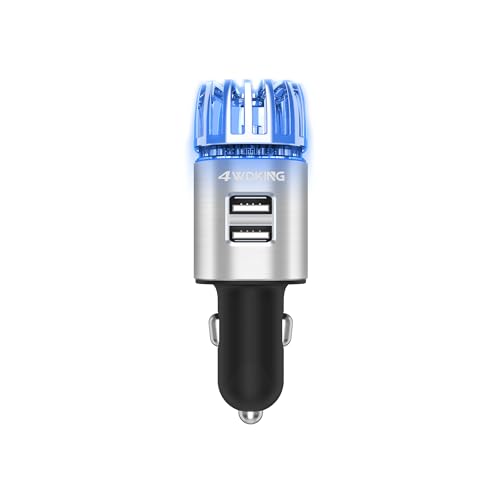
Ionizers push out charged particles that make airborne dust and allergens clump together and settle out of the air instead of physically filtering them. They run quietly and sip very little power, which is why so many compact car air purifiers include one. The tradeoff is that some cheaper ionizers release measurable ozone as a byproduct, which can irritate the lungs in a space as small as a car cabin. Check for an explicit ozone-free rating before buying anything that leans heavily on ionization.
Matching Coverage and Power to Your Vehicle
Once filtration type is settled, the next question is whether a given car air purifier can actually keep up with your car's size and how you plan to power it.
CADR Rating and Cabin Size
Clean Air Delivery Rate, or CADR, measures how quickly a unit can process a given volume of air. Because a sedan cabin is a fraction of the size of a bedroom, you do not need a high CADR number to see results, but you do need one that matches your vehicle. A compact car needs far less filtering power than a three-row SUV or a work van, so check the manufacturer's stated coverage volume against your own cabin rather than assuming a bigger number is automatically better.
Power Source: 12V, USB-C, or Battery
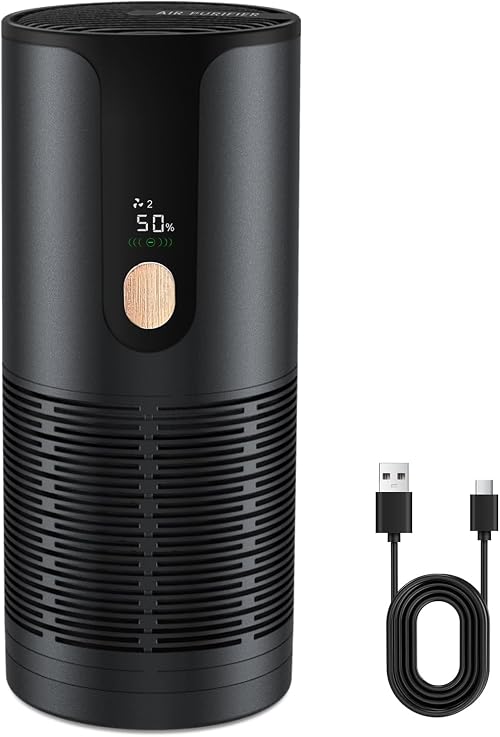
Most car air purifiers plug into a 12V accessory outlet and run for as long as the engine or accessory power is on. USB-C models pull from the same port your phone uses, which makes them easier to move between vehicles, while rechargeable battery units offer the most flexibility but need to be charged separately from driving time. If you regularly swap between cars or want to use the same unit somewhere other than your vehicle, a USB-C model tends to be the most practical choice.
Noise at Highway Speed
A purifier that hums loudly becomes obvious the moment road noise picks up. Look for a rated noise level under 40 decibels on the lowest fan setting, and treat multi-speed fans as worth the extra cost since they let you run quietly during normal driving and only boost airflow when the cabin actually needs it.
Is a Standalone Car Air Purifier Worth It, or Is Your Cabin Filter Enough?
Before spending money, it helps to know what your car is already doing. Nearly every modern vehicle has a factory cabin air filter tucked behind the glove box, and it does a reasonable job filtering outside air as it enters the HVAC system. What it does not do is recirculate and actively clean the air that is already sitting inside your cabin, which is the gap a standalone purifier is actually built to fill.
That gap matters more on some trips than others. Particle counts inside a sealed cabin typically take roughly 10 to 15 minutes of continuous runtime to drop noticeably, so a five-minute grocery run will not show much benefit even from a strong unit. Long commutes, road trips, and anyone with pollen allergies or a smoking passenger tend to see the clearest difference. If the real issue is just a stale smell rather than particles or allergens, a simpler car air freshener might solve the problem for less money and less maintenance than a full purifier setup.
Pet owners specifically should also look at the source of the odor, not just the symptom. Litter tracked in from home or lingering pet smell in the carpet fibers can outlast anything a purifier filters out of the air, so pairing a purifier with better odor control at the source, such as a better litter for odor control at home, tends to solve the problem more completely than filtration alone.
Mounting Placement and Filter Upkeep
Even a well-specced car air purifier underperforms if it is placed poorly or left running on a dirty filter.
Where to Position It for Real Airflow
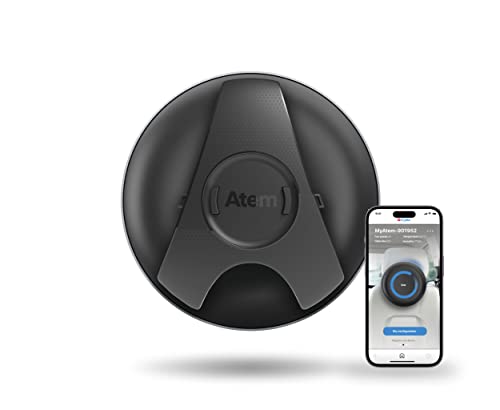
A unit buried in a door pocket or wedged under other clutter cannot circulate air effectively. Keep it in an open spot near the center console or a vent, and consider running your climate system on recirculate mode alongside it so outside pollutants are not constantly diluting the filtered air. Cup holder units are the easiest to install but take up storage space, while headrest-mounted or vent-clip styles free up the console and sit closer to where you actually breathe.
Filter Replacement Schedule
A clogged filter cannot do its job no matter how good the underlying technology is. Most manufacturers recommend replacing filters every one to three months depending on how often you drive and how dusty your environment is. Keeping loose debris out of the cabin in the first place also extends filter life, and running a portable car vacuum over the seats and floor mats weekly cuts down on the dust load a car air purifier otherwise has to handle.
Frequently Asked Questions
Do car air purifiers actually work?
Yes, when the unit is properly sized for your cabin and used with the windows up. Results build over roughly 10 to 15 minutes of runtime, so short trips show less benefit than longer drives.
Does my car's cabin filter already purify the air?
Your factory cabin filter cleans incoming outside air as it enters the HVAC system, but it does not recirculate or actively clean the air already inside the cabin. A standalone purifier is designed to cover that gap.
Are ionizers safe to use in an enclosed car?
Most modern ionizers are safe, but cheaper models can release measurable ozone, which is more noticeable in a small enclosed space than in a large room. Choose a unit with an explicit ozone-free rating if this concerns you.
Will a car air purifier remove smoke odor?
An activated carbon filter absorbs smoke odor molecules effectively over time, though it works best on lingering residual smell rather than eliminating smoke the instant it is produced.
How often should I replace the filter?
Most manufacturers recommend every one to three months, though heavy smokers, pet owners, and drivers in dusty areas often need to replace filters more frequently.
Can a car air purifier help with allergies?
A true HEPA unit reduces airborne pollen, dust, and pet dander that trigger allergy symptoms, especially when paired with recirculate mode on your climate system.
Will a plug-in purifier drain my car battery?
A 12V unit only draws power while the accessory outlet is active, so it will not meaningfully drain your battery under normal use. Battery-powered models simply need periodic recharging on their own.
The Bottom Line
Choosing among the best car air purifiers comes down to matching real filtration credentials, coverage, and power source to how you actually drive. Prioritize a genuine HEPA and activated carbon combination if allergies or odors are your main concern, confirm the noise rating before committing, and stay on top of filter changes once it is installed. Get those basics right and a purifier earns its place in your car instead of becoming another gadget that gets ignored after a week.