Best Portable Car Vacuum Cleaners for 2026
Disclosure: We may earn a commission when you buy through links on this page, at no extra cost to you. As an Amazon Associate I earn from qualifying purchases. Learn more

Crumbs under the seats, sand in the floor mats, and a fine layer of dust on the dash build up faster than most people notice, until a full-size vacuum just can't reach the gaps. A good portable car vacuum cleaner is small enough to live in the trunk or glovebox and powerful enough to actually make a difference in five minutes flat.
Here's what actually separates a genuinely useful car vacuum from one that just pushes dirt around, followed by three standout picks and a full lineup of other strong options to compare.




What to Look for in a Portable Car Vacuum Cleaner
Power source is the first fork in the road. 12V corded models plug into your car's outlet and never run out of charge mid-clean, but they tether you to the car and the outlet's location. Battery-powered cordless models go anywhere, including outside the car or around the house, but need regular recharging and eventually lose runtime as the battery ages.
Suction power is usually listed in Pascals (Pa) or Air Watts (AW) rather than plain wattage, which makes comparing across brands tricky. As a rough guide, anything above 4,000Pa or 15 AW is enough for everyday crumbs and dust, while 15,000Pa and up handles ground-in dirt and small debris more confidently.
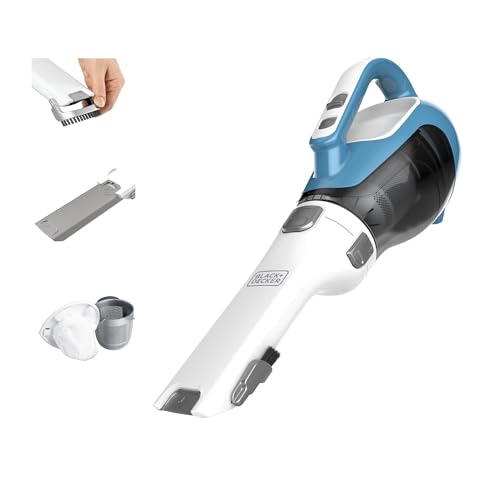
Attachments make a real difference in how thoroughly you can clean. A crevice tool for seat gaps, a brush head for dashboards and upholstery, and an extension nozzle for tight corners cover most car-cleaning needs without extra purchases.
Filtration matters if anyone in the household has allergies or you're dealing with pet hair. A washable HEPA filter traps fine dust and allergens rather than just recirculating them, and being able to rinse and reuse it saves money over disposable filter models.
Weight and dust bin size affect how comfortable a session actually is. Anything under 3 pounds stays comfortable to hold overhead or at odd angles for several minutes, and a larger dust bin means fewer stops to empty it mid-clean.
Runtime only matters for cordless models, but it's worth checking closely since real-world runtime on high power settings is often shorter than the advertised maximum. Look for at least 15 to 20 minutes of continuous use per charge for a full interior clean.
Noise level is a minor but real consideration, especially if you're vacuuming early in the morning in a shared driveway or apartment parking area. Smaller motors tend to run quieter, though usually at the cost of some suction power compared to larger, louder units.
Best Overall: THISWORX Car Vacuum Cleaner
With one of the largest review counts of any portable car vacuum cleaner on the market, THISWORX has become the default recommendation for good reason. It's a 12V corded design that plugs into your car's outlet with a generous 16-foot cord, so you never have to worry about the battery dying mid-clean.
- Power source: 12V corded (car outlet), 16-ft cord
- Filtration: Washable HEPA filter, spare included
- Best for: Buyers who want reliable power without charging hassle
Pros:
- Cyclonic 106-watt motor delivers strong, consistent suction
- Comes with a full detailing kit: 3 attachments, carry bag, and spare filter
- Never runs out of charge since it's always powered by the car
Cons:
- Corded design limits use to inside the car with the engine running
- Not usable away from a 12V outlet, unlike battery-powered models
Best Budget: KMM Handheld Car Vacuum Cleaner
At well under a full-size vacuum's price, this cordless option still packs in a rechargeable 4,000mAh battery, a vacuum-and-blow 2-in-1 function, and a washable HEPA filter. At just 0.72 pounds, it's genuinely comfortable to hold one-handed for an extended cleaning session.
- Power source: Rechargeable battery, 3-hour full charge
- Weight: 0.72 lbs
- Best for: Budget buyers who also want blower functionality
Pros:
- 2-in-1 vacuum and blower covers more cleaning tasks than suction alone
- Extremely lightweight for extended one-handed use
- One-click disassembly makes emptying and cleaning simple
Cons:
- Small size means a correspondingly small dust capacity
- Battery life will naturally shorten with a few years of regular use
Best Premium: Portable Cordless Car Vacuum with Brushless Motor
A brushless motor and 50,000Pa of rated suction put this well ahead of typical budget models, and the dual quick-swap batteries mean you can keep cleaning well past what a single charge would allow. At 1.9 pounds with a 6-in-1 design that includes inflation, it's the most versatile pick in the lineup.
- Power source: Dual rechargeable batteries, up to 60-min runtime combined
- Motor: Brushless, 50,000Pa rated suction
- Best for: Buyers who want top-tier suction and extended runtime
Pros:
- Brushless motor delivers stronger, more efficient suction
- Dual batteries with quick-swap keep cleaning sessions uninterrupted
- 6-in-1 design adds blowing and inflation, not just vacuuming
Cons:
- Noticeably pricier than basic cordless models
- Managing two separate batteries adds a small extra step
Corded vs. Cordless: Which Makes More Sense for Your Car?
A 12V corded vacuum never leaves you stranded mid-clean with a dead battery, and the motors tend to deliver more consistent power since they're not limited by a battery's discharge curve. The tradeoff is that you're tied to the car's outlet, so cleaning the trunk or anywhere away from the cabin means running a long cord.
A cordless model goes wherever you do, which makes it far more versatile for cleaning the trunk, the garage floor, or even doubling as a quick home vacuum for stairs and upholstery. Just budget for the battery's runtime, and recharge it regularly so it's ready when you need it.
If you mostly clean the car's interior in one sitting, a corded model is the more dependable choice. If you want one tool that handles the car, the garage, and quick spills around the house, cordless is worth the tradeoff.
Battery chemistry is worth a quick look too. Lithium-ion batteries hold their charge longer in storage and handle repeated charge cycles better than older nickel-based batteries, which matters for a tool that might sit in a glovebox untouched for weeks between uses.
Frequently Asked Questions
How much suction do I actually need for a car vacuum?
For everyday dust, crumbs, and light dirt, 4,000 to 8,000Pa is plenty. If you're regularly dealing with ground-in dirt, sand, or pet hair, look for a model rated at 15,000Pa or higher for noticeably better results.
Can a portable car vacuum handle pet hair?
Yes, but a model with a dedicated brush or motorized pet-hair attachment performs significantly better than a standard crevice tool, since pet hair tends to embed in fabric rather than sitting loosely on the surface. A washable HEPA filter also helps prevent the vacuum from just recirculating dander.
How long do portable car vacuums typically last?
With regular use, most handheld vacuums start losing meaningful suction power after about three years, largely due to motor wear and battery degradation on cordless models. Cleaning or replacing the filter regularly helps the motor last longer by reducing strain from clogged airflow.
Conclusion
The THISWORX is the best overall pick for most drivers, delivering dependable power with no battery to manage. If you're watching your budget, the KMM proves a genuinely useful vacuum doesn't have to cost much. And for anyone who wants the strongest suction and longest runtime, the brushless dual-battery model is worth the upgrade. Whichever you choose, a good portable car vacuum cleaner makes keeping your car clean a five-minute job instead of an all-afternoon one.