Best Car Air Fresheners: A Buying Guide That Actually Works
Disclosure: We may earn a commission when you buy through links on this page, at no extra cost to you. As an Amazon Associate we earn from qualifying purchases. Learn more
Between fast food wrappers, gym bags, wet dog fur, and the occasional spilled coffee, a car's interior takes a beating on the nose. Finding the best car air fresheners for your situation is not as simple as grabbing whatever is hanging near the register at the gas station. Different formats work in different ways, some fade within days while others last for months, and a few can even stain your dashboard or trigger a headache on a long drive. This guide walks through the formats available, how to judge whether a product actually removes odor or just covers it up, and where to place a freshener so it works well and stays street legal.



Types of Car Air Fresheners and How They Work
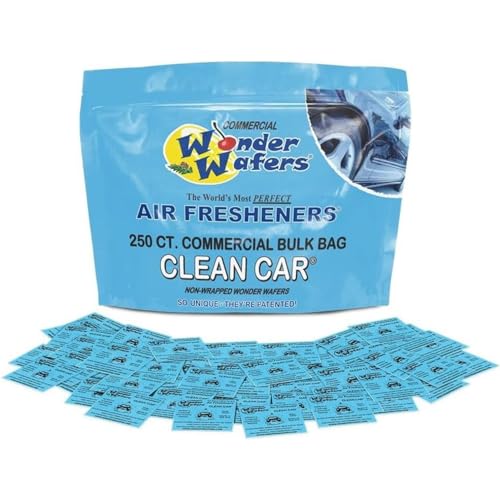
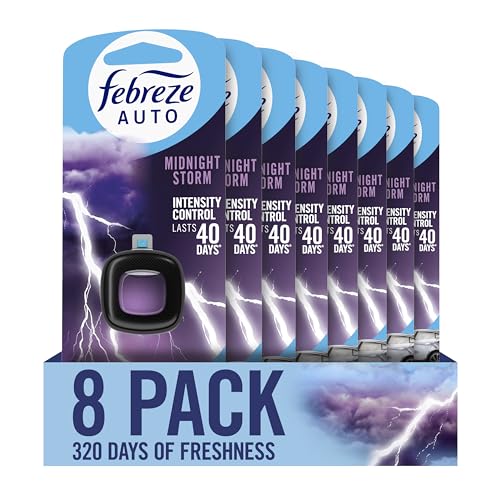
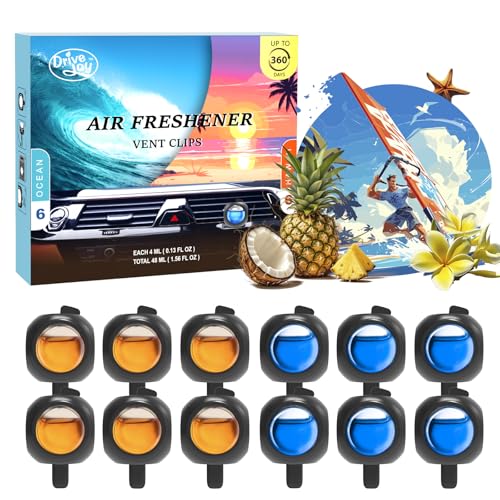
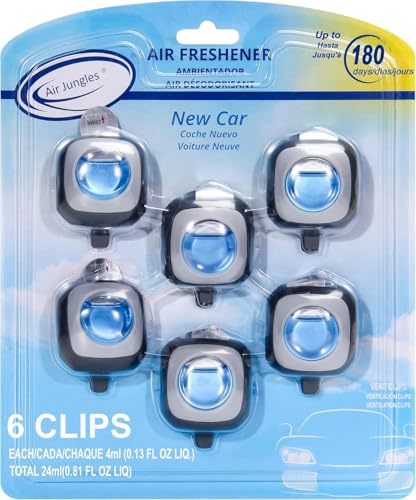
Before comparing the best car air fresheners on the shelf, it helps to know that car air freshener types fall into a handful of categories, and each one releases scent differently. Vent clip fresheners attach directly to an air conditioning vent, so the fragrance only spreads when air is actively moving through the cabin. That makes them easy to control, since running the fan higher pushes more scent, while shutting off the AC lets the smell fade back naturally.
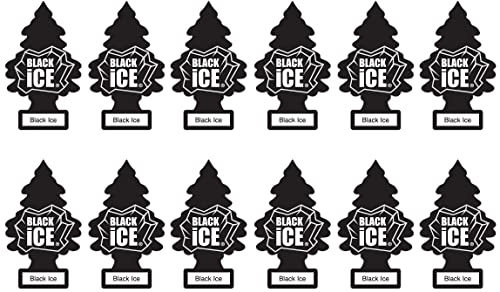
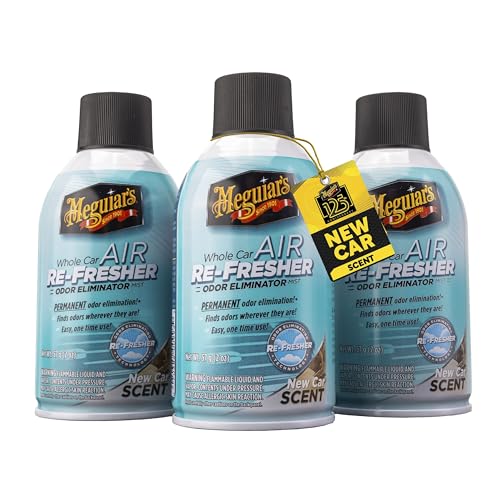
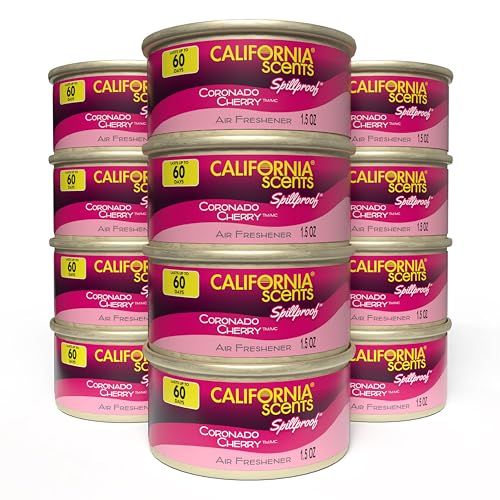
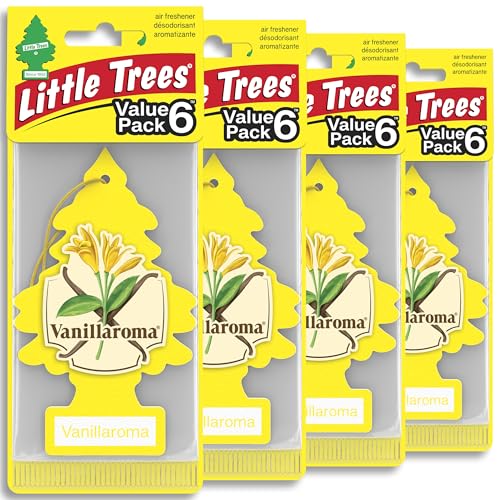
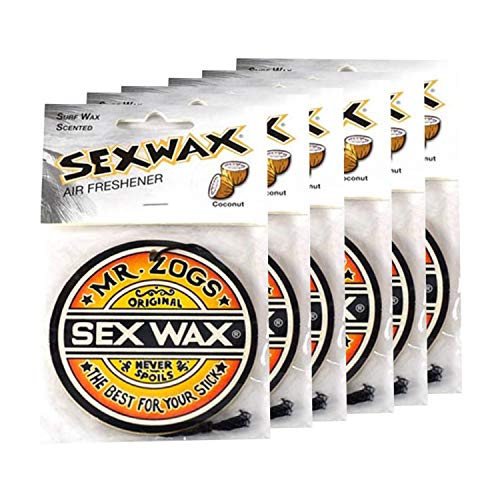
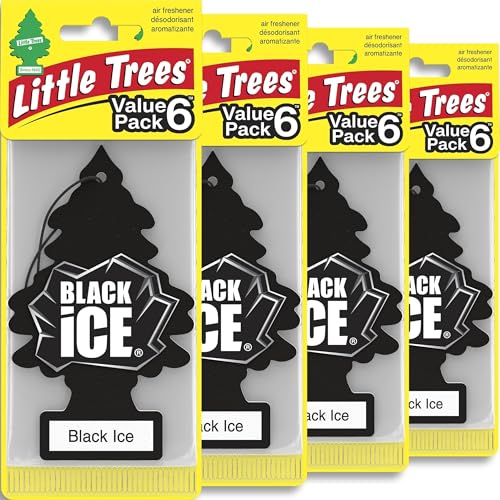
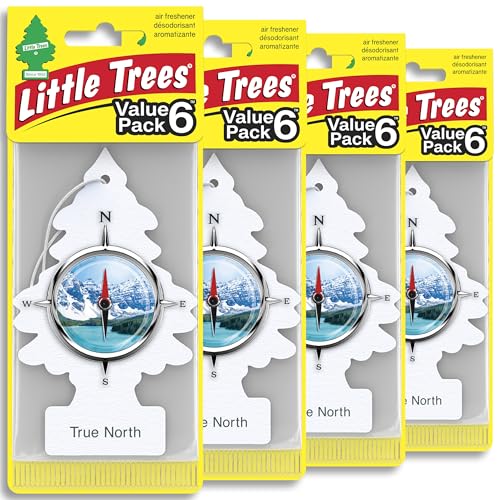
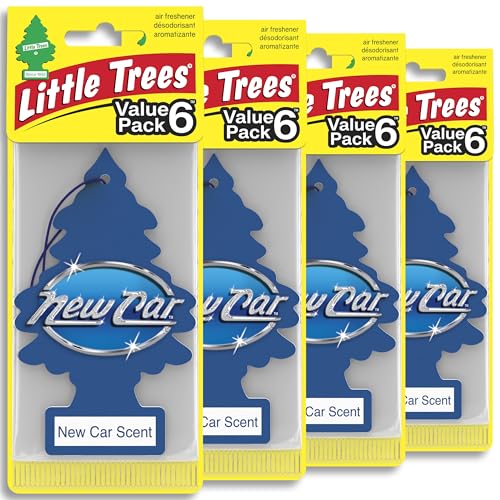
Hanging fresheners, the classic cardboard shape that clips or ties to the rearview mirror, work through passive evaporation. They need no power and no airflow to function, which makes them convenient, but that same passive release is also why they tend to fade the fastest. Gel fresheners sit in small containers with a twist lid, releasing scent slowly through a solid or semi-solid compound, and many drivers like them because there is nothing to spill. Spray fresheners are the opposite approach, an immediate, adjustable burst of fragrance you apply on demand rather than something that runs continuously. Finally, wood or reed diffusers and small battery powered units offer the most control over intensity and tend to last the longest of any format. That range is exactly why the best car air fresheners for one driver can look nothing like the best pick for someone else.
Odor Elimination vs. Fragrance Masking: What Actually Works
This is the single most important distinction when shopping for the best car air fresheners, and it is one a lot of shoppers miss. A product that only lists fragrance or parfum as its active ingredient is masking odor, not removing it. Masking works by overwhelming your nose with a stronger scent so the underlying smell becomes harder to detect, which is fine for everyday freshness but does nothing for a real odor problem.
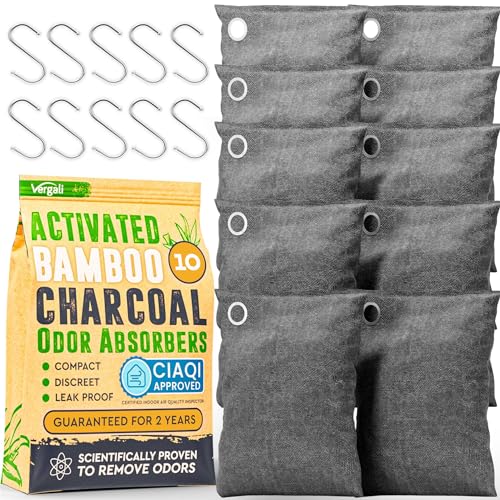
Look instead for products that mention an actual odor eliminator ingredient, such as activated charcoal, baking soda derivatives, or enzyme based formulas. These work by physically trapping or chemically breaking down odor molecules rather than just competing with them. That said, no freshener can fix an odor coming from a source embedded in the upholstery. If the smell traces back to a pet accident or a spilled drink soaked into the carpet, a portable carpet cleaner addresses the actual stain, while the freshener only handles what is left in the air afterward.
For persistent cabin odor and stale air in general, some drivers pair a freshener with a car air purifier, which filters particles continuously instead of adding scent.
Scent Strength and How Long a Car Air Freshener Really Lasts
Longevity is one of the main reasons people end up shopping for the best car air fresheners again just weeks after their last purchase, so it is worth setting expectations before you buy. Hanging cardboard fresheners typically last one to two weeks before the scent noticeably fades, and that window shrinks fast in hot weather. Vent clips generally hold up two to four weeks, though how often you run the AC or heater plays a big role, since more airflow means faster scent release and a shorter overall lifespan. Gel fresheners tend to last four to six weeks thanks to their slower evaporation rate, and wood or premium diffuser style units can stretch out to several months with light use.
Heat is the biggest wildcard. A long lasting car air freshener rated for a month in a mild climate might only make it a week or two in a car that sits in direct summer sun. If longevity matters more than a strong initial scent, favor gel or diffuser formats with an adjustable opening, since you can dial the release rate down during hot months and back up in winter.
Is It Safe for Your Interior and Your Health
Car air freshener safety covers two separate issues: what the product does to your car's surfaces, and what it does to the people breathing that air in a small, enclosed cabin. On the material side, oil based hanging and clip fresheners have a real track record of leaking, and that oil can stain, discolor, or even warp plastic trim, vinyl, and leather over time. If a product ever leaks onto the dashboard or seats, wipe it up immediately rather than letting it sit. Anyone who already protects their seats might also look at a seat protector for leather car seats, which adds a buffer against stains from spills of any kind, freshener included. This is part of why the best car air fresheners for a leather interior tend to be gel, vent clip, or diffuser formats rather than oily hanging ones.
On the health side, synthetic fragrance releases volatile organic compounds, and in the confined space of a car cabin, even a modest amount can add up over a long commute. Sensitive passengers, allergy sufferers, and children are the most likely to notice headaches, a stuffy nose, or eye irritation from a strong scent. If anyone in the car reacts poorly to fragrance, fragrance free or low VOC options, along with charcoal based odor absorbers that release no scent at all, are the safer route.
Where to Place a Car Air Freshener for the Best Results
Even the best car air fresheners fall flat if they are mounted in the wrong spot, since placement affects both how well a freshener works and, in some states, whether it is legal. Vent clips distribute scent most evenly since they rely on active airflow, and mounting one on a lower or rear vent avoids blasting fragrance directly at the driver's face. Cupholder and under seat units keep scent low and diffuse gradually through the whole cabin, which many drivers find less overwhelming than a freshener mounted at eye level.
Hanging fresheners deserve a specific warning. Several US states, including California, New York, Pennsylvania, Arizona, Texas, Louisiana, Florida, Virginia, and Illinois, have laws against hanging objects from the rearview mirror if they obstruct the driver's clear view of the road, and an officer can ticket a freshener that swings into the sightline. Minnesota goes further and restricts hanging almost anything from the mirror, freshener included, regardless of whether it blocks the view. If your state has this kind of rule, a vent clip, cupholder, or under seat placement sidesteps the issue entirely while still doing the job.
Frequently Asked Questions
What is the best type of car air freshener?
There is no single best format for every driver, which is why the best car air fresheners for one person can be the wrong pick for another. Vent clips suit people who want adjustable, evenly distributed scent, gel and diffuser options suit those who want the longest lasting results, and sprays suit anyone who prefers control over exactly when scent is applied.
How long do car air fresheners last?
Expect one to two weeks from a hanging cardboard freshener, two to four weeks from a vent clip, four to six weeks from a gel freshener, and up to several months from a wood or premium diffuser style unit, with hot weather shortening all of these ranges.
Are car air fresheners bad for you?
Most people tolerate them fine in normal use, but the volatile organic compounds in synthetic fragrance can trigger headaches, nasal irritation, or allergy symptoms in sensitive riders, especially in a small, closed cabin. Fragrance free or low VOC options reduce that risk.
Do car air fresheners eliminate odors or just mask them?
It depends on the ingredients. Products that list only fragrance or parfum are masking the smell, while products containing activated charcoal, baking soda derivatives, or enzymes are actually breaking down or trapping odor molecules rather than covering them up.
Can a car air freshener damage leather or the dashboard?
Oil based hanging and clip fresheners can leak and stain or discolor leather, vinyl, and plastic trim if left in direct contact or high heat for too long. Wiping up any leak right away and choosing non oil based formats near sensitive surfaces both help avoid this.
Is it legal to hang an air freshener from your rearview mirror?
It depends on the state. Several states only ticket a hanging freshener if it actually blocks the driver's view, while Minnesota restricts hanging objects from the mirror more broadly. Checking your state's rule, or simply choosing a vent clip or cupholder placement, avoids the question entirely.
How often should you replace a car air freshener?
Replace it as soon as the scent becomes faint rather than waiting until it disappears completely, since a fading freshener is no longer doing its job. For most formats that means checking in every two to four weeks and swapping sooner during hot weather.
Making Your Decision
The right choice comes down to how you weigh scent control, longevity, and sensitivity to fragrance. Shoppers looking at the best car air fresheners for a daily commute usually do best with an adjustable vent clip or gel format, while anyone dealing with a genuine odor problem should treat a freshener as a finishing touch rather than a fix. Match the format to your climate, your car's interior materials, and how sensitive your passengers are to strong scent, and the rest comes down to personal preference.