
Best Canon Powershot Cameras in 2026: Which Type Is Right for You?
Disclosure: We may earn a commission when you buy through links on this page, at no extra cost to you. As an Amazon Associate I earn from qualifying purchases. Learn more

Compare best canon powershot cameras by type, sensor, zoom, video, battery and price, and learn which compact style fits travel, family and everyday shooting.
Shopping for best canon powershot cameras can feel confusing because the range covers simple pocket cameras, long zoom travel cameras, and more advanced compacts. Each type handles size, image quality, and ease of use in a different way, so the right choice depends on how you plan to shoot. This guide compares the main types side by side in the comparison table below, then explains the features that matter most before you spend.
The goal is not to chase the largest zoom number or the highest megapixel count. A camera that fits your hand, your bag, and your daily routine will get used far more often than a powerful camera that stays at home. Read the type comparison first, then check sensor size, lens range, video needs, and battery life against the way you actually take photos. Those priorities decide which of the best canon powershot cameras suits you.


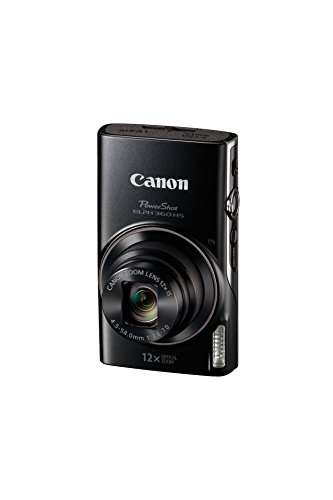

Types of Canon Powershot Cameras Compared
Canon Powershot cameras are compact cameras with a fixed lens, which means you do not change lenses as you would on a larger interchangeable lens camera. That simplicity is the main appeal, but the range still splits into clear types. Pocket compacts keep things small and simple, travel zoom compacts add reach for holidays and day trips, and advanced large sensor compacts trade some size for better low light results and more control.
| Type | Best For | Pros | Cons | Typical Price |
|---|---|---|---|---|
| Pocket compacts | Everyday snaps and family moments | Small, light, simple controls | Smaller sensor, limited zoom | About $300 to $500 |
| Travel zoom compacts | Holidays, landmarks, and wildlife at a distance | Long zoom in a pocket size body | Smaller sensor, softer results at full zoom | About $400 to $800 |
| Advanced large sensor compacts | Low light, portraits, and creative control | Better image quality, brighter lens | Larger, heavier, higher price | About $750 to $1,600 |
Pocket Compacts
Pocket compacts are the simplest type in the range. They use a small sensor and a modest zoom, and they are designed to slip into a jacket pocket or a small bag. Controls stay basic, automatic modes do most of the work, and the camera starts quickly for candid family photos, school events, and everyday scenes. Image quality is fine for sharing online and for small prints, but it will not match a larger sensor in dim rooms or at night.
Choose this type if you want the smallest camera possible and you mainly shoot in daylight or in well lit rooms. Check that the grip feels secure, the screen is easy to read outdoors, and the battery charges through USB C so you can top it up from a phone charger. Skip this type if you often shoot distant subjects or you want strong background blur in portraits, because the small sensor and short lens limit both.
Travel Zoom Compacts
Travel zoom compacts keep a pocket friendly body but add a much longer zoom range, often from a wide view for streets and interiors to a long reach for landmarks, animals, and stage shows. That reach is useful on holiday, when you cannot walk closer to the subject. Image stabilization becomes important here, because small hand movements are magnified at the long end of the zoom.
Choose this type if zoom range matters more to you than low light performance. Expect some loss of sharpness at full zoom, and expect the camera to work best in daylight. Look for a zoom that moves smoothly, a focus system that locks onto the subject without hunting, and a battery that lasts a full day of sightseeing. If you shoot mainly indoors, a larger sensor compact may serve you better.
Advanced Large Sensor Compacts
Advanced large sensor compacts use a larger sensor, often around one inch, and a brighter lens than simpler pocket cameras. That combination gathers more light, so indoor photos, evening streets, and portraits look cleaner, with less grain and softer backgrounds. These cameras also offer more manual control over aperture, shutter speed, and focus, which suits buyers who want to learn photography or who already know the basics.
Choose this type if image quality is your top priority and you accept a larger body and a higher price. The zoom range is usually shorter than a travel zoom camera, so you trade reach for quality. Check the lens brightness at the wide and long ends, the autofocus speed in low light, and whether the camera shoots raw files for later editing.
Pocket Compacts vs Travel Zoom Compacts: Which Should You Choose?
The choice comes down to size against reach. Pocket compacts win on portability and simplicity, while travel zoom compacts win when your subjects are far away. Compare zoom range first, then sensor size, then battery life, then screen quality, then price. A pocket compact suits daily use and family life, while a travel zoom compact suits holidays, sports from the stands, and outdoor sightseeing.
Think about your last few trips or events before you decide. If most of your photos were taken close up in good light, the smaller camera will do the job with less bulk. If you often wished you could get closer to a distant subject, the longer zoom is worth the small extra size. Either way, check the product table above for a side by side view of the types before you settle on a budget.
How to Choose the Right Canon Powershot Camera
Sensor Size and Image Quality
Sensor size affects low light performance and background blur more than megapixel count does. A larger sensor gathers more light, so evening and indoor photos look cleaner, while a smaller sensor is fine in daylight. Do not judge a camera by megapixels alone, because lens quality, sensor size, and image processing matter just as much. If you print large photos or shoot often in dim light, favor a larger sensor, and see our guide to the best canon cameras for beginners for a simpler starting point.
Video Capabilities
Many compact cameras now record 4K video, but the details matter. Check whether 4K is available at a frame rate you will use, whether the camera has a microphone input for clearer sound, and whether the screen flips forward for vlogging. Stabilization matters for walking shots, and a camera that crops heavily in video mode will lose some of the wide view. For a broader view of compact options, see our guide to the best digital cameras.
Autofocus and Stabilization
Autofocus decides whether moving subjects stay sharp. Eye detection helps with people and pets, while a fast focus lock helps with children and street scenes. Image stabilization reduces blur from hand shake, and it matters most at long zoom lengths and in low light. Try the focus in a shop if you can, and read the maker guidance on focus modes, because a camera that hunts for focus in dim rooms will frustrate everyday use.
Lens and Zoom Range
Optical zoom uses the lens itself to bring subjects closer, while digital zoom crops the image and lowers quality, so compare optical zoom figures only. A wide starting point helps indoors and for landscapes, while a long end helps for distant subjects. Check the lens brightness, shown as an f number, because a brighter lens lets in more light and helps in dim conditions. A wide to moderate zoom with a bright lens often beats a very long zoom with a dim lens.
Battery Life and Charging
Battery life is rated in shots per charge, but real use varies with screen time, zoom use, and video recording. A camera rated for a few hundred shots may last a day of casual shooting but not a full day of travel. USB C charging is convenient on trips, because you can share a charger with a phone. Carry a spare battery if you shoot video or travel all day, and follow maker guidance on charging and storage.
Tips to Get the Most From Your Canon Powershot Camera
Use a lens cloth, not your shirt, to clean the lens, because fabric can trap grit and scratch the coating. Carry a spare battery on long days, and store the camera in a dry, padded bag so the lens and screen stay protected. Learn one or two shooting modes well, such as aperture priority for portraits, rather than cycling through every mode. If you want to compare Canon models more widely, see our guide to the best canon cameras.
Canon Powershot Cameras: Your Questions Answered
What specs matter most for beginners?
Beginners should focus on sensor size, optical zoom range, autofocus speed, and battery life, because those four factors shape everyday results more than extra modes. A simple menu, a clear screen, and reliable automatic exposure matter more than manual controls you may not use yet. The best of canon powershot cameras for a new buyer is the type that feels comfortable in the hand and produces pleasing photos without constant adjustment, so handling matters too.
Is a smartphone enough instead?
A smartphone is enough for many everyday photos, especially in good light, and it is always with you. A compact camera still offers a real optical zoom, a larger sensor in advanced types, and physical controls that make shooting faster and more deliberate. If you often zoom into distant subjects, shoot in low light, or want a dedicated device for holidays, a compact camera adds real value. If you only share quick snaps online, a phone may already cover your needs.
How much should I spend on my first one?
First time buyers can expect to spend about $300 to $800 for a simple pocket or travel zoom compact, while advanced large sensor compacts often cost about $750 to $1,600. Start with the type that matches your shooting, not the highest price tier, because an unused camera is poor value at any price. Set aside a small amount for a spare battery, a memory card, and a protective case, since those extras affect daily use more than a minor spec upgrade.
Which is better for low light?
An advanced large sensor compact is usually better for low light, because its larger sensor and brighter lens gather more light than a small sensor pocket camera. Stabilization also helps, since it lets you use slower shutter speeds without blur from hand shake. Travel zoom cameras can struggle indoors because their long lenses are often dimmer at the long end. For evening events and dim restaurants, favor sensor size and lens brightness over zoom length.
What does optical zoom mean for best powershot cameras buyers?
Optical zoom means the lens itself magnifies the scene, so image quality stays high as you zoom in. Digital zoom only crops the center of the photo, which lowers detail and makes distant subjects look soft. When you compare cameras, use the optical zoom range and the wide and long focal lengths, not a combined digital figure. A modest optical zoom with a bright lens often gives cleaner results than a very long zoom that relies on digital cropping.
Final Thoughts
Start with the type, not the spec sheet. Pocket compacts suit simple everyday shooting, travel zoom compacts suit holidays and distant subjects, and advanced large sensor compacts suit low light and creative control. Check sensor size, optical zoom, autofocus, and battery life against your real shooting habits, and use the product table above to compare the types before you choose a budget.
When the type is clear, the rest of the decision gets easier. A camera that fits your bag and your routine will take more photos than a more powerful camera that feels like a chore to carry. For a balanced everyday choice, weigh size, zoom, and low light results together, and let the best canon powershot cameras type that matches your habits guide your final pick.


