
Best Canon DSLR Cameras for Photography in 2026: Which One Fits the Way You Use It?
Disclosure: We may earn a commission when you buy through links on this page, at no extra cost to you. As an Amazon Associate I earn from qualifying purchases. Learn more

Compare the best canon dslr cameras for photography by sensor, lens fit, focus and budget, with a clear checklist to choose the right body for your style.
There is no single Canon DSLR that suits every photographer, because a body that feels right for portraits can feel slow at a football match and heavy on a long hike. Start with your subjects, your light, and the lenses you want to use. If you are comparing the best canon dslr cameras for photography, those three answers narrow the field faster than any spec sheet.
This guide follows your use first. It explains which body type fits students, portrait shooters, action fans, and travelers, then compares the features that change your results. Use the comparison table below to line up prices and core specs, then read only the sections that match your subjects.
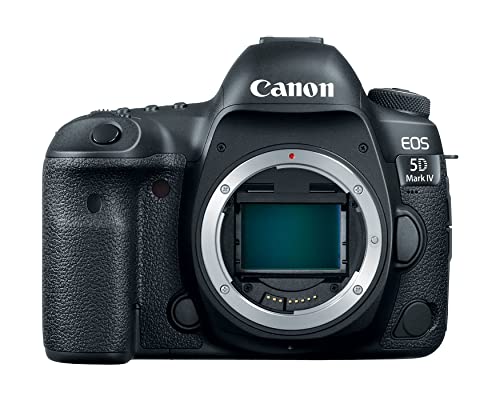

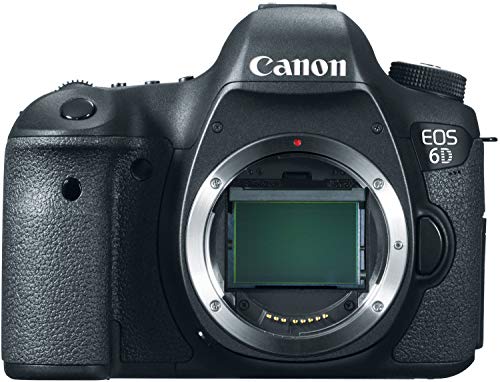


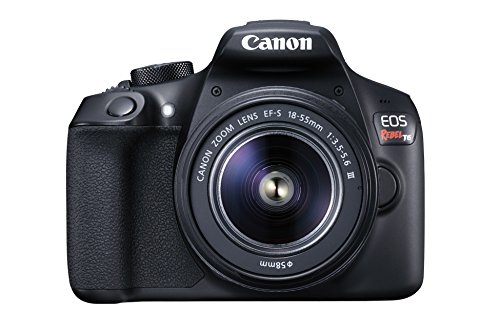


Who Should Buy Which Canon DSLR Cameras?
Match the body to the work you do most weeks, not to the rare trip you might take once a year.
For Students and Everyday Users
Students and everyday users need a body that teaches as it shoots. Look for a guided menu, clear auto modes, and a viewfinder that shows exposure changes before you press the shutter. Battery life on DSLRs is strong, often lasting a full day on one charge. An APS C body keeps cost down and leaves money for a second lens, which matters more than a costlier body.
For Portrait and Event Creators
Portrait and event shooters work with people, so focus on faces matters more than raw speed. In live view, many Canon bodies can track a face and hold focus as your subject shifts. A tilting rear screen lets you compose from low or high angles without kneeling. For paid work, pick a body with two card slots so each photo is written twice and survives a card failure.
For Sports and Wildlife Photographers
Action subjects reward fast, steady autofocus and a deep burst. Choose a body with many focus points spread across the frame and a continuous focus mode that keeps tracking while you hold the shutter halfway. APS C sensors give your telephoto lens extra reach. If action is your main subject, see our guide to the best canon cameras for sports photography.
For Travelers and Commuters
Travelers feel every gram by the third day, so a compact APS C body paired with one versatile zoom is often the sweet spot. Battery life is a real DSLR strength here, since the optical viewfinder draws little power. Keep the kit small enough for your carry bag, and favor a metal lens mount if your trips involve dust and cold.
Key Features to Compare
Five checks decide most Canon DSLR purchases. Work through them in order and note which ones your subjects truly demand.
Features That Matter for Photography Work
Still photography places its own demands on a DSLR. You need accurate focus in dim halls, controls you can reach without menus, and files that hold up when you crop or print large. Shutter range and flash sync shape your results every week. Treat 4K video as a bonus unless filming is a real part of your work, since specs vary widely between bodies.
APS C Versus Full Frame in a Canon DSLR
Canon DSLRs come in two sensor sizes. APS C sensors are smaller and lighter, and they multiply the reach of a lens by about 1.6 times, which suits sports and wildlife. Full frame sensors are larger, gather light well, and give shallower depth of field for portraits. Megapixels matter less than the gap suggests, since most current bodies sit between about 20 and 32 megapixels, enough for large prints. For the wider picture, see our guide to the best cameras for photography.
Durability and Weather Sealing
Weather sealing means gaskets around buttons, dials, and the lens mount that guard against dust and light rain. It does not make a DSLR waterproof, so never hold one under a tap or use it in heavy rain without a cover. Higher bodies add metal chassis parts that shrug off knocks better. Check that the lens carries sealing too, because the mount is only protected when both halves of the joint are sealed.
From Guided Modes to Full Manual Control
Your skill level should shape the controls you choose. Guided interfaces and scene modes explain settings in plain words, which shortens the learning curve for new owners. Direct dials for shutter speed and aperture save time as you grow. A touch screen speeds up focus point choice in live view, and WiFi transfer through the camera app lets you send a photo to your phone for quick sharing.
Autofocus and Stabilization in Canon DSLR Bodies
In a DSLR, main autofocus runs through the viewfinder system, so count the focus points and check how far they spread toward the edges. In live view, Canon Dual Pixel focus tracks moving subjects smoothly. Stabilization on Canon DSLRs lives in the lens, marked IS, and it steadies hand shake at slow shutter speeds rather than fixing subject motion. For a broader view, see our guide to the best dslr photography cameras.
How to Split Your Budget Between Body and Lenses
Shortlists of the best canon dslr cameras for photography usually rank bodies alone, yet your lens decides sharpness and reach. A fair rule is to hold back roughly a third of your budget for glass. The standard zoom sold in most kits covers daily subjects well, but it is often slow in dim light, so plan a fast prime lens as your first upgrade if you shoot indoors or at dusk.
Check mount fit before you pay. EF lenses fit every Canon DSLR, while EF S lenses fit APS C bodies only. On an APS C body, a 50 mm lens frames like about 80 mm on full frame. Add a fast memory card, a spare battery, and a padded bag to the same budget line, since a camera you cannot power or protect will miss the shots you bought it for.
Common Mistakes to Avoid When Buying Canon DSLR Cameras
A quick shortlist helps before you check the details, so see our guide to the best canon dslr cameras, then check each candidate against these errors.
- Choosing by megapixels alone, because a high count cannot fix soft focus or a weak lens and only fills your cards faster.
- Spending the whole budget on a full frame body, because you then shoot for months with one slow zoom that limits the sensor you paid for.
- Treating weather sealing as waterproofing, because one dunk or storm can end a camera that was only built to resist dust and light rain.
- Buying EF S lenses for a full frame body you plan to own soon, because those lenses cannot mount on it and the money is wasted.
- Ignoring grip and control layout, because a body that cramps your hand will stay home while a comfortable one gets used daily.
Keeping a DSLR Sensor and Mirror Clean
Clean the front element with a lens cloth, not your shirt, since grit held in fabric can scratch the coating. Blow dust off with a hand blower before you wipe, and never touch the mirror inside the body. Keep caps on whenever a lens is off, since sensor dust shows as dark spots in bright skies.
Carry a spare battery and rotate both packs so neither sits empty for months. Store the camera in a dry, padded bag with the battery removed during long breaks. If you shoot near the sea, wipe the body with a slightly damp cloth afterward, since salt residue can work into dials and the lens mount.
FAQs About Canon DSLR Cameras for Photography
What features matter most in Canon DSLR cameras for photography?
Sensor size, lens choice, and autofocus accuracy matter most, in that order. A sensor sets your low light limits, a lens sets sharpness and framing, and focus decides how many shots land where you aimed. One extra point is file format. Shoot raw when you plan to edit, because raw files keep far more color and shadow detail than compressed files, which gives you room to rescue dim or bright scenes.
What specs matter most for beginners choosing a Canon DSLR camera?
Beginners should weigh ease of handling, battery life, and lens choice above headline specs. A body that feels balanced with its standard zoom will teach you faster than a heavier one you dread carrying. Try the grip in a store if you can, and check the guided mode. Also confirm the screen tilts, since that one feature makes low angle practice far more comfortable.
How much should I spend on a first Canon DSLR camera for photography?
Most beginners do well with a total kit budget of about $600 to $1,200, covering the body, one zoom, a card, and a bag. Spending far more rarely improves first year results. Set aside a little of that budget for a basic photo book, since guided practice improves your photos faster than a second lens bought too early.
Which Canon DSLR sensor size is better for low light photography?
Full frame is better for low light work, because its larger pixels gather more light and stay cleaner at high sensitivity. That said, an APS C body paired with a fast prime lens at f/1.8 can beat a full frame body stuck with a slow zoom. If you shoot concerts or evening events weekly, favor full frame. If dim light is rare in your work, put the savings into that fast lens instead.
Can I use Canon EF S lenses on a full frame Canon DSLR camera?
No, Canon EF S lenses cannot mount on a full frame DSLR body, and forcing one risks damage to the mirror. The smaller image circle of an EF S lens also covers only the middle of a full frame sensor, so even adapted use would leave dark corners. EF lenses also work on APS C bodies, so they are the safer long term buy.
Our Verdict
Choose on sensor size, lens fit, and focus speed, in that order. Students and travelers usually land on APS C for value and weight, while dim light event work gains the most from full frame. Compare your final two candidates in the product table above, and remember that the best canon dslr cameras for photography are the ones whose lenses, weight, and controls match the work you actually do each week.


