
Best Canon Cameras Under 300 in 2026: What Each Price Tier Gets You
Disclosure: We may earn a commission when you buy through links on this page, at no extra cost to you. As an Amazon Associate I earn from qualifying purchases. Learn more
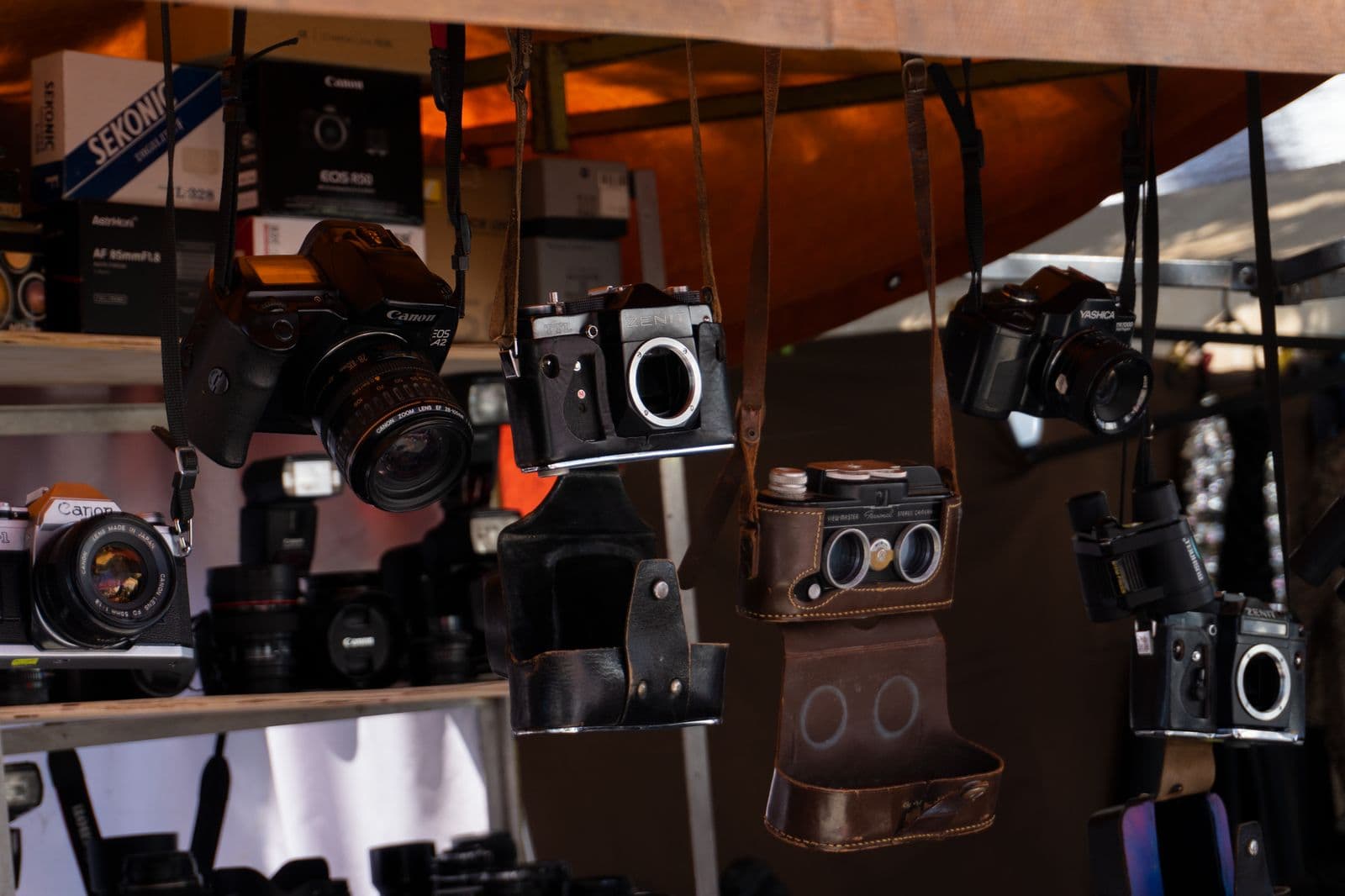
Compare Canon cameras under $300 across each price tier, with clear guidance on sensor size, zoom, autofocus, low light results and video features.
Canon cameras under this price cap vary a lot, from simple models for snapshots to capable compacts with strong zoom and video. The best canon cameras under 300 dollars for you depend on where the extra money goes and whether those gains match your subjects. This guide sorts the tiers so you can set clear expectations before you shop.
Start with what you shoot most. Family photos reward fast autofocus and a bright lens, travel rewards zoom in a small body, and video rewards a screen you can turn toward yourself. Few new Canon models sell under this cap, so expect to look at compacts near the top of the range or at refurbished stock.
Who Should Buy a Canon Camera Under $300?
The price cap shapes every group below. Under $300, Canon buyers mostly choose among compact cameras with fixed lenses, so the real decision is which strengths to favor within that format.
Families Who Want Easier Photos of Moving Kids
You need a camera that starts fast, focuses on faces, and works without setup before a moment passes. Choose a compact with face detection, image stabilization, and a zoom that covers groups indoors and players outdoors. A simple auto mode matters more than deep menus, and a pocketable body means the camera actually comes along.
Travelers and Vloggers Who Pack Light
You carry your camera all day, so size and zoom range decide how much you use it. Long zoom compacts frame landmarks and wildlife from a distance, while a tilting screen helps you to record yourself for vlog style clips. If this profile sounds like you, see our guide to the best compact cameras under 300.
Beginners Learning Camera Controls
You want to move past full auto and learn aperture, shutter speed, and ISO at low cost. Look for manual modes, a control dial, and clear on screen guidance as you change settings. You will outgrow a basic snapshot camera quickly, so spend toward the top of the budget, where controls and image quality leave more room to grow.
What Extra Money Buys Inside This Price Class
Spending more inside this cap buys specific gains, not a different class of camera. That is why the best canon cameras under 300 choices cluster by tier. Readers comparing Canon against every brand should also see our guide to the best cameras under 300 before deciding the badge matters most.
Under About $180: Simple Cameras for Casual Snapshots
At this level you get a small sensor, a modest zoom of about 4x to 8x, and full HD video rather than 4K video. Autofocus is slower and low light photos show more noise, but the cameras are easy, light, and cheap to replace. This tier suits casual snapshots and buyers who value simplicity over detail.
About $180 to $250: Longer Zoom and Better Screens
This middle tier usually adds a zoom of about 10x to 30x, a sharper rear screen, and faster focus for everyday subjects. Image quality improves in good light, and some models add WiFi for sending photos to a phone. Most buyers land here, since the gains in reach and handling are easy to notice at this price.
About $250 to $300: The Most This Budget Can Buy
Near the cap you may find a larger sensor, a brighter lens, 4K video on select models, and a screen that tilts for self recording. Focus and processing feel quicker, and manual controls are more common. This tier suits beginners who plan to learn and travelers who want one camera to do more.
Key Features to Compare
Compare these factors in order, since the first three shape image quality most.
Small Sensors and Clean Detail in Dim Rooms
Sensor size controls how much light the camera gathers for each photo, and more light means cleaner detail and less grain in dim rooms. Most Canon cameras at this price use a small sensor of about 1/2.3 inch, while stronger models near the cap may use a larger 1 inch sensor. Megapixels matter less, since a high count on a tiny sensor still struggles after dark.
Lens Zoom Range and Aperture
The fixed lens decides what you can frame, since you cannot swap it later. A zoom of about 4x suits people and nearby scenes, while about 30x to 40x reaches distant wildlife and stadium action, though haze and shake grow with distance. Aperture matters too, written as an f number, and a lower number lets in more light indoors. Prioritize a bright lens for people photos, and long zoom only if your subjects truly sit far away.
Keeping Moving Kids and Pets Sharp
Autofocus speed decides whether a child, pet, or player stays sharp as they move. Face and eye detection help for portraits, while tracking modes suit sports and wildlife. Image stabilization steadies the lens to reduce blur from your hands, which matters most at long zoom and in low light. If you shoot active subjects often, rank these two systems above extra megapixels or longer zoom claims.
Video Quality and the Rear Screen
Full HD video is standard at this price, and 4K video appears only on select models near the cap, so check the exact spec before assuming. A screen that tilts up lets you frame yourself for vlogging, while a fixed screen is fine for filming other people. Microphone input is rare under $300, so camera audio will carry room echo. Choose 4K only if your computer handles editing it and you value the extra detail.
Battery Life, Charging and Photo Transfers
Compact Canon cameras at this price typically rate about 200 to 300 shots per charge, and video drains a battery far faster than still photos. Some models charge over USB C, which lets you top up from a laptop or power bank on a trip. WiFi transfers send selected photos to your phone for sharing, though full card transfers stay slow.
Menus and Guided Modes for New Owners
A clear menu, a reliable auto mode, and guided scene settings help new owners get good photos on day one. Touch screens speed up choosing a focus point, while buttons and dials suit users who change settings often. Match the controls to your patience, since a camera that feels confusing at home will stay in a drawer on trips.
Cards, Cases and Spare Batteries Add Up
The camera price is only part of what you will spend. Budget for a memory card, a padded case, and a spare battery, which together often add about $40 to $80. Adding these costs early keeps a near cap camera from quietly passing your real budget.
Common Mistakes to Avoid
- Paying extra for the highest megapixel count alone leaves you with noisy indoor photos, since sensor size matters more at this price.
- Choosing the longest zoom for family photos adds size and a darker lens that you feel in every dim room.
- Spending the whole budget on the camera leaves nothing for a memory card, so it cannot record on day one.
- Assuming every Canon camera under $300 records 4K video leads to disappointment, since many models stop at full HD.
- Buying a used camera without checking the lens risks a zoom error that costs more to repair than the camera is worth.
Care and Maintenance for a Canon Compact Camera
Clean the lens with a soft microfiber cloth and gentle circular strokes, since grit rubbed across the glass can scratch the coating. Keep a blower for dust on the screen and body seams. Store the camera dry in its case, away from beach sand and sunscreen.
Charge the battery before long storage and top it up every few months, since a battery left empty for a year may hold far less charge afterward. Format a memory card in the camera after copying photos safely to a computer. Update firmware only with a full battery and Canon instructions for your model.
FAQ
Can you get a good Canon camera for under $300?
Yes, you can get a good Canon camera for under $300 if your expectations match compact camera strengths. It will beat a phone on zoom reach and handling. One route worth checking is Canon official refurbished stock, which can place a stronger model under the cap with a warranty that private used sales rarely include.
Which Canon camera type under $300 handles low light best?
A Canon compact with a larger sensor and a bright lens handles low light best under $300. In practice, brace the camera on a table or wall for still subjects, since a steady hold lets it use a slower shutter speed without blur. Avoid zooming in dim rooms, because most compact lenses gather less light at the far end of the zoom.
What does optical zoom mean on a Canon compact camera?
Optical zoom means the lens itself moves to magnify the scene, so detail stays intact as you frame from farther away. Digital zoom is different, since it only crops and enlarges the middle of the image, which softens detail quickly. Rank cameras by the optical figure printed on the lens, and treat any digital figure as a minor extra.
How much should you spend on a first Canon camera under $300?
Spend about $180 to $250 on a first Canon camera under $300, and keep the rest for a card, case, and spare battery. Go lower only if the camera is mainly for a child or very casual use. Photos viewed only on a phone need far less detail than prints at 8 by 10 inches. To compare other brands, see our guide to the best digital cameras under 300.
Is a smartphone enough instead of a Canon camera under $300?
A smartphone is enough if you mostly share photos online right after taking them and rarely zoom. Phones also handle dark scenes with automatic processing that flatters casual snapshots. A Canon compact earns its place when you want real optical zoom, a steadier grip, or prints that hold up at larger sizes, since its lens gathers distant detail a phone crop cannot recover.
Final Thoughts
Decide by sensor, lens, and focus first, then let your tier set how much zoom, screen movement, and video detail you can add. Keep money aside for a card and spare battery, and confirm each option's price and kit contents on its listing.
Compared tier by tier, the best canon cameras under 300 dollars are the ones that spend your money on light and focus rather than headline numbers.


