Best Cameras under 300 Made Simple: A Clear Buying Guide for 2026
Disclosure: We may earn a commission when you buy through links on this page, at no extra cost to you. As an Amazon Associate I earn from qualifying purchases. Learn more

New to buying cameras? Our simple guide to the best cameras under 300 explains the basics, key specs, and smart tips so your first purchase is the right one.
Buying your first camera is confusing because every product page throws numbers at you: megapixels, zoom ratings, sensor names you have never seen. The good news is that a budget of about $300 buys genuinely capable cameras, as long as you know which specs matter and which are marketing filler. This guide starts with the basics, explains each key spec in plain English, and shows how to pick the best cameras under 300 for the way you actually shoot.
We will not review individual models. Instead you will learn what types exist at this price, what each spec means in daily use, and which mistakes first time buyers make most often. The comparison table below gives a quick overview of the types on offer, and by the end the product listings will read like plain language instead of code.



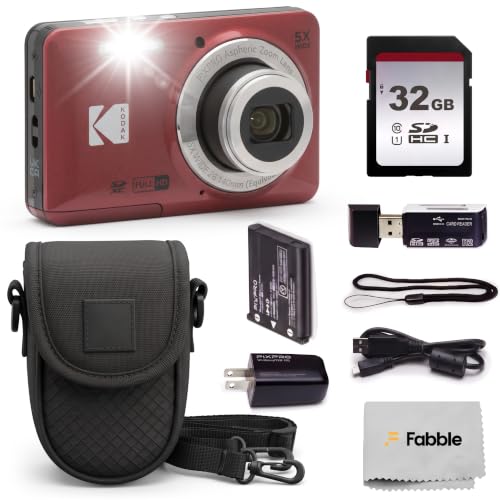


Cameras 101: The Basics
A camera is a light tight box with a lens at the front and a sensor inside. The lens focuses light onto the sensor, the sensor records it as an image, and the processor turns that recording into the photo you see. Three settings control exposure: aperture (how wide the lens opens), shutter speed (how long light flows in), and ISO (how sensitive the sensor is). Automatic modes balance all three for you, which is how most first cameras get used.
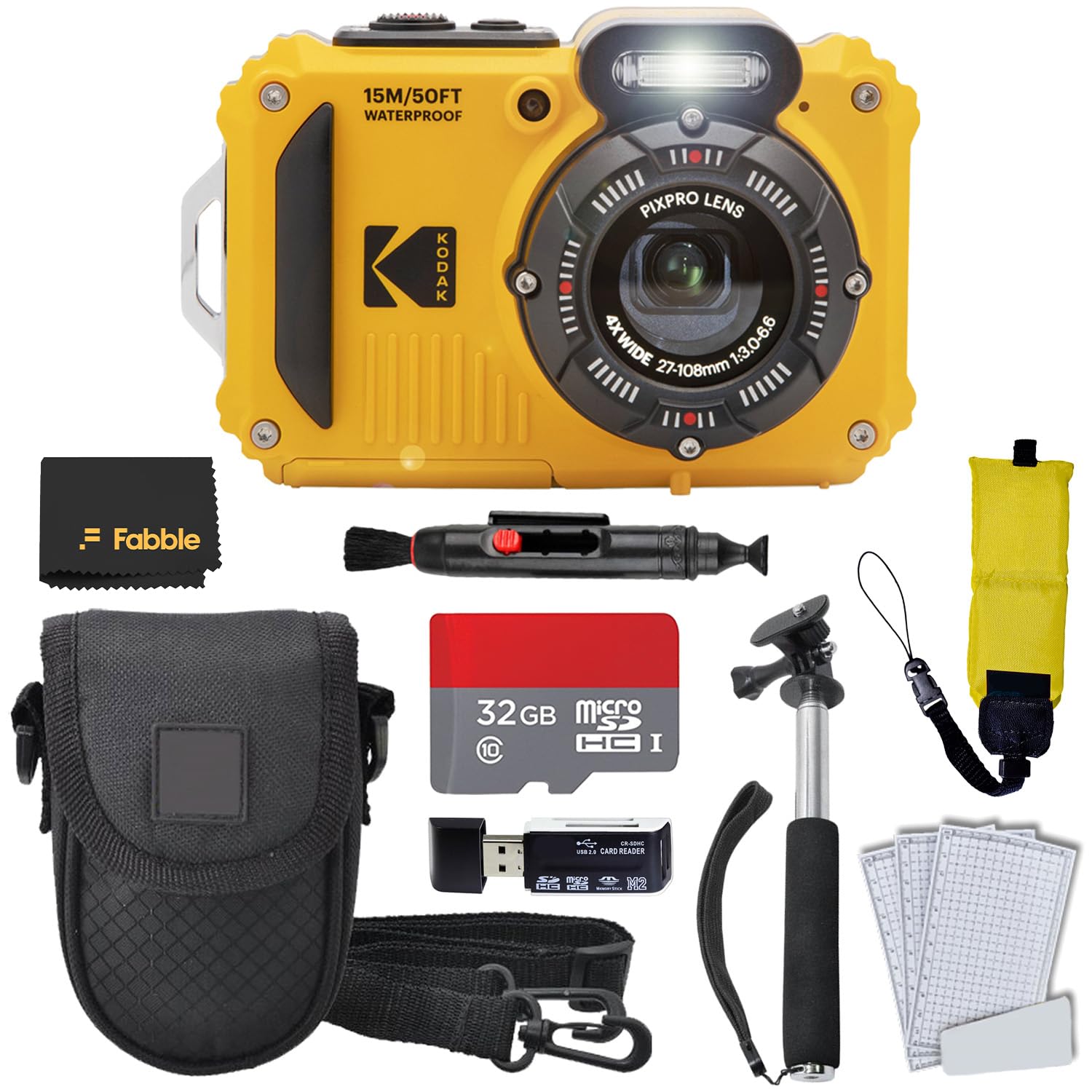
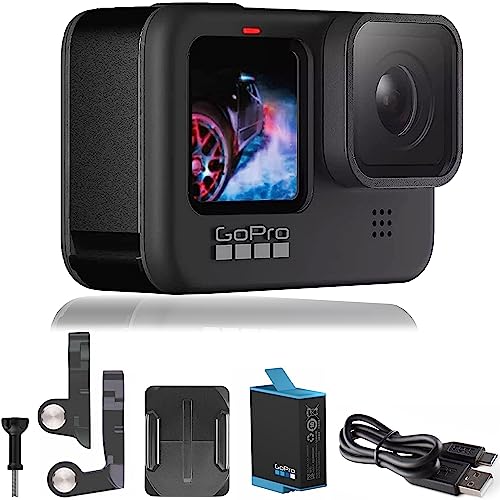
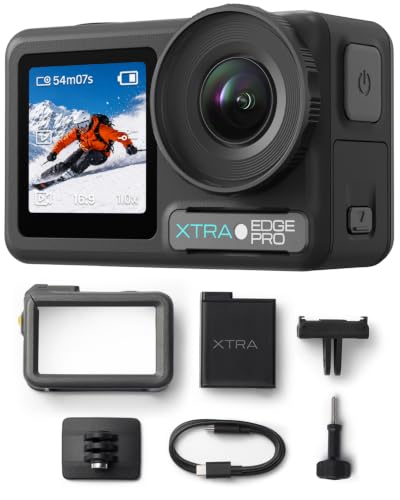
At this budget you will meet four types. Compact cameras are pocket sized with a fixed zoom lens. Bridge cameras are larger, with one very long zoom. Action cameras are tiny, tough, and waterproof. A few entry mirrorless and DSLR bodies appear near the top of the budget, usually with a basic kit lens. If interchangeable lenses appeal to you, our guide to the best digital cameras under 300 explains how those systems grow over time.
Key Specs Explained in Plain English
What You Can Realistically Get Under $300
Under $300 you can expect a good compact or bridge camera, a capable action camera, or an older entry level interchangeable lens body. Image quality in daylight is strong across the board, and 4K video appears on many models. What gets cut is low light performance, fast burst shooting, and premium build. Do not save money on the sensor or the lens to pay for extras like WiFi or touch screens, since the sensor and lens decide every photo you take. Shoppers who think in dollars can cross check the same ground in our guide to the best cameras under 300 dollars.
Sensor Size and Image Quality
The sensor is the part that records light, and bigger is better. Most cameras at this price use a 1 inch sensor or a smaller 1/2.3 inch sensor. A 1 inch sensor gathers more light, so photos stay cleaner indoors and at dusk. Megapixels matter less than ads suggest: 20 megapixels is plenty for prints and cropping, and cramming more pixels onto a small sensor can even hurt low light results. Choose sensor size first and megapixels second.
Video Capabilities
Many cameras under this budget record 4K video, which looks sharp on a TV and gives room to crop later. Check the frame rate too: 4K at 30 frames per second suits general filming, while 60 frames per second makes fast motion smoother. If you plan to talk to the camera, a flip screen and a mic input are worth more than a higher resolution number. Remember that long 4K clips heat small cameras up, so short clips work best.
Autofocus and Stabilization
Autofocus is how the camera locks onto your subject. Face and eye detection, common even at this price, keeps people sharp without any effort from you. Stabilization fights shaky hands: in body stabilization moves the sensor, while lens stabilization moves lens elements. Either one lets you shoot at slower shutter speeds indoors and still get sharp results. For video, electronic stabilization smooths walking shots, though it crops the frame slightly.
Lens and Zoom Range
Zoom range tells you how much the lens can magnify distant subjects. Optical zoom uses the lens itself and keeps full quality, while digital zoom just crops and should be ignored. A range written as 24 to 120 mm covers wide group shots through portraits, and bridge cameras reach 600 mm or more for wildlife. The f number describes the widest aperture: lower numbers like f/2.8 let in more light than f/5.6, which helps indoors and blurs backgrounds.
Best Cameras for Specific Needs
Best Small Cameras under 300: Tips for First Time Buyers
If small size is the whole point, look at premium compacts that still carry a 1 inch sensor. The best small cameras under 300 balance three things: a pocket friendly body, a lens that opens wide for indoor shots, and simple controls you can learn in a weekend. Skip tiny cameras with small sensors and huge zoom claims, since they give up the image quality that makes a camera worth carrying over a phone. Our focused guide to the best compact cameras under 300 compares pocket models in more detail.
Best Action Cameras under 300: Tips for First Time Buyers
Action cameras suit riders, swimmers, and anyone whose camera must survive drops and water. The best action cameras under 300 offer waterproofing without a case, strong stabilization, and wide lenses that keep fast subjects in frame. Check the mount system and battery life before anything else, and budget for a spare battery and a floating grip if you film in water. Image quality in daylight is good, but these are poor tools for dim indoor scenes.
Best Camera Video Cameras under 300
Shoppers hunting for the best camera video cameras under 300 usually want one device for family films, school events, or a starter video channel. Prioritize clean 4K recording, a flip screen so you can frame yourself, and a mic input for clear sound, since viewers forgive soft video faster than bad audio. Traditional camcorders add long zoom and long record times, while mirrorless and compact cameras give better low light results. Decide whether reach or low light matters more before you buy.
Best Zoom Cameras under 300: Tips for First Time Buyers
Zoom cameras serve travelers, sports parents, and casual wildlife watchers. The best zoom cameras under 300 pair a long optical range with stabilization strong enough to use it, because a 40x zoom is useless if every shot shakes. Bridge cameras reach furthest, while travel compacts balance reach and pocket size. Test the zoom at its longest setting in the shop if you can, since that is where quality drops first.
Rookie Mistakes to Avoid
- Chasing megapixels. A 20 megapixel camera with a 1 inch sensor beats a 24 megapixel camera with a tiny sensor almost everywhere it matters.
- Trusting digital zoom numbers. Only optical zoom keeps detail, so ignore any rating that mixes the two.
- Forgetting the extras budget. A case, a spare battery, and a memory card add about $30 to $60, so keep room for them.
- Buying reach you will not use. A huge zoom adds size and cost; most beginners shoot wide and medium scenes far more often.
- Skipping the grip test. A camera that feels awkward gets left at home, so hold display models before ordering when you can.
Getting Started: Setup and First Use
Unbox slowly and charge the battery fully before the first outing, since new batteries ship partly charged. Insert the memory card, set the date and time, and format the card inside the camera so the file system matches. Start in full automatic mode and take twenty test shots around the house: bright windows, dim corners, and a moving pet will teach you more than the manual's first chapter.
Two habits protect your results from day one. Use a lens cloth, not your shirt, to wipe the lens, because grit in fabric scratches coatings. Carry a spare battery on any full day out, since screens and video drain small batteries fast. When you come home, copy the photos to a computer or cloud folder that same evening, and never look at the sun through an optical viewfinder while you experiment with settings.
Frequently Asked Questions
Can you get a good camera under $300?
Yes, you can get a good camera under $300, especially for daylight photos, travel, and family events. Modern compacts and bridge cameras at this price produce sharp, colorful images that beat phone shots when you use their optical zoom. The limits appear in dim light, fast sports, and professional video work. For a first camera that teaches you the basics and travels well, this budget is a sensible place to start.
Is a smartphone enough instead of a dedicated camera?
A smartphone is enough for quick sharing and casual snapshots, and its automatic processing hides many beginner mistakes. A dedicated camera wins on optical zoom, battery life, low light quality, and controls that work in cold or wet conditions. It also keeps your phone free for maps and messages on a trip. Many new photographers use both, learning composition on the camera and posting quick moments from the phone.
How much should a first time buyer spend on a camera?
A first time buyer should spend about $200 to $300 on the camera and keep about $30 to $60 aside for a card, a case, and a spare battery. Spending less usually means a small sensor that disappoints indoors. Spending more buys features most beginners will not touch in the first year. If you catch the photography bug, lenses and a bigger body can come later, once you know what you shoot most.
What does optical zoom mean on a budget camera?
Optical zoom means the lens physically magnifies the scene, so a distant subject fills the frame at full quality. A 10x rating means the longest setting makes subjects look about ten times closer than the widest setting. Digital zoom, by contrast, enlarges the middle of the image and throws detail away. When comparing budget cameras, compare only the optical numbers and check the range in millimeters, such as 24 to 240 mm.
Which camera type is better for low light under 300?
A camera with a 1 inch sensor and a wide aperture lens is better for low light at this budget. That combination gathers more light than the small sensors in long zoom models, so indoor photos stay cleaner at high ISO. Bridge and action cameras are the weakest choices after dark. If evenings and indoor events dominate your shooting, accept a shorter zoom and put your money into the sensor and lens instead.
Final Thoughts
Keep three things in front of every other spec: sensor size, honest optical zoom, and a body you enjoy holding. Match the type to your main subject, whether that is travel, family video, or distant wildlife, and the product table above will narrow the field fast. First time buyers who start with the best cameras under 300 for their own habits learn faster and spend less than those who buy the longest spec list. Prices and availability can change, so check the product page before ordering.