Best Canon Cameras for Video in 2026: Every Type Explained Side by Side
Disclosure: We may earn a commission when you buy through links on this page, at no extra cost to you. As an Amazon Associate I earn from qualifying purchases. Learn more

Match the best canon cameras for video to your filming style with a clear comparison of mirrorless, DSLR, compact and camcorder types.
Canon's video lineup spans pocket compacts, mirrorless bodies, DSLRs, and camcorders, and the right choice depends on how and where you film. Every type can record good footage, yet each one trades size, lens choice, and stamina differently. This guide compares the best canon cameras for video type by type, so you can match a body style to your subjects before you spend anything.
You will find what each type does well, where it struggles, and the features that separate a video ready body from a stills body with a record button. The comparison table below puts the types side by side with typical prices, and the sections after it explain the details behind each row.




Types of Canon Cameras for Video, Compared
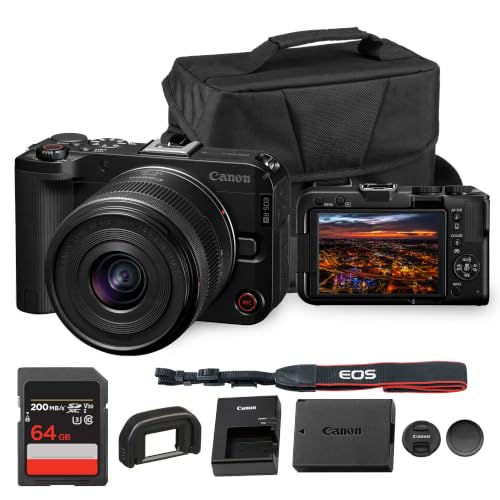
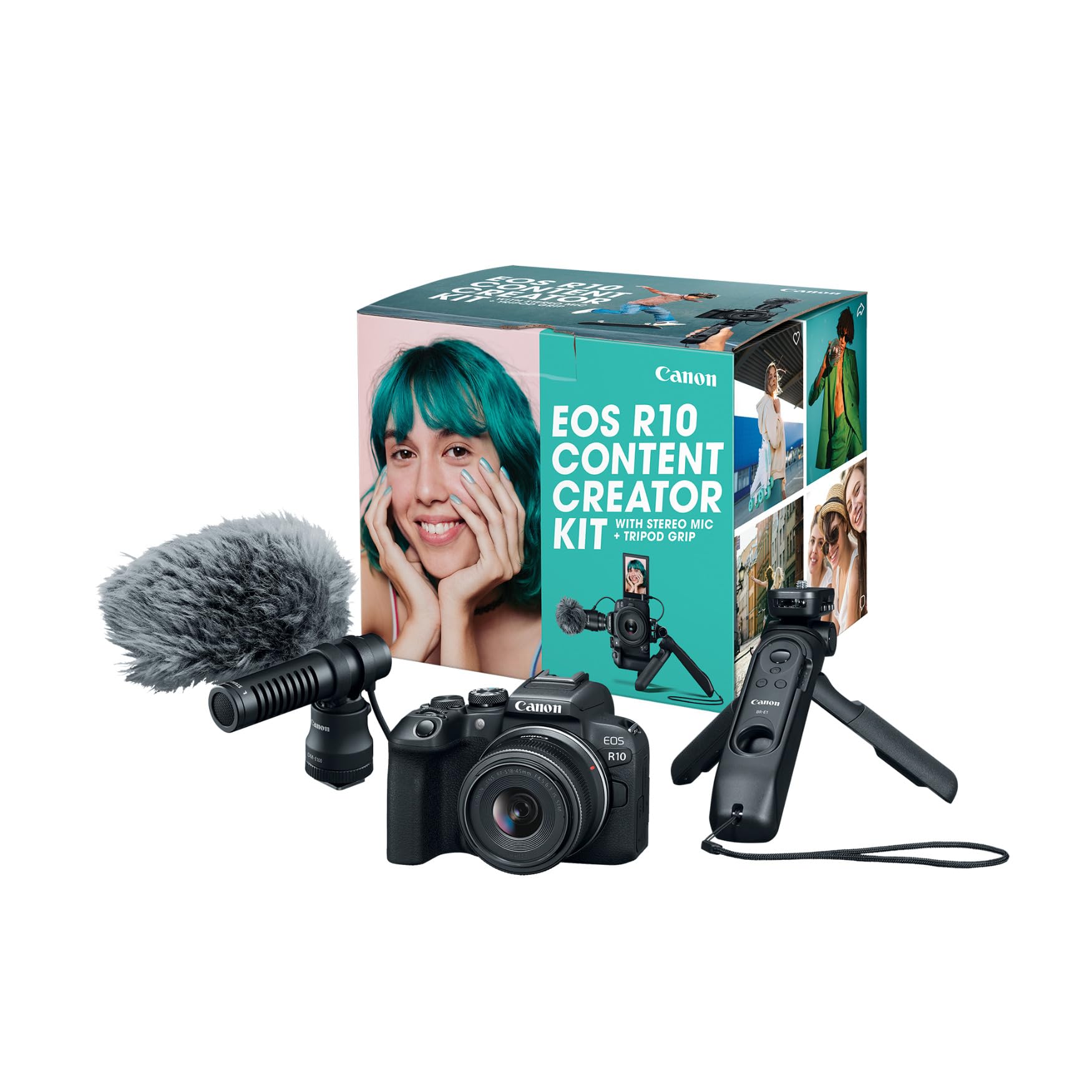
Canon sells video capability across four body styles. The table gives the short version; the sections under it give the full picture for each type.
| Type | Best For | Strengths | Limits | Typical Price |
|---|---|---|---|---|
| Mirrorless | Creators who film often | Interchangeable lenses, strong autofocus, 4K standard | Record limits and heat on smaller bodies | about $600 to $3,500 |
| DSLR | Shooters with large lens collections | Long battery life, low used prices | Slower live view focusing, fewer 4K options | about $400 to $2,000 |
| Compact | Travel and family filming | Pocket size, simple controls, complete in the box | Small sensor, fixed lens | about $300 to $900 |
| Camcorder | Long events and services | Long record times, built for video alone | Fixed lens, larger body | about $800 to $3,000 |
Mirrorless Cameras
Mirrorless bodies are the center of the Canon video range today. They pair interchangeable lenses with the most advanced video autofocus the maker offers, and most record 4K footage as standard. Compact bodies suit travel and vlogging, while larger ones add better heat handling and pro audio connections. The main cautions are record time limits on some bodies and total cost, since lenses, cards, and a microphone all sit outside the body price.
If video is your main job, start your search here and narrow by sensor size in the choosing section below.
DSLR Cameras
Canon DSLRs built the first wave of video shot on stills cameras, and they remain a sensible buy for owners with a shelf of compatible lenses. Live view focusing is slower than on mirrorless bodies, and 4K options are fewer, yet the optical viewfinder, long battery life, and low used prices keep them relevant. Pair one with the settings guidance in our guide to best dslr video settings for canon cameras and a DSLR still earns its place for interviews and tripod work.
Point and Shoot Compacts
Compacts put a fixed lens and a small sensor in a pocket sized body, and for video that simplicity is the point. You gain fast setup, quiet zooming, and prices that start low; you give up lens choice, shallow depth of field, and low light range. Vlogging compacts with flip screens and microphone inputs blur the line with mirrorless bodies, and for family trips and daily clips they are often the camera that actually gets used.
Camcorders
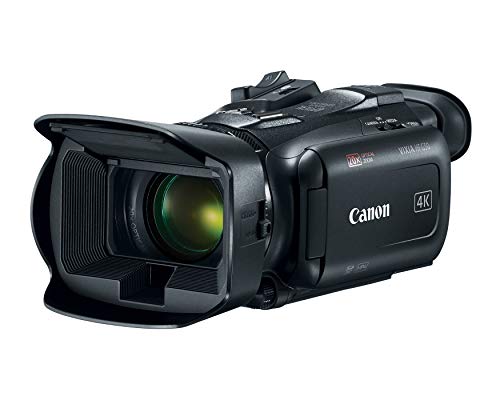
A camcorder is the one Canon type designed for video first. Long record times, a lens built for smooth zooming, and controls laid out for filming make camcorders the default for ceremonies, school events, and services that run for hours. The trade offs are a fixed lens, a larger body than a compact, and stills that play a supporting role. If your filming is long, seated, and scheduled, this type removes the most friction.
Mirrorless Cameras vs Point and Shoot Compacts: Which Should You Choose?
These two types answer different questions. A compact asks how little gear you can carry and still come home with clean footage. A mirrorless body asks how much control you want over lenses, focus, and light. Choose the compact for travel, family filming, and any day when a bigger camera would stay in the bag.
Choose mirrorless when you film the same subjects again and again and want footage that can grow with your skills. The price gap is real, since a compact is complete in the box while a mirrorless kit grows lens by lens. Our broader guide to best cameras for video shows how these types compare across every maker, not just Canon.
How to Choose the Right Canon Camera for Video
Autofocus That Tracks a Moving Subject
Video autofocus decides whether your subject stays sharp while it moves, and Canon builds its reputation here. Face and eye detection hold a speaker or athlete in focus while a basic system hunts and pulses. For interviews, almost any current body works. For sports, kids, and pets, prioritize bodies with subject detection and a touchscreen you can tap to shift focus smoothly.
Record Limits and Heat on Long Takes
Many stills cameras cap a single clip at about 30 minutes, and small bodies can overheat during long 4K sessions in warm rooms. If you film ceremonies, lessons, or services, confirm the limit and the cooling behavior before you buy. Camcorders sidestep both issues, and larger mirrorless bodies with vents or fan accessories handle heat far better than pocket sized ones.
Microphone Inputs and Audio Monitoring
Viewers forgive soft footage sooner than bad sound. Look for a 3.5 mm microphone input for interviews and events, plus a headphone jack if you record anything you cannot repeat. Bodies without an input force you to record audio on a separate device and sync it later, which is workable but slow. Built in microphones are fine for casual clips and little else.
Sensor Size and Image Quality
Canon video bodies use three sensor sizes: 1 inch in compacts, APS C in mid range mirrorless and DSLR bodies, and full frame at the top. Bigger sensors gather more light, which means cleaner footage indoors and at night, plus shallower depth of field. Megapixels matter far less for video than for stills, since a 4K frame needs only about 8 megapixels. Choose sensor size by your light, not by the spec sheet race.
Picking the Right Type for Different Uses and Budgets
Best Canon Cameras with Good Video
Many buyers want one camera that shoots photos all week and video on weekends. Mirrorless bodies own this space, since they pair full stills quality with dependable autofocus and 4K recording. If you shoot photos daily and film weekly, this is your class. Our guide to best canon cameras maps the stills side of the same bodies.
Best Canon Cameras for Video under 1000
On a budget of about $1000, your money goes furthest on an APS C mirrorless body with a kit lens, or a used full frame DSLR if you already own lenses. Prioritize autofocus and a microphone input over a higher resolution badge, since 1080p from a well lit scene beats shaky 4K. Creators filming lessons and product clips also compare notes with our guide to best cameras for video blogging, where small setups get the same budget treatment.
Best Canon Cameras for Video under 400
At about $400, shop the used market and entry level compacts. A used APS C DSLR or early mirrorless body with a standard zoom covers interviews, family events, and course clips well at 1080p. Check the sensor for marks, try every dial, and confirm the battery holds a charge, since repairs can erase the savings. Skip any body without a microphone input if voices matter to your filming.
Care and Maintenance Tips
Video work is hard on gear in quiet ways. Clean the lens with a microfiber cloth rather than your shirt, since coatings scratch easily. Carry a spare battery and a second card, because a long take stops for nothing. Store bodies in a dry, padded bag away from heat, and blow dust off the sensor with a hand blower rather than touching it.
Before a paid or one time event, format cards in the camera and record a short clip at home. That two minute habit catches a failing card or a dead battery while there is still time to swap both.
Canon Cameras for Video: Your Questions Answered
What features matter most in Canon cameras for video?
Autofocus, a microphone input, and heat handling matter most, in that order for most shooters. Autofocus keeps moving subjects sharp without a focus puller, a microphone input lifts voices clear of room echo, and heat handling decides whether a body survives a long ceremony. Resolution ranks below all three, because a well lit 1080p clip looks better than a noisy 4K one. If you film people talking, spend on audio before you spend on resolution.
Is 4K video worth it, or is 1080p enough?
For most filming, 1080p is enough, and it keeps files small and editing fast. Choose 4K when you crop in editing, film in low light often, or deliver to clients who ask for it by name. One point the type sections above pass over: 4K does not future proof your archive by itself, since platforms compress uploads heavily, so the visible gain at home is smaller than the spec sheet suggests.
What video specs matter most for beginners?
Beginners should read three specs: the autofocus type, the microphone input, and the longest single clip the body can record. Ignore megapixel counts, which describe stills. A flip screen helps anyone filming alone, and a body that shoots good footage on full auto lets you learn framing before menus. Start with the kit lens, and add a faster prime lens only when low light clips start disappointing you.
How much should I spend on my first Canon camera for video?
Plan on about $400 to $900 for a first body and lens that you will keep for years. The lower end buys used APS C bodies that still film clean 1080p; the upper end reaches new mirrorless kits with stronger autofocus. Hold back part of the budget for a microphone, a spare battery, and cards, since those three items improve your footage more than the next body tier would.
Which Canon camera type films best in low light?
Full frame mirrorless bodies film best in low light, because their larger sensors gather more light per frame and keep noise down at high sensitivity settings. Shoppers who compare the best canon cameras for videos shot in dim halls, evening events, and candlelit rooms should start with that type and a fast lens. APS C bodies come second, and small sensor compacts trail, since no setting can fully replace sensor area when the light runs out.
Final Thoughts
Start with the type, then the features. Mirrorless bodies lead for most video work, compacts win on size, DSLRs reward lens owners, and camcorders own the long event. Within a type, autofocus, audio, and heat handling separate the best canon cameras for video from the rest, and the comparison table above shows how the types compare on price. Match one body to your main subject and your longest typical shoot, and you will choose well.