Best Canon Cameras for Beginner Photographers: A First Time Buyer's Guide for 2026
Disclosure: We may earn a commission when you buy through links on this page, at no extra cost to you. As an Amazon Associate I earn from qualifying purchases. Learn more

Compare Canon camera types, sensor sizes, lenses and guided controls for first time buyers, with a clear checklist for beginner photographers.
Buying your first real camera should feel exciting, not confusing. The best canon cameras for beginner photographers share a few traits: clear menus, helpful guided modes, reliable autofocus, and room to grow as your skills improve. You need a camera you will carry often and understand quickly.
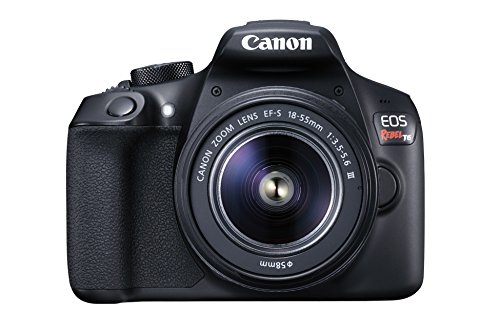
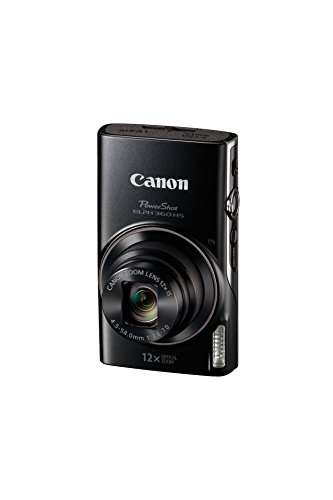
This guide starts with the basics, then compares the features that actually change your photos. Use the product table below to see how Canon camera types differ in size, lens choice, and price, then match those differences to the way you plan to shoot.







Canon Cameras 101: The Basics for New Photographers
A digital camera records light through an objective lens onto an electronic sensor, then saves the image to a memory card. Canon makes three types that suit new users. Point and shoot compacts have a fixed lens and the simplest controls. Mirrorless cameras accept interchangeable lenses and pack larger sensors into fairly small bodies. Older digital single lens reflex models use a mirror and an optical viewfinder.
When people search for the best cameras for beginner photographers, they often compare spec sheets before handling. Start the other way around. Think about what you will photograph most. For a wider view of the Canon range, see our guide to the best canon cameras.
Who Should Buy Which Canon Camera Type?
Your subjects should decide the type, not a spec ranking.
Complete Beginners Who Want Guided Help
If you are moving up from a phone and want better photos without studying settings first, choose a model with a guided interface and on screen explanations of each control. Canon builds these helpers into many entry level bodies, so the camera teaches you as you shoot.
Family and Travel Photographers Who Carry a Camera All Day
If your camera will record school events, holidays, and long walks, size and weight matter as much as image quality, because a camera that stays home takes no photos at all. Look for a light body, a tilting screen, and WiFi transfer to your phone. If sharp results in mixed light top your list, see our guide to the best quality cameras for beginners.
Aspiring Creators Who Want to Grow Into Video and New Lenses
If you plan to film clips, record yourself talking, or add lenses over the next few years, an interchangeable lens mirrorless camera gives you the most headroom. A screen that flips toward you supports that path. Buy the body and kit lens first, and add gear only when a real project calls for it.
Key Features to Compare
Canon Sensor Sizes for Your First Camera
The sensor gathers light, and its size shapes detail, depth of field, and low light results. Canon compacts often use a 1 inch sensor, which beats a phone but stays small. APS C sensors, found in most beginner mirrorless bodies, gather more light and give cleaner images indoors and at dusk. Full frame sensors are larger still and cost more. Megapixels matter less, because a modest count on a larger sensor usually produces cleaner files than a huge count on a tiny one.
Lenses, Optical Zoom, and Magnification
The lens decides what fits in your frame. On a compact, optical zoom moves real glass to change magnification, while digital zoom only crops the image and lowers quality, so compare the optical figure. On a mirrorless camera, the kit zoom covering wide scenes and short portraits handles most first year subjects. Canon uses different mounts across its lines, and lenses only fit their own mount, so confirm compatibility before planning purchases around a borrowed lens.
Autofocus and Stabilization
Autofocus locks onto your subject so you can think about timing and framing. Face and eye detection matter most for beginners, because the camera finds a person and holds focus as they move, which helps with children, pets, and events. Touch focus on the rear screen is another simple aid. Stabilization counters small hand movements, either in the lens or in the body on some models, and helps at slower shutter speeds and during handheld video.
Size, Weight, and Ergonomics
A camera should feel secure in your hands for a full outing. Check grip depth, the reach to the main dials, and whether the body feels balanced with its kit lens fitted, because a front heavy pairing tires your wrist. Smaller bodies travel better but can feel cramped for larger hands. Weatherproof sealing on some higher priced bodies helps in light rain, though it only works when the lens is sealed too and never makes a camera safe to submerge.
Video, Screens, and Sharing
Many beginners shoot stills first and video second, yet 4K video is now common and gives sharper clips plus room to crop later. If you mostly film family moments, smooth autofocus during recording and an angled screen matter more than the highest resolution. Built in WiFi and Bluetooth send images to your phone, and Canon's app can act as a remote shutter for group photos.
Beginner Friendly Controls and Guided Modes
Good beginner design reduces the steps between switching on and taking a sound photo. Look for a mode dial with a clear auto setting and a guided display that explains aperture and shutter speed in plain words. The control you will use daily is exposure compensation for brighter or darker results. A camera that explains itself shortens your learning curve more than extra megapixels do.
Choosing Canon Cameras for Your Situation
Best Digital Cameras for a Beginner Photographer: Tips for First Time Buyers
Set a total budget that covers the camera, a memory card, and a bag, because the body price alone understates your real cost. Most beginners do well with about $400 to $900 for a body with a kit lens, while capable compacts often cost about $300 to $700. Within that range, the best canon cameras for beginner photographers are the ones whose controls you understand in the store. If two models feel equal, pick the better kit lens and the clearer guided menu.
Think about growth honestly. If you will never swap lenses, a compact removes decisions and travel weight. If you enjoy learning, a mirrorless body rewards practice. For near identical entry level options, see our guide to the best canon cameras for beginners, and for stills focused priorities, see our guide to the best photography canon cameras.
Common Mistakes to Avoid
- Buying on megapixels alone, which means paying for big numbers while a small sensor still struggles in dim rooms.
- Spending your whole budget on the body, which leaves nothing for a card, a spare battery, or a bag.
- Choosing digital zoom figures on a compact, which crops your image and discards detail.
- Ignoring lens mount compatibility, which can leave you with lenses that do not fit the body you buy next.
- Picking the largest body for status, which often means it stays home unused.
- Staying in full auto for months, which slows your learning when auto settings choose poorly.
Setting Up Your First Canon Camera
Charge the battery fully, set the date and time, and format a new memory card inside the camera. Attach the strap, fit the kit lens until it clicks, and take test shots at home in auto mode, reviewing each at full size to confirm focus. Carry a spare battery on longer days, because screens and image transfer drain power faster than new users expect.
Care and Maintenance for Canon Cameras
Clean the lens with a soft lens cloth, not your shirt, because shirt fabric can carry grit that scratches coatings. Use a blower for dust, and store the camera in a dry bag away from bathroom steam. Remove the battery during long storage, wipe the body after beach outings, and check strap anchors for wear.
Canon Cameras: Your Questions Answered
What makes Canon cameras for beginners different from advanced Canon cameras?
Canon cameras for beginners differ mainly in guidance, size, and price, not in the ability to take pleasing photos. Entry level models add guided menus and lighter bodies, while advanced models add more dials and faster burst rates. Canon's free raw editing software works across the range, so your learning carries over when you upgrade.
How much should a beginner photographer spend on a first Canon camera?
A beginner photographer should plan on about $400 to $900 for a mirrorless body with a kit lens, or about $300 to $700 for a good compact. That range buys current autofocus and a useful sensor. Leave part of the budget for a fast memory card, because a slow card can delay burst shooting. Lists of the best beginner cameras for beginner photographers often quote body only prices, so check the full kit cost.
Which Canon camera type is better for low light photos for a beginner photographer?
A mirrorless Canon camera with an APS C sensor is usually better for low light photos than a small sensor compact. The larger sensor gathers more light, so indoor shots stay cleaner at higher sensitivity values. A lens with a wider maximum aperture helps even more. For evening events, brace the camera against a wall to steady slower exposures.
What specs matter most when a beginner photographer chooses a Canon camera?
The specs that matter most are sensor size, autofocus with face detection, and the lens range you will actually use. Those three shape everyday results far more than top burst speed. Also check weight with the lens fitted, since comfort decides how often you shoot. A hot shoe on some models later accepts a flash or microphone.
Should a beginner photographer choose a Canon mirrorless camera or a Canon point and shoot compact?
Choose a Canon point and shoot compact for simplicity and pocketable size, and choose a mirrorless camera for larger sensors and lens options. Compacts remove lens decisions and often include long zoom ranges for travel, while mirrorless bodies demand more learning. Holding each type in a store often settles the question faster than reading spec tables.
Wrapping Up
Focus on three things: a sensor size that suits your light, autofocus that finds faces reliably, and a body size you will carry. When you compare the best canon cameras for beginner photographers with those priorities fixed, the right model usually stands out quickly. Return to the product table above and pick the camera that fits your subjects, your hands, and your budget.