Best Canister Vacuum for Rugs: Budget, Midrange, and Premium Picks for 2026
Disclosure: We may earn a commission when you buy through links on this page, at no extra cost to you. As an Amazon Associate I earn from qualifying purchases. Learn more

Learn how to choose the best canister vacuum for rugs by budget, with tier guidance on suction, brush rolls, filtration, tools, and long term costs.
Canister vacuums for rugs range from under $100 to well over $600, and the price gap is not just about suction. Spending more mainly buys control, filtration, quieter motors, and parts that last, while spending too little often costs you a second purchase within a few years. This guide shows where the money goes so you can pick the best canister vacuum for rugs for your budget without paying for extras you will never use.
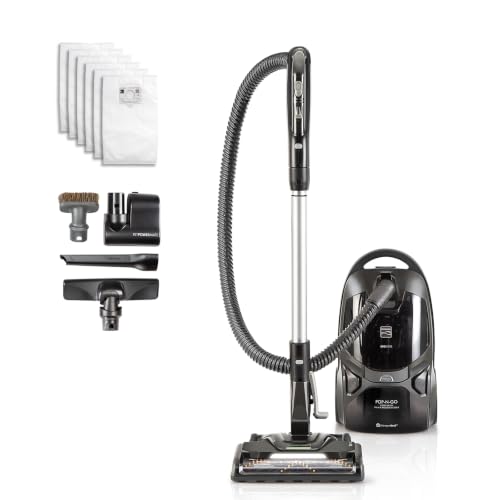
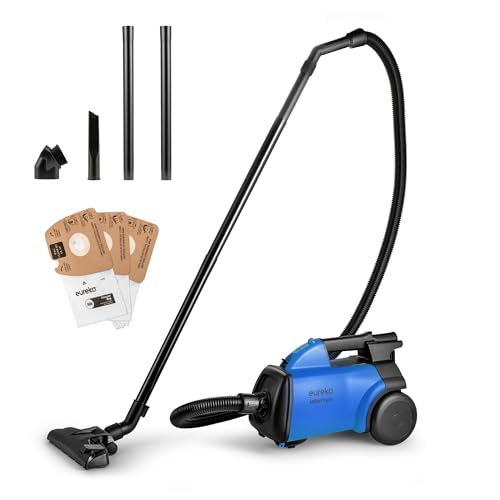
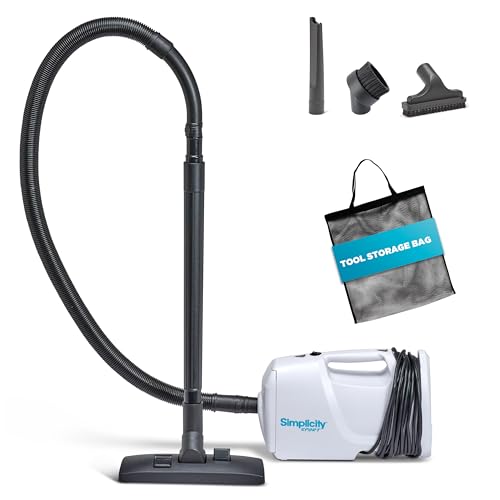
Use the product table below to see how current models cluster by price, then read the tier profiles to understand what each band normally delivers and what it leaves out.




What Each Budget Tier Delivers
Budget Tier Profile: Around $100 to $200
A budget canister at around $100 to $200 suits small homes, first apartments, and spare room duty. Expect a compact bagless body or simple bagged design, a combination floor head, and basic suction that handles low pile rugs and hard floors well. You usually give up a motorized brush head, sealed filtration, and quiet operation, and the hose and wand may feel light and plasticky. For a single low pile rug vacuumed weekly, that trade can be perfectly sensible. Just confirm the brush can be switched off or swapped for a suction only head if any of your rugs have fringe, because that one detail protects edges better than extra power would.
Midrange Tier Profile: Around $200 to $400
The midrange, around $200 to $400, is where most rug owners should shop. Typical machines add a motorized carpet head with height adjustment, a suction slider at the handle, better wheels, and filtration that traps far more fine dust. Bags or bins grow larger, cords grow longer, and attachments stop feeling like afterthoughts. This tier handles medium pile area rugs, stairs, and pet hair without drama, and spare parts are widely available. If your home mixes rugs with bare floors, a midrange model with a proper parquet head and a carpet head gives you the right tool for each surface instead of a compromise head that does both jobs poorly.
Premium Tier Profile: Around $400 and Up
Premium canisters at around $400 and up sell durability and refinement rather than a dramatic jump in raw pickup. You get a sealed HEPA system, a quieter insulated motor, metal wands, and a carpet head with strong edge cleaning and gentle action on delicate fibers. Warranties stretch longer, and brands in this band usually stock bags, filters, and belts for many years. This tier pays off for large homes, allergy concerns, expensive wool rugs, and anyone who keeps a vacuum for a decade. It makes less sense for a tiny flat with one synthetic rug, where the same money buys a midrange machine plus years of consumables.
What Your Money Gets You at Each Price Tier
Budget Tier: What to Expect
In the budget band, put every dollar toward the floor head and basic build quality. A decent combination head, a wand that locks firmly, and a cord of at least about twenty feet matter more than a digital display or extra nozzles. Filtration will be simple foam or paper, fine for many homes but not ideal for allergy sufferers. Expect to replace the machine sooner, perhaps in three to five years of regular use. Shoppers comparing general options can also see our wider guide to the best vacuums for rugs to see how canisters stack up against other formats at similar prices. Budget buying works best when your rugs are sturdy and your rooms are small.
Midrange Tier: The Sweet Spot for Most Buyers
Midrange money buys the features that change daily cleaning: adjustable suction, a motorized head that digs grit from pile, and tools that stay clipped to the body. Noise drops, the canister tracks behind you without tipping, and the machine still feels strong with a half full bin. This is also the first tier where anti tangle brush designs and washable filters become common, cutting your running chores. For homes whose rugs sit on top of wood, the guidance in our article on the best canister vacuum for hardwood floors and rugs helps you weigh head choices for both surfaces. Most buyers should start here and only move up for allergies or very large homes.
Premium Tier: When Spending More Pays Off
Spending more pays off when the machine protects something valuable, whether that is an heirloom rug, your breathing, or your time. Sealed filtration keeps fine dust out of the room air, precise suction control cleans silk blends and antique weaves safely, and a well built carpet head restores pile without beating it. Premium models also hold value in small ways: cords rewind smoothly after years of use, and hoses resist kinking. If you vacuum daily because of pets or kids, the stronger build spreads its cost over thousands of sessions. Judge premium claims by warranty length and parts availability, not by suction numbers alone.
Features Worth Paying For (and Ones to Skip)
Noise and Maintenance
Noise ratings around or below about seventy decibels make a real difference in flats and homes with sleeping children, and insulation is one thing midrange and premium money reliably buys. Maintenance costs deserve the same attention as the sticker price. Washable filters save money only if you actually wash them, while bagged designs trade a steady bag cost for cleaner emptying and steadier suction. Price a year of bags or filters for any model on your shortlist before you buy, and favor machines whose consumables are sold by several retailers rather than one source.
Features That Matter for Rugs
Rugs need a brush roll that agitates pile enough to release grit, plus the ability to stop that roll or lower suction for fringe and thin weaves. Pile height adjustment, or a head that floats well across different thicknesses, keeps the seal right as you move from a flat runner to a plush bedroom rug. Look for suction in a useful working range rather than a single blast, and check that the head seals on low pile without pushing debris ahead of it. Delicate oriental pieces need extra gentleness, which is why our guide to the best canister vacuum for oriental rugs focuses on control first. On sturdy synthetic rugs, you can trade some finesse for stronger agitation.
Vacuum Type (Upright, Canister, Stick, Robot, Handheld)
Format decides how a vacuum treats your rugs day to day. Canisters give you a light head and precise control at edges, uprights bring strong agitation but more weight on the pile, and sticks trade power and capacity for speed. Robots maintain surface cleanliness between real sessions, and handhelds handle crumbs and steps only. If most of your floor is rug, a canister or a good upright deserves your budget, with the canister ahead for mixed pile heights and furniture heavy rooms. Renters in small spaces may accept a stick as the main tool, provided the rug pile is low and the brush can be turned off for fringe.
Pet Hair Tools and Attachments
Pet hair is where attachment quality shows. A small motorized tool pulls embedded hair from carpeted stairs and rug edges far better than a plain upholstery nozzle, and an anti tangle main roll reduces the weekly ritual of cutting wrapped hair free. Expect these tools from the midrange upward, though some budget models include a surprisingly decent turbo brush driven by airflow. Check tool storage too, because a pet tool left in a drawer will not help during a quick clean before guests arrive. Homes with heavy shedding should budget for a spare filter set, since hair and dander load filters faster than ordinary dust.
Long Term Costs to Factor In
Total ownership cost is the purchase price plus bags or filters, belts, and the occasional brush roll over the life of the machine. A bagged midrange model might use about $30 to $60 of bags a year in a busy home, while a bagless rival needs filter replacements on a similar schedule if washable media wear out. Electricity use is minor by comparison, usually a few dollars a year. Warranty length is a cost signal too: a five year warranty suggests parts built to last, and brands that sell spares keep a machine useful long after the first belt snaps. Keep receipts and register the warranty, a two minute job that can save a full replacement later. For a second view of running costs across rug types, see our guide to the best canister vacuum for area rugs.
Frequently Asked Questions
What features matter most in canister vacuums for rugs?
Adjustable suction, a brush roll you can switch off, and pile height flexibility matter most, because rugs vary more than any other floor type. A sealed air path and a head that maintains contact on low pile come next. One point buyers miss is wand reach: a wand that extends comfortably lets you clean under sofas where rug edges collect grit, without kneeling or dragging furniture across the pile.
How often should I replace the filter?
Pre motor filters usually need washing or replacing about every three months, and HEPA exhaust filters about every six to twelve months, depending on pets and dust levels. Mark the date on the filter frame when you fit a new one. If suction falls and the bin is empty, check the filter before assuming the motor is failing, because a clogged filter is the most common and cheapest cause of weak pickup on rugs.
What type of canister vacuum is best for my home?
A midsize corded canister with both a carpet head and a hard floor head suits most mixed homes. Choose bagged if allergies or tidy emptying matter, and bagless if you dislike buying bags and clean often. Measure your storage space and your largest room before ordering, and compare cleaning radius rather than cord length alone. If you are still weighing formats, our overview of the best vacuum cleaner for rugs explains the trade offs in plain terms.
Is HEPA filtration necessary?
HEPA filtration is optional for many homes but genuinely useful when asthma, allergies, or heavy pet dander are part of daily life. Insist on a fully sealed system, since a HEPA filter in a leaky housing captures far less than the label implies. Budget models rarely seal well, which is one concrete reason to step up a tier if air quality is your main reason for buying a new machine.
Are cordless vacuums strong enough for carpet?
Modern cordless models clean low and medium pile carpet well for short sessions, but high power modes drain batteries in as little as about fifteen to twenty five minutes. Deep pile rugs still favor corded canisters, which hold full suction indefinitely. If your home is mostly rug, treat cordless as a convenience tool for quick passes and keep a corded machine for the weekly clean that removes grit from the pile base.
Wrapping Up
Decide your tier first, then check brush control, suction adjustment, and filtration within that band. Most homes land happily in the midrange, while delicate rugs and allergies justify premium spending and sturdy synthetic rugs forgive a budget buy. Compare your finalists in the product table above, and you will choose the best canister vacuum for rugs with a clear sense of what every dollar bought.