Best Canister Vacuum for Hardwood Floors and Rugs: A First Time Buyer's Guide for 2026
Disclosure: We may earn a commission when you buy through links on this page, at no extra cost to you. As an Amazon Associate I earn from qualifying purchases. Learn more

Mixed hardwood and rug floors need gentle heads and adjustable suction. Compare brush rolls, filtration and weight.
Buying your first canister vacuum for a home with both hardwood and rugs raises a fair question: how can one machine be gentle enough for wood and strong enough for pile? The answer lies in the floor head and suction control, not in raw power alone. This guide starts with the basics, explains each spec in plain English, and helps you choose the best canister vacuum for hardwood floors and rugs with confidence.
The product table below puts the leading options side by side with weight, filtration, and head types. If the terms are new to you, read the basics section first and the table will make much more sense.





Canister Vacuums 101: The Basics
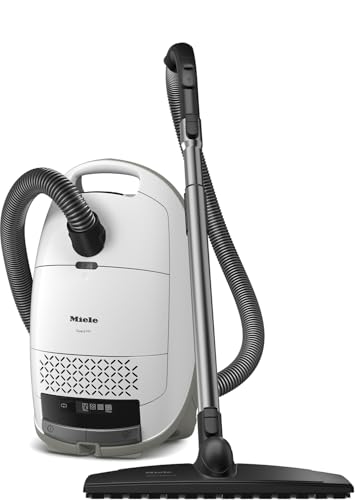
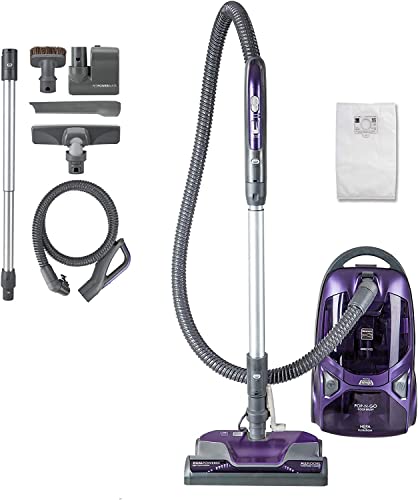
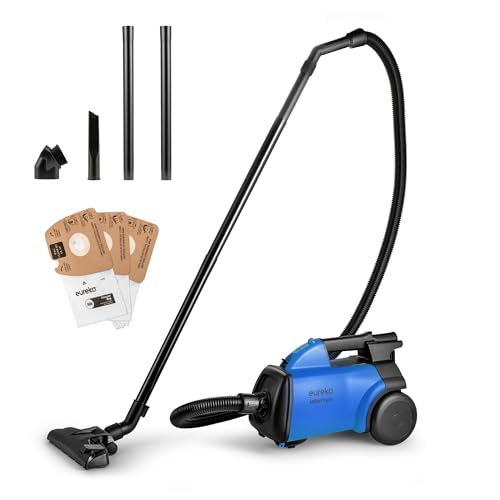
A canister vacuum splits the machine in two: a rolling body that holds the motor and the dust bag or bin, and a light wand with a floor head connected by a flexible hose. You pull the body behind you while the head does the cleaning, which is why canisters feel easy to steer around furniture and under low pieces. Suction travels through the hose to the head, where brushes or soft rollers lift dirt into the airstream.
A few basic terms will help you read any listing. The floor head is the part that touches your floors, and most canister sets include one head for hard floors and one for rugs, or a single combination head. The brush roll is the spinning brush inside a rug head. Filtration describes how well the machine traps fine dust instead of blowing it back out. Keep these three ideas in mind and the spec sections below will fall into place.
Key Specs Explained in Plain English
Features That Matter for Hardwood Floors and Rugs
Mixed floors demand two opposite skills from one machine. On hardwood, the head must glide without scratching and pick up fine dust and grit that can grind into the finish. On rugs, it must dig into pile and lift embedded dirt and hair. The bridge between the two is a brush roll you can switch off, or a dedicated soft roller head for wood, paired with suction you can raise and lower. Homes like yours are exactly why our guide to the best vacuums for rugs and hardwood floors focuses on head design first.
Vacuum Type (Upright, Canister, Stick, Robot, Handheld)
Each format has a home it suits best. Uprights favor wall to wall carpet, sticks favor quick daily passes, and handhelds favor crumbs and cars. Robots maintain bare floors between deeper cleans, and readers curious about that route can see our guide to the best robot vacuum for hardwood floors and rugs. A canister earns its place in mixed floor homes because swapping heads takes seconds and the light wand reaches under beds and sofas where dust gathers fastest.
Floor Types (Hardwood, Carpet, Area Rugs)
Hardwood wants a parquet head with soft bristles or a soft roller, never a stiff spinning brush, which can scatter grit and dull the finish over time. Low pile rugs accept most rug heads, while thick rugs need height adjustment so the head rides on top of the pile instead of sealing to it. Watch rug fringe: switch the brush off and approach fringe from the center of the rug outward, or skip fringe entirely with a small suction tool. Delicate oriental rugs deserve low suction and a test pass on a corner first. Our guide to the best vacuum for hardwood floors and area rugs adds more notes on delicate floor care.
Corded vs Cordless Runtime
Nearly all canister vacuums plug into the wall, and for a first purchase that is good news: suction stays at full strength from the first rug to the last, with no battery to fade mid clean. A cord of about 15 to 25 ft, plus hose and wand reach, often covers two or three rooms per outlet. The few cordless canisters trade that steady power for about 20 to 40 minutes of runtime. Choose corded unless your home has very few outlets or you plan only short, single room sessions.
Bin/Bag Capacity
Bagged canisters are the classic design: dust seals inside a bag you replace every month or two, which keeps emptying clean and suits dust sensitive households. Common bag sizes run about 1 to 4.5 liters. Bagless models use a clear bin you empty after each big clean, saving bag costs but asking you to wash filters more often. Mixed floor homes fill containers at a middle pace, since hardwood dust is light while rug grit is heavy. Either system works well; pick based on whether you prefer buying bags or washing filters.
Weight and Maneuverability
You carry only the wand while you clean, so the number that matters most is how smoothly the body follows. Look for large rear wheels that roll over rug edges and door thresholds, a hose that swivels at both ends, and a total weight of about 10 to 20 lb for stair carrying. A parking slot that holds the wand upright on the body keeps the set compact in a closet. Readers comparing head and wheel designs across similar machines may also find our guide to the best canister vacuums for hardwood floors helpful.
Rookie Mistakes to Avoid
- Using the rug head on hardwood: a spinning stiff brush can scatter grit across wood and wear the finish, so switch heads or switch the brush off.
- Judging by suction numbers alone: head design decides how much of that power reaches the floor, so weigh the floor heads as heavily as the motor.
- Running full suction on light rugs: the head seals down, the rug lifts, and cleaning stalls, so lower the suction or open the vent on the wand.
- Skipping the filter schedule: a clogged filter quietly cuts suction on every floor type, which new owners often blame on the motor.
- Forgetting the stairs test: a body that feels fine on flat ground can feel very different carried one handed, so check the handle and balance before buying.
Getting Started: Setup and First Use
Unpack slowly and lay out the body, hose, wand, and heads before you assemble anything. Click the hose into the body until it locks, slide the wand together, and fit the hard floor head first. Do your first pass on hardwood, because it teaches you the steering and the cord rhythm without the drag of pile. Then swap to the rug head, set the brush on, and clean one rug while adjusting suction until the head glides without lifting the rug.
Two habits protect your machine from day one. Empty the bin before it is full, or note the date you fit each new bag, because airflow fades as dust packs down. Wash or replace filters on the schedule in the manual and let washed filters dry completely, since a damp filter smells musty and clogs fast. Store the hose in a loose loop and park the wand on the body, and your first vacuum will feel ready every time you reach for it.
FAQs
What features matter most in canister vacuums for hardwood floors and rugs?
A brush roll you can switch off, a soft head for wood, and adjustable suction matter most. One feature new buyers often miss is a suction vent on the wand handle, which lets you ease pressure instantly when a light rug starts to lift. That small control saves constant trips back to the body dial and makes mixed floor cleaning feel smooth rather than fiddly.
Are cordless vacuums strong enough for carpet?
On low and medium pile, yes, for short sessions at high power. The catch is runtime: top settings can drain a battery in about 10 to 15 minutes, which suits one rug but not a full home. A corded canister holds full power for the whole clean. If your rugs are few and small, cordless can work; if rugs anchor several rooms, corded remains the safer first purchase.
How often should I replace the vacuum filter?
Plan on every 6 to 12 months for most canister filters, and rinse washable ones every 1 to 3 months. A quick way to judge: hold the filter to the light. If little light passes through after washing and drying, airflow is suffering and replacement is due. Pet hair homes should use the shorter end of every range, because fine dander loads filters faster than plain dust.
What type of canister vacuum is best for my home?
Choose bagged with sealed filtration if dust sensitivity runs in the household, bagless if you prefer no ongoing bag cost, and a motorized rug head if your rugs are medium or high pile. Mostly hardwood homes can pick a lighter body with a top quality parquet head. Our guide to the best vacuum cleaner for hardwood floors and rugs compares similar mixed floor options if you want a second view.
Is HEPA filtration necessary for a canister vacuum?
It is a strong plus rather than a must for most homes. HEPA filters trap the fine particles that rug brushing stirs up, which matters most for allergy and asthma households, and only in a sealed body does the rating apply to the whole machine. Everyone else can rely on good standard filtration with regular filter care. If a clinician has advised strict dust control at home, follow that advice when choosing.
Final Thoughts
For mixed floors, buy the heads first and the motor second: a gentle wood head, a capable rug head, and suction you can adjust will serve you every week. Use the product table above to compare those points across models, and you will end up with the best canister vacuum for hardwood floors and rugs for your home, your floors, and your routine.