Best Canister Vacuum for Area Rugs of 2026: Complete Buying Guide
Disclosure: We may earn a commission when you buy through links on this page, at no extra cost to you. As an Amazon Associate I earn from qualifying purchases. Learn more

Learn how to choose the best canister vacuum for area rugs with clear guidance on suction, brush rolls, filtration, weight, and everyday care.
Area rugs trap grit, pet hair, and crumbs deep in the pile, and the wrong vacuum either skims the surface or seals itself to the rug and refuses to move. A canister model solves much of this, because the weight sits on the floor while a light wand and head glide over the rug. This guide explains how to choose the best canister vacuum for area rugs for your pile heights and your home.
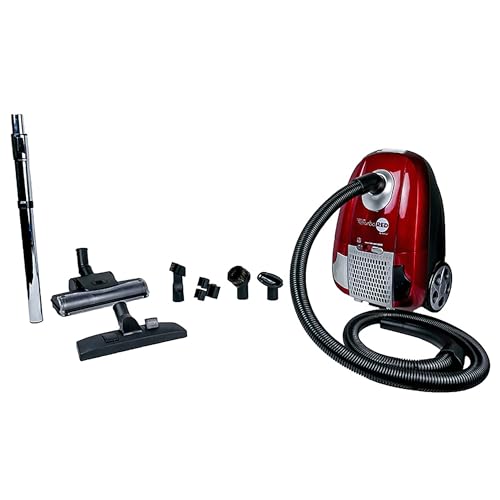
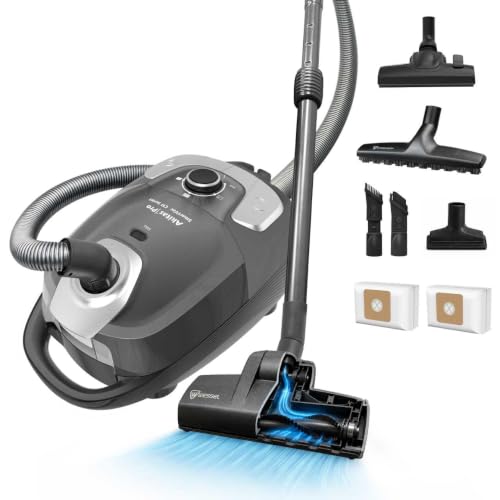
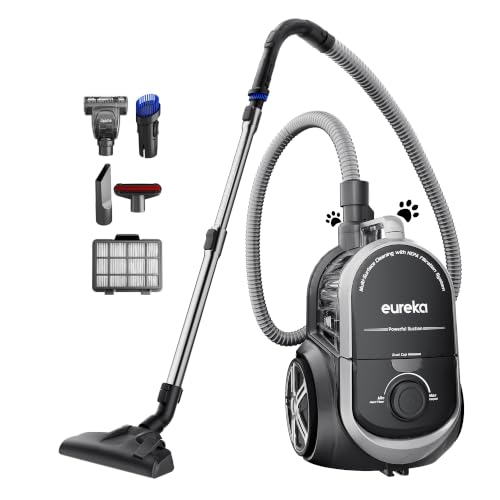
The product table below lists the models worth a closer look, with suction, weight, and filtration side by side. Read the buying guide first if terms like air watts are new to you.





Buying Priorities by Budget
Budget Level: The Essentials That Matter
At the budget level, spend on suction control and a proper rug head before anything else. You want a power head or a strong turbo brush that lifts debris from low and medium pile, plus a suction dial or vents so the head does not clamp onto thin rugs. Expect a corded body, a smaller bag or bin, and basic filtration. Skip fancy displays and extra attachments at this level. A simple machine with adjustable suction will clean more rugs well than a feature packed one that only works on a single pile height.
Midrange Level: The Versatile Middle
Midrange canisters add the features rug owners feel most: a motorized brush roll with height adjustment, sealed HEPA filtration, and a longer cord with automatic rewind. Height settings let one machine move from a flat weave runner to a plush living room rug without swapping heads. Larger bags or bins mean fewer stops mid clean. If your home mixes several rug types and some hard floors, this is usually the level where one vacuum finally handles the whole house instead of just one room.
Premium Level: Power With Control
Premium models pair strong motors with precise control: variable suction at the handle, brush roll speed settings, and quiet insulation that keeps noise civil during evening cleaning. Build quality rises too, with sturdier wands, better seals, and longer warranties. This level suits large homes, thick high pile rugs, and heavy pet hair loads. It is harder to justify for a small apartment with two thin rugs, where midrange control already covers the job and storage space matters more than extra power.
How to Choose the Best Canister Vacuums: Buying Guide
The right choice starts with your rugs themselves. Note each rug pile height, whether the backing is delicate, and how much pet hair lands daily, because those three facts drive every spec below. Keep them in mind as you read, and the best canister vacuum for area rugs for your home will narrow down quickly. Shoppers who want a wider view across vacuum styles can also read our guide to the best vacuum for area rugs before settling on the canister format.
Features That Matter for Area Rugs
Rugs need strong airflow at the head, a brush roll that agitates without shredding fibers, and suction you can lower for light or vintage rugs. Look for brush roll shutoff for delicate flat weaves and fringe, and edge cleaning along the sides of the head for baseboard lines. A head that rides smoothly over rug edges without folding them back saves time on every clean.
Vacuum Type (Upright, Canister, Stick, Robot, Handheld)
Canisters suit rug heavy homes because the separate body keeps the head light and the long hose reaches under sofas and beds where rugs often sit. Uprights push their weight through the head, which helps on wall to wall carpet but tires your arm on scattered rugs. Sticks and handhelds handle quick crumbs, and robots maintain surface dirt between deep cleans. For households comparing near identical formats, our guide to the best canister vacuum for rugs looks at rug focused models in a similar layout.
Corded vs Cordless Runtime
Most canister vacuums are corded, which means full suction for as long as you clean and no battery anxiety during a whole house session. Cord lengths of about 15 to 25 ft plus the hose reach let you cover several rooms from one outlet. Cordless canisters exist but trade runtime, usually about 20 to 40 minutes, for freedom from the cord. For large rug areas, corded power is the safer default; choose cordless only when outlets are scarce or the home is small.
Bin/Bag Capacity
Bagged canisters hold about 1 to 4.5 liters depending on size, trap dust neatly, and suit allergy sensitive homes because disposal seals the dirt in. Bagless models save the cost of bags but need filter washing and can puff dust when emptied. Rug cleaning fills containers faster than hard floor work, since pile releases a steady load of grit and hair. If you vacuum several large rugs weekly, favor the larger end of the range so suction stays strong through the whole job.
Weight and Maneuverability
The body weight matters less than how the machine moves, because the canister rolls behind you. Still, totals of about 10 to 20 lb decide how easily you carry it up stairs. Large rear wheels roll over rug edges and thresholds without tipping, and a wand that parks on the body keeps storage tidy. Test the hose swivel in your mind: a head that turns flat slips under low furniture, which is where rug edges collect the most hidden grit.
Noise and Maintenance
Canisters are usually quieter than uprights because the motor sits away from your feet, with many models running around 65 to 75 dB. Maintenance is simple but steady: empty or change the bag before it packs full, rinse or replace filters on schedule, and clear hair from the brush roll monthly. Budget for bags and filters each year, roughly the cost of a few takeout meals, and keep spare bags at home so a full bag never forces you to skip a cleaning day.
Suction Power and Airflow (AW, Pa)
Air watts (AW) combine suction and airflow and give the fairest single number for cleaning power; many strong canisters land around 200 to 400 AW at the motor. Pascal (Pa) figures describe sealed suction, which helps on deep pile but says little about how much air moves through the head. For rugs, airflow at the head matters most, because moving air carries grit out of the pile. Treat headline numbers as a range check and weigh brush design and suction control just as heavily.
Canister Vacuums vs Other Options
Upright Vacuums
Uprights put the motor and bin in one tall body you push, and their wide heads cover open carpet quickly. They store in a closet corner without hose management. On scattered area rugs they feel heavier to steer and can bunch thin rugs. Choose an upright if most of your floor is carpeted wall to wall, and a canister if rugs sit on hard floors, as covered in our guide to the best vacuum for hardwood and area rugs.
Handheld Vacuums
Handhelds are grab and go tools for crumbs, car mats, and one stair tread at a time. Their small bins and short runtime rule them out as a main rug cleaner. They pair well with a canister as the quick fix between deep cleans. If most of your messes are small and local, a handheld may cover daily life, but it will not pull grit from rug pile the way a full size head can.
Cordless Stick Vacuums
Sticks mount the motor at the hand and swap heads for floors and rugs, and they shine for fast daily passes. Battery limits and smaller bins mean large rug areas take two sessions or a recharge pause. Their rug heads also tend to be lighter, which can mean less agitation on thick pile. Our guide to the best stick vacuum for area rugs suits readers whose homes favor quick, frequent cleaning over deep weekly sessions.
Carpet Cleaners and Steam Cleaners
Carpet and steam cleaners wash fibers with water and solution, lifting stains and ground in soil that dry vacuuming leaves behind. They complement a vacuum rather than replace it, and most rug owners use one a few times a year. Always dry vacuum first, check the rug label for wash safety, and test solution on a hidden corner. Delicate, antique, or natural dye rugs belong with a professional cleaner instead.
Care and Maintenance Tips
- Empty the bin before it is full: airflow drops as dust packs in, so empty bagless bins at about two thirds full and swap bags when they feel firm.
- Wash or replace filters on schedule: a clogged filter strains the motor and weakens suction, so follow the maker intervals and let washed filters dry fully.
- Cut hair off the brush roll: wrapped hair lifts the brush away from the pile and can strain the belt, so clear it with scissors monthly.
- Test carpet cleaners on a hidden spot first: solutions can fade dyes, so wait ten minutes on a corner before treating the whole rug.
- Store the hose relaxed: tight kinks stored for months can crack the hose lining, so loop it loosely on its hook.
For a broader look at similar machines and attachments, our guide to the best vacuum cleaner for area rugs compares cleaning styles across formats.
Frequently Asked Questions
What features matter most in canister vacuums for area rugs?
Adjustable suction, a brush roll matched to your pile height, and strong airflow at the head matter most. A detail many guides skip: check the underside of the head for smooth wheels and soft bumpers. Rough wheels can snag loop pile and pull threads, so a gentle head design protects the rug while the brush and airflow do the cleaning.
Are cordless vacuums strong enough for carpet?
Many cordless models clean low and medium pile well on their highest setting, but that setting drains the battery in as little as 10 to 15 minutes. For one or two rugs, that is plenty. For a house full of rugs, a corded canister gives the same top power for a full session. Judge cordless claims by runtime at high power, not by the gentle eco mode figure.
What type of canister vacuum is best for my home?
Match the type to your floors: bagged with HEPA filtration for allergy concerns, bagless for lower running costs, and a motorized power head for medium and high pile rugs. Homes with mostly delicate flat weaves do better with a suction only head. If stairs dominate your routine, weigh the body and handle comfort as heavily as suction, because you will carry it every single clean.
How often should I replace the vacuum filter?
Most canister filters last about 6 to 12 months, with washable ones rinsed every 1 to 3 months in busy homes. A gray filter that stays dull after washing, or a musty smell during use, signals replacement time. Pet homes sit at the short end of every interval. Keeping one spare filter means the machine never sits idle while a washed filter dries for a full day.
Is HEPA filtration necessary for a canister vacuum?
HEPA filtration helps most when someone at home has allergies or asthma, because it traps fine dust and pollen the brush kicks up from rug pile. It only works fully in a sealed system, so check that the body seals are rated as well as the filter itself. Others can do fine with good standard filtration. Anyone with a diagnosed respiratory condition should follow their clinician guidance on home dust control.
The Bottom Line
Choose by pile height first, suction control second, and filtration third, and the rest of the spec sheet becomes easy to read. Compare the product table above against your rug list, and you will find the best canister vacuum for area rugs for your home without paying for power or features your floors never needed.