Best Can Opener for Camping (2026): A Buying Guide
Disclosure: We may earn a commission when you buy through links on this page, at no extra cost to you. As an Amazon Associate I earn from qualifying purchases. Learn more

Choose the best can opener for camping by grip, rust resistance, safety, and pack size for car camps and backpacking.
Picture dinner at the campsite. The fire is going, everyone is hungry, and the can of beans will not open because the cheap opener in your bin bends at the handles and skips around the rim. The best can opener for camping earns its space by working with cold hands, on a wobbly picnic table, with no outlet in sight.
This guide helps you choose by trip style, group size, and budget, and the comparison table below sums up the main types side by side. If you also want a stronger opener for daily kitchen use, our roundup of the best can opener options for home counters is a useful companion read.


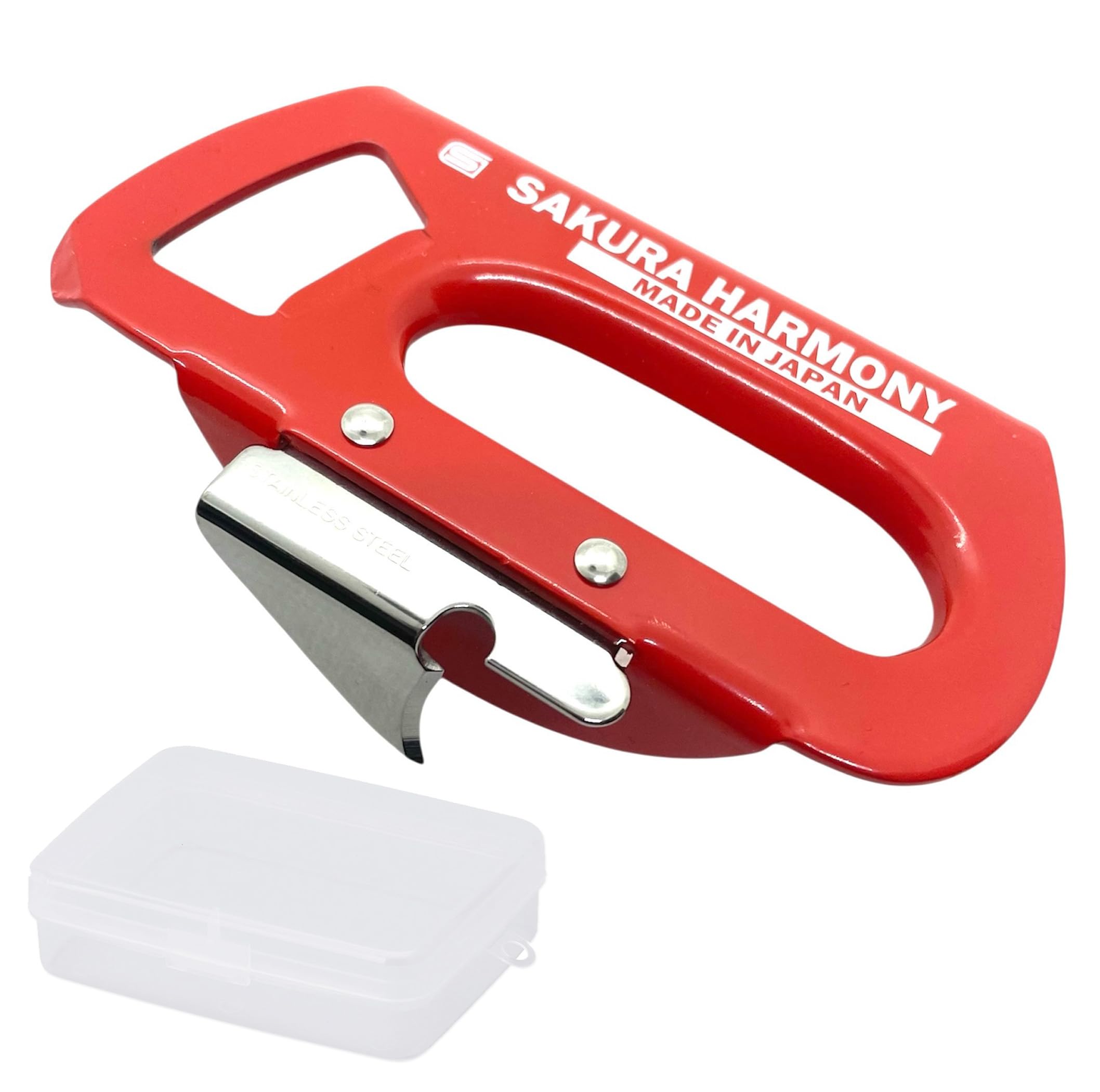

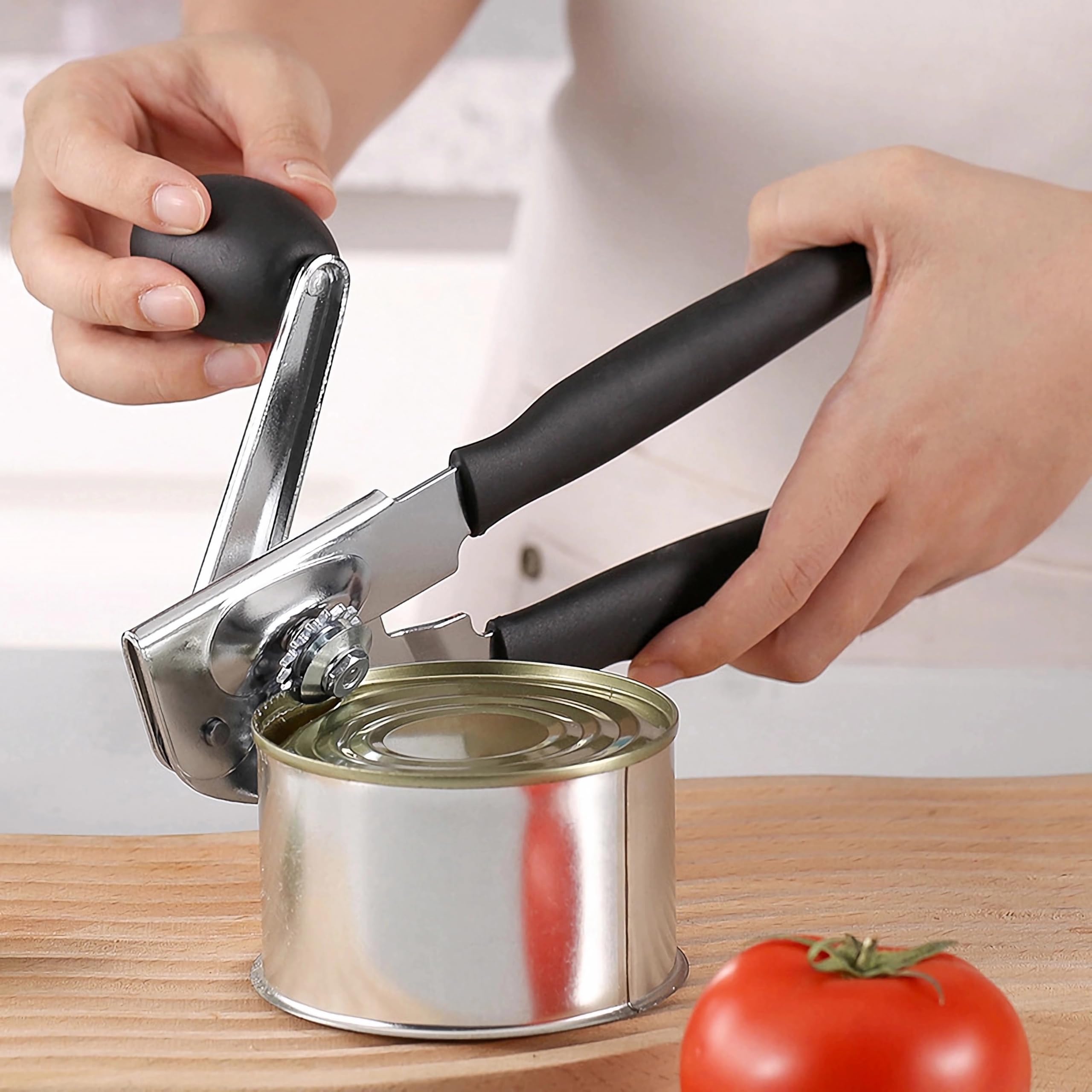


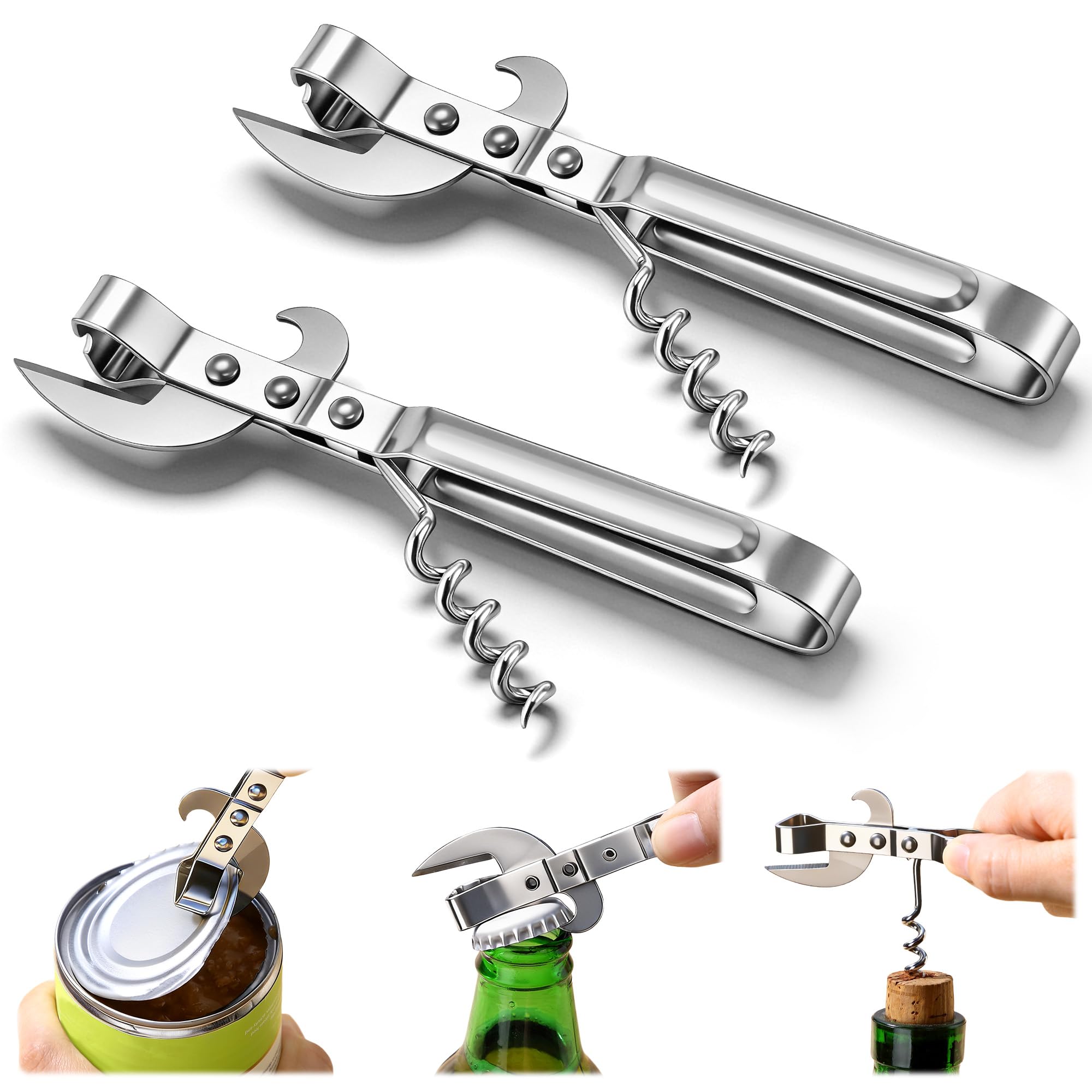

Quick Answer: Three Types That Earn a Place in the Camp Bin
Short on time? Three types cover nearly every camping style. A classic swing handle manual opener is the default for car camping, since it is fast, strong, and easy to replace. A smooth edge safety opener suits family trips, because the lid lifts off without a sharp edge. A compact folding opener or a church key style tool suits backpackers, where every ounce and inch of pack space counts.
- Car camping and base camps: a full size manual opener with a turning knob you can grip in gloves.
- Family campsites: a smooth edge model that drops the lid straight into the trash bag.
- Backpacking and emergency kits: a tiny folding opener that rides in a cook kit and asks for patience instead of space.
Before You Buy: A Checklist for the Best Can Opener for Camping
Which Type Fits Your Routine
Start with how you actually camp. Car campers can carry a full size manual opener and will use it several times a day, so comfort and speed matter most. Backpackers open a can rarely, so a folding opener that weighs almost nothing makes sense even though it works slowly. Battery powered models exist if grip strength is limited, and our guide to the best automatic can opener explains that route, but cold weather drains batteries and a dead unit at camp is dead weight. For most campers, muscle power is the reliable power source.
Grip, Leverage, and Cold Hands
Camping changes the simple act of turning a knob. Fingers get cold, gloves come out, and can labels get damp and slippery. Look for a large turning knob with ridges, handles long enough for real leverage, and a cutting wheel that bites the rim on the first squeeze instead of skating across the lid. A crank style handle can help if your hands tire quickly, since the turning motion uses your whole hand rather than your fingertips. If weak grip is part of your camping life, test the squeeze force at home before the trip.
Materials and Food Safety
Stainless steel cutting wheels and gears resist rust far better than plain carbon steel, and that matters when gear lives in a damp bin or a humid car trunk between trips. A plated finish can look fine in the store and still pit after a season of wet storage. Food safety is mostly about cleanliness at camp. The cutting wheel touches food every time you open a can, so choose a design you can wash fully, with no hidden folds where bean sauce dries out of reach. Smooth handles with few seams rinse clean under a camp tap.
Cleaning Without a Dishwasher
At home you might toss the opener in a dishwasher, but camp cleaning is a basin, a brush, and limited water. The gears and wheel need a quick scrub right after use, because dried tomato sauce hardens overnight and makes the next can a fight. Our step by step guide on how to clean a can opener walks through the full routine, including the gear teeth most people skip. At camp, wash it with the dinner dishes, shake off the water, and dry it on a towel before it goes back in the bin.
Realistic Budget Ranges
Price bands for camping openers are modest, and spending more mainly buys better steel and a sturdier build. Basic folding and simple manual models cost about $5 to $15 and suit occasional trips. Sturdier manual and smooth edge models run about $15 to $30 and are the sweet spot for regular campers. Premium manual openers with heavy frames cost about $30 to $50 and make sense for scout leaders and anyone opening cans for a crowd every weekend.
Three Styles Worth Packing, Compared
Classic Swing Handle Manual Openers
This is the opener most camp kitchens settle on. The handles swing open, the wheel clamps the rim, and a turning knob walks the cut around the lid in seconds. It handles everything from small tomato paste cans to big family size bean cans. Shoppers comparing shapes will find most of them in our guide to the best handheld can opener styles for home use, and the camping case for them is simple. No batteries, no charging, and a replacement in any small town store if yours goes missing.
Smooth Edge Safety Openers
A smooth edge opener cuts along the side of the rim instead of the top of the lid, so the lid lifts off with a smooth edge you can touch without worry. That design shines at family campsites. Kids can carry the lid to the trash bag safely, the lid can rest back on the can as a loose cover while you cook, and there is no sharp disc dropping into the food. The tradeoff is technique. The motion feels odd at first, the opener must sit flat on the rim to start, and thick rimmed cans can take a second pass.
Compact Folding and Church Key Styles
The smallest option is the folding opener that has ridden in cook kits for generations. It is a flat piece of steel with a hooked blade, and you rock it around the rim one small bite at a time. It is slow, it leaves a jagged edge, and it still opens any can when nothing else is packed. A church key style tool adds a pointed end for cans that need a vent hole and a flat end for prying lids. Pack either style as a backup, and treat it as insurance rather than your main opener for a week of family meals.
Living With It: What Really Matters at the Campsite
The best camping opener disappears into the routine. It lives in the same bin as the plates, opens dinner without a discussion, and goes home clean.
Practice once at home before the first trip, since a new smooth edge model or folding tool feels clumsy until your hands learn it. Our plain language walkthrough of how to use a can opener helps if anyone in your group has only used an electric model at home. Pack out every lid you cut. Sharp lids loose in a trash bag are a cut waiting to happen, and wildlife areas ask you to leave the site cleaner than you found it.Think about your menu, too. A weekend of fresh food might need the opener once, while a pantry based menu for a large group might need it ten times a day. Group leaders should also plan for dented cans, which ride in bins for weeks and arrive with bent rims. A sturdy manual opener with a fresh wheel handles a dented rim far better than a tiny folding tool.
Common Buying Mistakes to Avoid
- Packing the kitchen electric opener: it needs an outlet or fresh batteries, and one damp night in the bin can end its life.
- Choosing the smallest opener for group cooking: a folding tool opening six cans turns dinner prep into a slow, sore handed chore.
- Ignoring rust until the wheel sticks: a rusted cutting wheel tears lids instead of cutting them and can leave metal flakes on the rim.
- Buying for the price tag alone: the cheapest stamped steel handles flex on thick cans, so you pay twice when it fails mid trip.
- Forgetting the trash plan: sharp top cut lids loose in a day pack are a hazard, so match your opener style to how you carry waste out.
Cost of Ownership and Care
A manual camping opener has almost no running cost. There are no batteries to replace, no cables to pack, and no parts that wear out quickly besides the cutting wheel.
A good opener should serve for years of trips if you keep the wheel and gears clean and dry them before storage. Store it in a small cloth pouch so the wheel does not knock against pots and dull its edge. If the wheel finally dulls and the opener starts skipping, replacement is the honest fix, and the old one belongs in metal recycling.FAQ
What is the best can opener for camping?
For most campers, a sturdy manual swing handle opener made with stainless steel parts is the strongest all around answer, and the product table above shows how the styles stack up. It needs no power, opens every common can size, and survives damp storage better than plated budget models. Backpackers are the exception. If pack weight rules your choices, accept the slower pace of a folding opener instead.
Can a camping can opener handle large cans for group meals?
Yes, as long as it has enough leverage. Large cans for group cooking have wide rims and thick lids, and a full size manual opener with long handles turns that size comfortably. Small folding openers can do it in an emergency, but the rocking motion over a long rim is slow and hard on your thumb. If you regularly cook for eight or more people, check that the wheel still turns freely before the trip, since a half dull wheel struggles most on big cans.
How do I stop a can opener from rusting in a damp camp bin?
Dry it fully before it goes back in the bin, every single time. Water trapped between the wheel and the gear is where rust starts, so flick the handles a few times to shake drops loose, then wipe the head with a dry towel. Storing it inside a small dry pouch with the utensils, rather than loose at the bottom of a bin that collects condensation, keeps it drier between trips than any coating will.
Is a smooth edge can opener safer around kids at a campsite?
It removes one real hazard, since the lid it lifts off has no sharp edge and children can carry it to the trash without the usual warning. It does not make the task child proof. The can still needs an adult grip, the food inside can be heavy, and the opener needs steady pressure to start the cut. Let kids help with carrying and sorting, and keep the actual opening in adult hands.
Should I pack a spare can opener on a group trip?
On a group trip, yes, and the spare can be tiny. A folding opener or a church key tool weighs almost nothing and turns a lost main opener from a ruined dinner into a two minute delay. Keep the spare in a different place from the main one, such as the repair kit, since a backup stored in the same bin tends to vanish on the same trip. Solo campers on short trips can skip the spare and simply check the main opener before leaving home.
Final Thoughts
Match the opener to the trip. Car campers should pack a sturdy manual model, families should favor a smooth edge design, and backpackers should carry the tiny folding tool. Whichever style you pick from the product table above, wash it, dry it, and keep it in the same spot in the bin. Chosen well, the best can opener for camping is a small, cheap piece of gear that quietly saves a meal on every trip.