
Best Ceramic Pie Weights (2026): Buying Guide
Disclosure: We may earn a commission when you buy through links on this page, at no extra cost to you. As an Amazon Associate I earn from qualifying purchases. Learn more
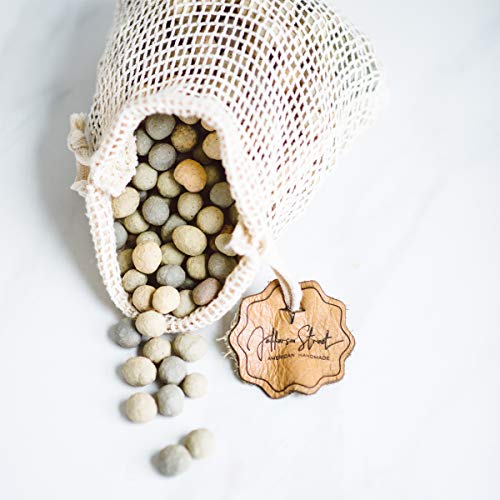
Choose the best ceramic pie weights for blind baking: compare beads, balls and discs by coverage, dish size, glaze and care for crisp, well shaped crusts.
Blind baking a crust without support often ends with puffed centers and sides that slide down the dish, and best ceramic pie weights give home bakers a simple way to hold the shape while the crust sets. They sit inside a lined crust, spread heat evenly, and stop steam from lifting the base before filling goes in. This guide compares the main forms, sizes, and materials so you can match a set to your pie dishes and baking habits, and a quick table below sets out the main differences, while the product table lists current sets.
The right amount, bead size, and lining method matter more than a fancy container or a high price. The sections that follow explain who benefits most, how the types differ, and how to care for a set.
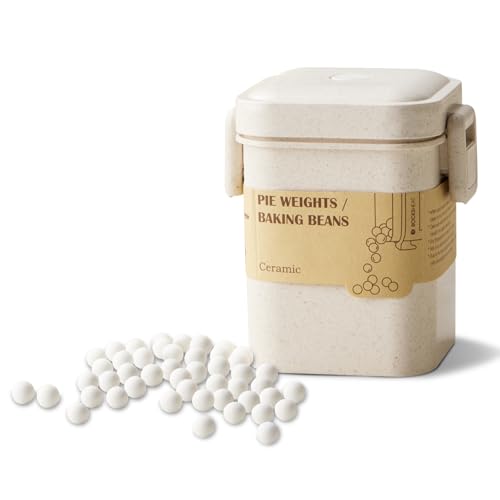

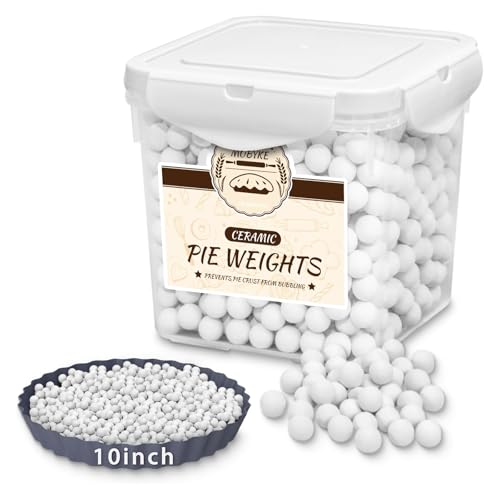
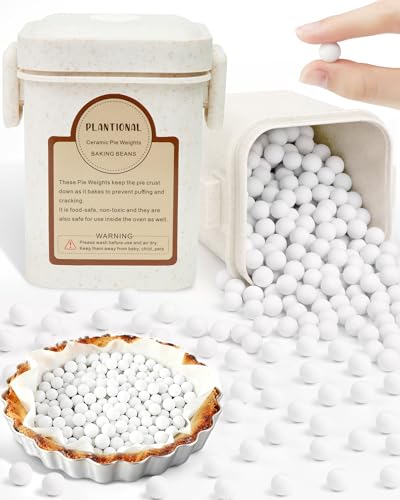
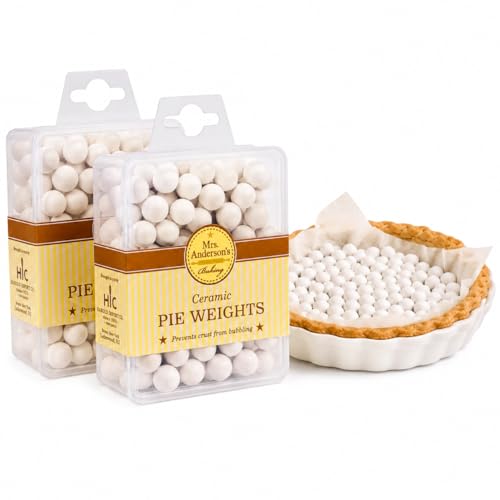
Who Should Buy Which Ceramic Pie Weights
Regular Pie Bakers
If you bake pies most weeks, a generous set earns its place quickly. You want enough weight to cover the base and reach partway up the sides of your largest dish, plus a container that makes storing simple. A durable glaze matters here, because frequent washing wears a thin finish down.
Occasional Holiday Bakers
If pies appear mainly at holidays and family gatherings, a smaller set may serve you well. Choose a size that fits your most used dish rather than buying for every dish you own. A compact set stores neatly in a cupboard and still gives a crisp base for pumpkin, pecan, and custard style pies that need a fully baked shell.
Bakers With Deep or Large Dishes
Deep dish and large diameter pies need more coverage than a standard set may provide. Look for a set sold by weight or volume that states the dish sizes it covers, and be ready to buy a second set if one bag leaves bare patches. Bare spots let steam lift the crust, so full coverage matters more than bead shape alone.
Types of Ceramic Pie Weights Compared
The table below compares the common forms by best use, strengths, drawbacks, and typical price. Use it to narrow the choice, then read the detail under each type before deciding.
| Type | Best For | Pros | Cons | Typical Price |
|---|---|---|---|---|
| Small ceramic beads | Standard and fluted crusts | Settle into edges and corners | Take longer to pour out and sort | around $15 |
| Large ceramic balls | Deep dishes and quick handling | Easy to pour, count, and store | May leave small gaps in fluted edges | around $18 |
| Ceramic discs and stones | Flat bases and tart shells | Even weight across a flat base | Less flexible around curved sides | around $20 |
Small Ceramic Beads
Small beads flow like dry beans and settle into every curve of a fluted edge, which makes them a strong choice for decorative crusts. They spread weight evenly across the base and help the sides hold their shape while the dough firms up. Their main drawback is handling: pouring them out of a hot dish takes care, and a few beads can hide in folds of parchment if you rush the job.
Large Ceramic Balls
Large balls are easier to handle than small beads, especially when the dish is still hot. You can pour them out in seconds, count them quickly, and spot any that rolled onto the counter. They work well for deep dishes, where their size helps them stay in place instead of shifting toward the center as the crust bakes.
The trade off is fit around tight curves. A large ball cannot press into a narrow fluted edge as neatly as a small bead, so nudge a few pieces into place with a spoon. Choose balls with a thick glaze and uniform size so heat spreads evenly.
Ceramic Discs and Stones
Discs and flat stones lay across the base in a neat layer and give steady, even pressure where a crust is most likely to puff. They suit tart shells and shallow dishes with a flat base, where coverage matters more than filling every curve. Many bakers like them because they are easy to lift out in a few pieces and simple to wipe clean.
On curved sides, discs need a good lining method, since a flat piece cannot bend around a slope. Pair them with parchment pressed well into the dish, and add beads at the edge for a tall or fluted rim.
Small Beads Versus Large Balls: Which Should You Choose
When you pick the best ceramic pie weights, choose small beads when your crusts have fluted or decorative edges and you bake in standard size dishes. Choose large balls when you bake deep dishes often, want fast cleanup, or find small pieces fiddly to handle. Discs win for flat tart shells and for bakers who value simple storage and quick removal. Price differences between the forms are usually small, so fit and handling should drive the choice more than cost alone.
How to Choose the Right Ceramic Pie Weight
Amount and Coverage
Coverage is the first number to check. A set should cover the base and reach partway up the sides, with no bare patches where steam can lift the dough. Measure your dishes across the top before ordering, and when in doubt buy a little more weight rather than a little less.
Bead Size and Heat Spread
Smaller pieces spread heat across more contact points, which helps a crust bake evenly and reduces puffing in the center. Larger pieces hold heat well but leave slightly larger gaps, so they suit deep dishes where weight matters more than fine detail. A uniform piece size keeps heat spread even across the base.
Material and Durability
Ceramic weights should feel solid, with a smooth glaze that resists chips and stains. Inspect new sets before first use and retire any piece with a deep crack, since a chipped piece can trap dough. Thicker glaze and a dense body usually last longer than thin, light pieces.
Cleanup and Storage
Smooth glazed pieces wipe clean after cooling, while rough pieces may hold grease and flour in small pores. Store weights in a dry lidded container, away from damp cupboards, so they do not pick up odors. Keep small pieces away from children, since loose beads can be a choking hazard.
Setup and Care Tips
Line the chilled crust with parchment before adding weights, pressing the paper into the edges so it supports the sides. Fill evenly, then bake until the edges set before lifting the parchment and weights out for final browning. Let weights cool fully before handling, and never leave hot items unattended where children or pets can reach them.
- Use parchment rather than foil for a cleaner release and less tearing at the edges.
- Chill the lined crust briefly before baking so the sides hold their shape better.
- Wipe weights clean after cooling and check for chips before each use.
- Store weights dry in a lidded container to keep them clean and easy to pour.
- Replace any cracked or deeply chipped piece instead of baking with it again.
Frequently Asked Questions
Are ceramic pie weights better for beginners than other pie weight types?
Yes, ceramic pie weights suit beginners well because they are simple to use and forgiving of small mistakes in amount. You line the crust, pour in the weights, and bake, with no special skill needed beyond measuring your dish size first. They also reuse well, so a beginner does not need disposable supplies for each pie.
Do ceramic pie weights need parchment paper underneath them?
Yes, parchment paper under ceramic pie weights makes removal far easier and protects the crust surface from marks. Press the parchment into the dish so it reaches above the rim, which gives you handles to lift the weights out once the edges set. Without a lining, beads can stick to soft dough and leave dents that show after baking.
How much ceramic pie weight do I need for each pie size?
The amount you need depends on dish diameter and depth, not on a single fixed number for every pie. A standard 9 inch dish usually needs enough beads to cover the base and climb partway up the sides in a single even layer. A deep dish or a 10 inch dish needs noticeably more, so check the coverage stated for the set before buying.
How long do ceramic pie weights last with regular use?
Ceramic pie weights can last for many years when they are stored dry and handled with care after cooling. Retire pieces with deep chips or cracks, since damaged glaze can trap food and may break further in heat. A set kept dry in a lidded container usually outlasts several other baking tools.
Can ceramic pie weights be used for baking other than pies?
Yes, ceramic pie weights can support any lined crust or shell that needs to hold its shape during blind baking, including tart shells and savory pastry cases. Avoid using them as a general oven weight for bread or roasting, since their shape suits pastry cases best. Clean and dry them fully after each use so they stay ready for the next pastry.
The Bottom Line
The best choice comes down to coverage, bead size, and handling, not to price alone. Small beads suit decorative edges, large balls suit deep dishes and fast cleanup, and discs suit flat tart shells with simple storage. Measure your dishes, buy enough weight for full coverage, and choose a smooth, durable glaze that will survive many baking seasons. With those points covered, best ceramic pie weights become a reliable tool for crisp, well shaped crusts, and the product table above can help you compare the main forms side by side before you buy.


