
Best Can Opener for Arthritis (2026): A Buying Guide
Disclosure: We may earn a commission when you buy through links on this page, at no extra cost to you. As an Amazon Associate I earn from qualifying purchases. Learn more
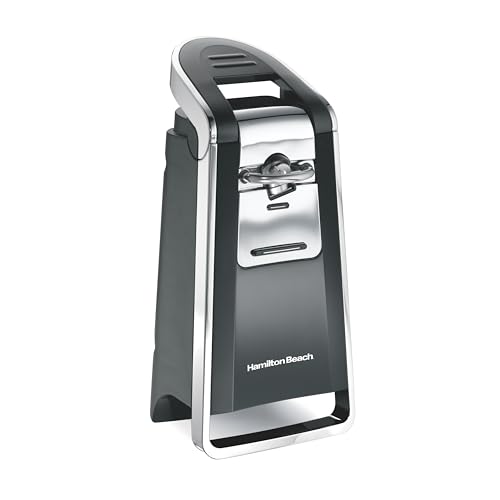
Choose the best can opener for arthritis by the hand motion it removes, from electric one press models to large grip manual types.
It is a small moment that can stall a whole meal. You have soup simmering, a can that will not budge, and hands that hurt when you squeeze or twist a small metal handle. Choosing the best can opener for arthritis is less about gadgets and more about opening that can without pain and without asking for help.
This guide sorts your options by counter space, how many people you cook for, and what you can spend. Use the comparison table below to see the main types side by side, then work through the checklist. If you want the wider picture first, our guide to the best can opener covers every common style.

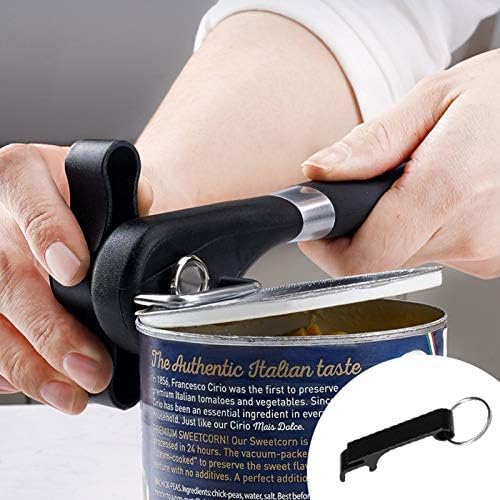
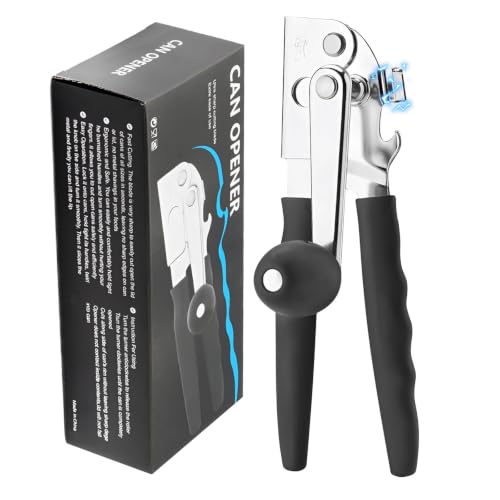
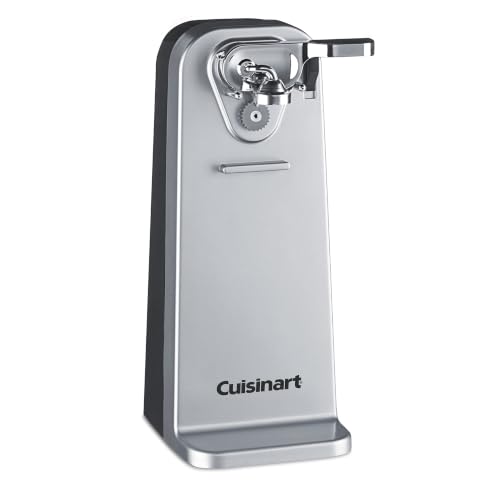

Quick Answer: Three Types in 30 Seconds
There is no single best can opener for arthritis for every hand, because hands differ in grip strength, stiffness, and which motion hurts most. If squeezing and turning both hurt, choose a powered type. If you can squeeze but not twist, choose a manual type with large handles and a large knob. If sharp lid edges worry you, choose a smooth edge type that lifts the lid away cleanly.
Start with the motion you can do on a bad morning, not on your best day. That test narrows the field fast.
Before You Buy: A Checklist for the Best Can Opener for Arthritis
Work through the points below in order. Type comes first, because type decides how much force your hands must supply. Materials, washing, and budget matter next.
Which Type Fits Your Routine
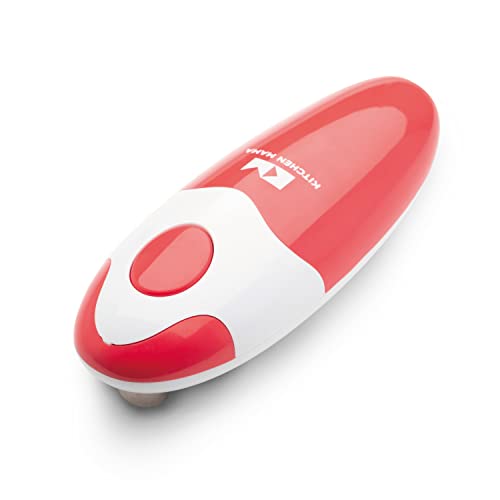
Manual openers are light, cheap, and easy to store, but they ask the most from your hands. A handheld model needs a firm squeeze to bite the rim and a steady turning motion, so it suits you only if your grip is still fairly strong. Smooth edge and safety models cut along the side, leaving a dull lid edge you can lift without pinching thin metal. They still need hand force, though larger handles and a wider knob spread pressure across your palm.
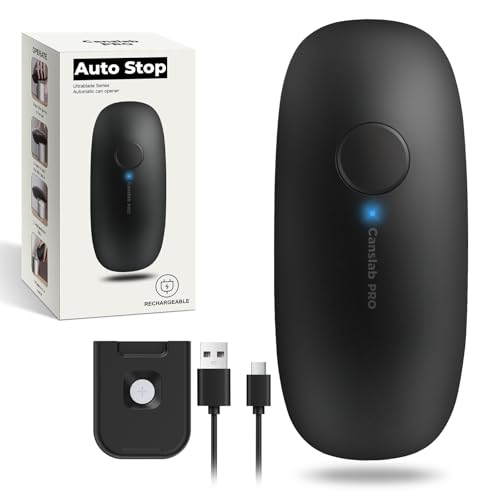
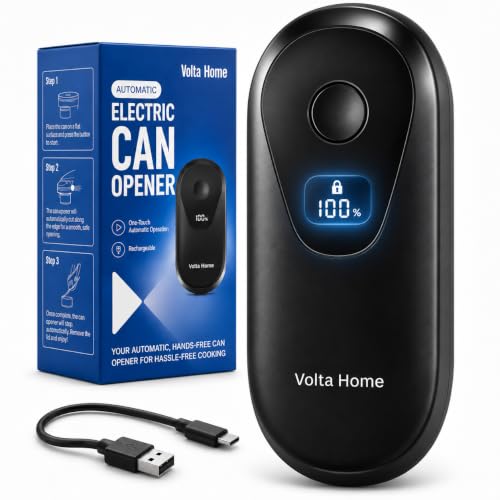
Electric and automatic models do the cutting once you lock the can in place and press a button or lever. A countertop electric model suits a home where cans are opened most days, and a compact battery operated model suits small kitchens. If you have almost no grip on flare days, look at the best automatic can opener styles that start, cut, and stop with one press. Under cabinet models save counter space but need mounting and a clear swing path for doors.
Materials and Food Safety
Look for solid steel in the cutting wheel and gears, rather than thin stamped metal that can flex and skip. A wheel that stays true cuts in one pass, which means fewer restarts and less repeated squeezing for you. Handles should feel firm without sharp seams, and plastic that touches food should be smooth, with no deep texture where sauce can lodge. A lid magnet matters too, since it holds a cut lid up so you do not have to fish it out with sore fingers.
Dishwasher Safe or Hand Wash
Many manual openers carry a hand wash label for a practical reason. Dishwasher heat and detergent can dull a cutting wheel and push water into the gear joint, where rust can start and make turning harder. If scrubbing at a sink also hurts your hands, favor a powered model whose head wipes clean or a manual model the maker clearly rates for dishwasher use. Dry the wheel and gears right after washing.
Realistic Budget Ranges
Prices stay modest, with most options at about $10 to $50, and spending more mainly buys less hand effort rather than a better cut.
- Under $15: simple manual models with basic handles, fine if your grip is decent and you open few cans each week.
- About $15 to $25: manual models with larger cushioned handles and wider knobs, plus basic battery operated models.
- About $25 to $50: countertop electric models and stronger smooth edge designs, with sturdier gears and lid magnets.
Set your tier by the motion you need to avoid. Money spent on bottle openers and sharpeners built into the housing rarely changes daily use.
Three Types Worth Comparing for Arthritic Hands
Instead of single models, compare the three types below. Each one removes a different painful motion, so the right choice depends on which motion limits you most.
Electric and Automatic Models for Most Homes
For most homes, a powered model is the safest starting point because it removes both the squeeze and the turn. You place the can, press a button, and the motor walks the wheel around the rim while a magnet holds the lid. This suits you if mornings bring stiff knuckles, if both hands are affected, or if you open cans most days. The trade off is size and power, since a countertop unit needs an outlet and room, and a battery unit needs fresh batteries. Readers who prefer to carry the opener to the can can also compare the best handheld can opener styles in this group.
Manual Models With Large Handles for Best Value
A manual model with oversized handles is the value choice when your grip works but a thin handle and a small knob cause the pain. Look for handles long enough for all four fingers, a soft surface that does not slide when damp, and a knob you can turn with your palm heel as well as your fingers. This type costs the least and has no cord or battery. The trade off is effort on large cans, where a long rim means more turns, so test it on the biggest can you buy often.
Smooth Edge Safety Models for a Long Term Investment
A smooth edge model cuts the lid free from the side, so the edge you touch stays dull and the lid can sit back on the can for short storage in the fridge. Better versions add strong gears and a grip that lifts the lid without your fingers near the rim. This suits you if unsteady hands make sharp edges a real worry. The trade off is technique, since side cutting feels odd at first and the first few cans may need a practice pass.
Living With It: What Really Matters Day to Day
Daily life adds details a spec sheet misses. Store the opener where you can reach it without lifting a heavy unit from a low cabinet. If you open pet food cans twice a day, judge comfort by that frequent can, not by a rare large one. Many readers also compare the best can opener for seniors, since reach, small markings, and one handed use often overlap with arthritis needs.
If pain, swelling, or numbness in your hands is new, sudden, or getting worse, or if you drop cans often, talk with your doctor or an occupational therapist about your personal needs before you rely on a kitchen change alone. For ordinary use, read how to use a can opener for your chosen type, because seating the wheel correctly on the first try prevents the repeated attempts that tire hands fastest.
Common Buying Mistakes to Avoid
- Buying the smallest handle to save drawer space: a compact handle concentrates force on fewer joints, so the easiest opener to store can hurt the most.
- Judging comfort in the store with warm, rested hands: a midday grip in a shop tells you little about stiff morning hands, so a generous return window matters more.
- Forgetting the cans you actually buy: an opener fine on standard cans may strain on tall stock cans or short wide tuna cans, so check your own pantry sizes.
- Paying for extras and skipping the magnet: added tools raise price and bulk, while a missing magnet forces sore fingers to lift a sharp lid by hand.
- Mounting an under cabinet model before checking door swing: a blocked path can make a fixed opener harder to use than a drawer model.
Cost of Ownership and Care
Running costs stay low across all types. A countertop electric model uses very little power per can, a battery model needs fresh batteries now and then, and a manual model needs nothing but washing and drying. The real cost is wear on the cutting wheel, since a dull wheel makes every type demand more force from you. Replace the whole opener once cutting takes two passes, because no home sharpening method restores a worn wheel well.
Care takes two minutes. Wash or wipe the head after cans with sauce, oil, or fish, rinse away grit in the gears, and dry metal parts before storing. Our step by step guide to how to clean a can opener covers the full routine for manual and electric heads. Store a manual opener dry and loose in a drawer.
Your Questions, Answered
What is the most reliable can opener brand?
No single brand guarantees reliability, because reliability here comes from the cutter and gears rather than the name on the handle. Steel that holds its edge, gears that mesh without wobble, and a maker that states washing and warranty terms clearly are the signals worth trusting. Support after purchase is one extra sign, since a brand that answers questions and honors returns tends to build openers that need less of both.
How do you clean a can opener after sticky or oily cans?
Unplug an electric model first, then wash the cutting area in warm soapy water right after use, before sauce or oil can dry in the gear teeth. A small brush kept by the sink reaches the wheel base better than a sponge and asks less grip from you. Rinse and air dry the head fully before storing, because trapped moisture in the joint stiffens the next turn.
Is a can opener worth it if you have arthritis?
Yes, if canned beans, soup, tomatoes, or pet food show up in your week more than once or twice. The value is independence as much as comfort, since you can start a meal when you want it instead of waiting for stronger hands. It also protects your good days, because saving your grip at the counter leaves more strength for cooking and carrying.
How long does a can opener last?
A manual opener in daily use often serves for several years, while powered models depend more on motor and battery care. Life ends by feel rather than by calendar, since skipping, torn lid edges, and a second trip around the rim all signal a worn wheel. Drying the gears after washing stretches that life, while prying lids with the opener shortens it.
What should I look for in a can opener for arthritis?
Start with the motion test in this guide, then try your final choice at home during the return window, using the exact cans in your pantry on a stiff morning. That home trial tells you more than any feature list, including whether the handle fits your weaker hand and whether you can finish a can without resting midway. Keep the box until that test is done.
What is the best can opener for arthritis?
The right answer depends on which motion limits you. If you cannot squeeze at all, a powered type is the answer. If you can squeeze but not twist, a manual type with a wide knob fits. If sharp edges are your main fear, a smooth edge type fits. Add a backup plan for flare days, since a simple powered model in a drawer covers mornings when your usual opener feels like too much.
The Bottom Line
Match the type to the motion that hurts, spend your budget on removing that motion, and let the product table above guide your final comparison. Chosen that way, the best can opener for arthritis for your home is the one you can use on a stiff morning without help. If your hand pain or strength is changing, talk with your clinician about your personal needs.

