
Best Camping Tables: A First Time Buyer's Guide for 2026
Disclosure: We may earn a commission when you buy through links on this page, at no extra cost to you. As an Amazon Associate I earn from qualifying purchases. Learn more

Choose the best camping tables by height, size, stability, frame, and packed size for cooking and meals at camp.
Shopping for the best camping tables for the first time can feel confusing, because the options look similar at first glance yet behave very differently at a campsite. This guide starts with the basics, explains the specs in plain language, and walks you through the choices that matter most. Use the comparison table below to see the main types side by side, then read the sections that match how you camp.
A good table should fit your group, your vehicle, and your cooking style. It should set up quickly, stay steady on uneven ground, and pack down to a size you can carry without a struggle. The sections below explain how to judge each of those points before you spend money, so you can buy once and camp comfortably.


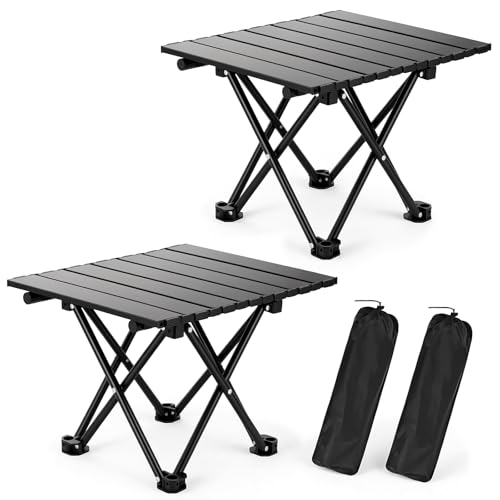

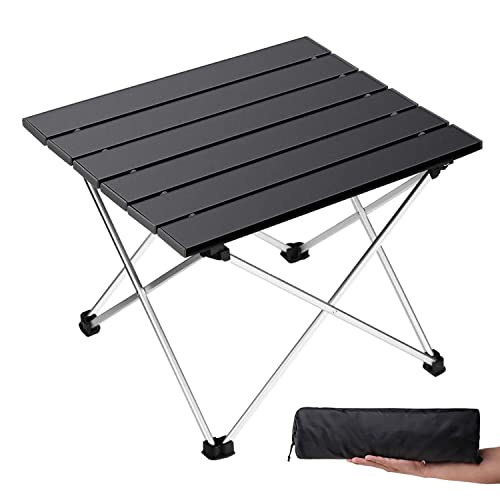


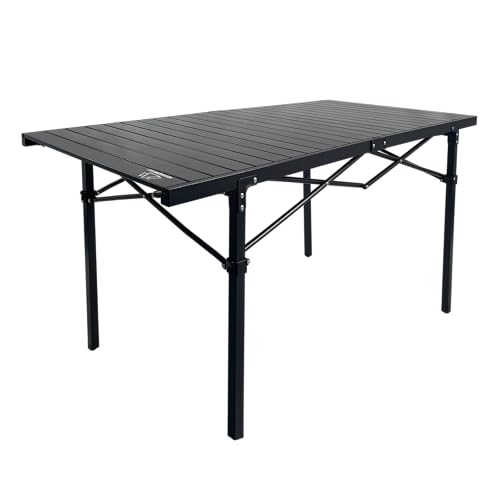
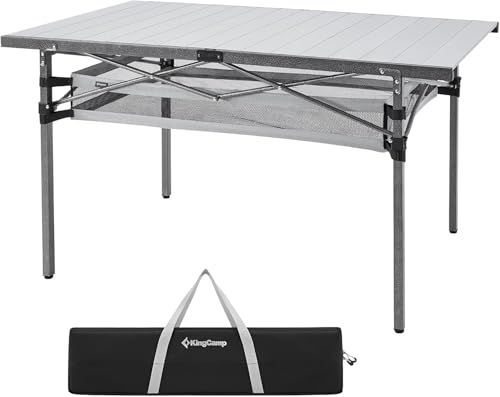
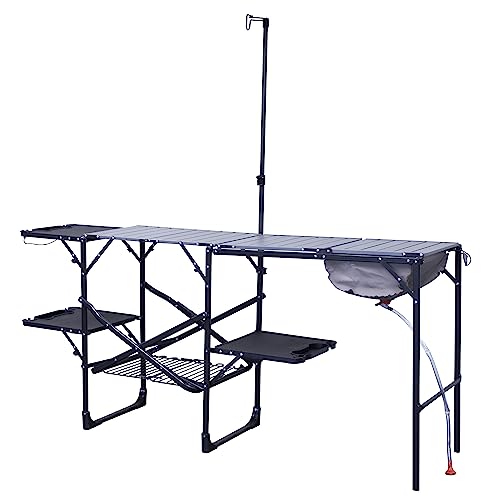
What Makes the Best Camping Tables: The Basics
A camping table is a portable surface built for outdoor use, usually with folding legs and a top that splits, rolls, or folds for transport. Some tables are made for cooking, with a heat resistant top and room for a stove. Others are made for dining, with a larger surface and space for plates, cups, and a lantern. A few are small side tables meant to hold a book, a drink, or a headlamp beside a chair.
The main trade off is size against portability. A large table gives you room to spread out, but it weighs more and takes more vehicle space. A compact table is easy to carry and store, but it may feel cramped when four people sit down to eat. Think about your usual group size, how far you carry gear from the car, and whether you cook at the table or only eat there.
Those three answers narrow the field fast.
Key Specs Explained in Plain English
The specs below sound technical, but each one answers a simple question about comfort, stability, or durability. Read them in order, and note which factors matter most for your trips.
Table Height and Seating Fit
Table height decides whether you can eat, cook, and play cards without hunching or reaching. Most camping tables sit near standard dining height, while some camp tables sit lower for use with low camp chairs. Check the height of your chairs first, then look for a table that leaves comfortable knee room and elbow room. Adjustable legs help on sloped ground, because you can level the top instead of living with a wobble.
If you share the table with children, a height that works for adults may still be fine, since children can use a booster seat or a taller chair.
Surface Size and Shape
Surface size decides how many people can use the table at once and how much gear fits on it. A rectangular top suits shared meals and group cooking, because it gives everyone a clear section. A square top fits a small tent porch or a tight picnic area, and a round top works well for conversation. Measure the space where you plan to set up, and leave room to walk around the table.
A top that is too large for the site becomes a tripping hazard, while a top that is too small forces plates and gear onto laps and chairs.
Weight Capacity and Stability
Weight capacity tells you how much load the table can hold without bending or collapsing. A cooking table needs a higher capacity than a side table, because a stove, a pot of water, and food add up quickly. Stability matters just as much as capacity. Wide feet, cross braces, and locking legs keep the top level when someone leans on it or when the ground is soft.
Before you buy, check whether the legs lock in place and whether the frame feels rigid when the table is open. A table that flexes under a light push will feel worse once it is loaded.
Frame and Folding Design
The frame decides how the table folds, how much it weighs, and how long it lasts. Aluminum frames are light and resist rust, which suits campers who carry gear a long way. Steel frames are heavier and often sturdier, which suits car camping where weight matters less. Look at the folding mechanism as well.
A table that folds in half with a carry handle is easy to move, while a roll top table packs into a long bag and suits narrow vehicle space. Test the latches in your mind as you read: they should lock firmly, release without force, and stay shut during transport.
Materials and Weather Resistance
Table tops come in plastic, aluminum, wood, and coated fabric, and each one suits a different style of camping. Plastic tops are light, easy to wipe clean, and handle rain well, but they can warp near high heat. Aluminum tops are light and durable, and they handle warm pots better than many plastics, though they can feel cold on cool mornings. Wood tops look warm and feel solid, but they need more care and weigh more.
For wet climates, choose a top and frame that resist rust and dry quickly, and store the table dry between trips.
Portability and Storage
Portability is about packed size and packed weight, not just the weight of the open table. Check the folded dimensions against your vehicle and your storage space at home. A table that fits in a car trunk is far more useful than a larger table that stays home. Also check the carry bag, if one is included.
A sturdy bag with a handle protects the top during transport and keeps the legs from snagging other gear. If you hike to your site, every pound counts, so favor a compact table and accept a smaller surface.
Rookie Mistakes to Avoid
- Buying for the largest group you might host, instead of the group you usually camp with, which leaves you carrying a heavy table you rarely need.
- Ignoring packed size, then finding that the table does not fit your vehicle or your tent porch.
- Choosing a table with no leg locks, which can fold without warning when someone bumps it.
- Placing a hot stove on a plastic top without checking the heat guidance, which can warp or melt the surface.
- Skipping a ground check, then setting up on soft soil where the legs sink and the table tilts during a meal.
Getting Started: Setup and First Use
Start by choosing flat ground and clearing stones and sticks from under the feet. Open the legs fully and confirm that each latch clicks into place before you put anything on top. Adjust the leg height so the top is level, using a small stone or a leveling foot on soft ground if the maker provides one. Set heavier items near the center and lighter items near the edges, so the table stays balanced.
Follow the maker guidance for care and safety, and tighten bolts every few months if the table uses them. Wipe the top after cooking, and let the table dry before folding it away. A quick check before each trip, looking for loose joints, bent legs, and worn latches, prevents most campsite surprises. Store the table in a dry place, away from heavy items that could dent the top.
Camping Tables: Your Questions Answered
How long should a good camping table last?
A well made camping table can last many seasons when it is used within its weight guidance and stored dry. The frame, hinges, and latches usually wear before the top, so check those parts each season. Tables used in rain, sand, and salt air need more cleaning and care than tables used only in dry weather. Replacing a worn latch or a damaged foot early often extends the life of the whole table.
If the frame bends or a leg no longer locks, retire the table rather than risking a collapse during a meal.
Is an expensive camping table worth it?
A higher price often buys a stronger frame, better latches, and a top that resists warping, but price alone does not guarantee a good fit for your trips. A simple table may serve a solo camper well for years, while a frequent group camper may benefit from a sturdier build. Compare the frame material, the locking design, and the packed size before you compare prices. Spend more when you camp often, carry heavy cooking gear, or need a table that survives rough ground.
Spend less when your trips are short and your load is light.
How do I choose the right size?
Start with the number of people who will use the table at the same time, then add room for cooking gear, plates, and a lantern. Two people can share a compact table for meals, but four people need a wider top to avoid crowding. Measure your vehicle space and your usual campsite area before you choose, and remember that a table needs walking room on at least two sides. If you cook and eat at the same table, favor a larger top or a second small side table for drinks and personal items.
What features matter most for long hours?
For long hours at the table, height, stability, and surface space matter more than extra features. A level top at the right height reduces strain during cooking and card games, while sturdy legs prevent the wobble that spills drinks. A smooth, easy to clean top also helps, because long sessions produce crumbs, spills, and sticky spots. Shade matters too, so pair the table with a canopy or a sheltered spot when you plan to sit for hours.
Finally, choose a table that packs up easily, so a long day does not end with a frustrating teardown.
Can I use a camping table at home?
Yes, many camping tables work well as extra surfaces at home for parties, craft projects, and outdoor meals. A folding table can serve as a buffet station or a temporary desk on a patio. Check the weight guidance before placing heavy items on it, and avoid heat sources that exceed the maker guidance for the top. When the table is not in use, fold it flat and store it in a garage or shed.
This dual use can make a well chosen table a better value than a table that only leaves the house for camping trips.
The Bottom Line
The best camping tables for you are the ones that match your group size, your vehicle space, and your cooking style. Prioritize a level, stable top at a comfortable height, a frame that locks firmly, and a packed size you can manage without help. See our guide to the best camping coolers when you plan meals that need cold storage, and read our guide to the best camping mattresses if you camp overnight and want a comfortable sleep setup. For bedding that packs small, see our guide to the best camping pillows.
Compare the options in the product table above, check the maker guidance, and choose the table you will actually take on every trip, because the best camping tables are the ones that get used.


