
Best Camping Towels: Types, Sizes and Care for 2026
Disclosure: We may earn a commission when you buy through links on this page, at no extra cost to you. As an Amazon Associate I earn from qualifying purchases. Learn more

Choose the best camping towels by fabric, size, drying speed, and pack size for backpacking and car camping.
A campground towel gets used hard: it dries you after a shower or swim, wipes dishes and wet gear, and often goes back into a bag before it is fully dry. The best camping towels dry quickly, pack small enough to ignore, and still feel decent on skin. This guide compares the main fabrics and sizes, explains what to look for, and covers the care that keeps a towel fresh over a long trip. Use the comparison table below for a quick view of the choices.
Start with how you camp. A family at a drive in site can carry plush towels and hang them in the sun, while a canoe tripper wants the smallest towel that still works. Once you know your routine, the right fabric and size are easy to spot.


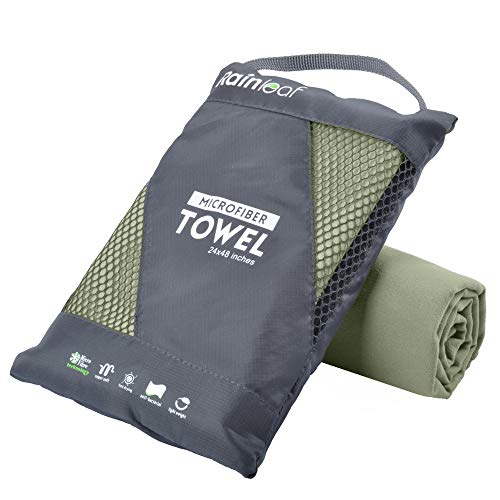
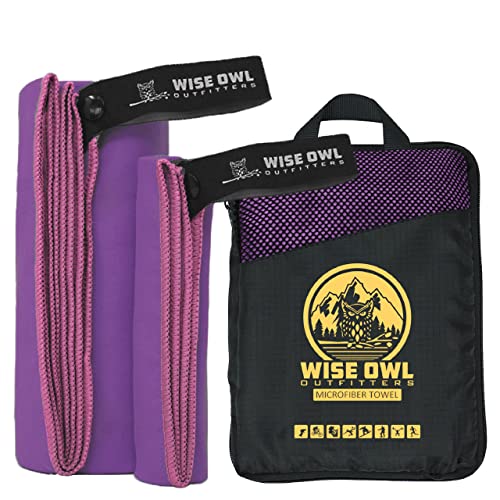


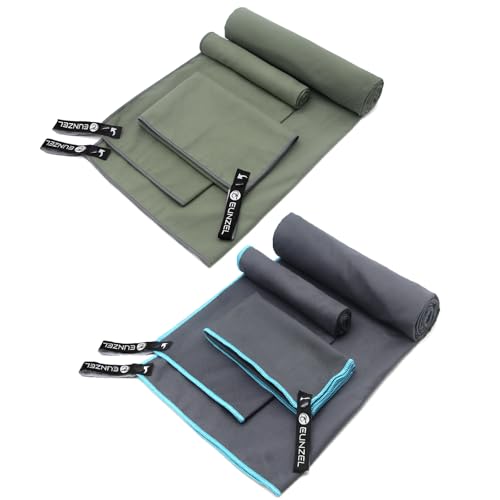


Best Camping Towels by Fabric
Fabric decides how much a towel absorbs, how fast it dries, and how bulky it packs. Four fabrics cover nearly everything sold for camping.
Microfiber
Microfiber is the camping standard. Fine polyester and nylon fibers hold a lot of water for their weight, dry within a few hours in moving air, and fold down to the size of a fist. The feel is different from cotton, a little slick and grabby on dry skin, so most people press the towel against their skin instead of rubbing.
Cotton and Turkish Cotton
Cotton feels familiar and soft, and Turkish cotton towels are thin and flat woven, so they dry faster than a thick bath towel. They still take longer to dry than microfiber and pack larger, which suits car camping and cabin stays better than hiking.
Cotton and Microfiber Blends
Blends try to combine softness with quicker drying. They sit between the two extremes, a reasonable choice if you want something less slick than pure microfiber without the slow drying of terry cotton.
Bamboo and Natural Fiber Towels
Bamboo and other natural fiber towels feel soft and resist odor well, though they often dry more slowly than synthetics. They suit warm, dry trips where you can hang a towel in the sun.
Size and Weight for Your Camp Style
Towel sizes run from face size, about the size of a hand towel, up to full body wraps. Bigger towels cover more but weigh more and dry more slowly, so match size to the way you wash. If you shower at a campground bathhouse, a body size towel is worth carrying. If you mostly wipe hands, face, and feet, a small towel is plenty.
Many campers carry two: one body size towel for showers and swims and one small towel for dishes, spills, and wet gear. Keeping dish duty away from your body towel also keeps it cleaner for longer.
What to Look for When You Compare
- Drying speed: thin, flat fabric dries fastest, while thick looped fabric holds water longer.
- Packed size: check the folded dimensions against the space in your pack or bin.
- Absorbency: a towel that wrings out nearly dry keeps working for a second use.
- Hang loop: a loop lets you clip the towel to a line or tent so it dries while you cook.
- Carry case: a mesh or vented case keeps a damp towel from souring in the bag.
- Edge finish: bound edges resist fraying after repeated washing.
Matching a Towel to Your Trip
Weekend car campers do best with a mid size microfiber or Turkish cotton towel for each person, plus a spare small towel for the kitchen. Families with children should add a few cheap small towels, since spills, muddy hands, and wet swimsuits use them up quickly.
Paddlers and beach campers want fast drying above all, so choose thin microfiber and keep it in a mesh bag where air can reach it. Hikers on multi day routes should carry the smallest towel that dries them off once a day and rely on a bandana for everything else. Cold weather campers can skip the swim towel altogether and carry a small, quick drying cloth for hands and face.
Care and Washing on the Road
Wash a new towel before the first trip, because factory finishes can block absorbency until they rinse out. Skip fabric softener on camping towels, since it coats the fibers and leaves the towel pushing water around. After the trip, wash the towel promptly and dry it fully before storing it in a ventilated spot.
At camp, hang the towel open instead of folded so air reaches every surface, and rinse out sunscreen and sweat with plain water when you can. Do not pack a damp towel into a sealed bag overnight, because it will smell sour by morning. If a towel stays slick or smelly after a proper wash, it has reached the end of its useful life.
Common Mistakes to Avoid
- Choosing a thick home style towel for a hiking trip, where it stays wet and heavy for days.
- Buying the smallest size to save weight, then finding it covers too little after a swim.
- Using the same towel for dishes and for bathing, which spreads grease and grit.
- Packing a towel damp in a sealed sack.
- Judging softness alone and ignoring how long the towel takes to dry.
Frequently Asked Questions
What size camping towel should I buy?
Choose a body size towel if you shower or swim and a small towel if you only wipe hands, face, and feet. Many campers carry one of each, which also keeps the dish towel separate from the body towel.
Is microfiber better than cotton for camping?
For most trips, yes, because microfiber dries faster and packs smaller. Cotton feels softer and suits car camping where weight and drying time matter less, especially if you can hang it in the sun.
How do I stop a camping towel from smelling?
Let it dry fully between uses, hang it open at every stop, and wash it with mild detergent when you get home. Skip fabric softener and avoid sealed bags while it is damp.
How long does a camping towel take to dry?
A thin microfiber towel can dry in under an hour in sun and wind, while thick cotton can take most of a day in humid, still air. Hanging the towel open rather than folded speeds drying a great deal.
How often should I replace a camping towel?
Replace it when it no longer absorbs well, stays damp for a long time, or the edges fray beyond repair. Well cared for towels last many seasons.
Final Thoughts
Pick the fabric for how you camp, the size for how you wash, and a carry case that lets a damp towel breathe. Microfiber suits most trips, while cotton suits car camps where you can hang it in the sun.
Use the product table above to compare sizes and fabrics, then choose the towel you will actually carry. With the right fabric and care, the best camping towels stay fresh for many trips. For specific uses, see our guides to best microfiber towels for camping, best camping towels for backpacking, and best quick dry towels for camping. For home use, read best quality towels, and for RV trips, see best bath towels for rv camping.


