
Best Camping Towels for Backpacking in 2026: What Matters Before You Buy
Disclosure: We may earn a commission when you buy through links on this page, at no extra cost to you. As an Amazon Associate I earn from qualifying purchases. Learn more

Compare the best camping towels for backpacking by packed weight, size, drying speed, and absorbency.
A towel earns its place in a backpack only if it dries you, dries itself fast, and packs down to almost nothing. The best camping towels for backpacking balance those three jobs, and a towel that wins on one can fail on the others. Use the checklist in this guide to judge that balance, then read the comparison table below with your own trip in mind.
Think about how you wash on the trail. Some backpackers rinse daily at a stream or hostel shower, while others only wipe hands, face and feet at camp. Your habit decides how much towel you need, and the sections below match size, fabric and weight to it.

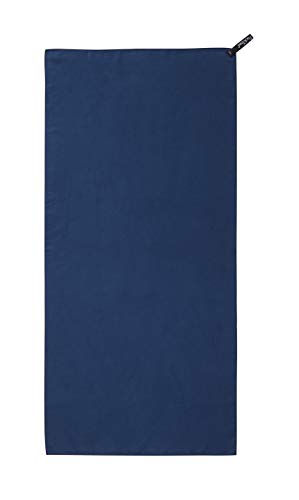
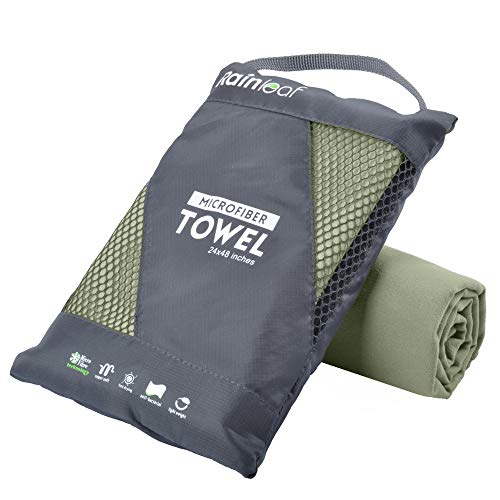
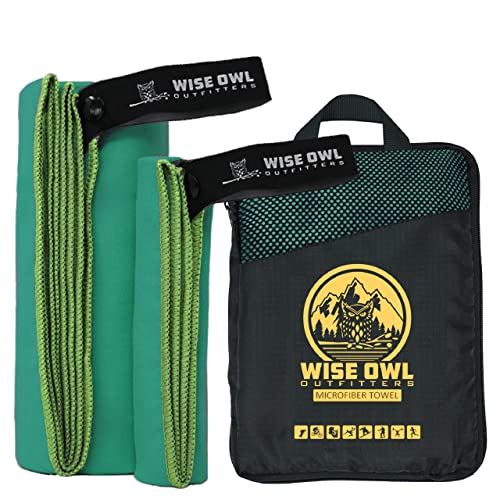


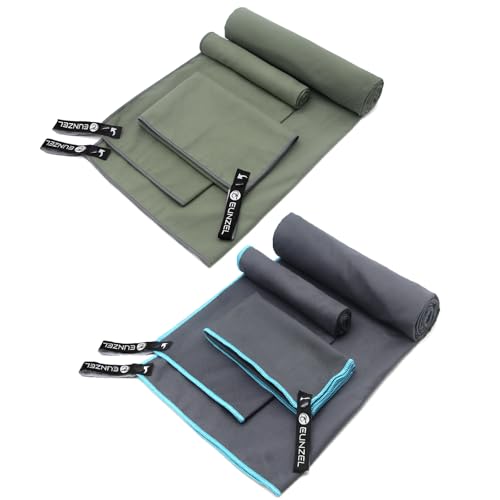

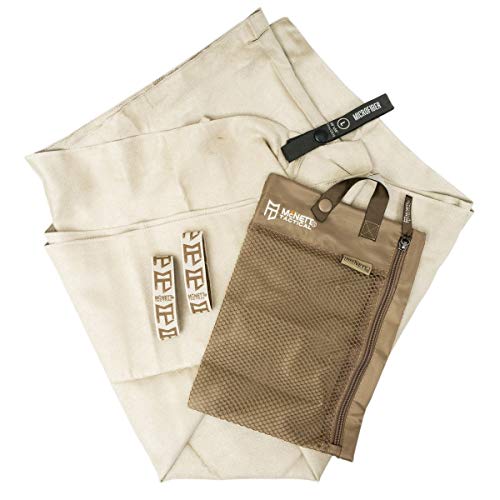

Who Should Buy the Best Camping Towels for Backpacking?
Start with the trip style you repeat most often, since carry distance changes what counts as light enough. For a trail only shortlist, see our guide to the best backpacking towels.
Through Hikers Counting Every Ounce
You walk all day for weeks, so your towel competes with food and water for space. Choose one small or medium flat microfiber towel and accept modest coverage for the lowest packed weight. A snap loop matters, since the towel hangs from your pack and dries as you walk. Let a bandana handle spills and sweat.
Weekend Backpackers Mixing Trails and Town Stops
Your trips often end at a campground shower, a lake swim or a hostel night, so you use a towel more fully. Choose a medium or large towel with a softer feel, plus a tiny face towel for morning and night washes. For routes mixing hiking with trains and hostels, see our guide to the best travel towels backpacking.
Backpackers Who Swim and Wash at Camp Daily
You plan to bathe often, so absorbency and coverage move ahead of the last ounce. Choose the largest towel you will carry, in looped fabric that holds more water per pass. Add a mesh stuff sack, since a towel used twice a day rarely dries before you pack up.
Key Features to Compare
Judge every towel with the same six factors below, in this order, so soft feel or low price cannot hide a heavy, slow drying towel.
Packed Weight and Packed Size
Packed weight decides whether the towel stays in your pack on day four. A face size towel often weighs about 1 to 2 ounces, while a body size microfiber towel often weighs about 4 to 8 ounces. A tight roll fits a side pocket, while a bulky one steals space from your food bag. Weigh the towel with its sack included, since makers sometimes weigh the towel alone.
Fabric and Weave in Backpacking Towels
Most backpacking towels use microfiber, a blend of polyester and polyamide woven in one of two ways. Flat suede fabric packs smallest and sheds sand and grit with a shake, but it can push water around before it soaks in. Looped terry fabric feels closer to a home towel and takes up water faster, at the cost of more bulk. For a closer look at fabric choices, see our guide to the best microfiber towels for backpacking.
Open Size and Body Coverage
Open size decides whether you can wrap the towel around your waist at a shared campground or hostel. Body size towels run about 24 by 48 inches to 30 by 56 inches, while face size towels run about 12 by 24 inches. Measure your shoulder width and waist wrap before you order rather than trusting words like large. Full coverage loses if the towel dries too slowly to pack each morning.
Absorbency and How Well a Towel Wrings Out
Absorbency tells you how much water one pass takes off your skin and hair. Microfiber can hold several times its dry weight in water, but the useful trail test is how much it releases when you wring it. A towel that wrings out nearly dry keeps working for a second use that evening. Press rather than rub as you dry off, since pressing lets the fibers take up water.
Drying Speed and Hanging Options
Drying speed decides whether you pack a dry towel or a damp one that smells by noon. Thin flat fabric dries fastest, while thick looped fabric needs more air and time. A snap loop lets you clip the towel to a pack strap or tent line. Hang it fully open at stops, since a towel folded in quarters dries only on its outer faces.
Skin Feel, Odor Control and Edge Finish
Skin feel matters more on a long trip, when the same towel touches sunburned shoulders on cold mornings. Some towels carry an odor control finish that slows smells between washes, but no finish replaces a full wash at town stops. Check edge stitching too, since bound edges resist fraying under daily wringing. If fabric safety labels matter to you, look for OEKO TEX certification, which screens finished textiles for harmful substances.
Backpacking Towel Types Compared
The three types below each suit a different washing habit, so match the type to how often you bathe, swim and move camp, not to fabric claims alone.
Flat microfiber towels are the lightest and smallest option, and they double as a camp cloth for wiping a pot or tent floor. Their smooth face can feel grabby on dry skin, so many users pat dry instead of rubbing. Choose this type if you value pack space above comfort.
Looped microfiber towels feel softer and take up water in fewer passes, which suits swimmers and anyone washing long hair. They pack larger and pick up leaves and grit more easily. For trips that lean toward lakes and serviced campgrounds, see our guide to the best microfiber towels for camping.
Woven linen and cotton blend travel towels dry more slowly, but they feel natural on skin and resist odor well between washes. They weigh more for the same coverage, so most backpackers save them for shorter trips. Heavy home style cotton belongs to car trips, and our guide to the best camping towels covers that broader category.
Quick Buyer Checklist for Backpacking Towels
Run through these questions before you order, and treat any no answer as a reason to keep looking.
- Does the packed towel, sack included, fit the weight you set aside for washing gear?
- Can you wrap the open towel around your waist with room to spare?
- Does the towel have a snap loop or hang loop you can clip to your pack?
- Can you wring the towel out by hand without twisting hard?
- Does the fabric shed sand and leaf bits with a simple shake?
- Is the stuff sack mesh or vented, so a damp towel can keep drying?
Common Mistakes to Avoid
Most towel regrets on the trail come from sizing and storage choices, not from fabric quality.
- Buying the largest size by default adds ounces you carry all day for coverage you use for five minutes.
- Packing a damp towel inside a sealed sack leaves it sour smelling by the next camp.
- Choosing thick cotton for a backpacking trip keeps the towel wet and heavy for days.
- Skipping the hang loop means your towel dries draped over dirty straps and falls in the dirt.
- Using one towel for bathing, dishes and tent spills spreads grease and grit onto your skin.
Care and Maintenance for Backpacking Towels
Wash a new towel before its first trip, since factory finishes can block absorbency until they rinse away. Wash with mild detergent and skip fabric softener, since softener coats the fibers and leaves the towel pushing water around.
On the trail, rinse out sweat and sunscreen with plain water when you can, and hang the towel open at lunch stops. At home, dry it fully before storage and keep it loose rather than sealed in its sack. Check the snap loop and edges after each long trip, and retire a towel that stays slick or smells sour after washing.
FAQ
What features matter most in a backpacking towel for a multiday trip?
Packed weight and drying speed matter most, since you carry the towel daily and often pack it before it feels fully dry. One point the body sections rarely mention is tent condensation, which many backpackers wipe up on cold mornings. If your shelter drips, size up slightly for that second job.
How do you keep a backpacking towel fresh on a multiday trip?
You keep a backpacking towel fresh by giving it air at every stop and a plain water rinse when you pass a tap. Carry a damp towel in the outer mesh pocket of your pack, so moving air reaches it as you walk. Rotating two face size towels also helps, since each gets a rest day to dry.
How often should you replace a backpacking towel?
You should replace a backpacking towel when it stops taking up water well or keeps a sour smell after a proper wash. Frayed edges and a torn snap loop are earlier signs that it nears the end of its trail life. Judge by performance rather than age, since many towels serve for years.
What GSM suits a backpacking towel you carry every day?
A mid range GSM suits most backpackers, roughly 200 to 350 for microfiber, since that span balances water uptake against packed weight. GSM counts grams per square meter, and makers of flat towels sometimes list total grams instead. Treat GSM as a rough guide only, because weave and blend change absorbency as much as fabric weight does.
Are premium backpacking towels worth the extra cost?
Premium backpacking towels are worth the cost when the extra money buys lower weight at the same open size. Most trail towels cost about $10 to $25, while premium models run about $25 to $40. Compare cost against ounces saved, since a name alone adds nothing on the trail.
Wrapping Up
Match the towel to your washing habit first, then weigh it, then check how fast it dries and how well it wrings out. A small flat towel suits daily miles, a larger looped towel suits swimmers, and a woven towel suits short trips where feel matters most. Use the product table above to confirm size, weight and hanging options.
Chosen with those points in mind, the best camping towels for backpacking disappear into your pack and simply work each time you wash. Pack the simplest towel that covers your routine.


