
Best Camping Stove With Griddle (2026): Buying Guide
Disclosure: We may earn a commission when you buy through links on this page, at no extra cost to you. As an Amazon Associate I earn from qualifying purchases. Learn more

Pick the best camping stove with griddle by plate size, burner control, fuel, and cleanup for camp breakfasts.
Picture a Saturday morning at a campsite or on your patio. Pancakes are waiting, eggs need gentle heat, and a single small pan forces you to cook in slow rounds while everyone waits. The best camping stove with griddle solves that problem by giving you a wide flat surface beside or above the burners. This guide helps you choose by storage space, group size, and budget.
The comparison table below sums up the main types at a glance. This article compares stove types, griddle surfaces, fuel choices, and price bands, so you can judge any listing against the needs of your home.


Quick Answer: Three Types That Fit Most Homes
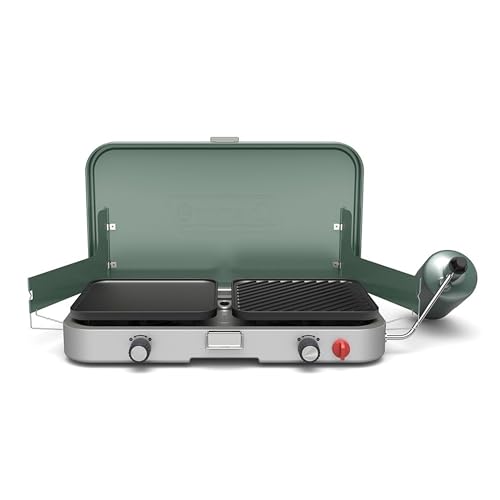
Most households land on one of three setups. A two burner stove with a fitted griddle plate suits families who cook full breakfasts and dinners in one session. A compact single burner with a small griddle suits couples and small groups who value light packing. A larger freestanding stove with a wide griddle suits big groups, long stays, and cooking at home during a power outage.
Start with the type that matches your group size and storage space, then use the checklist below to confirm fuel, cooking area, and heat control. If you want the broader picture first, see our guide to the best camping stove for how griddle models sit within the wider category.
Before You Buy: A Checklist for the Best Camping Stove With Griddle
Work through these points in order. A stove that fits your space, your fuel supply, and your cleaning habits will serve you far better than the largest model on the shelf.
Which Type Fits Your Routine
Two burner stoves are the workhorse choice for family trips, since you can run the griddle on one side and a pot on the other. Three burner stoves add room for a large pot but take more table space and fuel. Single burner stoves pack small and suit solo trips or couples. Tabletop models sit on a picnic table, while freestanding models on legs keep your work surface free. Match the footprint to the table and storage bin you actually own.
Features Worth Paying For and Ones to Skip
A fitted griddle plate that sits flat and stays put is worth paying for, since a loose plate can slide and spill hot food. A windscreen helps on open sites where gusts steal heat and stretch cooking times. Individual burner controls matter because the griddle side often needs lower heat than a pot of water. A carry case protects the surface in transit. You can skip extra grill grates you will rarely swap in, oversized side shelves, and bundled utensils you already own at home.
Fuel Type and Running Cost
Most griddle stoves run on propane in small canisters or on a larger refillable tank with an adapter hose. Propane works well in cold weather and is easy to find at camp stores. Butane canisters cost less in some regions but lose pressure as the temperature drops, which slows breakfast on a frosty morning. Before you choose, read our comparison of butane vs propane stove fuel for cost details. Budget for at least one spare canister per trip.
Cooking Area and Heat Output
Cooking area tells you how much food fits at once. A griddle of about 150 to 200 square inches handles pancakes for a small family in one or two rounds, while about 250 to 350 square inches suits larger groups. Heat output is listed in BTU per burner. Higher output boils water faster, but steady low heat matters more on a griddle, since pancakes and eggs scorch quickly. Look for burners that hold a gentle simmer without constant adjusting.
Build Materials and Rust Resistance
Griddle plates come in cast iron, cast aluminum, and steel with a coated surface. Cast iron holds heat well and lasts for years with light oiling, but it is heavy. Cast aluminum weighs less and resists rust, though it can warp if heated empty on full power. Coated steel plates release food easily and wipe clean fast, yet the coating can wear if you use metal tools. For the stove body, coated steel resists rust better than bare metal, and a latching lid keeps dust off the burners in storage.
Realistic Budget Ranges
Under $50 usually buys a single burner stove, and the griddle is often a separate plate you add yourself, so check the total cost of both parts. About $50 to $100 covers solid two burner stoves with a basic fitted griddle, the sweet spot for many families. About $100 to $200 adds stronger stands, better windscreens, and larger cast iron plates. Above about $200 you are paying for freestanding frames and very wide cooking areas meant for frequent group trips.
Three Stove and Griddle Setups Compared
The three setups below describe types rather than named products, grouped by who they serve best when choosing the best camping stove with griddle for a given home.
Best for Most Homes: Two Burner Stove With a Fitted Griddle
This is the default choice for families who cook two or three meals a day at camp. The griddle covers one or both burners for breakfast, then lifts off so you can boil pasta or heat soup. Look for a plate with a grease channel, since bacon and burgers release fat that needs somewhere to go. If this sounds like your routine, our guide to the best 2 burner camping stove explains burner spacing and lid height.
Best Value: Single Burner Stove With an Add On Griddle Plate
For couples and anyone short on storage, a single burner paired with a compact plate keeps costs and weight down. You cook in smaller rounds, so this setup suits simple menus like grilled sandwiches, tortillas, and eggs for two. It also works as a backup cooker at home when the kitchen stove is full. Choose a plate that matches the burner size closely, since a plate far wider than the flame will heat unevenly.
Best Long Term Investment: Freestanding Stove With a Wide Griddle
A freestanding stove on sturdy legs with a wide plate suits large families and households that host outdoor gatherings at home. The larger surface lets you cook for eight or more people without endless rounds, and the frame stays steady on grass or gravel. It takes the most storage space and fuel, so it pays off only if you use it often. For vehicle based trips, see our guide to the best camping stove for car camping for packing advice.
Do You Really Need a Camping Stove With a Griddle?
You need the griddle surface if your camp menu leans on foods that fall through a grill grate or need full contact with a hot flat plate. Pancakes, eggs, bacon, hash browns, and quesadillas all cook better on a griddle than in a small skillet. A flat plate also feeds a group faster, since you can cook many portions side by side.
You may not need one if you mostly boil water for drinks and simple pouch meals, or if you already carry a large skillet that covers your breakfast needs. A plain stove costs less, packs smaller, and gives you one less greasy surface to clean. If most meals on your last few trips came from a pot, the griddle will likely sit in storage.
Common Mistakes to Avoid
- Buying a griddle wider than your table or storage bin, so the stove stays home because it is awkward to pack.
- Ignoring low heat control, which leads to pancakes that scorch outside while staying raw in the middle.
- Forgetting fuel costs and spare canisters, so breakfast stops halfway when a small canister runs out.
- Choosing a coated plate and then using metal spatulas, which scrape the surface and shorten its life.
- Skipping a windscreen for open sites, so gusts double your cooking time and fuel use.
- Storing the plate while it is still damp, which invites rust on cast iron and stale odors on any surface.
Cost of Ownership and Care
Beyond the stove price, plan for fuel, a replacement regulator hose over time, and a cover if you store the stove in a garage. Cast iron plates need a thin coat of cooking oil after washing. Coated plates need only warm water, a soft sponge, and full drying before storage. Keep the burner ports clear of grease, since blocked ports cause uneven flames. Our step by step guide on how to clean a camping stove covers burner care in detail.
Store the stove with the lid latched and the fuel disconnected, in a dry place off a cold floor. Before each season, check the hose for cracks, test connections with soapy water to spot leaks, and light each burner to confirm an even blue flame. Stop using the stove and contact the maker if you smell gas after connections are tight or find a cracked hose. Never use a camping stove inside a tent or a closed room, since carbon monoxide can build up without any smell.
Your Questions, Answered
What should you check before using a camping stove with griddle for the first time?
Before the first trip, set the stove up at home, fit the griddle plate, and cook one simple meal outdoors. This dry run shows you how the controls respond and how long the plate takes to heat. It also reveals any loose legs or latches while you are still close to home and can exchange a faulty unit with little stress.
How long does a camping stove with griddle usually last?
A well kept stove body often serves for many years, and a cast iron plate can outlast the stove itself. Coated plates usually show wear sooner, especially at the corners where tools strike most often. Lifespan depends less on age than on storage. A stove stored dry will outlast a newer one left damp in a shed, so care habits matter more than the purchase date.
Can you use a camping stove griddle plate on a home stove?
Some flat plates can sit over two burners on a home gas stove, but only if the maker allows it and the plate sits level without covering ventilation gaps. Never place a plate made for outdoor burners on a glass electric cooktop, since uneven heat can crack the glass. When in doubt, keep the plate with its own stove. Using each item as designed avoids damage that a warranty may not cover.
Is a camping stove with griddle safe to use on a wooden picnic table?
Most tabletop stoves are designed for picnic tables, but heat can build up under the base during long sessions. Place a heat resistant mat under the stove, keep fuel canisters away from the hot sides, and never leave the stove unattended while it is lit. If the table feels hot to the touch after a few minutes, move the stove to a metal or stone surface.
What size griddle works best for a family of five?
For five people, aim for a plate in the middle of the range discussed earlier and plan on two quick rounds for large items like pancakes. Foods that shrink as they cook, such as bacon, can start crowded and still finish well. Pair the plate with a lidded pot on the second burner for beans or coffee, so the whole meal lands together.
Final Thoughts
The right choice comes back to your space, your group size, and how you actually cook outdoors. For most families, the best camping stove with griddle is a two burner model with a fitted plate, steady low heat, and a surface you are willing to clean and store with care. Look at the product table above once more, match it against the checklist, and pick the setup that fits your home and your vehicle. Prices and availability can change, so check the product page before ordering.


