
Best Camping Stove for Car Camping (2026): Buying Guide
Disclosure: We may earn a commission when you buy through links on this page, at no extra cost to you. As an Amazon Associate I earn from qualifying purchases. Learn more
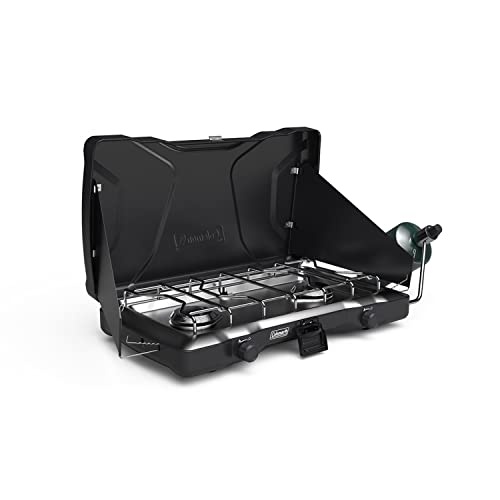
Pick the best camping stove for car camping by burner count, pan fit, fuel, and heat control for family meals.
Your car is packed, the cooler takes most of the trunk, and everyone expects a hot dinner soon after you park. Choosing the best camping stove for car camping is less about saving grams and more about fitting your vehicle, your table space, and the number of people you feed. A stove that works for a couple making coffee can feel cramped for a family cooking pasta and sauce at once.
This guide helps you choose by routine, group size, and budget rather than by headline power alone. Use the comparison table below to see how the main types line up, then read the sections that match your trips.






Quick Answer: The 3 Types in 30 Seconds
For most families, a two burner tabletop propane stove is the balanced choice, with room for two pans and simple controls. For tight budgets and small groups, a single burner model covers basic meals and packs flat. For large groups, a three burner or stand style stove gives extra space, at the cost of more storage room and a higher price.
Before You Buy: What Makes the Best Camping Stove for Car Camping
Finding the best camping stove for car camping for your household starts with how you actually camp. Count your usual group, your largest pan, and the flat space you have at the site and in the car. Those three facts rule out more wrong choices than any power rating.
Which Type Fits Your Routine
A two burner stove suits most car campers who cook a main dish and a side at once. A three burner model helps when a griddle sits in the middle and two pots run beside it, but it needs a wide table and more trunk room. A single burner fits solo trips, couples, and backup use for boiling water. Tabletop models sit on a picnic table, while stand models free table space for long cooking sessions. Wood burning styles can work, but they give you less control for family meals.
Features Worth It and Ones to Skip
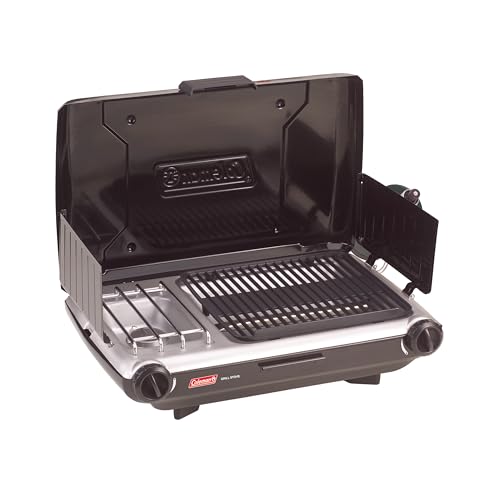
A windscreen matters because open sites often have a steady breeze that steals heat and stretches cooking times. Good simmer control matters more than peak power for eggs, sauces, and rice. Push button ignition is worth it for daily ease, and a carry handle helps when you load the car often. A built in grill can be handy, but many add cleaning work and cook unevenly, so skip it if you already own a separate grill or griddle. Extra burners and oversized cases are also easy to skip if your group is small.
Fuel Type and Running Cost
Propane is the common choice for car camping because canisters are widely sold and the fuel works well in cool weather. Refillable tanks lower the cost per meal on long trips, but they take space and need a hose. Butane canisters are simple to handle, yet output can drop in cold air. To compare fuel options in depth, read our guide on butane vs propane stove before you stock up. Bring a spare canister and store fuel upright and away from heat.
Cooking Area and BTU
Cooking area tells you whether your pans will fit without crowding. Measure your largest skillet and pot, then compare that total width with the grate size, leaving room for handles. BTU is a measure of heat output. Many two burner stoves offer about 10,000 to 12,000 BTU per burner, which boils water and sears food well for most meals. Higher numbers help with large pots, but control at low heat matters just as much. A stove that only runs hot will scorch sauces while pasta water boils.
Build Materials and Rust Resistance
Look for a steel body with a finish that wipes clean and a grate that feels firm under a full pot. Stainless steel parts resist rust better in damp coastal air, while coated steel can last well if you dry it after each trip. Check hinges, latches, and burner caps, since small parts often fail before the body does. Drip trays that lift out make cleaning faster. If you store gear in a damp garage, dry storage will help more than any special coating.
Realistic Budget Ranges
Prices vary by size and build, and most family models cost about $50 to $200, so use these ranges as planning guides only.
- Under $50: basic single burner models for water, soup, and simple one pan meals.
- About $50 to $100: compact two burner stoves with basic windscreens and ignition.
- About $100 to $200: sturdier two burner models with better simmer control and easier cleaning.
- About $200 to $300: large three burner and stand models for groups and long stays.
Leave room in the budget for fuel and a lighter as backup.
Types Compared: What Each Style Does Best
Compare types rather than chasing a single winner. For a wider view of the category, see our guide to the best camping stove, then return to the car camping needs below.
Two Burner Tabletop Stoves for Most Homes
This is the default for families of three to five who cook real meals at the site. You can boil pasta on one side and warm sauce on the other, and the closed lid protects the burners in transit. Most fit on a standard picnic table and slide into a trunk without trouble. The limit is pan size, since two large skillets can crowd each other.
Single Burner Stoves for Small Groups and Tight Budgets
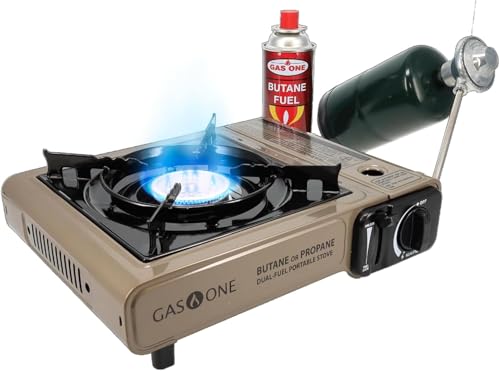
A single burner suits one or two people, quick overnight stops, and drivers with small cars. It also works as a spare for coffee while a main stove handles food. Setup is fast, but every dish cooks in turn, so meals take planning. If this size fits your trips, compare options in our guide to the best single burner camping stove and check that your widest pan sits stable.
Large and Stand Stoves for Groups and Long Stays
Three burner and stand models serve large groups and base camps where cooking runs for an hour or more. The extra grate space holds a griddle plus pots, and a stand keeps the table free for prep. These stoves cost more, weigh more, and need two hands to carry. Choose one only if you fill that space often. If two burners will cover most meals, our guide to the best 2 burner camping stove can help you narrow that simpler choice.
Living With It: What Really Matters Day to Day
Car camping gives you room that backpacking does not, so comfort and speed matter more than compact size. Think about arrival at dusk, hungry kids, and a table shared with a lantern, plates, and a water jug. A stove that lights on the first try, holds a low simmer without constant watching, and cleans up before dark will feel right all weekend. Stability also matters, since picnic tables are rarely level and large pots of water are heavy.
Storage at home counts too. A stove that fits a garage shelf or a closet bin is more likely to be packed again. Families who cook two meals a day will value a wide grate and a deep drip tray. Couples who mainly boil water can save money and space with a smaller type.
Safety needs a clear place in your routine. Use the stove outdoors only, on a stable and heat safe surface, away from tents and dry brush. Keep children and pets back while burners are lit, and let the stove cool fully before you load the car. If anyone feels dizzy near a stove used in an enclosed space, move to fresh air at once and seek medical help. Follow our step by step guide on how to use a camping stove if you are new to fuel setup.
Common Buying Mistakes to Avoid
- Buying by BTU alone: you may end up with strong heat but poor simmer control for daily meals.
- Ignoring pan size: your largest skillet may block the second burner and slow every dinner.
- Forgetting table and trunk space: an oversized stove can crowd prep room and refuse to fit your cargo bin.
- Skipping fuel planning: you could run out mid trip or buy canisters your stove cannot use.
- Paying for features you will not use: built in grills and extra stands add cost and cleaning if your routine is simple.
- Storing the stove damp or greasy: rust and stale odors build up and shorten its useful life.
Cost of Ownership and Care
Ongoing cost is mostly fuel, plus a hose or regulator replacement over time. Small propane canisters cost more per meal than a refillable tank, so frequent campers often save with the tank despite the extra bulk. Check hoses for cracks before each season.
For care, let the stove cool, remove the grate and drip tray, and wipe grease away. Wash removable parts with warm soapy water, dry every part fully, and store the stove indoors in a dry bin. For a fuller routine, follow our guide on how to clean a camping stove and never use harsh abrasives on coated surfaces.
Your Questions, Answered
What is the most reliable camping stove brand for car camping?
Reliability depends more on model build and care than on a name alone. Look for a firm grate, metal controls that turn smoothly, spare parts that are easy to order, and a warranty of at least one year. Reviews that mention the same fault many times are a warning sign. A simple design with few extra features often lasts longer, since there is less to break.
Is a camping stove worth it for car camping?
Yes, for most car campers it is worth it because hot meals and drinks make trips easier, especially in cool or wet weather. It also saves money compared with eating out near popular parks. The value drops if you camp once a year and prefer cold food, in which case a basic single burner makes more sense. Think about meals per trip, not just trips per year.
How long does a camping stove for car camping last?
A well kept stove can serve for many seasons, often five years or more, though hoses, regulators, and igniters may need replacement sooner. Life shortens when a stove is stored wet, left greasy, or carried loose so parts bend. Inspect the fuel line each spring, test ignition at home, and replace any part that leaks before you travel.
What should I look for first in a camping stove for car camping?
Start with fit. Place your two most used pans side by side at home, measure them, and match that width to the grate before you look at power or price. This check prevents the most common regret, a stove that cannot hold your real cookware. Next, confirm the fuel type sold near your usual campgrounds, so refills are easy to find.
Can I use a camping stove for car camping on a folding plastic table?
It is safer not to. Heat can soften or damage plastic, and a light table can flex under heavy cookware. Use a metal camp table, a wooden picnic table, or a heat safe board rated for stove use, and check that all four feet sit firm. Keep clear space behind the stove for hot pan handles as well.
The Bottom Line
Most readers should start with a two burner tabletop propane stove, since it balances space, control, and price for family meals. Small groups can save with a single burner, and large groups can justify a bigger stand model. Whichever type you choose, the best camping stove for car camping is the one that fits your pans, your car, and your routine. Check the product table above, confirm your fuel plan, and test ignition at home before your first trip.


