
Best 2 Burner Camping Stoves in 2026: Types and Buying Guide
Disclosure: We may earn a commission when you buy through links on this page, at no extra cost to you. As an Amazon Associate I earn from qualifying purchases. Learn more

Compare the best 2 burner camping stove types by cooking area, fuel and storage to find a stove that fits your trunk, table and group size.
Picture a Saturday morning at a campground or in your own backyard. One pan holds eggs while coffee water heats beside it, and nobody waits in line for a hot breakfast. That is the appeal of the best 2 burner camping stove for most households. It cooks like a small home range and packs into a car trunk.
This guide helps you choose by space, group size, and budget rather than by headline power alone. Start with the three types below, then use the sections that follow to match a style to your routine.




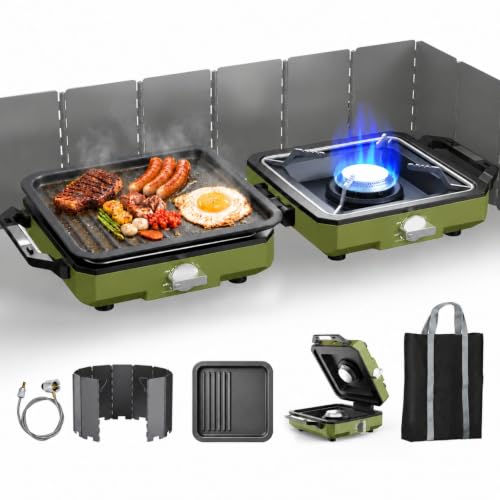
Quick Answer: Three Types Worth Comparing
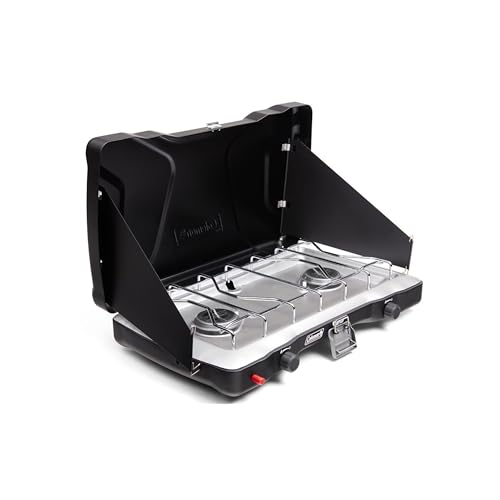
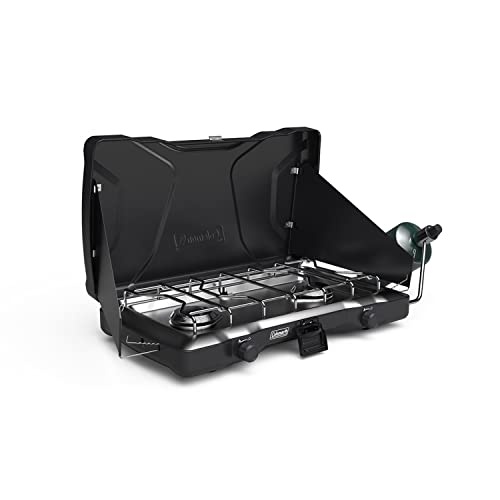
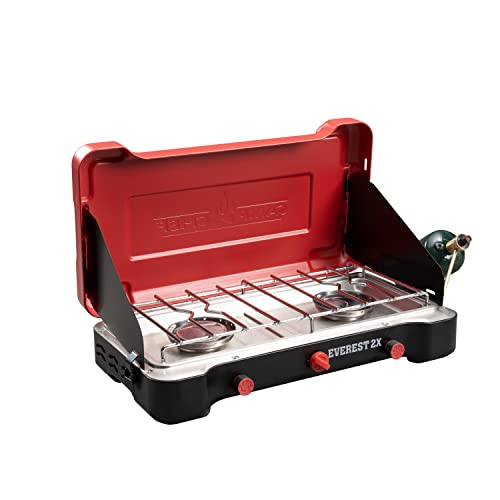
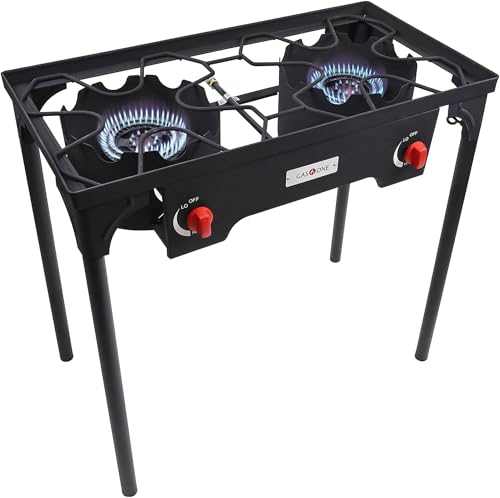
Most shoppers end up choosing among three broad types. The classic tabletop model folds shut like a suitcase and stores flat in a garage or closet. A slim low profile model saves the most space and suits couples or small families. A larger model on a stand gives you more cooking room and keeps the stove off a crowded picnic table.
- Classic tabletop type: balanced size and simple controls for general family use.
- Slim compact type: lightest and easiest to store, best when trunk space is tight and meals stay simple.
- Stand type: tallest and roomiest, best for big groups and outdoor cooking at home.
If you are still weighing whether you need two burners at all, our wider guide to the best camping stove covers the full range of sizes and styles in one place.
Before You Buy: A Quick Checklist for Choosing a Camping Stove
Small details decide whether a stove earns its storage space. Work through the points below to avoid common regrets about fit, fuel, and upkeep.
Which Type Fits Your Routine
Think about where the stove will actually sit and who it will feed. A tabletop model needs a stable, heat safe surface and suits most car camping and backyard cooking. A single burner model takes less room but forces you to cook in stages. Three burner models feed crowds yet feel bulky for a family of four. Backpacking stoves are tiny and light, but their small burners wobble under family size pans. If your trips center on a car and a picnic table, a tabletop design usually fits best.
Features Worth It and Ones to Skip
A folding windscreen earns its keep because even a light breeze can steal heat and stretch cooking times. Independent controls for each burner matter too, since they let you simmer on one side while you boil on the other. A push button igniter is handy, though you should still pack matches as a backup. A griddle plate can be worth it for pancakes. Skip bulky grill boxes and extra attachments you will rarely use, because each one adds storage bulk, cleaning time, and cost.
Fuel Type and Running Cost
Most two burner stoves run on propane, and many accept either small disposable cylinders or a larger refillable tank with an adapter hose. Propane works well in cold weather and stores for a long time without going stale. Butane feels cheaper per can in some stores, but it loses pressure as temperatures drop toward freezing. Your running cost depends more on how often you cook and which fuel format you buy. For a fuller look at the trade offs, read our guide to butane vs propane stove fuel choices.
Cooking Area and BTU
Cooking area tells you whether your pans fit side by side, and that matters more than raw power for most families. Measure your largest skillet and your coffee pot, then check that both can sit on the grate without crowding the windscreen. Burner output is listed in BTU per burner, and figures around 10,000 BTU per side handle boiling and frying well. Very high output burns fuel faster and can scorch food. Simmer control, meaning a flame that stays low and steady, is the number to value most.
Build Materials and Rust Resistance
Most stove bodies use painted or coated steel, while grates are often heavier steel or cast iron. A smooth coated surface wipes clean faster than a rough textured one, and it resists rust better when you store the stove in a damp garage. Check that the lid latches shut and the hinges feel firm. Thin metal that flexes when you press the grate can warp over time. Store the stove dry, and a modest model can stay sound for many seasons.
Realistic Budget Ranges
At under about $50, expect basic tabletop models with simple controls and thinner metal, fine for a few trips a year. Between about $50 and $100, you gain better simmer control, sturdier grates, and more reliable igniters. From about $100 to $200, build quality improves further, with stronger windscreens and larger cooking areas. Above about $200, you mostly pay for stand designs and extra output. Match the tier to your trip count, because a family that camps twice a year rarely needs the top tier.
Three Types Compared in Detail
Here is how the three main types stack up for real homes. Let your space and group size lead the choice.
Classic Tabletop Type for Most Homes
This is the folding suitcase style most people picture. It sits on a picnic table or tailgate, opens in seconds, and closes with the grate and burners protected inside. Cooking space suits a skillet and a pot at once. It stores upright in a closet or flat in a trunk. For households that want one stove for camping, park days, and power outage cooking at home, this type offers the simplest balance of size, cost, and ease of use.
Slim Compact Type for Tight Storage
Slim models shave weight and thickness, so they slide into a packed car or a small apartment storage bin with room to spare. The trade off is a smaller grate, so check pan fit with extra care. Output per burner is often a little lower, which is fine for soups and pasta, but large pots take longer to boil. Choose this type if storage is your main limit and your group is two to four people with simple menus.
Stand Type for Big Groups and Home Use
Stand models lift the burners to counter height and free your table for prep and serving. Their larger grates handle big stockpots that would crowd a tabletop stove. They take more room to store and cost more. Choose this type if you cook for six or more people, run fish fries in the yard, or want a backup cooking station at home during outages. For readers planning drive in trips with a full kitchen kit, our guide to the best camping stove for car camping explains how a stand model fits that setup.
Our Selection Process for Two Burner Stoves
We compare stoves on cooking area, heat control, build quality, fuel use, and how easy they are to clean and store. Those points come from maker specifications and patterns in verified buyer reviews, such as repeated comments about igniter failures or warped grates. The process sorts the types and features that suit different homes, so you can judge any model against the same list.
What We Like and What We Do Not About Two Burner Stoves
The clear strength is parallel cooking. You can boil pasta while a sauce simmers, which cuts meal time and keeps food warm. Two burners also give you a backup if one side clogs mid meal. Compared with a best single burner camping stove, a two burner model is larger and heavier, and it uses more fuel when both sides run. It is also more stove than a solo camper needs.
Safety deserves a plain note here. Use any camping stove outdoors or in a very well ventilated area, never inside a tent or a closed room, because burning fuel produces carbon monoxide that you cannot see or smell. Keep the stove level and away from dry grass. If anyone nearby feels dizzy, sick, or unusually drowsy while a stove runs, move to fresh air at once and seek medical help if the feeling continues.
Common Buying Mistakes to Avoid
- Buying by BTU alone: a hotter burner with poor low settings scorches sauces, so you end up wasting food and fuel.
- Skipping the pan fit check: wide skillets can block the second burner, so you lose the main benefit you paid for.
- Forgetting the fuel plan: a stove without the right cylinder or hose at home means a cold first meal at camp.
- Ignoring storage size: a stand model that cannot fit your closet or trunk will get left behind on trips.
- Chasing extra attachments: grill boxes and oven add ons add cost and cleaning, so they often sit unused after one season.
Cost of Ownership and Care
Beyond the purchase price, budget for fuel, a spare igniter or matches, and an adapter hose if you plan to use a refillable tank. A tank setup costs more at first but lowers fuel cost per meal over a season. After each trip, let the stove cool, wipe spills from the cooktop, and brush food bits off the grate. Dry every part before you latch the lid, because trapped moisture is the main cause of rust in storage. Check the hose and connections for cracks before the first trip each year. Our step by step guide on how to clean a camping stove covers the deeper seasonal clean in detail.
Your Questions, Answered
What makes a camping stove brand reliable?
Reliability shows up in parts support more than in advertising. Brands that sell replacement regulators, hoses, and igniters for years after purchase keep a stove in service instead of sending it to landfill. Steady flame reports across many buyer reviews matter too. A long warranty helps, but easy access to small parts is the sign owners praise most.
How do you clean a camping stove burner that flames yellow?
A yellow, sooty flame usually means the burner ports or the air intake are partly blocked by food residue or spider webs after storage. Let the stove cool fully, remove the grate, and brush the burner heads with a soft brush. Clear each port gently with a wooden toothpick rather than metal, which can enlarge the holes. Reconnect the fuel, test outdoors, and the flame should burn mostly blue again.
Is a camping stove worth it for a family that camps only a few times a year?
For a few trips a year, a basic tabletop model often pays for itself in two or three outings when you compare it with buying hot meals near the campground. It also earns space at home as a backup during power outages. Renting or borrowing first is a smart test if you are unsure camping will become a habit.
How long does a two burner camping stove last?
A steel tabletop stove that is dried before storage and kept out of rain commonly lasts about ten years or more of family use. The parts that wear first are the igniter, the regulator, and the hose, and all three can often be replaced without buying a new stove. Retire a stove if the body rusts through or a fuel connection leaks even after you fit a new hose.
Are two burner camping stoves worth it for cooking special diets?
They help more than many buyers expect. Two separate burners let you keep a plain pot of rice or vegetables apart from a seasoned main dish, which reduces cross contact worries for a family member who avoids certain ingredients. Separate pans also make it easier to cook a small portion at a different heat. That flexibility is hard to match with one burner, where dishes wait in line.
Final Thoughts
Start with your space and your group size, then let fuel choice and budget narrow the field. For most households, the best 2 burner camping stove is the classic tabletop type, because it balances cooking room, storage, and price. Slim models suit tight trunks, and stand models suit big groups and yard cooking. Check your pan fit, plan your fuel, and compare your shortlist against the product table above before you order.


