Best Camping Shelters: Buying Guide for 2026
Disclosure: We may earn a commission when you buy through links on this page, at no extra cost to you. As an Amazon Associate I earn from qualifying purchases. Learn more

Choose the best camping shelters by group size, weather protection, weight, and setup time for your trips.
A good shelter changes how a trip feels, because it decides whether you sleep dry, stay out of strong wind, and have a dry place to cook and rest. The best camping shelters are not the largest or the most expensive options, but the ones that match your group size, your weather, and the way you travel. Use the comparison table below to compare types side by side before you dig into the details.
Start by picturing your worst likely weather rather than your best day. A light canopy may be fine for a calm summer picnic, but a tent or a sturdy tarp shelter is a better choice when rain or wind is possible. Think about setup time too, because a shelter that takes an hour to pitch can eat into a short trip. The guide below walks through spending levels, key specs, and shelter types so you can choose with confidence.
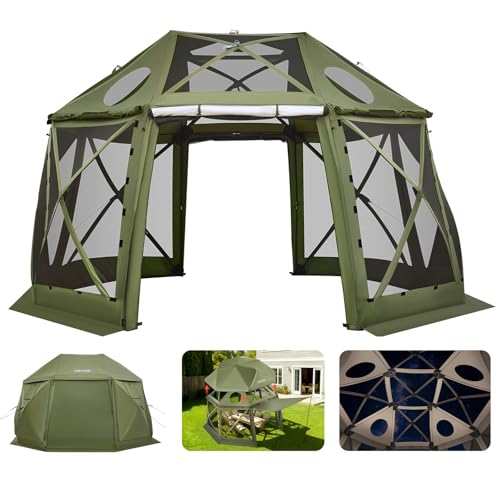


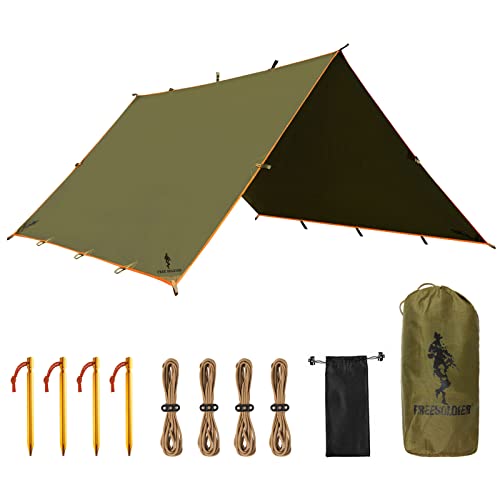
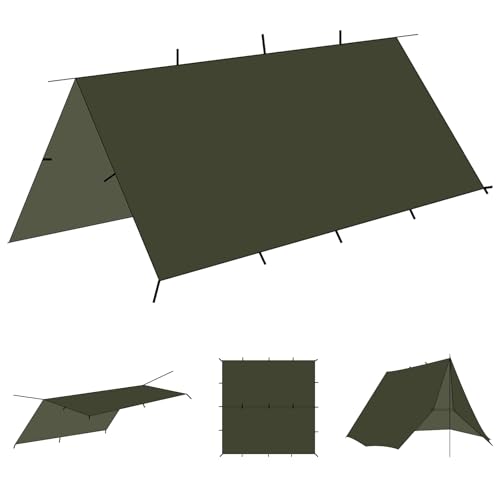


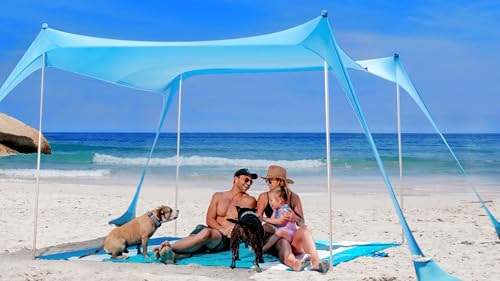
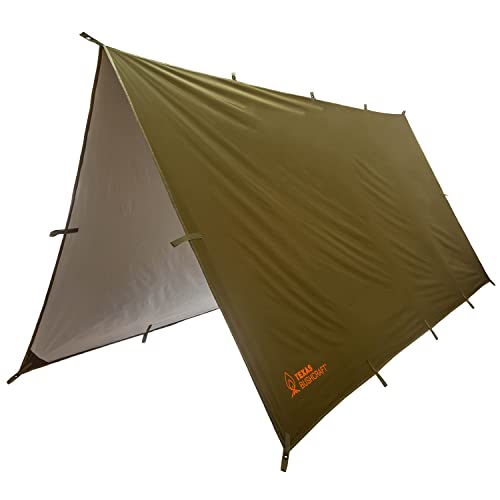
Spending Levels at a Glance
Instead of naming single products, it helps to think in spending levels, because each level trades weight, weather protection, and ease of setup in a different way. Budget shelters suit fair weather and short trips, mid range shelters suit regular campers who need better rain and wind protection, and premium shelters suit harsh weather and frequent use. Compare the whole package, including poles, stakes, and a carry bag, rather than the shelter fabric alone.
Budget Level
Budget shelters usually cost around $50 to $120 and work best for calm weather, short stays, and car camping where weight matters less. They often use lighter poles and simpler seams, so they need careful pitching and a good site choice to handle rain.
Mid Range Level
Mid range shelters often cost about $120 to $300 and add stronger poles, better seam sealing, and more useful ventilation. This level suits campers who go out regularly and want reliable rain protection without carrying a heavy expedition shelter. Look for a vestibule or a covered porch area, because that extra space keeps wet gear out of the sleeping area.
Premium Level
Premium shelters may cost around $300 to $700 or more, and they tend to make sense for frequent campers, exposed sites, or trips where weather can change fast. They often use stronger fabrics, sturdier poles, and more guy points for wind stability.
How to Choose the Best Camping Shelters: Buying Guide
This section covers the specs that matter most in real use. Focus on size, weather protection, weight, and materials, and check each one against the trips you actually take. A shelter that looks impressive in a store can still be the wrong choice if it is too heavy to carry or too small for your group.
Intended Use and Who It Is For
Your intended use should come first. Solo hikers need a light shelter that packs small, families need room for people and gear, and car campers can accept more weight in exchange for headroom and comfort. If you camp with children, choose a shelter with simple setup steps and clear maker safety guidance, and keep children away from stakes, guy lines, and hot stoves. Follow local rules for campsites, fires, and food storage, and never use a flame or a stove inside a shelter.
Key Performance Specs
The specs that matter most are floor size, peak height, packed weight, and weather ratings for rain and wind. A floor that is slightly larger than your sleeping pads gives you room for bags without crowding, while a higher peak height makes changing clothes and waiting out rain more comfortable. Check the rainfly coverage if the maker states a weather rating, and remember that a good pitch matters as much as the fabric itself. Guy lines should be taut, and the shelter should sit on ground that drains well.
Maintenance and Long Term Costs
Long term costs include replacement stakes, seam sealer, repair tape, and a new groundsheet over time. A shelter with standard pole sizes and widely available parts is cheaper to maintain than one with unusual fittings. Dry the shelter fully before storage, because packed damp fabric can develop mildew and weaken seams.
Build Quality and Materials
Build quality shows up in pole strength, stitching, zippers, and the way stress points are reinforced. Aluminum poles are lighter and resist corrosion better than many steel poles, while fiberglass poles cost less but can splinter with age. Fabric weight affects both durability and packed size, so a heavier fabric may last longer but add weight on a hike.
Warranty and Customer Support
A clear warranty helps if a pole breaks or a seam fails during normal use. Look for terms that explain what is covered, how long coverage lasts, and how to make a claim. Keep the receipt and the setup instructions, and set the shelter up at home before a trip so any missing parts show up early. Good support matters most for premium shelters, where a repair or a replacement part can save a trip.
Size, Weight, and Fit for Your Space
Size and weight must match your transport. Backpackers should favor a packed size that fits their pack and a weight they can carry comfortably over distance. Car campers can choose a taller shelter with more living space, since weight is less of a limit. Measure your vehicle or pack space, and check the packed dimensions rather than the pitched size alone.
When you plan the rest of your camp kit, a best camping coolers guide can help with food storage, while a best camping mattresses guide covers sleep comfort under the shelter. For bedding, the best camping pillows guide explains size and packability, and a best camping toilet guide is useful for longer stays at sites without facilities. Each of these choices affects how much space you need inside the shelter.
Types of Camping Shelters
Shelter types differ in shape, setup, and weather protection. The right type depends on your group, your transport, and the conditions you expect. Read each type as a trade off rather than a ranking, because a light tarp can be perfect for one trip and poor for another.
Compact Options
Compact shelters include small tents and tarp setups that pack light and pitch quickly. They suit solo travelers and ultralight hikers who value low weight over living space. Their limits show up in storms and on long trips, where low headroom and limited gear space can feel cramped. Choose a compact option when weight matters most.
Mid Range Options
Mid range shelters include dome tents, tunnel tents, and larger tarp shelters with better rain coverage and more room. They suit couples and small families who want a balance of weight, space, and weather protection. Setup usually takes a little longer than a compact shelter, but the extra room makes rainy days easier. Choose this type for regular camping in varied weather.
Premium Options
Premium shelters include four season tents, sturdy canvas shelters, and large group shelters built for harsh weather and long stays. They offer stronger poles, better ventilation control, and more living space, but they cost more and often weigh more. Choose a premium option when you camp often, face strong wind or heavy rain, or need a shelter that will last through many seasons.
Care and Maintenance Tips
- Read the manual before first use, and practice setup at home so you know every pole and stake.
- Clean and inspect the shelter regularly, checking seams, zippers, and pole joints for wear or damage.
- Store the shelter in a dry place, fully dry, with the fabric loosely packed rather than tightly compressed.
- Register the product for warranty if the maker offers that option, and keep the receipt with the manual.
- Reproof or reseal seams when water starts to soak through, following the maker instructions for your fabric.
- Repair small tears early with repair tape, before a small hole grows during wind or rain.
Frequently Asked Questions
How much should I spend on a camping shelter?
Most campers do well spending about $50 to $300, depending on group size and weather. Budget shelters suit fair weather and car camping, while mid range shelters suit regular use and better rain protection. Spend more if you camp in harsh weather, travel to exposed sites, or need a shelter that will last through many seasons. Set your budget after you decide how many people and how much gear the shelter must hold.
How long does a camping shelter last?
A camping shelter can last many seasons with careful use, full drying before storage, and prompt repairs. Sun exposure, damp storage, and rough ground wear fabric and seams faster than gentle use. Poles and zippers are common failure points, so inspect them before each trip and replace worn parts early. A shelter stored dry and pitched on suitable ground will usually outlast one that is packed away damp.
What features matter most when buying camping shelters?
The features that matter most are floor size, weather protection, weight, and ease of setup. A rainfly that covers the walls well, strong poles, and good ventilation matter more than minor extras. Ventilation reduces condensation, which keeps bedding drier on cool nights. Check packed size too, because a shelter that is hard to carry may stay home on the trips when you need it most.
How do I maintain a camping shelter?
Maintain a camping shelter by shaking out dirt, wiping the fabric with clean water, and drying it fully before storage. Inspect seams, zippers, and pole joints after each trip, and repair small damage before it grows. Avoid harsh cleaners unless the maker recommends them, and store the shelter loosely in a dry place. Regular care keeps seams sealed, zippers smooth, and fabric strong for future trips.
Are expensive camping shelters worth it?
An expensive shelter is worth it if you camp often, face harsh weather, or need extra durability and living space. Premium materials and stronger poles handle wind and rain better, and better ventilation makes long stays more comfortable. For occasional fair weather camping, a mid range shelter usually gives you the protection you need without the higher price. Match the price to your trip frequency and weather, not to the largest shelter available.
Final Thoughts
Choose by group size, weather, and transport rather than by size alone. A compact shelter suits solo hikers, a mid range shelter suits most regular campers, and a premium shelter suits harsh weather and frequent use. Practice setup at home, follow the maker safety guidance, and never use a flame inside a shelter. With those checks done, the best camping shelters are easier to compare, and the product table above can help you settle on a type and price that fits your trips.