Best Chaco Hiking Sandals: Types Compared and How to Choose for 2026
Disclosure: We may earn a commission when you buy through links on this page, at no extra cost to you. As an Amazon Associate I earn from qualifying purchases. Learn more

Compare the best chaco hiking sandals by type, with pros and cons, ideal users and price range.
Chaco sandals look similar at a glance, yet strap layout, footbed shape, and outsole grip change how each pair feels after five miles. This guide sorts the best chaco hiking sandals by type first, so you can match a style to your trails before you worry about color. Fit and arch support matter more than any single feature.
Use the product table below for price bands and weights, then read the type guide that follows. A sandal that suits river walks and camp evenings may feel underbuilt on rocky climbs, so be honest about the ground you cover most.





Types of Chaco Hiking Sandals Compared
All hiking styles from this brand share a contoured footbed and adjustable straps that run through the midsole, which lets one strap system fit many foot shapes. The differences below are about how that system wraps your foot, what the upper is made from, and how much coverage and hold you get on uneven ground.
Adjustable Single Strap Models
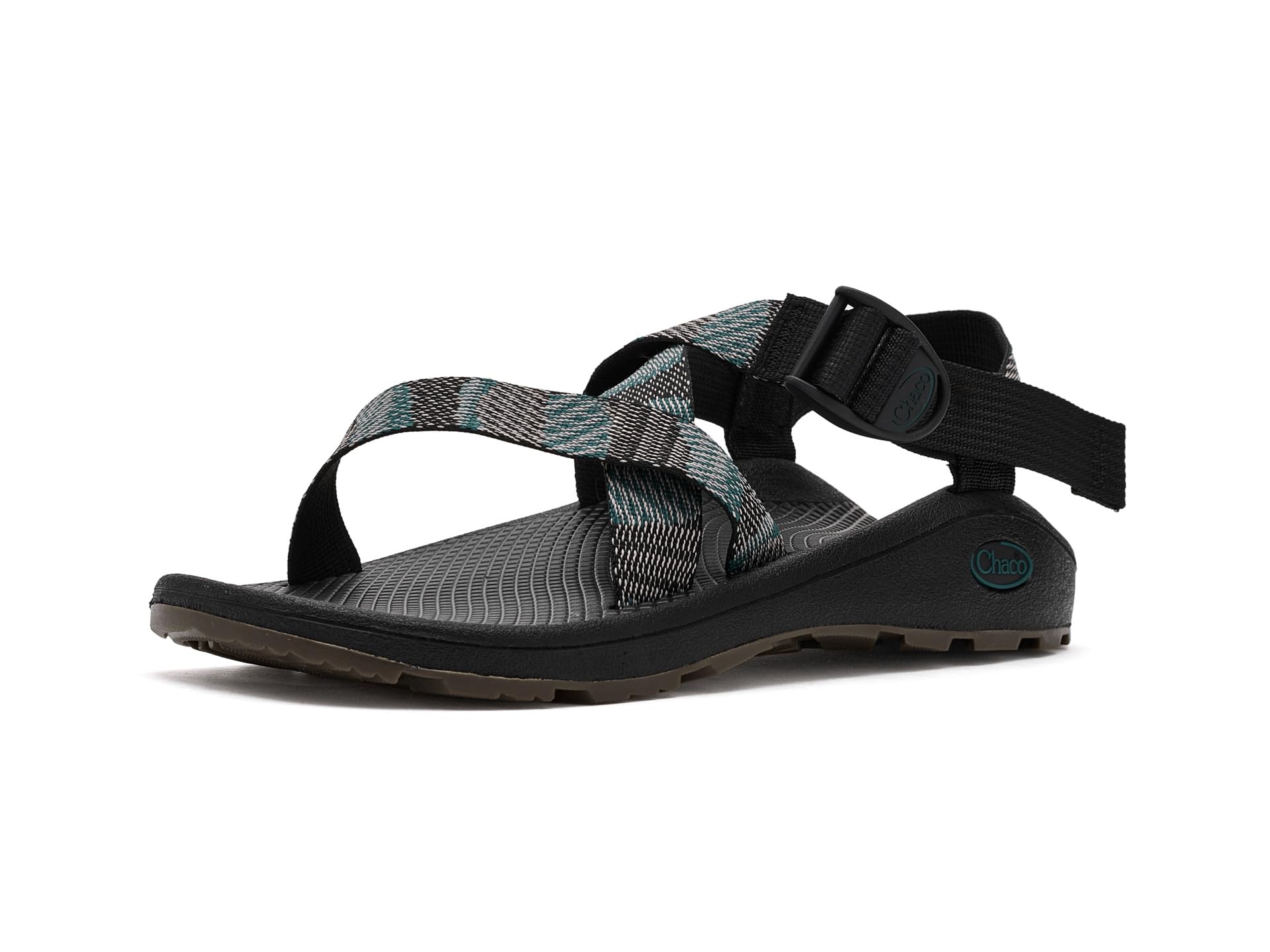
The classic single strap design uses one continuous strap that you pull to adjust around the ankle, heel, and forefoot in a linked pattern. It is the simplest to dial in and the easiest to clean after muddy trails, and it suits wide and narrow feet alike because the strap slides rather than sitting at fixed points. The trade off is a slightly less locked feel on steep descents. Most hikers who want one pair for trails, water, and travel start here, at around $90 to $120.
Double Strap Models
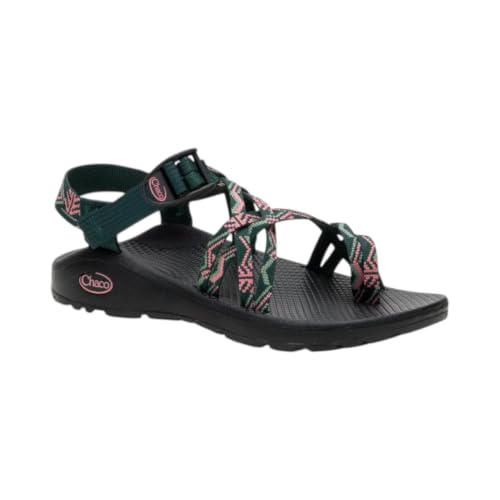
Double strap designs add a second strap across the forefoot for a more secure hold, which helps on side slopes and rocky scrambles where a loose sandal can shift. Adjustment takes longer, since both straps interact, and small feet can find the extra webbing bulky. In return you get a planted feel that suits longer hikes and heavier day packs. Expect to pay around $100 to $130. If your hikes lean rugged rather than casual, this extra hold is the main reason to step up.
Toe Loop Models
Toe loop styles route a strap around the big toe, adding control when you push off on climbs or walk downhill. Many hikers find toe position steadier and report less foot sliding inside the sandal. Others find the loop rubs during the first wears, so a patient break in period matters more with this type. Try them late in the day when feet are warm and slightly swollen, and walk on an incline in the store if you can. Prices usually sit around $95 to $125.
Leather Upper Models
Leather upper styles swap webbing for leather straps over a similar supportive footbed, giving a cleaner look that works at camp, in town, and on light trails. Leather needs more care, dries slowly after full soaking, and costs more, often around $110 to $140. It molds to your foot shape over time, which many owners love. Choose leather if your hiking is gentle and you want one pair that also looks right at dinner, rather than the toughest trail option.
Single Strap vs Toe Loop: Which Should You Choose?
On flat and rolling trails, the single strap feels simpler and adjusts faster at water crossings and rest stops. On steep or uneven ground, the toe loop adds control that reduces sliding and toe banging against the footbed edge. For grip, both share similar outsoles, so the choice is about hold, not traction. For comfort, sensitive feet usually prefer the loop free design. For value, both sit in the same price band, so choose by terrain. Frequent river hikers who adjust straps often tend to pick single strap, while hill focused hikers tend to pick the loop.
For a broader view beyond this brand, readers can compare styles in our guide to the best rated hiking sandals after narrowing the type here.
How to Choose the Best Chaco Hiking Sandals
Cushioning and Support
This brand is known for firm, shaped support rather than soft, plush cushioning. The contoured footbed supports the arch and cups the heel, which helps tired feet on long days but can feel hard at first if you are used to foam trainers. Give your feet a week of shorter walks to adapt. Many walkers like the structure, while people who want a soft, squishy ride usually do not. Firm support also keeps its shape far longer than soft foam, which matters over years of use.
Durability and Expected Lifespan
A quality pair should last several seasons of regular hiking, and the straps and footbed can often be repaired or replaced through brand services, extending life further. Watch the outsole lugs, since worn smooth tread ends trail grip long before the straps fail. Webbing that frays at friction points and footbeds that crack around the strap slots are end of life signs. Rotating with a second pair on multi day trips lets each pair dry fully and slows wear on both.
Fit, Sizing, and Toe Box
Measure and try sandals late in the day, when feet are at their largest, and wear them with the strap tension you would use on trail. Your heel should sit inside the footbed cup with a small margin at front and back, and toes should never hang over the edge. Many styles come in whole sizes only, so half size feet often do better sizing up and tightening the straps. Walk downhill on a ramp if the store has one, since sliding forward is the most common fit complaint.
Water Use and Drying
Webbing styles are built for water, with quick drying straps and footbeds that grip when wet, which is why river guides favor them. They are not waterproof in the boot sense, and they do not try to keep feet dry. Instead they drain fast and stay secure in currents where a loose shoe would float away. After salt water or silty rivers, rinse with clean water to protect the webbing and buckle. Leather styles are the exception here and should avoid repeated soaking.
Weight and Flexibility
These sandals are heavier than minimal travel sandals, and that weight buys support, grip, and durability on real trails. A pair typically weighs more than a pair of trail runners, which you will notice in a travel bag more than on your feet. Flex should happen at the forefoot, not by twisting through the arch. If you mostly walk paved paths and campsites, a lighter style may serve you better. Our guide to the best chaco sandals covers lighter everyday styles from the same brand.
Tips to Get the Most From Your Chaco Hiking Sandal
- Adjust straps in the order the brand suggests, starting at the ankle, so tension spreads evenly and no single strap digs in.
- Rinse grit out of the strap slots after sandy hikes, since trapped sand acts like sandpaper inside the midsole channels.
- Air dry wet sandals away from direct heat and strong sun, which can age webbing and fade colors over time.
- Tighten straps slightly before descents and loosen them at camp, giving feet room to recover and swell down.
- Trim toenails before long hikes, because open toes and downhill sliding are a painful pairing.
Women comparing fit across brands may also find our guide to the best hiking sandals for women useful, since strap placement differs by last shape.
Frequently Asked Questions
How should chaco hiking sandals fit?
Your foot should sit fully inside the footbed outline with a small margin at the heel and toes, and straps should hold snugly without numbness or hot spots. A little strap tail after adjustment is normal. If your toes reach the very edge when standing, go up a size. Fit them in the afternoon and walk around at home on carpet before committing, while returns are still simple.
Can I wear them all day?
Yes, once your feet adapt to the firm, shaped footbed, most owners wear them from trailhead to campfire. Build up gradually over the first week, starting with an hour or two at home. People with very flat feet or specific foot conditions should build up more slowly and stop if sharp pain develops. All day comfort depends far more on correct strap tension than on adding socks or liners.
How long is the break in period?
Expect about one to two weeks of regular short walks for your feet to adapt and for straps to settle into their final positions. The footbed itself changes little, since it is firm by design. What changes is your foot strength and skin toughness at strap contact points. Wear them on easy ground first, and save the long hike for week two or later to avoid blisters ruining the trip.
Do I need waterproof shoes?
For sandal hiking, no. Sandals handle water by draining and drying fast rather than by keeping it out, and they beat soggy boots in warm weather and at stream crossings. In cold rain or early season snow melt, though, open sandals leave feet chilled and exposed, and a closed shoe is the safer call. Match the footwear to the forecast, not to habit. Water focused walkers can also see our guide to the best hiking and water sandals.
Are expensive chaco hiking sandals worth it?
Higher prices mainly buy strap layouts with more hold, leather uppers, or newer outsole rubber, not a different level of basic quality. For casual trails, the mid price classic gives nearly all the benefit. Pay more when a specific gain, such as toe loop control or a leather look, solves a real problem for you. Shoppers comparing rival brands often start with our guide to the best teva sandals for hiking for a softer footbed contrast.
Wrapping Up
Pick the strap layout for your terrain, respect the firm footbed while your feet adapt, and size with a margin at both ends. Do that, and the best chaco hiking sandals for your trails will serve for seasons, not months. Compare the types in the product table above, and choose hold and support over color every time.