Best Camping Fridge Freezers: What Actually Matters Before You Buy for 2026
Disclosure: We may earn a commission when you buy through links on this page, at no extra cost to you. As an Amazon Associate I earn from qualifying purchases. Learn more

Use this checklist to compare the best camping fridge freezers by size, cooling range, power use and build quality, so food stays cold on any trip.
Choosing among the best camping fridge freezers is easier when you judge every model against the same simple checklist. A portable compressor unit has to hold safe food temperatures in a hot vehicle, sip power from a battery, and survive dusty roads and tight packing.
This guide walks through the checks that matter most, from size and cooling range to power draw and build quality. Use the comparison table below to line up capacities and temperature ranges, then decide which tradeoffs fit your trips.


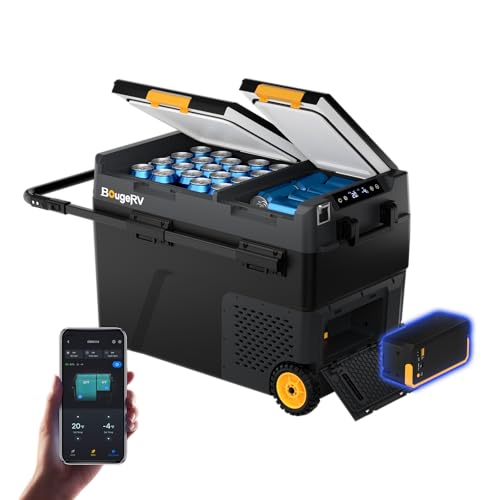


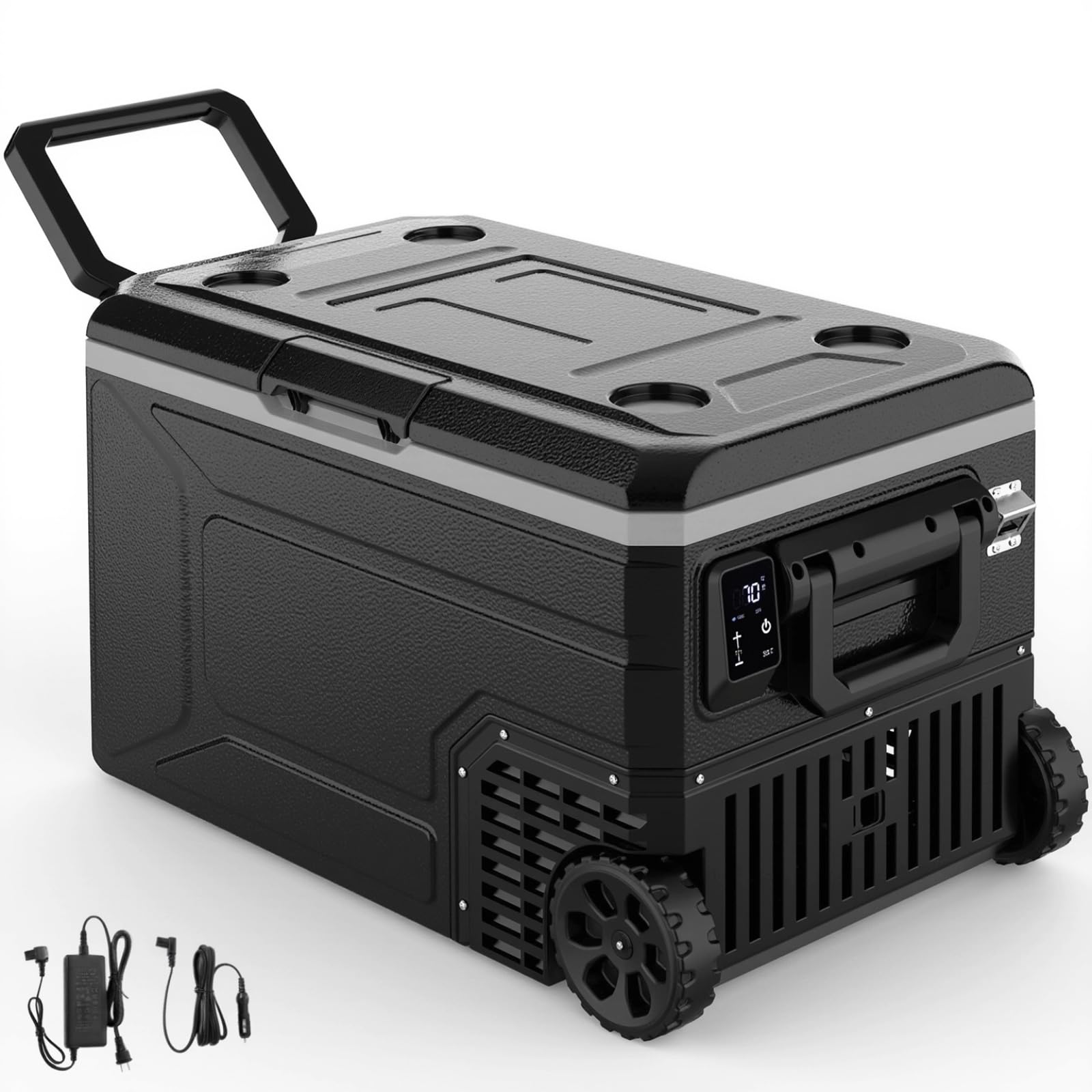
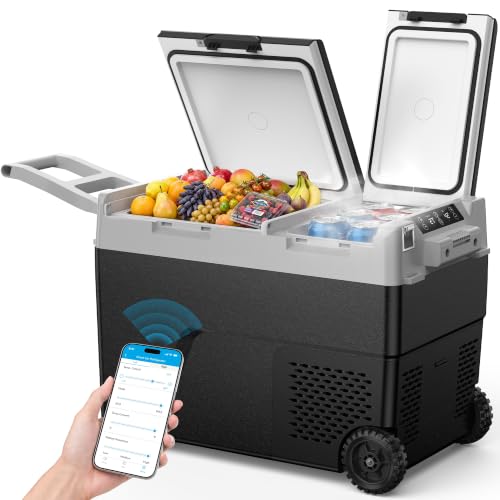
Camping Fridge Freezers: Key Features to Compare
Home fridge shopping revolves around styles such as french door layouts, a top freezer, upright freezers, and a built in ice maker. None of that applies to a portable camping unit. What matters instead is how the box cools, how much power it draws, and how well it handles travel, and the seven checks below cover each point.
Size and Capacity in Liters and Cubic Feet
Portable units are sized in liters, and many listings also show cubic feet to help you picture the space. A unit around 20 to 30 liters suits one or two people for a weekend, while about 40 to 55 liters gives a family room for several days of food and drinks. Bigger is not always better, because a large box takes cargo space and weighs more when loaded. Picture your usual grocery load and pick the smallest size that holds it without crushing soft items.
Cooling Power and Temperature Zones
Look for a stated temperature range rather than vague claims about fast cooling. Most compressor models can reach well below freezing, often down to around 0°F or lower, which lets you store ice cream, raw meat, and ice packs safely. Single zone models hold one temperature, so you set a fridge level around 37°F and give up true freezing. Dual zone models split the box into fridge and freezer sections with separate controls, which suits longer trips but costs more and adds weight. Match the zones to how you actually eat outdoors.
Power Use and Battery Protection
A camping unit runs on 12 volt or 24 volt vehicle power and on household current through an adapter, so its power draw shapes your whole setup. Lower average watt use means longer run time from a portable power station or a vehicle battery. Just as important is adjustable battery protection, which shuts the unit down before it drains a starter battery too far. Set protection higher when the unit shares the starter battery, and lower when it runs from a separate leisure battery or power station.
Compressor Type and Noise Level
The compressor is the heart of the unit, and a variable speed or inverter compressor design can adjust its output instead of switching fully on and off, which often means steadier temperatures and lower power use. Noise matters more than many buyers expect, because the unit may run a few feet from your tent or inside a camper while you sleep. Makers rarely publish a clear decibel figure for portable units, so favor models described as a soft hum rather than a buzz that cycles through the night.
Build Quality, Lids, and Handles
Check the parts your hands touch every day. A lid should seal firmly, latch without a fight, and open from either side or lift off entirely on models that offer that flexibility. Sturdy handles double as tie down points in many designs, which keeps the box from sliding in the cargo area. Thick insulation in the walls and lid helps the unit hold temperature during stops when power is off. Reinforced corners and recessed controls tend to survive rough roads better.
Controls, Displays, and Extra Features
A clear display showing set and current temperatures helps you confirm food is staying cold at a glance. Simple buttons you can work with cold or gloved fingers beat fussy touch panels at a campsite. Useful extras include a removable basket that lifts food out in one go, interior lighting for night use, and app control if you like adjusting settings from the driver seat. Treat extras as tiebreakers, because cooling, power use, and size affect every trip while most extras matter only now and then.
Warranty and Support
Compressor coverage is the warranty term that matters most, because the compressor is the costliest part to repair. Compare its length separately from the shorter coverage on electronics and fans, and check whether the maker sells spare lids, baskets, and power cords. If brand background helps your decision, see our guide to the best company for fridge freezers for notes on maker support and parts availability.
Choosing the Right Setup for Your Vehicle and Trips
With the core checks covered, narrow your choice by matching the unit to your vehicle, your power source, and the way you travel. The best camping fridge freezers for one driver can be wrong for another, so let your own pattern lead among the three setups below.
For Car Camping and Road Trips
If you drive to a campsite, set up once, and explore on foot, a midsize single zone unit around 35 to 45 liters is usually the sweet spot. It holds a long weekend of food for two to four people and still leaves room in the trunk for tents and chairs. Power is simple in this setup, since you can run the unit from the vehicle while driving and plug into campsite power or a small power station at night. To compare models shaped specifically for vehicle use, see our guide to the best car fridge freezers.
For Longer Stays and Freezer Heavy Loads
Trips of a week or more, group cooking, and hunting or fishing outings push you toward a larger dual zone unit. Freezing space lets you store meat safely for days, prefreeze meals at home, and keep ice for drinks without daily store runs. Plan your power around the bigger load, because a large box opened often in hot weather draws noticeably more energy. If you only need freezing and no fridge space at all, see our guide to the best camping freezers for units built around that single job.
For Small Vehicles and Tight Spaces
Compact cars, small SUVs, and solo travelers often do better with a unit under 30 liters that fits behind a seat or in a footwell. Measure the space with the seats in their normal positions, and leave a few inches around the vents so the unit can shed heat. A smaller box also lifts in and out more easily when you want to carry it to a picnic table. For models sized for tight cargo areas, see our guide to the best small fridge freezers before you settle on a capacity.
Quick Buyer Checklist
Run through these questions before you order, and let any no answer point you to a different size or setup. The product table above can help you confirm capacities and temperature ranges as you go.
- Does the capacity in liters match the food and drinks you pack for a typical trip?
- Can the unit reach true freezer temperatures if you plan to store raw meat or ice cream?
- Does it run on both vehicle power and household power with the cords included?
- Does it offer adjustable battery protection for the battery you plan to use?
- Have you measured your cargo space, including room around the vents for airflow?
- Can you lift the unit comfortably when it is fully loaded with food and drinks?
- Are spare cords, lids, and baskets available from the maker if something breaks?
- Does the compressor warranty run clearly longer than the general parts coverage?
Red Flags to Watch For
Some listings look strong at first glance and disappoint in daily use. Watch for these warning signs while you compare models.
- The listing promises very cold temperatures but never states a clear lowest temperature or temperature range.
- Power use is described only with vague words and no watt or amp figures you can plan a battery around.
- The unit is a thermoelectric cooler sold with fridge language, since that style cools only modestly below the surrounding air and cannot freeze.
- The warranty is very short or silent about the compressor, which is the part most likely to end the unit life if it fails.
- Capacity claims count the whole box including thick walls, leaving far less usable space than the headline number suggests.
Care and Maintenance Tips for a Camping Fridge Freezer
Care for this type of unit is simple and quick. Wipe the interior with a mild cleaner after each trip and dry it fully before storage, which stops stale smells and mold on the gasket. Store the unit with the lid slightly open so air can move and the seal does not stay compressed for months. Keep the vents and the compressor area free of dust and pet hair by brushing or vacuuming them every few trips, because blocked airflow makes the unit work harder and use more power.
Check the lid gasket each season by closing the lid on a sheet of paper at several points. If the paper slides out with no resistance, the seal is worn there and cold air is leaking. Inspect both power cords before a long trip, and run the unit at home for a few hours before departure so any cooling problem shows up while you can still adjust plans.
Frequently Asked Questions
How long should a camping fridge freezer last?
A camping fridge freezer should last about 8 to 12 years with normal use and basic care. Compressor quality is the biggest factor, followed by how often the unit rides over rough roads. One point many owners miss is storage: a unit stored clean and dry, and run briefly every few months, tends to outlast one left sealed and damp all winter.
What size camping fridge freezer does a family need?
Most families of four do well with about 45 to 55 liters for trips of three to five days. That space holds daily meals, milk, and drinks without constant repacking. If your family packs bulky items such as large salad bowls or big juice bottles, favor a wider box over a taller one, because wide shapes waste less space and make it easier to see everything at once.
Can a camping fridge freezer run in a hot parked vehicle?
Yes, a camping fridge freezer can run in a hot parked vehicle, but it will work harder and draw more power as cabin heat rises. Parking in shade, cracking a window where safe, and covering the unit with a light blanket or insulated cover all reduce the load.
How much electricity does a camping fridge freezer use?
A camping fridge freezer typically uses about 30 to 60 watts while the compressor runs. Daily use often lands around 200 to 500 watt hours depending on heat, settings, and how often you open the lid. Most portable models carry no ENERGY STAR rating, unlike full size home fridges, so compare watt figures and battery run time instead. If a home unit is your main need, see our guide to the best fridge freezers for household options.
Can a camping fridge freezer run on solar power?
Yes, a camping fridge freezer can run on solar power when the panel charges a battery or power station that then feeds the unit. Direct panel power alone is unreliable because clouds and evening hours cut output while the fridge still needs cooling. A practical starting point for sunny regions is a panel around 100 watts paired with a battery that stores at least a full day of fridge use, so the unit keeps running overnight.
Final Thoughts
Size, temperature range, and power use decide most of your experience, so settle those three first and let controls and extras break any ties. Match the box to your vehicle and your battery, check the compressor warranty, and confirm the details against the product table above. Chosen that way, the best camping fridge freezers for your trips will keep food safe, drinks cold, and ice frozen without draining the battery you count on.