
Best Car Fridge Freezers Made Simple: A Clear Buying Guide for 2026
Disclosure: We may earn a commission when you buy through links on this page, at no extra cost to you. As an Amazon Associate I earn from qualifying purchases. Learn more

Compare the best car fridge freezers by cooling class, size in liters, and battery protection, with plain first time buyer advice on power use and setup.
A cooler full of ice works for one afternoon, but it fails on day two of a road trip when the ice is water and the sandwiches are floating in it. The best car fridge freezers solve that by running real cooling from your vehicle power, so food stays cold for the whole trip and frozen goods actually stay frozen. This guide explains the two cooling classes in plain words, then walks through size, power, and setup, and the comparison table below shows how the main types stack up.
No ice runs also mean no surprise grocery bills at every stop and no guessing whether the milk is still safe. Once you know which cooling class fits your trips and how much space your vehicle can give up, the right size almost chooses itself.
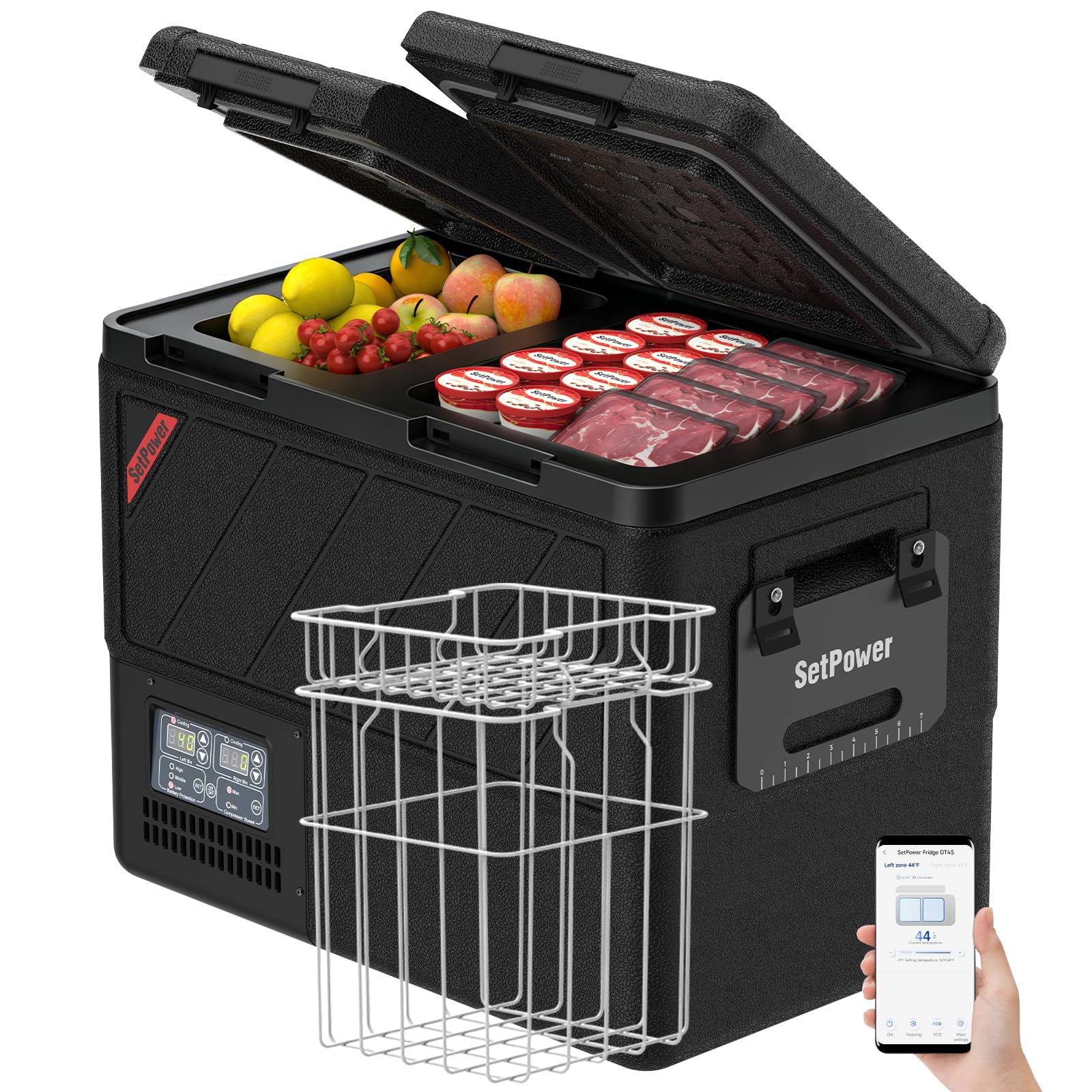
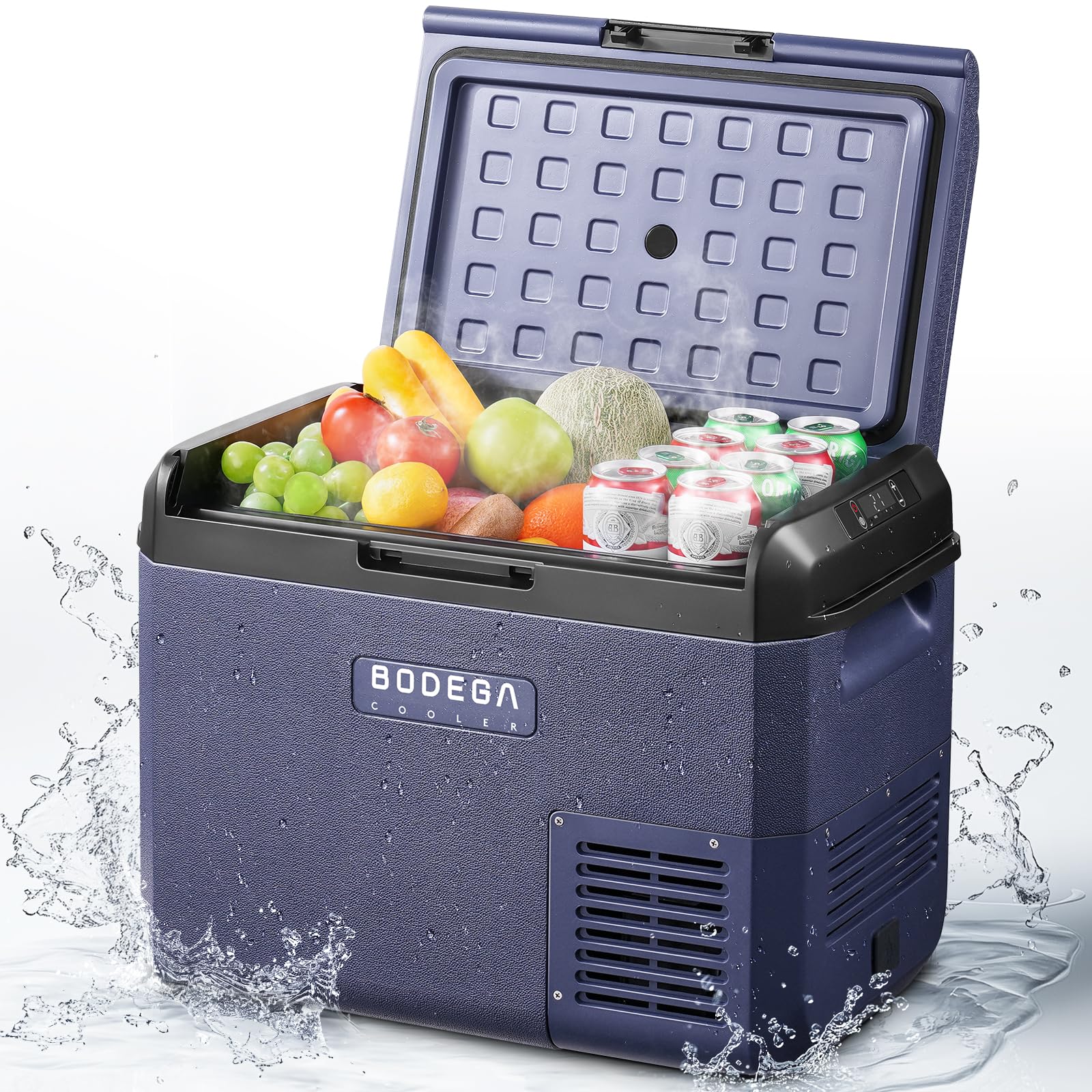
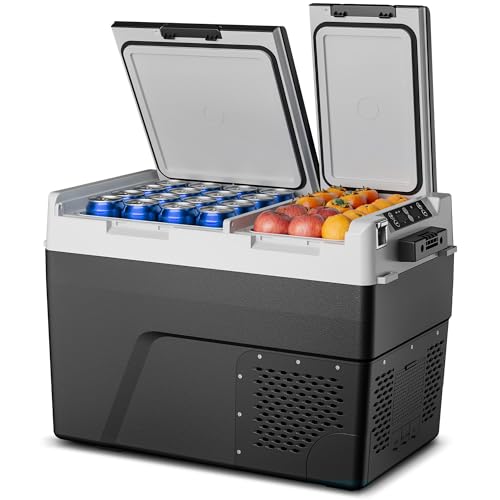
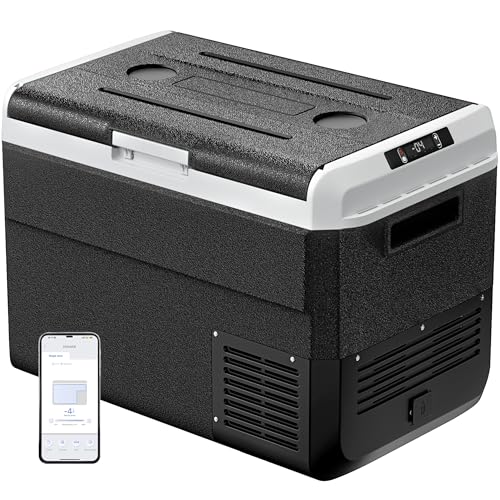
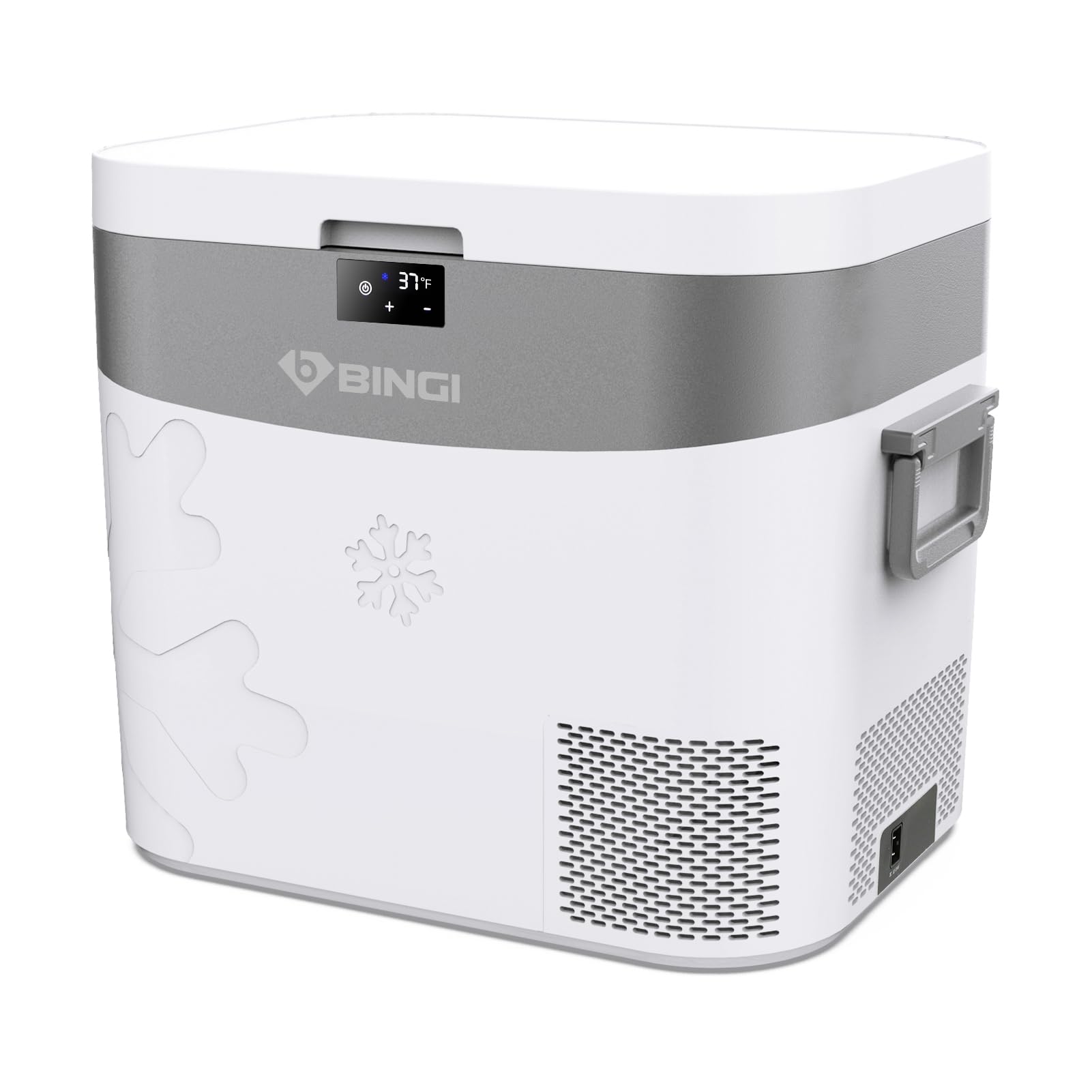
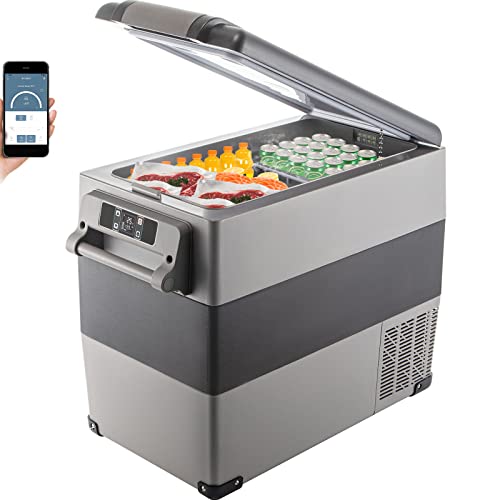


Car Fridge Freezers 101: The Basics
Everything in this class runs from a 12 volt vehicle outlet, and most units also accept wall power through an adapter for home use. The real split is how the cooling happens. A compressor model works like a small home refrigerator and is a true freezer class: it can hold food at about 0 degrees F even when the car interior bakes on a summer day.
A thermoelectric model uses an electric plate and a fan, and it only cools below the surrounding air, typically about 30 to 40 degrees F below whatever the cabin temperature is. On a 95 degree afternoon that can leave the inside near 60 degrees F, which is fine for drinks and produce and not safe for raw meat or ice cream.
Scale is the other basic difference from home gear. A full size unit from the best fridge freezers class belongs in a kitchen, runs only on wall power, and would never fit behind a seat, while car units are built smaller, tougher, and happy to ride over rough roads. Portable is the working word here, and the best portable fridge for car label describes this same lift out, plug in class built for vehicles.
Key Specs Explained in Plain English
Zones and Lid Styles
A single zone unit holds one temperature everywhere inside, which suits all drinks or all fridge goods but forces a compromise when you carry both. A dual zone unit splits the box into fridge and freezer sections with separate settings, so ice cream and salad can ride together. Top opening chest style lids keep cold air inside each time you open up, because cold air sinks, while front opening doors read contents at a glance but spill cold air faster. Measure your trunk or footwell before choosing, and check that the lid can open fully in the space you have.
Temperature Control and Cooling Zones
A digital thermostat with a set temperature you choose is worth far more than a vague low to high dial, because food safety is a number, not a guess. Aim to hold a fridge zone at about 37 degrees F and a freezer zone at about 0 degrees F, and a good unit shows the current inside temperature as well as the target. Single zone buyers should set the box for the most sensitive food they carry and accept that drinks may ride colder than they would at home.
Battery Protection and Power Draw
A running compressor draws about 3 to 5 amps while it works and cycles off between runs, so the real question is what happens when the car is parked. This is where a battery protection setting governs the parked car: the unit watches vehicle battery voltage and shuts itself down before the battery falls too low to start the engine. A high protection level suits a starter battery you depend on daily, while a low level suits a separate deep cycle battery that can safely give up more of its charge. Never run a fridge parked with protection switched off unless a second battery is fitted.
Size and Capacity in Liters
Capacity is sold in liters, and the useful way to read it is against trip length and crew size. About 20 to 30 liters covers a solo driver on a weekend, about 35 to 45 liters suits two people over several days, and about 50 to 75 liters fits a family trip with frozen food along. If trunk space is tight, the best small fridge freezers class covers the compact end of the range. Bigger is not always better, because an oversized box eats cargo room and draws more power cooling empty air.
Energy Use, Reliability, and Warranty
Because the compressor cycles, average power use sits well below the peak draw, and an efficient unit sips power overnight compared with the headline amp figure. Reliability rests mostly on the compressor, so compare warranty terms carefully: many makers cover the compressor for longer than the rest of the unit, and the two numbers tell you where the maker expects wear. Shoppers comparing maker support often start with guides to the best company for fridge freezers, then confirm the exact warranty terms for the class they plan to buy.
Rookie Mistakes to Avoid
- Buying a thermoelectric cooler for a freezer job, then finding it cannot hold freezing on a hot day.
- Choosing capacity by liters alone without measuring the space, so the lid cannot open or the cable cannot reach.
- Running the fridge while parked with battery protection switched off, and meeting a flat starter battery in the morning.
- Loading warm food and expecting fast chilling, when the unit is built to hold cold far better than to create it.
- Packing luggage tight against the vents, which traps heat and quietly steals cooling power.
Getting Started: Setup and First Use
Run the unit on wall power at home first and let it cool empty for a few hours, then load food that is already cold from your kitchen fridge. Set the fridge zone to about 37 degrees F and the freezer zone to about 0 degrees F, leave a few inches of open space around the vents, and route the power cable where nothing can pinch or pull it. Set the battery protection level before your first parked run, not after. Campers powering a unit from a portable power station can borrow proven routines from guides to the best camping fridge freezers, where parked power is the whole game.
Car Fridge Freezers: Your Questions Answered
Can a car fridge freezer really keep food frozen on a long drive?
Yes, a compressor model can hold freezer temperatures for the whole drive, because its cooling does not depend on the cabin temperature. Two habits decide the result more than the spec sheet does. Precool the unit before loading, and open the lid briefly and rarely, since every long look inside dumps cold air. Parked in strong sun, any unit works harder, so a shade or a light cover over the body helps more than most buyers expect.
Should you run a car fridge freezer from the starter battery or a second battery?
For drives where the engine runs most of the day, the starter battery with battery protection switched on is enough for most people. A second battery or a portable power station becomes the better answer when the fridge must run parked for a full day or more, because the fridge can draw it down without touching your ability to start the car. Many regular campers start with the starter battery and add the second power source after the first long parked weekend.
How much space does a car fridge freezer need around it to vent heat?
Leave about 2 to 3 inches of open space around the vents and the compressor end of the unit. The fridge moves heat from inside the box to that vent area, and blocked vents make the compressor run longer, draw more power, and cool worse. Soft bags are the usual culprit on packed trips, so load the fridge last or keep one side of it deliberately clear, even when the trunk looks full.
Can you run a car fridge freezer on wall power at home or at a campsite?
Yes, most units include a wall power adapter or offer one as an accessory, and this is one of the most useful habits a new owner can build. Running the fridge at home lets you precool it and pack it at the kitchen counter instead of at the curb. At a powered campsite the same adapter takes the load off your vehicle battery completely, so the battery protection question disappears for that night.
How do you clean and store a car fridge freezer between trips?
Wipe the inside with a mild soap solution, dry it fully, and store it with the lid slightly open so stale air and mildew never get started. Drainage plugs on many models let meltwater and spills out without tipping the whole unit. Store the power cables inside the box so they travel with it, and give the door seal a quick check for crumbs or grit, because a dirty seal leaks cold air on every trip that follows.
Final Thoughts
Choose the cooling class first, since that single decision decides whether frozen food survives a hot day, then match liters to your longest usual trip, and always set battery protection before a parked run. Thermoelectric coolers cost about $60 to $120, compressor models run about $200 to $600, and large dual zone units sit above that. Look back at the product table above with those three checks in hand, and the best car fridge freezers for your trips will stand out quickly.


