Best Camper Generators: A First Time Buyer's Guide for 2026
Disclosure: We may earn a commission when you buy through links on this page, at no extra cost to you. As an Amazon Associate I earn from qualifying purchases. Learn more
A first time buyer guide to the best camper generators, covering wattage, noise levels, fuel types, run time and campsite safety for road life.
Choosing best camper generators for the first time can feel confusing, because wattage numbers, fuel types, and noise ratings all sound technical. This guide explains power needs in plain language, so you can run lights, a fridge, and charging devices without overloading a small generator or carrying more weight than you need.
You will learn how to add up starting and running watts, how inverter generators differ from standard models, and how to judge noise, fuel use, and safety for campsites. The comparison table below gives a quick overview of the main types, and the sections that follow help you match a generator to your camper and your travel style.
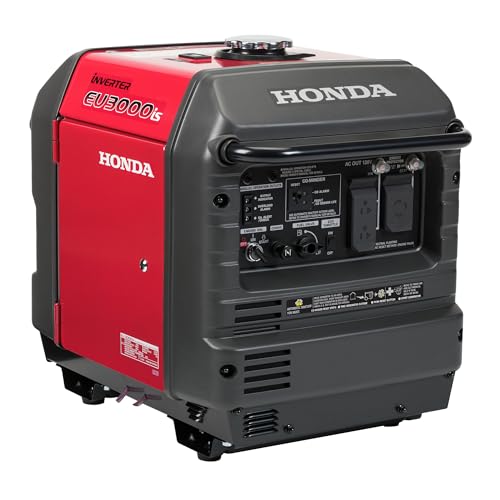
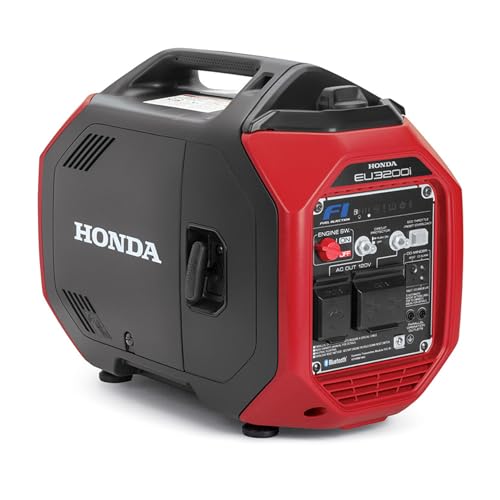
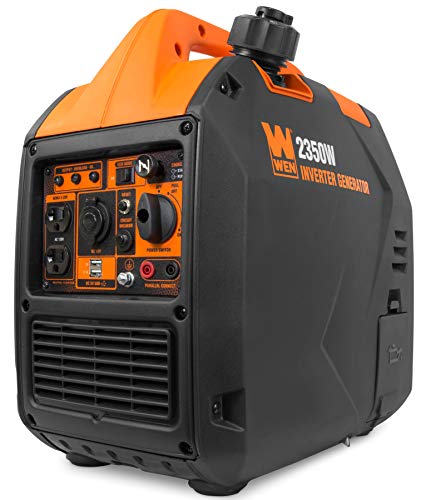
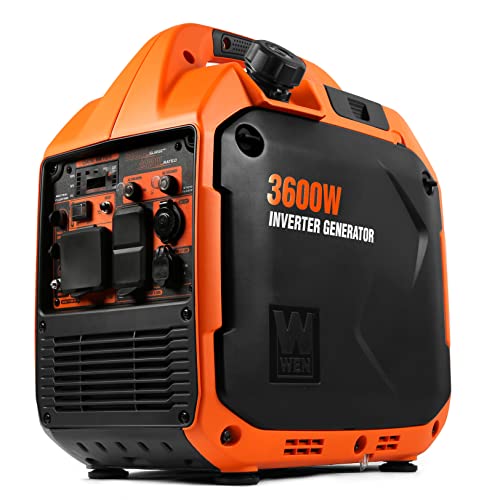

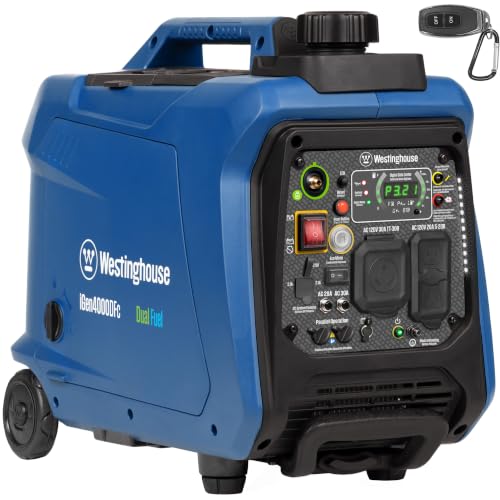
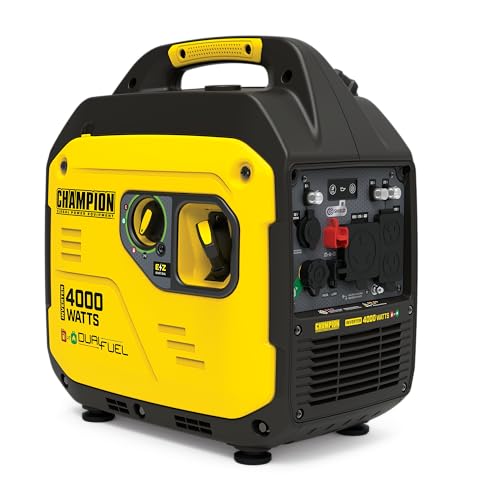

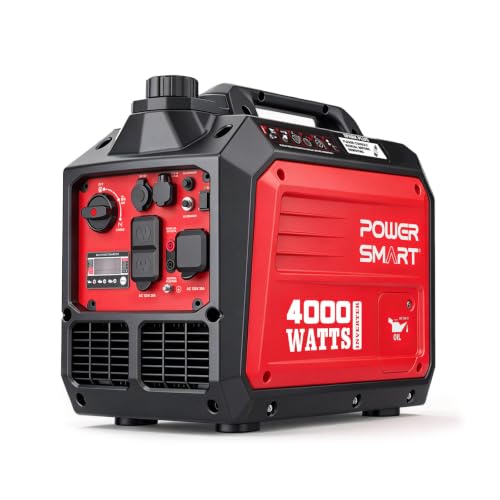
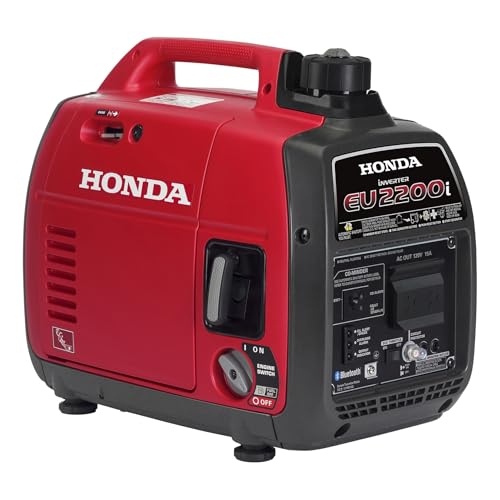
Who This Guide Is For
This guide suits new camper owners, weekend campers, and full time road travellers who want reliable power away from hookups. If you camp mainly at sites with power, a small generator may be enough for backup. If you camp off grid for days, fuel capacity, battery charging, and quiet running matter far more.
It also helps families who run a fridge, fans, lights, and phones at once, because total power adds up quickly. Think about your largest appliance, your camping season, and site rules about generator hours, then let those answers shape your short list. A generator that is too small will trip often, while one that is too large wastes fuel and space.
Camper Generators Types Compared
Generator types differ in power quality, noise, and weight, so compare them by the appliances you actually run.
| Type | Best For | Typical Price |
|---|---|---|
| Inverter Generators | Sensitive electronics and quiet campsites | about $500 to $1,500 |
| Standard Portable Generators | High power at a lower price | about $300 to $900 |
| Dual Fuel Generators | Flexible fuel on long trips | about $600 to $1,400 |
| Small Battery Power Stations | Light loads and short quiet nights | about $300 to $1,000 |
Inverter Generators
Inverter generators produce clean, stable power that suits phones, laptops, and camper electronics, and they run quieter than many standard models. They adjust engine speed to load, which saves fuel at low power. This type suits most campers who value quiet operation and safe charging for electronics.
Standard Portable Generators
Standard portable generators offer more watts per dollar and suit power tools, air conditioners, and large appliances. They tend to be louder and heavier, and power output can be less stable for sensitive electronics. Use them where noise rules allow and where clean power is less critical.
Dual Fuel Generators
Dual fuel generators run on petrol or propane, which helps when one fuel is hard to find on a long trip. Propane stores well and burns cleaner, while petrol is widely available at fuel stations. Check fuel switching, tank size, and propane hose fittings before you buy, and store fuel safely away from living areas.
Small Battery Power Stations
Battery power stations are silent, need no fuel, and suit lights, phones, fans, and small fridges for short periods. They cannot run air conditioners or large heaters for long, and recharging takes time from solar, mains, or a vehicle. They pair well with a generator for quiet hours and light overnight use.
Key Features to Compare
Compare these features before you compare wattage alone, because real camping comfort depends on noise, fuel, and safety.
Wattage and Starting Power
Add running watts for everything you will run at once, then add the highest starting watts for motors such as air conditioners or fridges. Starting watts can be two or three times running watts for a short burst, and an undersized generator will trip or stall. List your appliances, check their labels, and leave a safety margin rather than buying exactly to your total.
Noise Level
Noise is measured in decibels, and a small difference matters a lot at a quiet campsite. Inverter models often run at about 50 to 60 decibels at a distance, which is closer to normal conversation. Check noise at quarter load and full load, respect campsite quiet hours, and place the generator away from neighbours and sleeping areas.
Fuel Type and Run Time
Run time depends on tank size, load, and engine efficiency, and it decides how often you must refuel at night or on a long stay. A larger tank helps for overnight fridge use, but it adds weight and size. Check fuel use at half load, carry fuel safely in approved containers, and never refuel a hot engine.
Weight and Portability
Weight matters when you load a camper, lift a generator into a truck bed, or move it around a site. Wheels, handles, and compact size help, but very light models may offer less power. Test lifting and moving the generator before you buy, and plan a secure storage spot that keeps it dry and ventilated.
Outlets and Safety Features
Check outlet types, including household outlets, USB ports, and 12 volt outputs, and whether the generator offers overload protection, low oil shutoff, and ground fault protection. Carbon monoxide safety is critical, so never run a generator inside a camper, tent, or enclosed space. Use a carbon monoxide alarm, keep exhaust away from windows and vents, and follow the manual for safe placement.
Related Guides to Compare
To see how camper models compare on reliability and user satisfaction, read our overview of best rated generators before you narrow your short list.
If you want power that starts on its own during an outage, our guide to best automatic generators explains standby systems and transfer switches.
For home and camper backup planning, our guide to best backup generators covers sizing, fuel storage, and safe connection.
If emergency use is your main need, our guide to best emergency generator focuses on quick setup, fuel readiness, and essential loads.
Common Mistakes to Avoid
A common mistake is buying by peak watts alone and then finding the generator cannot start an air conditioner while the fridge is running. Another mistake is ignoring campsite noise rules, which can lead to complaints or fines. Add up your real loads, check starting watts, and choose a quiet inverter model when you camp near others.
Care and Upkeep Over Time
Change oil on the maker schedule, clean or replace the air filter, and check spark plugs and fuel lines for wear. Run the generator regularly with a load, even in storage season, and use fuel stabiliser if fuel will sit for months. Store the generator dry, covered, and ventilated, and keep spare oil, filters, and fuses in your camper toolkit.
Questions to Ask Before You Order
Ask yourself which appliances you must run at once, how long you camp off grid, and what noise rules apply at your sites. Ask about wattage, fuel type, run time, weight, outlets, and carbon monoxide safety, and check warranty and service access. Finally, plan safe placement, fuel storage, and a carbon monoxide alarm so camping stays safe as well as comfortable.
Frequently Asked Questions
What size generator do I need for a camper?
Size depends on your largest motor load plus everything else running at once. A small camper with lights, fridge, and charging may need about 2000 watts, while an air conditioner can push needs to 3000 watts or more. Add running watts, add the highest starting watts, and leave a margin so the generator does not run at full load all day.
Are inverter generators worth the extra cost?
Inverter generators are often worth the cost for campers who charge electronics, camp near others, or value quiet running and fuel efficiency. They produce cleaner power and adjust engine speed to load, which saves fuel at low power. If you only run power tools at a remote site, a standard generator may offer more watts for less money.
Can I run a camper air conditioner on a portable generator?
Yes, if the generator covers the air conditioner starting watts plus other loads running at the same time. Many small air conditioners need a soft start kit to reduce starting surge, and you should turn off other large loads when the air conditioner starts. Check your air conditioner label and test the setup before a long trip.
Is it safe to run a generator at night?
Running a generator at night is safe only outdoors, away from windows, vents, and sleeping areas, with a working carbon monoxide alarm in the camper. Never run a generator inside, in a garage, or under a covered area that traps exhaust. Respect campsite quiet hours, and use a battery station for light overnight loads when quiet hours apply.
How do I store a generator between trips?
Store a generator dry and ventilated, with fuel stabilised or drained according to the manual, and run it briefly every month or two. Change oil before long storage, clean the air filter, and check hoses for cracks. Keep the generator covered from dust, but never cover exhaust vents while it is running or still hot.
Final Thoughts
The best camper generator is the one that covers your real loads, runs quietly enough for your sites, and stays safe outdoors with proper ventilation. Use the product table above to narrow the type, then compare wattage, fuel, noise, and weight before you decide.
Plan your power list, respect campsite rules, and never run a generator inside or near sleeping areas, because best camper generators should make camping more comfortable without creating a safety risk.