
Best Camp Cook Sets 2026 Buying Guide
Disclosure: We may earn a commission when you buy through links on this page, at no extra cost to you. As an Amazon Associate I earn from qualifying purchases. Learn more
Learn how to choose camp cook sets, from pot size and material to weight, packing, stove compatibility and cleaning for solo trips and family camping.
Cooking outdoors is one of the joys of camping, and best camp cook sets decide whether meals are easy or frustrating at the end of a long day. A good set balances pot size, weight, packing and heat performance for your trip style, whether you hike light or cook for a family at a base camp. The comparison table below gives a quick overview of the main choices before the detail that follows.
This guide compares materials, set sizes, stove compatibility and cleaning, so you can match a set to solo hiking, couple camping or family trips. It also covers packing tricks that keep a cook set compact in a pack or car.



Who Should Buy Camp Cook Sets
These sets suit campers who cook real meals outdoors, from backpackers boiling water and cooking one pot meals to families preparing full camp dinners. They also suit car campers who want a complete kitchen in one bag and hikers who need a nesting set that packs small. If you camp more than a few times a year, a dedicated set beats borrowing kitchen pots.
They are a weaker fit for campers who only ever boil water for instant meals, where a single pot and stove may be lighter and simpler. They are also not ideal for large group catering, where bigger camp kitchen equipment makes more sense. Be honest about trip style, because the lightest set is not always the most useful one.
Types of Camp Cook Sets
Ultralight solo sets
Ultralight sets use thin titanium or aluminum pots that nest with a small stove and a cup, keeping pack weight low. They suit solo hikers and fast packers who prioritize weight over cooking versatility. Expect smaller capacity and more careful heat control, since thin pots can scorch food if the flame is too high.
Two person nesting sets
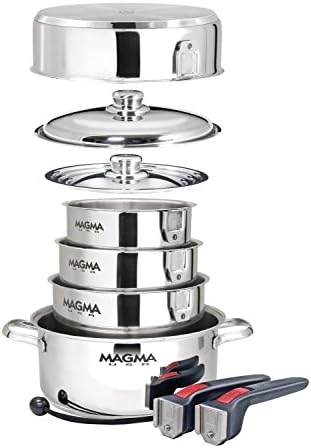
Two person sets add a larger pot, a pan or lid that doubles as a plate, and room for two servings. They suit couples and friends who share cooking duties and want a compact but complete kit. Check that everything nests neatly, because a set that does not pack well wastes pack space.
Family base camp sets
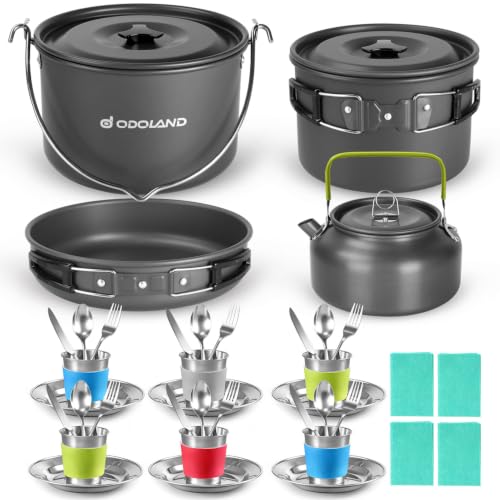
Family sets use larger pots, a frying pan and more pieces for cooking varied meals at a campsite. They suit car camping and base camps where weight matters less than capacity and ease. Choose durable materials and stable bases, since family cooking involves bigger pots and more stirring.
Key Features to Compare
Material and heat performance
Material affects weight, durability and cooking behavior, with titanium lightest, aluminum a good balance, and stainless steel toughest but heavier. Nonstick coatings ease cleaning but need gentler utensils and care. Choose material by trip style, and remember that thin pots need lower heat to avoid hot spots.
Size and serving capacity
Size should match group size and meal style, with solo sets around one liter and family sets several liters. Too small means cooking in batches, while too large wastes fuel and pack space. Think about your largest usual meal, not your smallest, when judging capacity.
Packing and nesting
Packing matters on every trip, so a set should nest with its stove, fuel and utensils inside the largest pot. Check lid fit, handle folding and whether a stuff sack protects other gear from soot. A well nesting set feels much smaller in a pack than its piece count suggests.
Stove compatibility and stability
Stove compatibility covers pot diameter, base flatness and stability on your stove, especially for larger pots on small burners. A wide pot on a narrow stove can tip, while a tiny pot on a large burner wastes heat. Test the set on your stove at home before a trip, with water in the pots.
Common Mistakes to Avoid
A common mistake is buying the largest set for solo hiking and carrying weight you never use. Another is using high heat on thin pots and scorching food, when a lower flame and stirring would have worked. A third is forgetting cleaning supplies and a way to store food waste, which makes camp cooking unpleasant and attracts animals.
Budget and Long Term Value
Camp cook sets range from affordable aluminum nesting kits to premium titanium sets, and value depends on trip frequency and weight priorities. Occasional car campers get excellent value from a sturdy midrange set, while frequent backpackers may justify titanium for weight savings. Spend on durability and nesting design rather than on pieces you will never use.
Getting the Most From Your Choice
Test your set at home with your stove and a real meal, so you learn heat settings, lid handling and packing order before a trip. Pack a lighter, a sponge, a small towel and a food storage plan, and practice cleaning with limited water. Store food securely and follow local fire and wildlife guidance at every campsite.
Related Guides Worth Reading
If your shortlist grows wider, our guides to best backpacking cook sets, best camp cookware sets and best camp dish sets show how closely related choices compare.
Frequently Asked Questions
What size camp cook set do I need?
Solo hikers usually manage with a pot around one liter, couples with one to two liters, and families with larger pots for shared meals. Meal style matters too, because one pot meals need less capacity than multi dish cooking. Choose for your largest usual meal and your group size together.
Is titanium worth it for camp cooking?
Titanium is worth it mainly for weight sensitive backpacking, where every gram counts over long distances. It costs more and can scorch food more easily than thicker materials, so it suits experienced camp cooks. For car camping or occasional trips, aluminum or stainless steel usually offers better value.
Can I use camp pots on any stove?
Most camp pots work on common camping stoves, but check base diameter, stability and fuel type compatibility. Wide pots need a stable stove, while small pots can be unstable on large burners. Test the combination at home with water before relying on it in the field.
How do I clean camp cook sets with little water?
Wipe pots while warm, use a small amount of hot water and a sponge, and avoid harsh scrubbing on nonstick coatings. Bring a sealable bag for food waste and follow leave no trace guidance for wash water. A little planning keeps cleaning quick even when water is limited.
Do camp cook sets include utensils?
Some sets include utensils, cups and plates, while others include pots and lids only, so check the piece list carefully. Included utensils save packing decisions but may duplicate gear you already own. Choose a set whose pieces you will actually use, rather than the set with the highest piece count.
Final Thoughts
The right choice among the best camp cook sets for you is the set that matches your group, your stove and your packing style, not the biggest or lightest set available. Use the product table above to compare solo, two person and family options, then test it at home. Good camp cooking is mostly preparation, and the right set makes that preparation easy.


