
Best Camp Dish Sets: 2026 Guide for Camp Kitchens
Disclosure: We may earn a commission when you buy through links on this page, at no extra cost to you. As an Amazon Associate I earn from qualifying purchases. Learn more

Compare materials, nesting and weight to choose the best camp dish sets for solo trips, couples or family camping, from enamel to titanium.
A good best camp dish sets choice makes camp meals easier and camp cleanup faster. The best sets nest together, weigh little, and stand up to heat, drops, and repeated washing in basic conditions. The comparison table below compares the main camp dish materials side by side.
Camp dishes differ from home dishes in every way that matters outdoors. They must pack into a small bag, survive a fall onto rock or gravel, and handle food straight from a camp stove. They also need to be easy to clean with limited water. This guide compares materials, sizes, and nesting designs, and helps you size a set for solo trips, couples, or family camping.


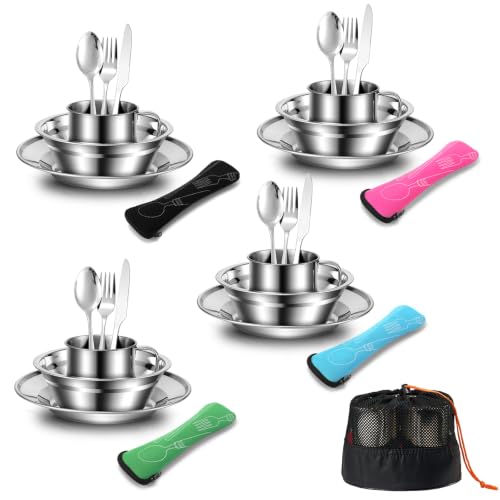


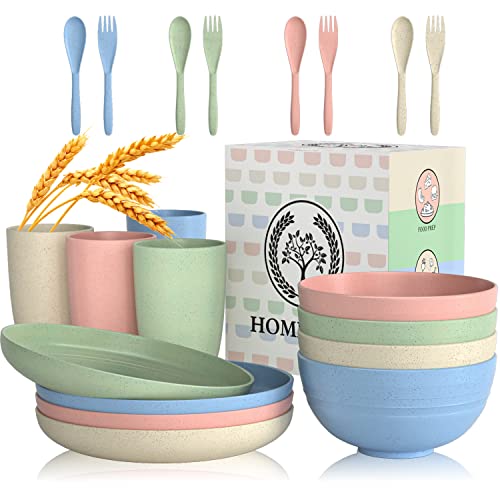

Who Should Buy a Camp Dish Set
Car campers can afford heavier, roomier sets, since weight matters little when the car carries the gear. Enamel, stainless steel, or sturdy plastic sets suit car camping well, with real plates and bowls that make meals feel normal. Family car campers should size the set for everyone at the table, plus a spare or two for guests.
Backpackers and canoe campers need light, compact sets that nest tightly. Titanium, thin stainless steel, or light plastic sets keep pack weight down. Solo backpackers can manage with a single bowl and mug, while pairs often share a two person set with plates, bowls, and cups that stack into one bundle.
Camp Dish Sets Materials Compared
Stainless steel is tough, easy to clean, and handles hot food well, but it can feel hot to hold and adds weight. Double wall steel bowls solve the heat problem at some extra bulk. Titanium is lighter and very strong, but it costs more and can develop hot spots when cooking directly over a flame.
Enamel steel looks classic and handles heat well, but the coating can chip if dropped on rock, and chipped spots may rust. Plastic and melamine sets are light, cheap, and unbreakable, but they can stain, warp with very hot food, and scratch over time. Bamboo fibre sets feel pleasant and pack light, but they need gentler care and may not suit boiling hot foods.
Sizing and Nesting
Count place settings honestly. A four person set should include four plates, four bowls, and four cups or mugs, not just four plates. Check whether cutlery, a cutting board, or a wash basin is included, since those extras save separate packing. Nesting design matters: the best sets stack into a single compact bundle with a mesh bag or strap.
Plate size affects camp cooking directly. Deep plates or bowls handle stews, pasta, and rice better than flat plates, which suit sandwiches and snacks. A set with both shallow plates and deep bowls covers most camp meals. Mugs should hold a generous drink and pack inside the bowls to save space.
Care and Cleanup Outdoors
Camp dishes need cleaning with limited water, so smooth surfaces and rounded corners help. Avoid sets with deep grooves or glued parts that trap food. A small bottle of biodegradable soap, a scrub pad, and a quick dry towel handle most camp cleanup. Wash away from water sources, following local rules for grey water disposal.
At home, wash and dry the set fully before storage to prevent odours and mould. Check enamel for chips, plastic for cracks, and steel for dents after each trip. Replace a damaged piece promptly, since a cracked plate can break further and a chipped enamel edge can rust and cut.
A Final Check Before You Order
Before you order, count your real group size and your real menu, since dish sets fail most often on capacity rather than quality. A set that serves four with shallow plates will struggle with stews, pasta, and rice that need deep bowls, while a set built for backpackers will feel cramped for a family car camping dinner. Match plate depth and bowl size to the meals you actually cook outdoors.
Check the packed size and weight against your storage space, whether that is a backpack, a canoe barrel, or a car boot box. A set that nests into a tight bundle with a mesh bag packs far easier than a set of loose pieces, and a bundle that rattles will annoy you on every trail and chip enamel over time. Measure your bag or box before you buy, not after.
Finally, check the material against your cooking style and your tolerance for care. Enamel looks wonderful but chips on rock and needs drying to prevent rust at chips, while steel tolerates abuse and plastic tolerates drops but not boiling food. Buy from a seller with a clear return policy, and wash the set once at home to check for defects before your first trip.
Getting the Most From Your Choice
Once your set arrives, practice packing it at home with the rest of your camp kitchen, since a set that nests well alone may fight with pots and stoves in a real bag. Assign each piece a home in the bundle, and keep a small wash kit with it: biodegradable soap, a scrub pad, and a quick dry towel. A packed kitchen that works at home works far better at camp.
At camp, serve food in the order that suits the dishes: deep bowls for wet meals, plates for dry meals, mugs for drinks, and lids or cloths to keep insects off food. Wipe scraps promptly, since dried food sticks hard and wastes water later. Wash away from water sources, following local rules, and dry pieces before packing to prevent odours and mould.
Between trips, store the set clean, dry, and loose enough for air to circulate, and check enamel for chips and plastic for cracks before each outing. Replace a damaged piece promptly, since a cracked plate can break during a meal and a chipped enamel edge can rust and cut. A cared for set lasts many seasons of camp meals.
Related Buying Guides
If you also cook at camp, our guide to best camp cook sets covers pots and pans that nest with these dishes, and the guide to best dish sets helps if you want a matching set for home use.
Frequently Asked Questions
How many place settings do I need in a camp dish set?
Buy a set that matches the largest group you regularly camp with, plus one spare setting for guests or breakage. A four person set should include four plates, four bowls, and four cups, not just four plates. Solo campers can use a single bowl and mug, while couples often share a two person set. Check the contents list carefully, since some sets count pieces in ways that hide missing cups or bowls.
What is the best material for camp dishes?
Stainless steel suits most campers, since it is tough, easy to clean, and handles hot food well. Titanium suits backpackers who count every gram, but it costs more. Enamel steel looks great for car camping but can chip on rock. Plastic sets are light and cheap but can stain and warp with very hot food, so choose by trip type: steel for general use, titanium for light packs, enamel for car camping style.
Do camp dish sets nest for packing?
Good camp dish sets nest into a single compact bundle, with bowls inside plates, cups inside bowls, and a mesh bag or strap holding it together. Check the packed size and weight before you buy, and test the nesting at home with your own packing style. Poor nesting wastes bag space and lets pieces rattle, which can chip enamel and annoy you on the trail.
Can camp dishes handle boiling hot food?
Steel and titanium sets handle boiling hot food easily, though single wall steel can feel hot to hold, so use a cloth or a double wall design. Enamel steel also handles heat well. Plastic and bamboo fibre sets may warp or stain with very hot food, so check the maker heat limit before you pour boiling stew into them. When in doubt, let food cool briefly before serving.
How do I clean camp dishes with limited water?
Wipe out food scraps first, then wash with a little warm water and biodegradable soap, using a scrub pad for stuck food. Rinse sparingly and dry with a towel or air dry on a clean surface. Wash at least 60 metres from lakes and streams, and dispose of grey water according to local rules. Smooth, rounded dishes clean far faster than grooved or glued designs.
Final Thoughts
Choosing best camp dish sets gear comes down to trip type, group size, and material. Steel suits most campers, titanium suits light packs, and enamel suits car camping style. The product table above can help you compare materials side by side. Count real place settings, check the nesting, and pick a set that makes camp meals easy rather than a chore.


