
Best Camp Clothing Labels Guide for 2026 Campers
Disclosure: We may earn a commission when you buy through links on this page, at no extra cost to you. As an Amazon Associate I earn from qualifying purchases. Learn more
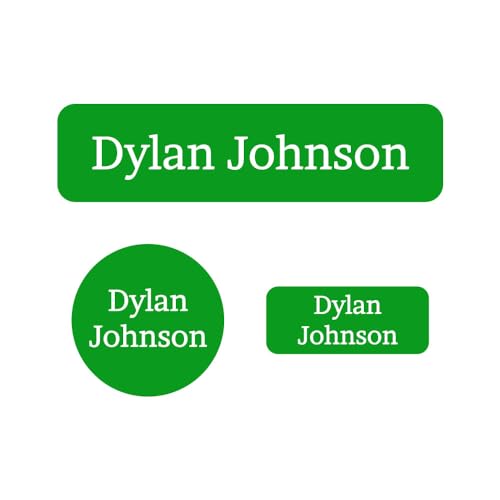
Compare iron on, stick on and sew on camp clothing labels for wash durability, readability and fabric fit, so camp clothes come home with the right owner.
Camp laundry moves fast, and unlabeled clothes often end up in a lost and found bin. A clear label helps staff return a shirt, a towel or a jacket to the right camper without guesswork. This guide explains best camp clothing labels by attachment type, wash durability and readability, so you can choose labels that survive camp life. Use the comparison table below to see how iron on, stick on and sew on labels differ at a glance.
Camp labels need to handle more than a normal school week. They face shared washers, hot dryers, swim gear, dusty cabins and clothes that are worn hard every day. The best choice depends on the fabric, the age of the camper, how many items you must label, and whether you want labels that can be removed later.
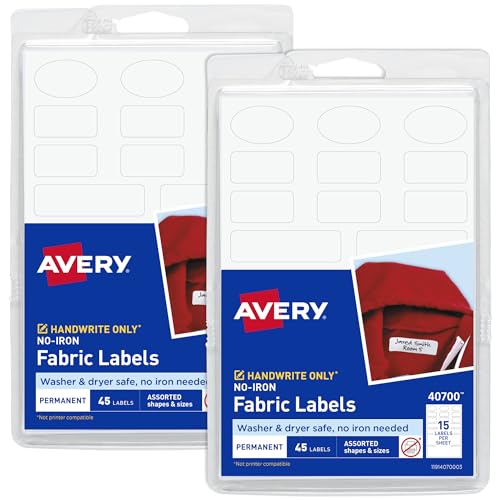
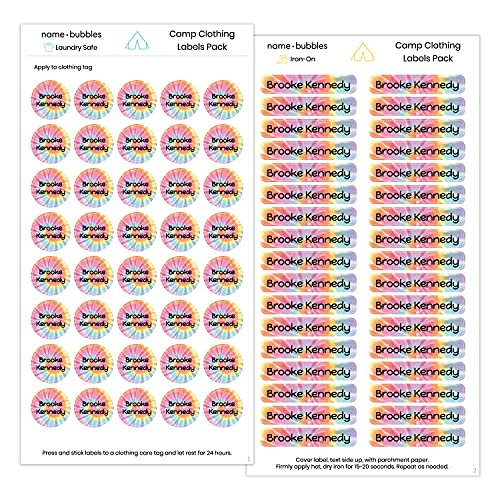
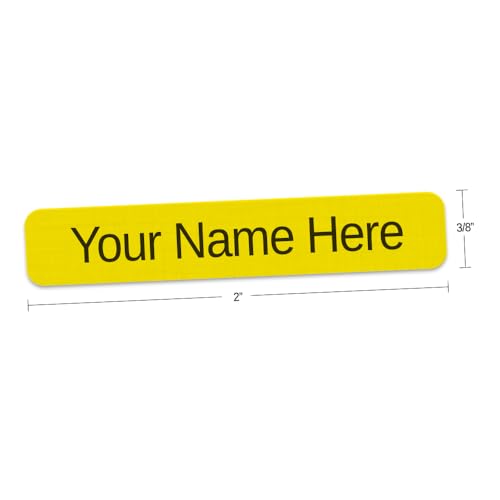


Who Should Buy Which Camp Clothing Label
Parents Labeling for a First Camp Stay
First time camp parents often need to label a full packing list in one evening. Stick on labels suit this group well, because they press onto care tags quickly and need no heat or sewing. Choose a pack with enough labels for clothes, towels and gear bags, and test a few labels on care tags before you label everything.
Families With Returning Campers
Returning campers often need labels that last through several weeks and many wash cycles. Iron on labels suit this group, because heat bonding can hold up better than a simple adhesive on many fabrics. Check the fabric care label first, use the iron setting the label maker recommends, and press firmly for the full time given.
Camp Staff and Group Leaders
Staff and group leaders often label shared gear, uniforms or team items rather than one camper's clothes. For this use, durability and readability matter more than a cute design. Larger labels with bold print can be read at a distance, and sew on labels can suit items that will be washed often and handled by many people.
Key Features to Compare
Attachment Method
Attachment method is the first choice to make. Iron on labels bond with heat and often suit cotton and cotton blends, while stick on labels press onto care tags and suit quick labeling. Sew on labels need a needle and thread, but they can suit heavy fabrics and items that face hard washing.
Wash and Wear Durability
Camp washing is tougher than home washing, because loads are larger, cycles are hotter and clothes may stay damp in a bag for hours. Look for labels that the maker rates for repeated washing and drying, and follow the wash guidance on the label pack. If a label starts to lift, replace it early, because a half attached label is harder to read and easier to lose.
Size and Readability
A label that cannot be read quickly does little good in a shared laundry room. Choose a size that fits the care tag or seam without folding over, and print the name in a clear, bold style. First names alone can cause confusion when several campers share a name, so include a last name or an initial when the camp allows it.
Fabric Compatibility
Not every label suits every fabric. Heat can damage delicate fabrics, adhesives may not stick to heavily textured tags, and sewing can pucker thin material. Check the garment care label and the label maker guidance together before you choose. For swimwear, rain gear and stretch fabrics, a stick on label on a care tag often works better than heat.
What Your Money Gets You at Each Price Level
Lower Cost Packs: What to Expect
At about $8 to $15, you will usually find smaller packs of stick on or basic iron on labels. These packs suit short stays and small packing lists, and they can be a sensible choice when you only need to label a dozen items. Print quality and adhesive strength may vary, so test a few labels before camp starts.
Middle Cost Packs: A Stronger Balance
At about $15 to $30, packs tend to be larger, print tends to be clearer, and makers often give better wash guidance. This level suits most camp families, because it covers a full packing list plus spares without moving to bulk sizes. You may also find mixed packs with different label sizes, which help you label both clothes and gear.
Higher Cost Packs: When They Pay Off
Above about $30, you are usually paying for a larger pack, a wider size range, or a label type made for heavy washing. That cost makes sense for siblings, long sessions, repeat camps or group use, where you need many labels that last. For a single short stay, the extra labels may go unused, so a smaller pack is often smarter.
Features Worth Paying For and Ones to Skip
Attachment That Holds
Pay for an attachment method that matches your fabrics and your time. Iron on labels can hold well on cotton, stick on labels can save time on care tags, and sew on labels can suit heavy items. Skip a label type that needs a tool you do not have or a fabric step you cannot do safely.
Wash Durability That Matches Camp
Pay for wash durability that matches camp laundry, not just home laundry. Look for a maker rating for repeated wash and dry cycles, and follow the care guidance for both the label and the garment. When you compare labels for other clothing needs, see our guide to best clothing labels for general label types.
Readability at a Glance
Pay for clear print and a size that fits the item. Bold, plain lettering in a dark color on a light label is easier to read than small script or a busy design. If you need an iron for iron on labels, see our guide to best clothing iron for help choosing one for home use.
Fabric Fit and Comfort
Pay attention to where the label sits and how it feels. A label on a care tag or an inside seam usually feels better than a label pressed onto skin contact areas. For camp footwear and gear, see our guide to best camp shoes to plan the rest of the packing list.
Pack Size and Replacement Labels
Pay for enough spares to replace labels that wear out during camp. A pack with only the exact count leaves no room for a lost label or a last minute item. Store spares in a dry place, keep them away from children, and label new items as soon as they join the packing list.
Long Term Costs to Factor In
The pack price is only part of the cost. Think about replacement labels, the time needed to apply each type, and whether you need an iron or sewing supplies. If you send children to camp year after year, a durable label type that survives several sessions can cost less over time than a cheap label you must replace each year.
Camp Clothing Labels: Your Questions Answered
How do I wash camp clothes with labels on them?
Wash labeled clothes by following both the garment care label and the label maker guidance. In most cases, turn clothes inside out, use a normal cycle, and avoid very high heat until you know how the labels hold up. If a label starts to lift, replace it before the next wash, because a loose label can peel further and become unreadable. Also check labels after the first few washes at home, so problems show up before camp.
What label type holds up best in hot weather camp?
Iron on and sew on labels often hold up best in hot weather camp, because heat bonded and stitched labels resist sweat, sunscreen and frequent washing better than some adhesives. Stick on labels can still work well on care tags, especially for short stays. The best choice also depends on fabric, so test a label on a similar garment and wash it a few times before camp.
Are premium camp label packs worth it?
Premium packs are worth it when you need many labels, a long session, or labels for several children. Larger packs, clearer print and stronger wash ratings can save time and reduce lost clothes over a season. For a short stay with a small list, a basic pack often gives the same result for less money. The deciding factor is label count and wash load, not the design alone, so count your items before you choose a pack size.
How should camp clothing labels fit on clothing?
Labels should fit flat on a care tag, an inside seam or a hem without folding over an edge. A label that is too large can rub, peel or feel stiff, while a label that is too small can be hard to read. Choose a size that matches the tag, place it where staff can find it quickly, and press or stitch it fully so no corner lifts.
How many camp clothing labels do I need?
Count every item on the packing list, then add about ten spares for replacements and last minute items. A typical list may need 40 to 80 labels, depending on session length and how many outfits, towels and gear items are packed. Siblings need separate packs or clearly different names, because shared packs can cause mix ups. Keep spares in the original pack and label new items as soon as they are added to the list.
The Bottom Line
Choose by attachment method, wash durability and readability, not by design alone. Stick on labels suit quick labeling, iron on labels suit longer stays on cotton blends, and sew on labels suit heavy items and hard washing. Test labels at home, follow maker guidance, and keep small parts away from children. With the right match, best camp clothing labels help camp clothes come home with the right owner, and the product table above can help you compare types before you buy.


