
Best Camp Shoes of 2026: A Clear Buying Guide
Disclosure: We may earn a commission when you buy through links on this page, at no extra cost to you. As an Amazon Associate I earn from qualifying purchases. Learn more

Compare weight, pack size, grip and drying speed to choose the best camp shoes that rest tired feet after hiking without adding bulk to your pack.
After a long hike, camp shoes give tired feet a break, because they replace heavy boots with light breathable footwear for evenings at camp. best camp shoes balance weight, pack size, grip and drying speed, and the right pair depends on whether you camp near a car, backpack deep into hills, or move between tent, stream and campfire. This guide explains those trade offs in practical terms.
Camp shoes are not hiking shoes: they prioritise comfort and packability over ankle support and rock protection. That makes them ideal for flat camp ground, short walks to water and evening rest, but poor for rough trails and heavy loads. Think about camp terrain, weather and how much pack weight you can spare, since a heavy camp shoe defeats its own purpose on a long backpacking trip.
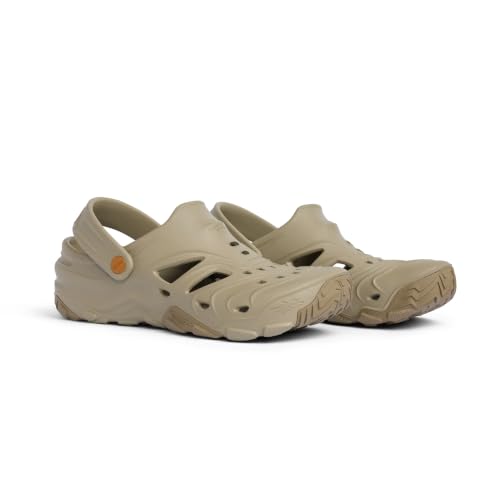


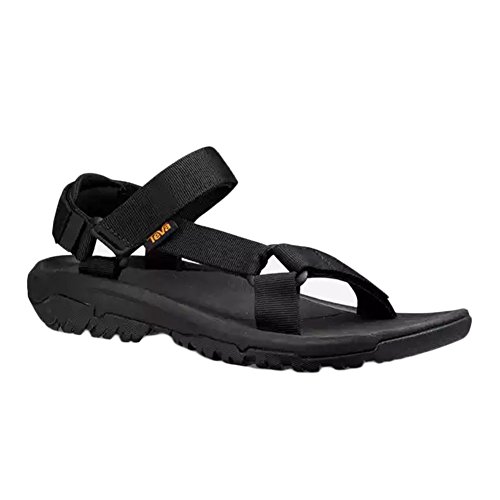


The comparison table below summarises the main types side by side, and the sections that follow explain how to use it for your own routine.
Who Should Buy
Camp shoes suit backpackers, hikers, campers and festival goers who want foot relief after boots. They suit people with sore feet after long days, and families camping near cars. They are less suited to rough trail hiking, river crossings with strong currents, or work that needs toe protection, where sturdier footwear is safer.
Types Compared
Each type below suits a different routine, so read the trade offs rather than looking for a single winner for everyone.
Lightweight slip on camp shoes
Slip on camp shoes are easy to put on tired feet and pack small. They suit dry camps and short walks, though they offer little grip on wet or muddy ground.
Camp sandals
Camp sandals breathe well and dry fast after stream crossings. They suit warm weather and water side camps, though they expose toes to sticks and stones.
Closed toe camp shoes
Closed toe camp shoes protect toes and suit rocky or muddy camps. They weigh more than sandals, though they handle uneven camp ground better.
Insulated camp booties
Insulated booties suit cold evenings and winter camps with warm soft insulation. They suit tent use and short camp walks, though they are poor on wet muddy ground.
Key Features to Compare
Use these features as a checklist when you compare models in the product table above, and note which ones matter most for your daily use.
Weight and pack size
Backpackers should weigh camp shoes against pack limits, since every extra gram matters on long climbs. Check packed size as well as weight, since bulky shoes waste pack space.
Grip and sole
Camp ground can be muddy, rocky or wet, so check sole grip and tread depth. A flat smooth sole slips on wet rock and mud, while a lugged sole grips better.
Drying speed
Wet camp shoes that stay damp overnight feel cold and heavy next morning. Quick dry materials and open designs help after rain or stream crossings.
Comfort after hiking
Cushioning, arch support and easy entry matter when feet are swollen and tired. A shoe that is hard to put on with sore feet will stay in the pack.
Durability
Camp shoes face campfire sparks, rough ground and repeated packing. Check sole bonding, upper material and stitching, since ultralight shoes can wear faster.
How to Choose
Choose weight first for backpacking, and comfort and grip first for car camping. Compare the comparison table above, and test camp shoes at home after a long walk, since tired feet reveal fit problems that fresh feet hide. If you have persistent foot pain, swelling, numbness or a foot that changes colour, see a clinician rather than relying on camp shoes alone, and use fit advice only as general guidance.
For neighbouring choices, compare our guides to best backpacking camp shoes, best ultralight camp shoes and best lightweight camp shoes.
Common Mistakes to Avoid
Using camp shoes as hiking shoes
Camp shoes lack the support and protection for rough trails and heavy packs. Use them for camp only, and keep boots for hiking, especially on rocky or steep ground.
Ignoring wet ground grip
A smooth sole slips on wet rock, mud and stream banks. Choose lugged soles for wet camps, and move carefully on slippery surfaces.
Carrying heavy camp shoes backpacking
Heavy camp shoes waste pack weight and space on long trips. Choose the lightest pair that still protects and grips for your camp terrain.
Planning for Everyday Use
At camp, air feet, change socks and let boots dry while you wear camp shoes, which helps prevent blisters and odour. Clean camp shoes of mud and grit, dry them away from direct fire heat, and pack them where they will not crush food or clothing. A pair that is easy to find at dusk, with a bright colour or a dedicated pack pocket, gets used more often.
Matching Camp Shoes to Your Trip
Car campers can pick for comfort alone: a cushioned clog or closed slip on with a grippy sole, because pack weight is not a problem and a sturdier shoe handles gravel and damp grass better. Backpackers should start from weight and packed size, then check grip. Water side campers need quick drying uppers and a heel strap that stays on in shallow water. Cold season campers should look at insulated booties or a roomy closed shoe worn over warm socks.
Whatever type you choose, check three things before you order: the heel should stay seated when you walk downhill, the toe box should let your toes spread when your feet are swollen, and the sole should have real tread. Read the listed weight for your size, since listed weights often come from a small sample size.
Looking After Camp Shoes
Rinse mud and grit from straps and soles after each trip, and dry the shoes in open air, never next to a fire, because heat warps foam and loosens glue. Pack them in a separate bag so dirt stays off your sleeping gear. Before each season, look for smooth tread, flattened foam and torn straps, and replace the pair when any of them show up.
Frequently Asked Questions
Do I need camp shoes for backpacking?
Camp shoes help tired feet recover and let boots dry, though they add weight. Ultralight backpackers sometimes skip them, while most hikers value the comfort and foot recovery they offer.
Are camp sandals safe on rocky ground?
Sandals suit flat dry camps and water edges, but they expose toes on rocky ground. Closed toe camp shoes protect better on uneven or muddy camps, though they weigh more.
How light should camp shoes be?
Backpacking camp shoes often weigh far less than boots, with ultralight models suiting long trips. Car campers can choose heavier comfortable models without worrying about pack weight.
Can camp shoes get wet?
Many camp shoes dry quickly and suit stream crossings and rain, though insulated booties stay wet longer. Check material and drying speed, and dry shoes overnight away from direct heat.
When should I replace camp shoes?
Replace camp shoes when soles wear smooth, cushioning flattens, or seams split, since worn shoes slip and support less. Check soles and uppers after each trip, especially on rocky camps.
Final Thoughts
Pick camp shoes by pack weight, camp terrain and how tired your feet feel at day end, then test them after a long walk. Compare the product table above, keep boots for trails, and let camp shoes do the evening job well. best camp shoes should make camp evenings comfortable, not add pack weight you regret on the climb.


