Best Bridge Cameras with Viewfinder: Our 2026 Checklist for Choosing Well
Disclosure: We may earn a commission when you buy through links on this page, at no extra cost to you. As an Amazon Associate I earn from qualifying purchases. Learn more

Compare the best bridge cameras with viewfinder by finder type, zoom, sensor and stabilization, with a buyer checklist and simple care tips.
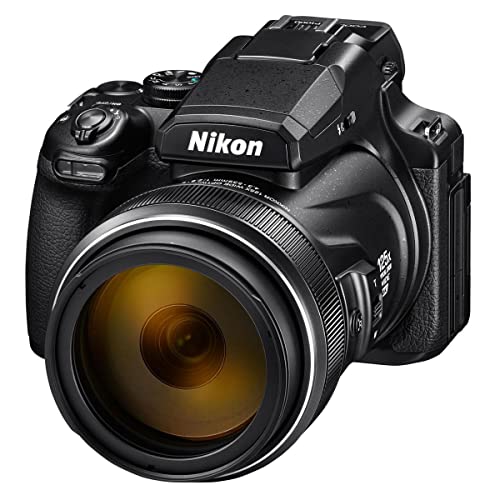
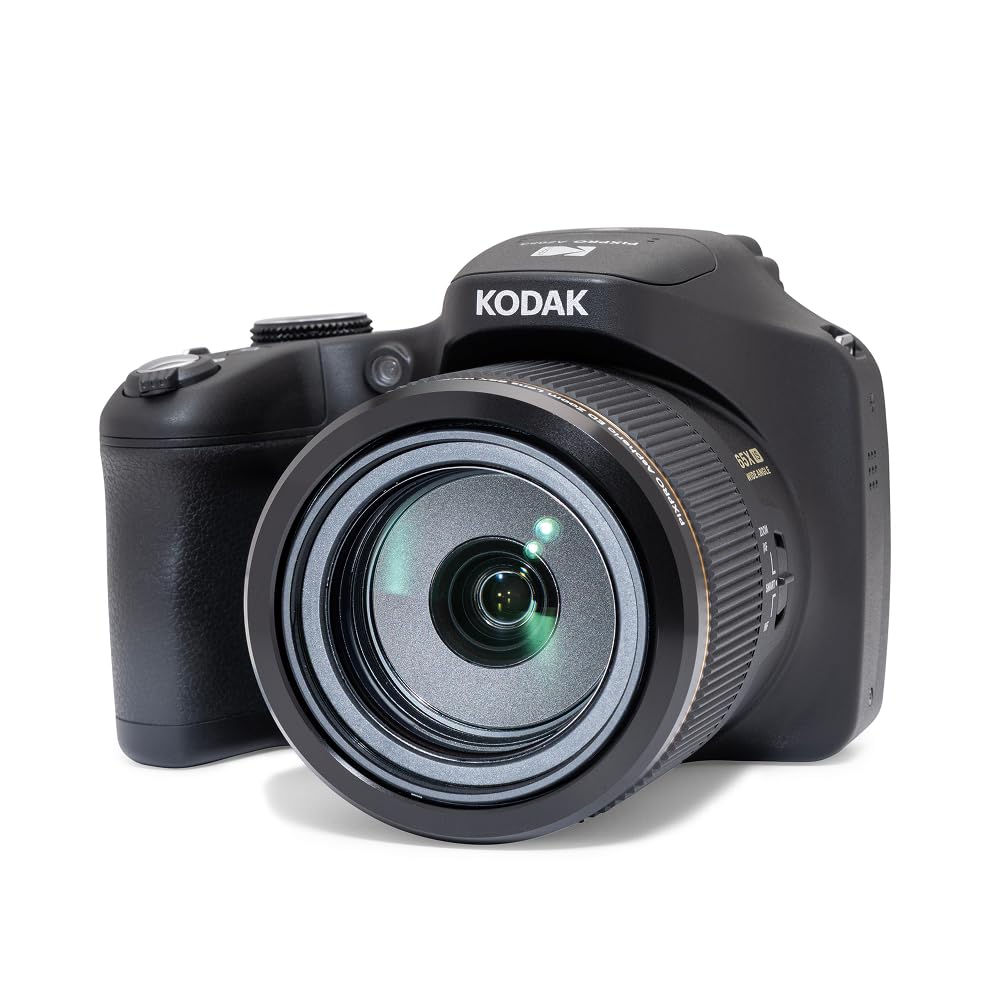
A bridge camera gives you a long zoom lens in one body, with no lens swapping and no bag of extra gear. The finder sets this shortlist apart, because the best bridge cameras with viewfinder let you frame shots with your eye to the camera instead of relying on a rear screen alone. That matters most in bright sun, at full zoom, and whenever you need a steady hold.
This guide turns the choice into a simple checklist. You will compare finder quality, sensor size, optical zoom, autofocus, image stabilization and handling, then match each factor to the way you shoot. Use the product table to shortlist models before you spend anything.



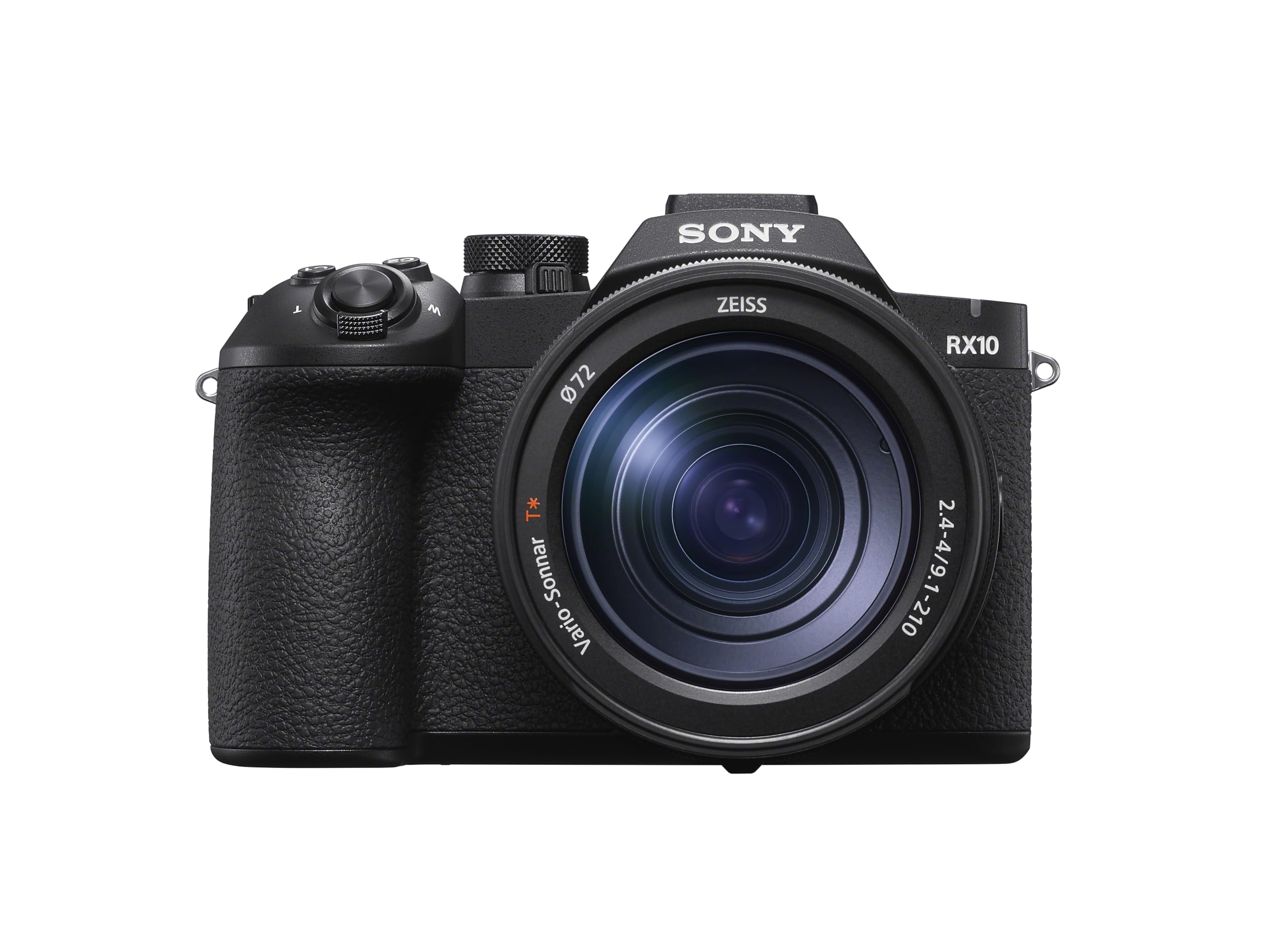
Who Should Buy a Bridge Camera With a Viewfinder
Not every photographer needs an eye level finder, so let your subjects decide. Each group below loses shots, comfort or accuracy when a rear screen is the only way to frame.
Outdoor Shooters Who Work in Bright Sunlight
Screen glare is the most common reason buyers seek out a finder. On a beach, a ball field or an open trail, a rear display can wash out until you are guessing at exposure and focus. An electronic finder shades the image, so you can judge brightness and check the edges of the frame. If most of your shooting happens outdoors at midday, put finder quality first.
Bird and Wildlife Watchers Shooting at Long Zoom
At full zoom, small movements swing the frame a long way, and a screen held at arm length makes that shake worse. Bracing the camera against your face adds a third point of contact and helps you track a moving subject. Weekend birders should also see our guide to the best bridge cameras for birding, since that use rewards fast tracking.
Travelers Who Want One Camera for a Whole Trip
A bridge camera covers wide street scenes and distant landmarks with a single fixed lens, so it suits travelers who refuse to carry a system bag. The finder saves battery compared with constant screen use. If packed size matters more than zoom reach, compare your shortlist with our guide to the best small cameras with viewfinder before you decide.
Key Features to Compare
Spec sheets mix numbers that matter with numbers that mainly fill space. Work through the five factors below, and remember that the best bridge cameras with viewfinder earn that label by balancing all five rather than winning one. For a wider look at the category, see our guide to the best bridge cameras.
Viewfinder Resolution, Size and Diopter Adjustment
The finder is a small electronic screen, and its resolution decides how clearly you can judge focus and fine detail. Counts around 2,360,000 dots or higher look crisp, while lower counts appear soft and make manual focus checks unreliable. Size matters too, because a larger finder image is easier to compose with, especially if you wear glasses. Look for a diopter dial beside the eyepiece, since it adjusts the finder to your eyesight.
Sensor Size and Honest Image Quality
Most bridge cameras use either a 1 inch sensor or a smaller sensor near 1/2.3 inch, and that gap shapes your results more than megapixels do. A 1 inch sensor gathers more light per pixel, so it holds detail better in shade and at dusk, and it gives cleaner files when you crop a distant subject. Smaller sensors keep size and price down and do fine in good daylight. Treat a high megapixel count on a small sensor with caution, because crowded pixels add noise rather than detail.
Lens Reach, Optical Zoom and Aperture
The fixed objective lens is the reason this category exists, so judge it by optical zoom and ignore digital zoom figures, which only crop the image. Ranges run from about 24 to 600 mm on modest models to well past 2000 mm on extreme ones, and magnification that large needs support and patience. Aperture matters at the far end, since many long lenses darken as you zoom in, which pushes shutter speeds down. For family scenes and travel, a midrange reach with a brighter lens beats the longest zoom.
Autofocus Speed and Image Stabilization
Autofocus has to keep up with the zoom, so look for subject tracking and eye detection for people and animals, plus a focus limiter if you shoot wildlife often. Test in the store by panning at full zoom and watching for hunting or delay. Optical image stabilization inside the lens steadies the finder image as well as the final shot, which makes tracking calmer. Stabilization rated near 4 to 5 stops lets you hand hold at long reach in good light, though a monopod helps at the extremes.
Controls, Video and Everyday Handling
Good handling decides whether the specs get used. You want dials you can reach while your eye stays at the finder, a tilting screen for low angles, and a grip that balances the extended lens. Auto modes with scene guidance help newer users, while raw file support rewards those who edit. If you film too, 4K video with a microphone input adds real flexibility, and WiFi transfer keeps sharing simple.
Electronic Finders Compared With Screen Only Framing
Some bridge style cameras skip the finder to cut size and cost. An electronic finder shows the exposure you will actually get, including brightness changes as you adjust settings, and it lets you review images without glare. It also keeps the camera against your face, which steadies long zoom shots. The trade offs are real. A finder draws power, it can lag slightly in very low light, and small finders feel cramped behind thick framed glasses. A screen only model may suit indoor photos, but outdoors the finder earns its place. Shoppers weighing that choice should see our guide to the best cameras with viewfinder.
Finder Checks Before Ordering
Answer each question for the camera you are about to buy. A no on the first four usually means you should keep looking.
- Can you read fine detail clearly through the finder while wearing your usual glasses?
- Does the diopter dial bring the finder display into focus for your eyes?
- Is the zoom figure you are counting on optical rather than digital?
- Does the finder image stay smooth, with no obvious lag, as you pan at full zoom?
- Can you change exposure settings by feel while your eye stays at the finder?
- Does the grip still feel balanced with the lens fully extended?
- Is a spare battery available and affordable, since finder and zoom motors draw power steadily?
- Does the price, usually about $400 to $2,300 here, match the sensor size on offer?
Common Mistakes to Avoid
- Choosing by the largest zoom number alone, because extreme reach with a small sensor often gives soft, shaky results in ordinary light.
- Ignoring finder resolution, because a low dot count makes focus checks guesswork.
- Skipping the diopter adjustment in the store, because a blurry finder may simply be set for someone else.
- Trusting digital zoom figures in listings, because they crop the image and discard detail you paid for.
- Buying a model with vague spec listings and a very short warranty, because unclear figures often hide a small sensor and an older finder.
- Forgetting a padded case and strap, because a long fixed lens makes this camera front heavy and easy to knock.
Cleaning Finder and Lens
Clean the lens and finder eyepiece with a blower first, then a lens cloth, since grit dragged across either surface can scratch the coating. Your shirt is never a safe substitute. Keep a spare battery charged, and remove it if the camera will sit unused for several weeks. Store the camera in a dry, padded bag with the lens retracted, away from steamy bathrooms and hot car interiors. Weather sealing sheds splashes rather than surviving a soaking, so dry the body after wet weather.
Frequently Asked Questions
Which viewfinder feature matters most for low light shooting with a bridge camera?
Finder brightness and gain matter most, because the camera boosts the electronic image so you can frame in dim conditions. A useful extra is the focus peaking or magnification assist many models add for manual focus, which helps when autofocus slows in the dark. Expect the finder image to look grainier at night than the final photo, since preview gain runs ahead of the recorded exposure.
What specs matter most for beginners choosing a bridge camera with a viewfinder?
Start with a comfortable finder, a simple auto mode and optical zoom you can hold steady. One point the feature sections do not cover is the learning value of a guided display, since many models explain each mode in plain words while you practice. Skip the longest zoom models at first, because their reach punishes shaky technique and can discourage you early on.
Is a smartphone enough instead of a bridge camera with a viewfinder?
For casual snapshots, often yes, but a phone cannot match real optical reach or a shaded eye level view. Phones crop digitally at distance, while a bridge camera moves glass to get closer. A practical middle path is to keep the phone for wide scenes and indoor shots, and use the bridge camera for trips, school sports and wildlife, where its zoom does work the phone cannot.
How much should you spend on your first bridge camera with a viewfinder?
Plan on about $400 to $900 for a first model with a solid finder and a capable sensor. One cost new buyers forget is the kit around the camera, so set aside a little for a fast memory card, a spare battery and a case. Spending more mainly buys a larger sensor, a brighter lens or extreme zoom, and none of those help until your framing is steady.
Can a bridge camera viewfinder help you follow birds in flight?
Yes, because framing with your eye against the camera lets you turn your whole head and body with the bird. Look for a zoom assist button, which pulls the lens back briefly so you can find the bird again when it leaves the frame. Practice on gulls or pigeons near home first, since fast, erratic birds expose every weakness in tracking technique.
Wrapping Up
Start with the finder itself, since its clarity and fit shape every shot you take. Then weigh sensor size against zoom reach, and let autofocus and stabilization settle any tie. Match those calls to your subjects, light and budget, and the right model usually stands out. The best bridge cameras with viewfinder for you will pass that checklist without strain, so compare finalists in the product table before you order.