Best Cameras with Night Vision: Budget, Midrange, and Premium Picks for 2026
Disclosure: We may earn a commission when you buy through links on this page, at no extra cost to you. As an Amazon Associate I earn from qualifying purchases. Learn more

Learn how night vision cameras differ by price, sensor, lens and storage, and how to choose one that fits your home, vehicle or outdoor use.
Shopping for best cameras with night vision can feel confusing, because prices range widely and the feature lists look similar at first glance. The real differences show up after dark, when sensor quality, light handling, and placement matter far more than daytime sharpness. This guide explains those differences in plain language, so you can spend where it helps and skip extras that add little value for your situation.
Use the comparison table below to narrow the field by price and core features, then read the sections that match how you plan to use the camera. A porch camera, a vehicle camera, and a trail camera all need night vision, but they do not need the same kind of night vision. The sections below cover buyers, price tiers, features, and long term costs, so you can choose with confidence.


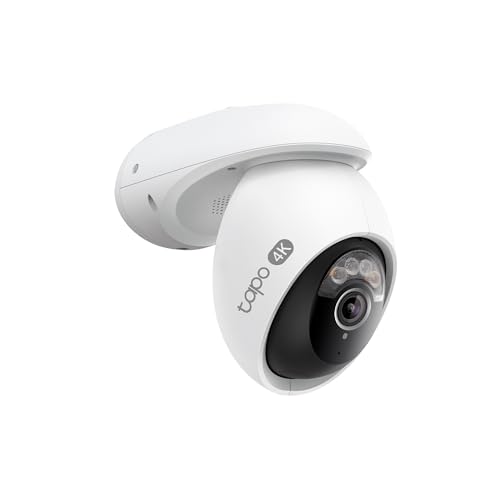
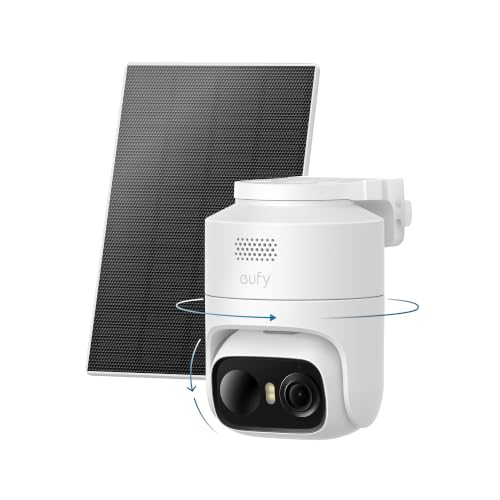
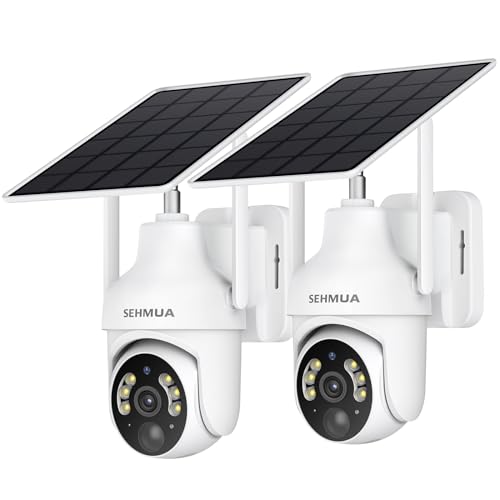
Who Should Buy Which Night Vision Camera?
Night vision is not one single feature. Some cameras use infrared light that is invisible to people, and some use a visible spotlight. Your setting decides which approach works best, because a bright porch and a wooded trail create very different viewing problems.
Home and Porch Watchers
If you want to see who approaches a door or a porch after dark, look for clear faces at a short distance rather than a very long range claim. A camera mounted near a light source may benefit from color night viewing, while a fully dark corner usually needs infrared light. Check the field of view, because a wide view can cover a porch and a walkway at once, but it can also make distant faces smaller in the frame. Mount the camera high enough to avoid tampering, yet low enough that faces stay readable, and test the view at night before you settle on a final position.
Drivers and Vehicle Owners
Drivers need a camera that handles headlights, streetlights, and sudden dark stretches without washing out plates or road markings. Look for good dynamic range, which helps the camera balance bright lights and dark shadows in the same scene. A steady mount matters too, because vibration can blur night footage even when the sensor is strong. For a fuller picture of vehicle options, see our guide to the best dash cameras with night vision in a paragraph about dash use, and compare how dash models handle glare and parking mode.
Trail and Outdoor Watchers
Outdoor watchers need weather sealing, a power plan that lasts through cold nights, and a detection range that matches the trail or yard being watched. Infrared range claims are often measured in open air, so trees, fences, and fog can shorten the useful distance in real use. A camera that wakes quickly will catch more useful footage than a camera with a longer range but a slow trigger. For outdoor placements, see our guide to the best outdoor cameras with night vision and compare how outdoor models handle rain and cold.
What Your Money Gets You at Each Price Tier
Price tiers here are less about one single spec and more about a bundle of trade offs. A lower price camera may still see well in the dark, but it may store less footage or rely more on a spotlight. A higher price camera often adds a larger sensor and smarter motion detection, but those extras only pay off if you actually need them.
What a Lower Price Usually Includes
Lower price night vision cameras, often about $40 to $110, usually offer infrared night viewing, motion alerts, and basic app viewing. Image quality at night is often usable for spotting a person or an animal, but fine detail such as a face at a distance may be softer. Storage may be limited to a memory card or a short cloud history, so check that detail before you buy. These models suit a single porch, a small yard, or a first camera where you want to learn what you actually need.
What a Middle Price Usually Adds
Middle price cameras, often about $110 to $220, tend to add a stronger sensor, clearer night detail, and better motion filtering that reduces false alerts from rain or passing cars. You may also get wider viewing angles, improved audio, and more storage choices, including local storage alongside optional cloud plans. This tier suits most home users, because the night image is noticeably clearer without paying for professional grade features. If you plan to rely on night footage often, this tier is usually the most balanced place to start.
What a Higher Price Usually Adds
Higher price cameras, often about $220 to $400, may add larger sensors, color night viewing in low light, and longer detection ranges. They may also offer sturdier weather sealing and more flexible power options for remote spots. These extras matter most for large properties or long driveways. For a single small porch, the extra detail may not justify the jump in price.
Features Worth Paying For and Ones to Skip
Not every feature on a spec sheet improves night viewing. A higher megapixel count sounds impressive but matters less at night than sensor size and light handling. Focus on features that change what you can actually see after dark.
Why Choose a Camera With Night Vision
A camera with night vision lets you check a dark area without leaving a light on all night, which helps for porches, yards, vehicles, and trails. Infrared models work in total darkness, while spotlight models can add color detail but may also draw attention and disturb neighbors. Think about whether you need to identify a face, read a plate, or simply know that something moved, because each goal needs a different level of detail. If you only need a general alert, a simpler model may be enough, and you can put the savings toward better placement or storage.
Battery Life and Charging
Battery life at night depends on how often motion triggers recording, how long clips last, and whether a spotlight stays on. A camera that records all night will drain far faster than one that records only short motion clips. Look for clear battery estimates for motion based use, not just standby time, and check whether the camera supports solar charging, a wired power option, or easy battery swaps. For remote spots, a wired or solar option often matters more than a slightly larger battery, because cold weather can shorten battery life.
Sensor Size and Image Quality
Sensor size affects how much light the camera can gather, and at night that matters more than the megapixel number alone. A larger sensor with fewer megapixels can sometimes produce a cleaner night image than a smaller sensor packed with more pixels. Look for sample night footage, and remember that compression can soften detail when footage is stored or streamed. If you need faces or plates, prioritize sensor quality over the highest resolution claim on the box.
Lens and Zoom Range
Lens choice decides how much area you see and how large distant subjects appear. A wide lens covers a porch or a yard, but distant detail shrinks, while a narrower lens shows distant detail better but covers less area. Digital zoom enlarges the image without adding detail, so it is not a substitute for optical zoom or for placing the camera closer to the action. For a driveway or a gate, measure the distance from the mount to the area you want to identify, and choose a lens and position that keeps that area large enough in the frame.
Features You Can Often Skip
You can often skip built in sirens, fancy light shows, and advanced analytics if you only need basic night viewing and alerts. A spotlight that stays on all night can also be skipped for a dark rural spot, where infrared viewing is less intrusive and saves power. Skip very high resolution claims when the sensor is small, because the night image may still look noisy. Spend instead on placement, a stable mount, and storage that keeps footage long enough for you to review it.
Picking the Right Camera for Different Uses
Different uses stress different parts of a night vision camera. A video camera used indoors needs quiet operation and good low light color, while a pan and tilt camera needs smooth motors and a clear home position. Read the use case that matches your plan, and ignore features built for a very different setting.
Best Video Cameras for Night Vision: Where Your Money Goes
Video cameras for night vision put money into steady video, audio clarity, and low light sensors that keep motion smooth after dark. Look for frame rates that stay steady in low light, because a choppy night clip can hide useful detail. Audio matters if you want to hear a voice or a vehicle, so check whether the microphone handles wind and distance well. These models suit people who want to review events as video, not just as still alerts.
Pan and Tilt Cameras with Night Vision: Where Your Money Goes
Cameras that move, such as pan and tilt models, put money into motors, tracking, and a wide coverage area from a single mount. Movement helps cover a large yard or a long driveway, but it can also miss a fast event if the camera is pointed the wrong way when motion starts. Look for fast return to a home position, reliable motion tracking, and a clear wide view when the camera is at rest. For a small fixed area, a stationary camera often gives more consistent coverage for less money.
Best Dashcam Cameras with Night Vision
Dashcam cameras put money into glare control, heat tolerance, and loop recording that keeps recent footage without filling storage. Night driving adds headlight glare and sudden bright spots, so dynamic range matters more than raw resolution. Check how the camera handles parking mode, because a camera that watches a parked vehicle needs a power plan that does not drain the vehicle battery. Mount position matters too, because a camera behind a tinted band or a dirty windshield will lose night detail.
Best Security Cameras with Night Vision: Where Your Money Goes
Security cameras put money into reliable alerts, durable weather sealing, and storage that you can review after an event. Look for clear alert controls, so you can reduce false alerts without missing real ones, and check whether footage stays available long enough to review. For home security use, see our guide to the best night vision surveillance cameras and compare how surveillance models balance coverage, storage, and night detail. No camera can guarantee security, so treat footage as one part of a broader home safety plan, not as a complete solution.
Long Term Costs to Factor In
The purchase price is only part of the total cost. Cloud storage plans, replacement batteries, memory cards, mounts, and solar panels can add up over time, especially for several cameras. Check whether local storage is truly free of ongoing fees, and whether cloud plans are optional or required for alerts and playback.
Also check warranty length and support, because an outdoor camera faces rain, heat, and cold that can shorten its life. A slightly higher purchase price can sometimes cost less over time if it avoids a monthly plan you do not want.
Frequently Asked Questions
Which Night Vision Camera Is Better for Low Light?
A camera with a larger sensor and good light handling is usually better for low light than a camera that only lists a high resolution. Look for clear night sample footage, a sensible infrared range for your distance, and controls that let you adjust exposure or spotlight use. Placement also matters, because a camera aimed at a bright light source can lose detail in shadows. Test the camera at night in its real position before you judge it from daytime footage alone.
What Specs Matter Most for Night Vision Camera Beginners?
Beginners should focus on sensor quality, field of view, motion detection, and storage, rather than trying to compare every spec on the sheet. A wide enough view, reliable alerts, and storage you understand will matter more in daily use than a long list of advanced modes. Choose a camera with a simple app, clear setup steps, and a mount that lets you adjust the angle easily. You can learn advanced settings later, but a confusing first setup often leads to poor placement and weak night footage.
How Far Can a Night Vision Camera Really See?
Listed infrared range is measured in open air, so the useful distance is usually shorter. Trees, fences, fog, and reflective surfaces such as glass or a nearby wall can all cut it. As a rule, plan around half of the claimed range for identifying a face, and test the view at night from the real mounting spot before you fix the mount in place.
Is a Smartphone Enough Instead of a Night Vision Camera?
A smartphone can work for occasional night photos in a lit area, but it is not a substitute for a dedicated night vision camera that watches an area all night. Phones lack infrared light, continuous motion detection, weather sealing for outdoor mounting, and storage designed for long recording periods. A phone also needs someone to hold it and aim it, while a mounted camera records even when you are asleep or away. Use a phone for quick checks, and use a dedicated camera for ongoing night coverage.
How Much Should I Spend on My First Night Vision Camera?
Most first time buyers do well in the middle price range, often about $110 to $220, because that tier usually offers clearer night detail and more reliable alerts than the lowest tier. Start with one camera in the area that matters most, test it at night, and only add more cameras after you know what coverage you still lack. Spending more makes sense for a large property, but a higher price does not fix poor placement. Follow maker guidance for power and mounting, and check local placement and recording rules before you install.
The Bottom Line
The right choice comes down to distance, light, and how you will use the footage. Match the sensor and lens to the area you need to cover, choose storage you understand, and mount the camera where night detail stays readable. The product table above can help you compare price tiers side by side, but placement and realistic expectations matter just as much as specs. For most buyers, a middle tier best cameras with night vision model with solid night detail, reliable alerts, and flexible storage is the most sensible starting point.