
Best Cameras for Night: A First Time Buyer's Guide for 2026
Disclosure: We may earn a commission when you buy through links on this page, at no extra cost to you. As an Amazon Associate I earn from qualifying purchases. Learn more

New to night photography? Learn sensor, aperture, ISO and stabilization basics, avoid common first time mistakes, and choose a camera that fits your budget.
Buying your first camera for night photos can feel confusing, because night shooting asks more of a camera than daylight shooting does. The best cameras for night for a new buyer balance a light hungry sensor, a bright lens, steady stabilization, and controls that stay simple in the dark. This guide explains each idea in plain language, so you can compare cameras with confidence even if you have never owned one before.
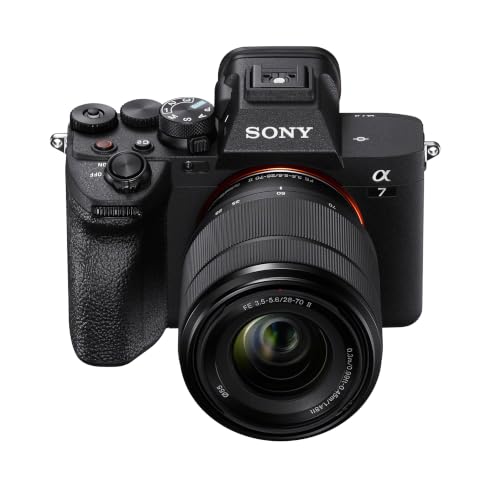
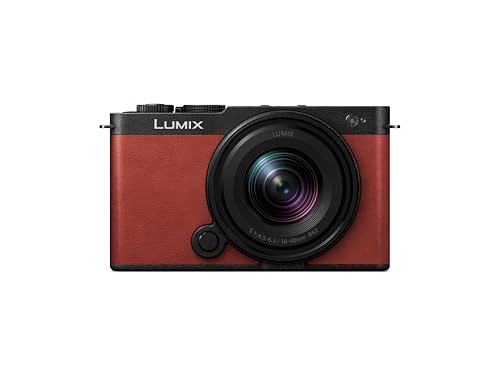
Start by thinking about where you will shoot at night, such as city streets, family gatherings, concerts, or quiet outdoor scenes. The comparison table below gives a quick view of the main camera shapes and price levels. Keep your usual subjects in mind as you read, because the right camera for a concert crowd is not always the right camera for a moonlit landscape.






Cameras 101: The Basics for New Buyers
A camera makes a photo by letting light through a lens onto a sensor for a short time. At night, there is less light to work with, so the camera must open the lens wider, keep the shutter open longer, or boost sensitivity to brightness. Each choice has a trade off, and a good night camera gives you a sensible balance of the three without forcing you to learn every setting at once.
A handheld camera for night photos is a different job from a fixed camera that watches a porch or driveway all night. Our guide to best night vision cameras covers cameras built for fixed night viewing, while our guide to best night time security cameras and our guide to best night surveillance cameras cover cameras that stay in place for home monitoring. The rest of this guide is about cameras you carry, point, and shoot after dark.
Key Specs Explained in Plain English
Camera specifications look technical, but most of them describe simple ideas. Read each section below for what the spec means, why it matters at night, and what level a first time buyer should look for.
Features That Matter for Night
Night shooting rewards a sensor that gathers light well, a lens that opens wide, and stabilization that steadies slow shutter speeds. Fast focus matters too, because a camera that searches for focus in the dark will miss the moment. Look for a bright lens, a sensor larger than a phone sensor, and a screen that stays readable when the room is dark.
Sensor Size and Image Quality
Think of the sensor as the surface that catches light, and larger surfaces usually catch light more cleanly. A one inch sensor generally performs better at night than a tiny phone sized sensor, and a larger sensor usually keeps grain lower when sensitivity rises. Megapixels alone do not tell the story, because more pixels on a small sensor can each gather less light. Compare night sample photos at full size, and pay attention to detail in shadows rather than to bright areas.
Video Capabilities
Night video needs the same light gathering strengths as night stills, plus motion that stays smooth and sound that stays clear. Look for 4K video, stabilization that works while you walk, and a microphone input if you plan to record people talking. A flip screen helps when you film yourself, and a simple video button helps when you switch quickly from photos to clips. Check a night video sample before you buy, because daylight video can hide weaknesses that darkness reveals.
Low Light Performance
Low light performance describes how clean a photo stays as sensitivity rises and light falls. Sensitivity, often called ISO, brightens a photo, but very high sensitivity can add grain and soften fine detail. A good night camera keeps grain acceptable at the sensitivity you will actually use, rather than only at its lowest setting. Test this by looking at sample photos taken in dim rooms, and notice whether faces, fabric, and distant lights still show clear edges.
Durability and Weather Sealing
Night shooting often means cold air, damp streets, and long evenings outdoors, so build quality deserves attention. Weather sealing helps keep out rain and dust, while a solid grip helps when your hands are cold or tired. Check the battery door, memory card cover, and lens mount for a firm, secure feel, and carry the camera in a padded bag when you are not shooting. Maker care guidance also matters, so read the manual for storage, cleaning, and battery advice before your first night out.
Cameras for Specific Needs
Two common first time needs deserve their own notes, because they change which strengths matter most. Read the note that matches your plan, and use the rest of the guide to compare the details.
Many first time buyers shoot a mix of subjects, such as family gatherings indoors and city walks outdoors, and that mix favours a balanced camera over a specialist one. A balanced camera pairs a bright wide lens with steady stabilization and a sensor that stays clean at moderate sensitivity. It will not match a large sensor camera in the darkest rooms, but it will handle most evenings well and stay easy to carry. If one subject dominates your plans, such as concerts or landscapes, let that subject push you toward a stronger sensor, a longer lens, or a tripod friendly design.
Best Cameras at Night: Tips for First Time Buyers
For general night shooting, favour a bright lens, a larger sensor, and reliable autofocus over a very long zoom. A long zoom often narrows the lens opening at the far end, which hurts exactly when light is scarce. A camera that focuses quickly in dim rooms, steadies slow shutter speeds, and keeps grain under control will serve street scenes, gatherings, and travel evenings better than a camera that only promises reach.
Best Compact Cameras for Night: Tips for First Time Buyers
For a pocket sized camera, favour size, grip, and a bright wide lens over extra zoom and extra modes. A compact you carry everywhere will take more night photos than a larger camera left at home, even if the larger camera gathers slightly more light. Check that the camera fits your coat pocket, feels secure in one hand, and starts quickly, because night moments rarely wait for a slow startup.
Rookie Mistakes to Avoid
- Judging a camera by megapixels alone, which hides sensor size and lens brightness.
- Using the built in flash for every night photo, which can flatten faces and darken backgrounds.
- Trusting a daylight sample photo, which says little about grain and focus in a dim room.
- Buying the longest zoom available, which often means a slower lens and shakier handheld shots.
- Forgetting a spare battery, because cold nights and long video clips drain power quickly.
Getting Started: Setup and First Use
When the camera arrives, charge the battery fully, set the date and time, and format the memory card in the camera. Use a lens cloth, not your shirt, to clean the lens, and carry a spare battery in a pocket so cold air does not drain it early. Take a few test photos in a dim room at home, and try the auto mode, the night mode, and one manual setting, so you learn how each one handles grain and blur. Keep the maker guide nearby for the first week, and practise changing focus and exposure without looking at the buttons, because night shooting rewards quick, confident handling.
For your first night out, pick a familiar place with mixed light, such as a well lit street near your home, and shoot the same scene with different settings. Compare a photo taken in auto mode with one taken at a higher sensitivity, and notice how grain, colour, and sharpness change. Note which settings you used for the photos you like best, and save those settings as a starting point for the next evening. This short test teaches more about your camera than a long list of specifications, and it builds confidence before an important event.
Cameras: Your Questions Answered
What features matter most in cameras for night?
Sensor size, lens brightness, stabilization, and focus speed matter most for night photos. A larger sensor gathers light more cleanly, a bright lens passes more light to the sensor, and stabilization lets you use slower shutter speeds without blur. Focus speed matters because a camera that hunts in the dark will miss the moment, even if the exposure is correct. Judge those four strengths together, and treat extra modes as a bonus rather than a reason to buy.
What specs matter most for beginners?
Beginners should compare sensor size, maximum aperture, stabilization, and battery life before anything else. Those specs decide most night results and most evenings out, while minor modes rarely change a photo. A clear auto mode and a readable screen help more than a long feature list, especially when you are learning in the dark. Add a spare battery and a padded case to your budget, because a camera that runs out of power ends the evening early.
Which is better for low light, a phone or a dedicated camera?
A dedicated camera usually beats a phone in very dim rooms, because its larger sensor and brighter lens gather light more cleanly. A phone wins on convenience, sharing, and always being in your pocket, and modern phones handle well lit evenings well. Choose a dedicated camera if you print photos, shoot in dark rooms, or want more control over focus and exposure. Keep the phone as a backup, and use whichever camera you actually carry into the night.
What is ISO and why does it matter at night?
ISO is the sensitivity setting that brightens a photo when light is scarce. Raising ISO lets you use a faster shutter speed in the dark, which helps freeze movement and reduce blur. The trade off is grain, because very high ISO can make photos look rough and soften fine detail. A good night camera keeps grain acceptable at the ISO you will use most, so check sample photos at that setting rather than at the lowest setting.
How much should I spend on my first one?
Most first time buyers do well around $400 to $800, where a capable sensor, a bright lens, and useful stabilization meet. Below that range, night results fall off quickly, and above it, gains become smaller for casual use. Spend less if you shoot mainly in lit streets and rooms, and spend more if you print large or shoot in very dark places. Keep a small reserve for a spare battery, a memory card, and a padded case, because those items shape every night out.
Do I need a tripod for night photos?
You do not need a tripod for most casual night photos, because stabilization and a bright lens handle many street and indoor scenes. A small tripod helps for long exposures, moonlit landscapes, and scenes where you want sharp detail across the whole frame. It also slows you down, so it suits planned shots better than parties and crowds. Start handheld, add a compact tripod later if you enjoy long exposure work, and practise setting it up before a dark evening out.
Final Thoughts
For a first camera, put sensor size, lens brightness, and stabilization first, then match size and budget to the nights you actually shoot. The best cameras for night for you is the camera you will carry, understand, and enjoy using after dark. Check the product table above once more, compare the specific needs notes with your plans, and choose the camera that feels steady in your hands and simple to use in dim light.


