Best Cameras with Image Stabilization: A Checklist for 2026
Disclosure: We may earn a commission when you buy through links on this page, at no extra cost to you. As an Amazon Associate I earn from qualifying purchases. Learn more

Run this checklist before you buy the best cameras with image stabilization: stops, sensor size, video features, build quality, and price bands explained.
Camera shake quietly ruins more photographs than weak lenses do, and it gets worse as light falls and shutter speeds drop. That is why the best cameras with image stabilization earn their place in a bag: their systems shift a lens element or the sensor itself to cancel small hand movements. This guide works as a checklist, so you can score any stabilized body or lens against the same criteria in the same order.
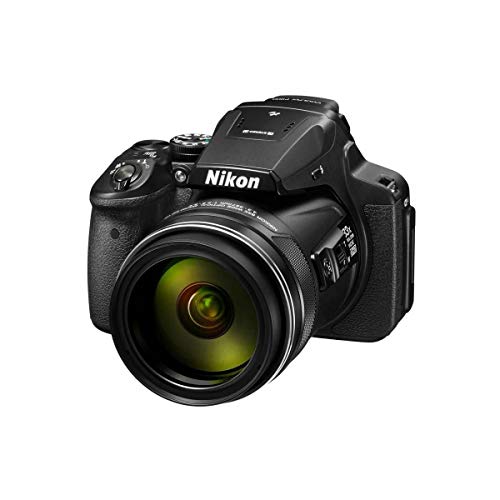
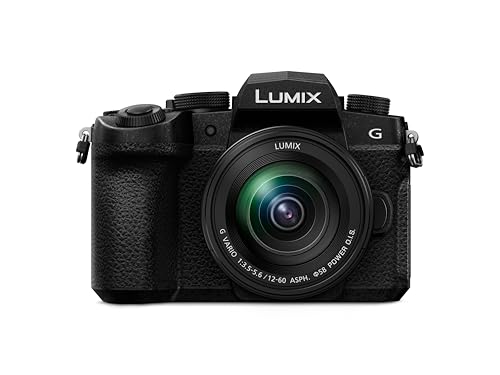
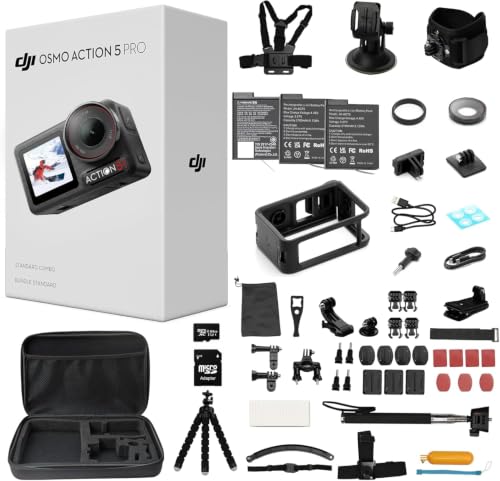
The checklist below covers the stops rating, where the stabilization lives, sensor size, low light behavior, video behavior, build and price band. It works for a first body or an upgrade, and it pairs with our guide to the best digital cameras for readers who want the wider field first. The comparison table below gathers the leading classes side by side before the detailed checks begin.




A Checklist for Comparing Stabilized Cameras
Work through these seven checks in order. The first two decide how much steady shooting the camera really buys you; the rest decide how well that help survives your subjects, your light and your travel style.
Why Choose a Camera With Image Stabilization
Stabilization is read in stops. Each stop of correction lets you use a shutter speed one step slower while still holding the frame steady, so the stops rating is the honest measure of the feature. Makers measure their ratings under standard test conditions that flatter the result, and about 3 to 5 stops is the working class you can plan around in real light.
Stabilization lives in three places. Lens based systems move a small element group inside the lens, in body systems move the sensor itself, and dual systems coordinate both at once for the strongest correction. Lens based help suits long telephoto lenses and shows a steadied viewfinder image on DSLRs, while in body systems steady every lens you mount, including old manual glass with no electronics at all.
Sensor Size and Image Quality
Sensor size still governs the ceiling of image quality, whatever the stabilization does. A 1 inch compact sensor beats a phone sensor clearly, APS C steps up again for cleaner files, and full frame leads on dynamic range and depth of field control. Megapixels alone do not decide sharpness: past about 24 megapixels, lens quality and light matter more. Readers weighing pure image quality across classes can compare this checklist with our guide to the best image quality cameras.
Low Light Performance
Stabilization and low light performance work as a team, because slower shutter speeds are exactly where dim rooms force you. A stabilized body lets you hold a still scene at speeds that would blur unsteadied, which keeps ISO lower and files cleaner. But hold one limit firmly in mind: stabilization holds the camera still, and it never freezes a subject. A singer swaying on a dim stage still blurs at a slow shutter speed, so for moving subjects you still need a fast lens and higher ISO.
Durability and Weather Sealing
A stabilized camera is often a travel camera, so build quality belongs on the checklist. Weather sealing means gaskets at dials, doors and the lens mount, and it shrugs off drizzle and dust rather than submersion. Sensor shift systems also need care in rough handling, because the sensor floats on its mechanism when the camera is off. A magnesium shell and a sealed kit lens are worth more on the road than a small extra margin of megapixels.
Ease of Use for Your Skill Level
Good stabilization should be invisible in daily use: it wakes with the camera, needs no menu diving and simply works. Beginners should look for a clear on and off switch, a panning mode that steadies vertical shake while you follow a subject, and honest automatic modes. App based transfer and touch focus help new shooters share quickly. Advanced shooters should check whether the camera lets them set stabilization behavior per lens and save it to a custom mode.
Video Capabilities
Video leans on stabilization harder than stills do, because shake reads as jitter in every frame. Look for optical stabilization that stays active while recording, a combined optical and electronic mode for walking shots, a mic input and a screen that flips for self recording in 4K. For motion first shooting, the action class covered in our guide to the best action cameras with image stabilization pushes this further with wider lenses and tougher housings.
Size, Weight, and Ergonomics
Stabilization adds a little bulk wherever it lives, so handle the camera before judging the spec sheet. A grip that fills your hand steadies the camera before any system wakes up, and a balanced body and lens pair tires your wrist less on a long day. Mirrorless bodies carry in body stabilization in a smaller shell, and our guide to the best mirrorless cameras with image stabilization compares that class in detail.
Stabilized Cameras by Price Band
Price bands in this category map cleanly onto where the stabilization lives and how strong the stops rating runs. Use the bands to set expectations before you fall for a single spec.
Starter Band: Compact and Entry Bodies
Expect to spend about $300 to $700 in the starter band, which covers strong compacts and entry interchangeable lens bodies. Stabilization here is usually lens based on compacts and kit zooms, rated around 3 to 4 stops, and that is genuinely useful for travel, family and indoor shots without flash. What you give up is headroom: small sensors work harder in low light, and video stabilization is basic, often with a visible crop when the electronic mode is on.
Middle Band: Dual Systems Arrive
The middle band runs about $800 to $1,800 and is where in body stabilization becomes common and dual systems appear. Ratings climb toward 5 stops on matched body and lens pairs, video tools grow up with mic inputs and log profiles, and weather sealing starts to appear. For most enthusiasts this band is the sensible ceiling, because it buys real stabilization strength, a lens mount with room to grow and build quality that survives travel.
Upper Band: Flagship Correction
Above about $2,000 and up to about $3,500, flagship bodies push stabilization ratings to the top of the class and pair them with the best sensors and fastest processors. You also gain finer control, with per lens settings, better panning detection and stabilization that stays composed at very long focal lengths. The honest caution is that maker ratings here are measured under kind conditions, so judge the band by the whole package of sensor, focus and build rather than a headline stops figure alone.
Quick Buyer Checklist
Answer each question yes or no for any camera on your shortlist. Three or more no answers means keep looking.
- Is the stabilization rated at 3 stops or more for the body or lens you will use most?
- Does the stabilization stay active and smooth while recording video, not only for stills?
- Is there a panning mode for following moving subjects?
- Does the sensor size suit your low light needs without leaning on stabilization alone?
- Is the body sealed well enough for the weather you actually shoot in?
- Can you switch stabilization off quickly for tripod work?
- Does the price leave room in your budget for the lens you really want?
Red Flags to Watch For
- A stabilization claim with no stops rating at all, only words such as powerful or advanced, which usually hides a weak system.
- A headline rating quoted for one short lens only, while the long lenses you plan to buy carry far weaker correction.
- Electronic video stabilization that crops the frame heavily with no warning in the specs, shrinking your field of view.
- No panning mode on a camera aimed at sport or wildlife buyers, so side to side tracking fights the system.
- A very short warranty on a body whose sensor floats on a precision mechanism that is costly to repair.
Choosing Cameras for Your Situation
The checklist above is general; these short sections tune it for the buying situations readers ask about most.
Best Cameras for Image Stabilization: What to Check
For stabilization as the headline need, check the rating for the exact body and lens pairing you will use, because the figure changes across a system. Prefer at least 4 stops on paper for handheld work in mixed light, and confirm the system steadies the viewfinder or screen image, which makes framing at long focal lengths calmer. A camera that meets both checks will serve stills shooters in most real conditions.
Best Video Cameras with Image Stabilization: What to Check
Video first buyers should check three things: that optical stabilization runs continuously while recording, that a combined mode smooths walking shots without warping the frame edges, and that the camera records clean audio through a mic input so the steady picture is not let down by sound. Heat matters too, because long 4K sessions throttle some bodies, so check recording limits before a body becomes your main video tool.
Best DSLR Cameras with Image Stabilization: What to Check
On DSLRs, stabilization almost always lives in the lens rather than the body, because the mirror assembly leaves no room for a moving sensor. That means every lens purchase is also a stabilization decision: check each lens for the feature and its stops rating, and favor lenses whose stabilization steadies the optical finder image. The reward is superb battery life and a mature used lens market where stabilized zooms sell cheaply.
Best Compact Cameras with Image Stabilization: What to Check
Compacts put stabilization to hard work, because their long zoom lenses magnify every tremor at full reach. Check the rating at the telephoto end rather than the wide end, since that is where your hands need the help. Also check that stabilization stays on in the compact video mode and that the battery is a common type, because small bodies with rare batteries become paperweights when the original cell dies.
Best Cameras with Image Stabilization for Video
Hybrid shooters who split time between stills and clips should look for a body whose stabilization behaves the same in both modes, with an active setting for walking and a standard setting for static shots. Check for a flip screen, a mic input and focus that stays smooth while the system works. This is the one situation where paying for a dual system earns its keep fastest, because every clip benefits on every shoot.
Best Digital Slr Cameras with Image Stabilization: What to Check
Digital SLR buyers shopping used should check the pairing, not just the body: a stabilized lens on a sound body beats a newer body behind an unstabilized lens for handheld work. Ask about shutter count, confirm the lens stabilization switch and modes still work, and test at a slow shutter speed before paying. Because the bodies are plentiful and cheap, spending a little more for a low count example with a stabilized kit zoom is usually the smart move.
Setup and Care Tips
Three habits protect a stabilized camera. Switch stabilization off on a solid tripod, because the system can hunt for shake that is not there and soften long exposures. Keep lens contacts and mount surfaces clean with a dry cloth so the body and lens coordinate properly, and carry a spare battery, because sensor shift and lens systems draw steady power. Store the camera in a dry, padded bag, and use a lens cloth rather than your shirt on the front element.
Image Stabilization Questions Answered
Short answers to the questions readers ask most about stabilized cameras.
How much should I spend on my first stabilized camera?
Spend about $400 to $800 on a first stabilized camera, which covers a good compact with lens based stabilization or an entry body with a stabilized kit lens. That band buys an honest 3 to 4 stops of help, which is enough to learn handheld technique properly. Keep a little budget back for a spare battery and a padded bag, because stabilization draws power on every shot and a dropped camera loses its calibration.
Is a smartphone enough instead of a camera with image stabilization?
A smartphone is enough instead of a dedicated stabilized camera for daylight scenes and casual clips, because phone stabilization is genuinely strong for video at wide angles. It falls short at long zoom, in dim light and whenever you want shallow depth of field, because the tiny sensor and digital zoom give the system little to work with. Treat the phone as your always carried camera and a stabilized body as your deliberate one.
Which stabilization type is better for low light, in body or in lens?
Neither type wins low light on its own, because both buy the same thing: slower shutter speeds for still subjects. In body systems steady every lens you own, including fast primes with no stabilization of their own, which makes them flexible in dim rooms. Lens based systems often rate a little stronger at long focal lengths. A dual pairing is best of all, but either type paired with a fast lens serves low light well.
What does a stop of stabilization mean on a camera?
A stop of stabilization means the system lets you halve your shutter speed and keep the same sharpness you would get unsteadied. Three stops turns a safe handheld speed of 1/125 second into about 1/15 second, which is the difference between raising ISO in a dim hall and keeping files clean. The rating only covers your own hand movement, so a moving subject can still blur at those slow speeds even when the frame is steady.
What specs matter most for beginners in a stabilized camera?
The specs that matter most for beginners are a stabilization rating of at least 3 stops, a panning mode, and simple controls that leave the system on by default. Sensor size comes next, because it decides how the camera copes when light drops and shutter speeds fall. Beginners should skip bodies that bury stabilization settings deep in menus; the feature only helps when it is quietly active on every shot without being managed.
Final Thoughts
Run every candidate through the same checks: a stops rating you can plan around, a stabilization home that suits your lenses, and honest video behavior. The best cameras with image stabilization for you are the ones whose help survives your light, your subjects and your budget. Compare your shortlist against the product table above, distrust any claim that will not state its stops, and choose the body you will carry daily without thinking about it.