Best Action Cameras with Image Stabilization in 2026: Which Type Is Right for You?
Disclosure: We may earn a commission when you buy through links on this page, at no extra cost to you. As an Amazon Associate I earn from qualifying purchases. Learn more

Compare the best action cameras with image stabilization by type, sensor, lens, and battery life, with practical guidance for choosing smooth video gear.
Shopping for a small camera that can keep footage steady while you move can feel confusing, because action cameras, mirrorless bodies, and phones all promise steady video. The best action cameras with image stabilization solve one clear problem: they record smooth video from a tiny, tough body that you can mount almost anywhere.
This guide compares product types first, so you can confirm that an action camera matches your plans before you study specs. It then walks through stabilization, lenses, sensors, and battery choices. Use the comparison table below to see how the main options differ.
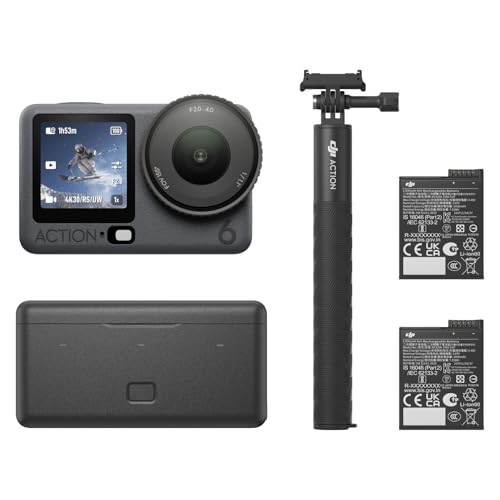


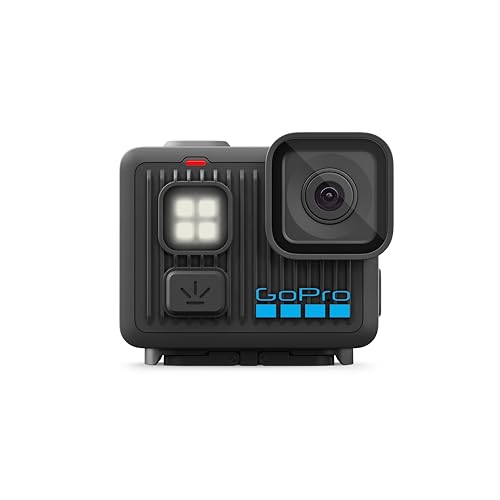

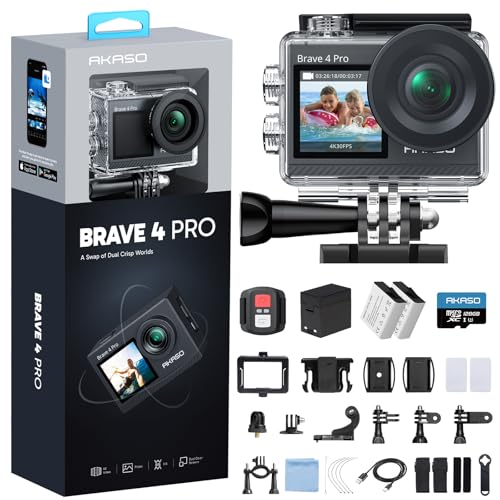
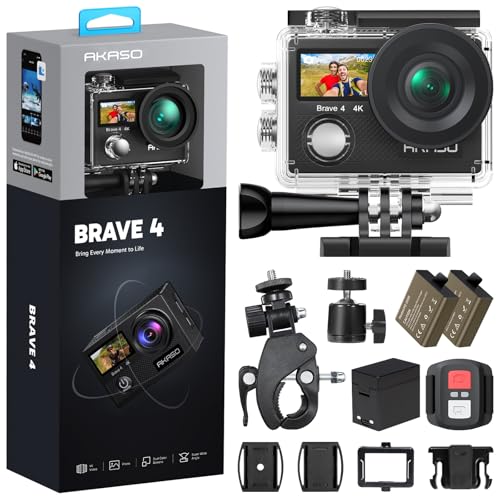

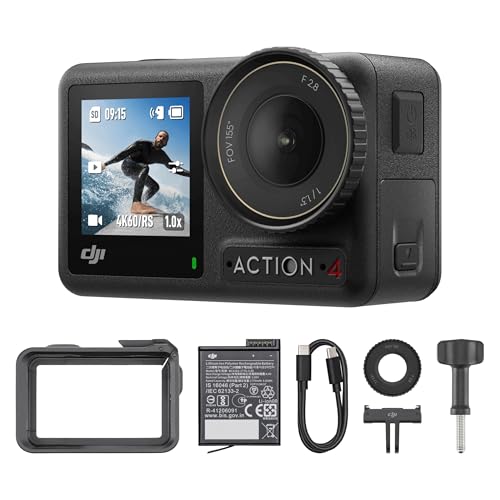
How Action Cameras Compare to Other Options
The core difference is purpose. An action camera records video while you take part in the activity, while a mirrorless camera trades size for control and still photo quality. For the broader picture across camera styles, see our guide to the best cameras with image stabilization for how steady shooting works in other body types.
Action Cameras vs Mirrorless Cameras
Mirrorless cameras are larger bodies with interchangeable lenses, bigger sensors, and autofocus systems that track eyes and subjects for still photos. That control is wonderful for portraits and events, but the body and lens are heavy and awkward to strap to a helmet or a chest mount. Most are not weatherproof enough for rain, spray, or a fall without extra protection.
An action camera gives up lens swapping and fine manual control in return for a fixed wide lens, simple menus, and a body built to be dropped, soaked, and mounted. Action models cost around $200 to $400, while capable mirrorless kits cost about $600 to $2,000. Readers leaning toward the larger system can see our guide to the best mirrorless cameras with image stabilization for that side of the comparison.
Who Should Choose Action Cameras?
Action cameras fit people who film while doing something else, where a phone or a large camera would get in the way. The groups below cover the most common matches.
Riders, Skiers, and Paddlers Who Film Movement
If you ride trails, ski slopes, or paddle moving water, you need both hands for control and a camera that survives spray, vibration, and the odd knock. A small body on a helmet, chest, or handlebar mount records your line without changing how you move.
Travelers and Families Who Pack Light
Travelers who walk all day, swim with kids, and film beaches benefit from a camera that fits in a pocket and shrugs off rain and sand. You can hand it to a child with less worry than a phone. For general model research beyond stabilization, see our guide to the best action cameras.
New Creators Who Want Simple Video
Creators filming walks, workouts, or point of view clips often want to press one button and trust the result. Action cameras suit that style, with fixed focus, automatic exposure, and mounts for bikes and boards. If instead you need detailed still photos, distant subjects, or careful control of focus, a mirrorless camera will serve you better.
How to Choose the Right Action Camera
Why Choose an Action Camera With Image Stabilization
When you compare the best action cameras with image stabilization, stabilization smooths shake from footsteps, handlebar vibration, and waves by using motion sensors and software that shift the image to counter each movement. The result is footage you can watch comfortably, with far less fixing on a computer later.
It does have limits. Stabilization crops the edges of the frame to leave room for correction, and the strongest settings can look floaty when you pan on purpose. It also cannot remove motion blur when light is low and the shutter stays open longer.
Frame Rates, Resolution, and 4K Video
Resolution sets how much detail a clip holds, and 4K video gives you room to crop later while keeping the picture sharp. Higher frame rates, such as 60 or 120 frames per second, let you slow action down smoothly for jumps and splashes. The trade off is larger files, faster battery drain, and more heat.
For everyday clips, a moderate setting often looks great, so match the mode to the moment instead of maxing out every spec. Readers who care most about video modes can see our guide to the best action video cameras for a video focused view.
Lens and Zoom Range
Most action cameras use a fixed wide angle lens that keeps your hands, your board, and the scenery in frame at once. Wider settings capture more of the scene but bend straight lines near the edges, while narrower settings straighten the view and suit talking to the camera.
True optical zoom, which moves lens elements to magnify the scene without losing detail, is rare on action cameras and common on larger cameras. Digital zoom simply enlarges the middle of the image, so detail drops quickly. If filming distant animals matters, plan to get closer or choose a different camera type.
Sensor Size and Image Quality
Sensor size affects how much light the camera gathers, and a larger sensor generally means cleaner footage in shade, indoors, and at sunset. Many action cameras use small sensors to keep the body tiny, while some newer models fit a 1 inch sensor that handles low light better. Megapixels alone tell you little, because a modest count on a larger sensor often beats a high count on a tiny one.
Also look at dynamic range, how well the camera holds detail in bright sky and dark shade in one shot. If polished still photos matter more than mounted video, see our guide to the best image quality cameras.
Battery Life and Charging
A single charge often lasts about one to two hours of recording, and cold air, high resolution, and strong stabilization all shorten that time. Spare batteries are small insurance for a full day out, so budget for at least one extra. A worn removable pack can also be replaced instead of retiring the camera.
Charging through USB C lets you top up from a power bank in a bag or car. Note that opening the battery door usually breaks the waterproof seal, so swap packs on dry land and close the door carefully before the camera gets wet again.
Size, Mounts, and Weatherproof Build
A weatherproof body that handles rain and brief immersion without a case makes filming around water simple, while deeper diving needs a separate housing rated for that depth. Check the stated depth limit with the standard door fitted. A scratched or sandy seal can leak, so treat the rating as care dependent, not automatic.
Mounts decide what shots you can get, so confirm that helmets, chest straps, and handlebar clamps fit the mounting system the camera uses. Screens front and back help you frame yourself, though thick gloves can make touch controls clumsy, so voice control helps on cold days.
Common Mistakes to Avoid
Most regrets with this camera type come from a few avoidable choices.
- Expecting zoom from a wide action camera lens leaves distant subjects tiny and disappointing in your clips.
- Using the strongest stabilization setting in low light can produce smeared, floaty footage that looks worse than a gentler mode.
- Recording every clip at the highest settings fills memory cards fast and can overheat the camera on long takes.
- Clamping a mount loosely risks losing the camera the first time it takes a hard knock.
- Forgetting a spare battery and a fast memory card can end filming early.
Care and Maintenance Tips for Action Cameras
Clean the lens with a soft lens cloth, not your shirt, because grit in fabric can scratch the coating that keeps footage clear. After use in salt water, rinse the closed camera in fresh water and let it dry fully before opening any door. Check the rubber seals for sand and cracks each time you close them.
Store the camera and its spare batteries in a dry, padded bag away from heat. Inspect mount screws and adhesive pads before rough use, and replace a scratched lens protector rather than filming through it. Small habits like these keep seals tight and images sharp for years of trips.
Frequently Asked Questions
Is a smartphone enough instead of an action camera with image stabilization?
A smartphone is enough for calm walking clips, but an action camera is the safer choice once mounting, water, or drops enter the picture. Phones also drain the battery you need for maps and messages, and a long recording can leave you with a hot phone and full storage. An action camera keeps recording with a replaceable card and battery, so your phone stays free.
What specs matter most for beginners buying an action camera with image stabilization?
Stabilization quality, battery life, and simple controls matter most for beginners, ahead of the highest resolution on the box. Start with automatic settings and one trusted video mode, then learn extra modes slowly. A clear app for moving clips to your phone also helps beginners actually share what they film, a point spec sheets rarely mention.
How much should you spend on your first action camera with image stabilization?
Most first time buyers land in a sensible range of about $150 to $350 for a capable action camera. Spending less often means weaker stabilization and shorter battery life, while spending more mainly buys a larger sensor and extra screens. Set aside part of the budget for a memory card, a spare battery, and one mount.
Which action camera with image stabilization handles low light better?
An action camera with a larger sensor handles low light better than one with a small sensor and the same resolution. In dim scenes, lowering the frame rate also helps, because each frame can gather light for longer and faces look less grainy. Filming near lamps or open sky at dusk gives any model a boost.
Final Thoughts
Start by confirming the type: action cameras record your own movement, while mirrorless cameras favor control and stills. Then weigh stabilization strength, sensor size, and battery life against the product table above, and pick the balance that matches how you film.
When you choose the best action cameras with image stabilization for your kind of outing, you get steady, shareable footage from a camera small enough to bring everywhere. Review the comparison table above once more and order with confidence.