
Best Cameras Used for Vlogging: Types Compared and How to Choose (2026)
Disclosure: We may earn a commission when you buy through links on this page, at no extra cost to you. As an Amazon Associate I earn from qualifying purchases. Learn more

Compare the best cameras used for vlogging by type, with clear pros, cons, price tiers, and the features that matter most for your style of video.
Choosing a vlogging camera feels confusing because the market mixes several very different tools under one label. Compact cameras, mirrorless bodies, action cameras, and even phones all promise great video, yet each one suits a different way of filming. This guide compares the best cameras used for vlogging by type, so you can match the format to your routine before you spend anything.
Instead of chasing a single famous model, you will learn what each type does well, where it struggles, and which features actually change your daily results. The comparison table below gives you a quick overview, and the sections after it explain the trade offs in plain language.


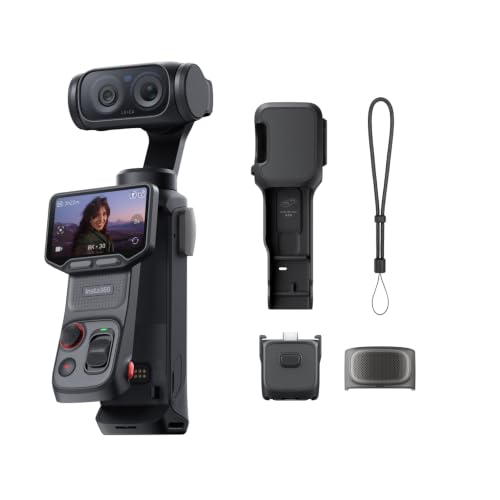

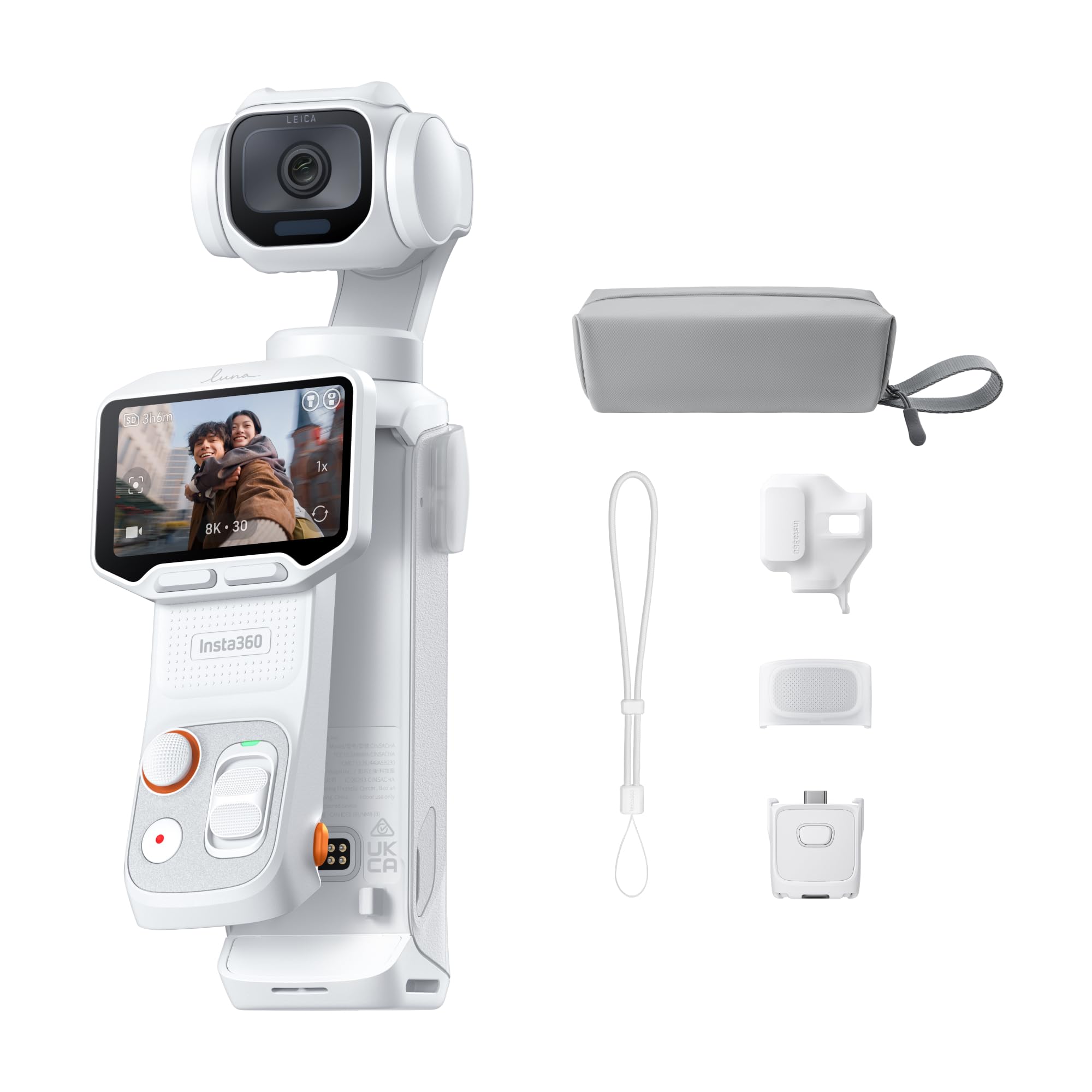


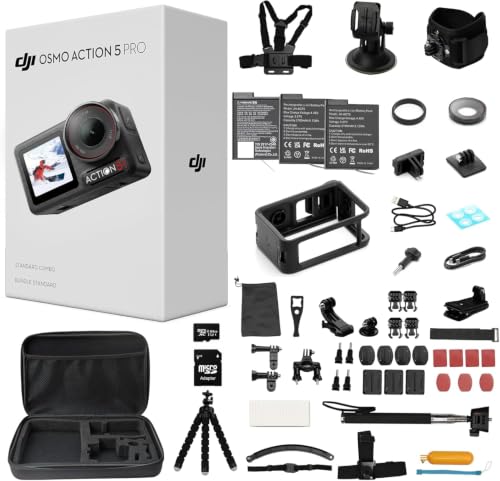

How Vlogging Camera Types Compare
Think of camera types as tools shaped by different priorities. A compact camera with a one inch sensor favors portability and simple controls. A mirrorless camera with a larger sensor favors image quality, lens choice, and room to grow. An action camera favors toughness and a very wide view, while a phone favors speed and sharing. None of these is best at everything, so the right question is which set of strengths matches how you actually film each week.
Price follows the same pattern. Simple compact models often sit around $300 to $600, capable mirrorless kits commonly run about $700 to $1,500, and advanced full frame setups can pass $2,000 once you add a lens. Use the product table above as a starting snapshot, then judge each type against your lighting, your audio needs, and how much gear you are willing to carry.
Vlogging Cameras vs Phones
A phone is the camera you already own, and it handles daylight talking clips well. Its limits appear in dim rooms, in wind, and when you want optical zoom or a softly blurred background. A vlogging camera adds a larger sensor, a microphone input, a flip screen, and a battery that does not drain your phone.
Many creators film on a phone for a few months, then upgrade once they know their format. If you already publish weekly and feel held back by sound or low light, the camera is the right next step. If you post casually, the phone can carry you a while longer.
Vlogging Cameras vs Action Cameras
Action cameras are small, rugged, and usually waterproof without a case, which makes them ideal for cycling, skiing, surfing, and mounted shots. Their fixed wide lens keeps nearly everything in focus, and their stabilization is excellent for movement. The limits show up indoors, where the small sensor struggles in dim rooms, and the wide view can distort faces held close to the lens.
A dedicated vlogging camera gives you a larger sensor, better low light results, and usually a zoom lens or interchangeable lenses. Choose the action camera when toughness and mounting options matter most. Choose the larger camera when you film talking segments, product close ups, or indoor scenes where image quality carries the video.
Compact Cameras vs Mirrorless Cameras
Compact vlogging cameras keep the whole kit in one small body with a built in lens, simple menus, and light weight. Mirrorless cameras add a larger sensor, interchangeable lenses, and stronger low light results, at the cost of size, price, and a learning curve.
For vlogging, the numbers that matter are sensor size, video resolution, frame rates, and stabilization type. Choose a compact if you travel light and film in daylight. Choose mirrorless if you film indoors, want shallow depth of field, or plan to grow your lens set.
Who Should Choose a Dedicated Vlogging Camera?
A dedicated vlogging camera suits you if you publish regularly and feel limited by phone footage in dim light, windy audio, or shaky walking shots. It also suits creators who want a flip screen for framing, reliable eye autofocus, and a microphone jack for cleaner sound. Travel creators gain from compact bodies that still zoom, while studio creators gain from larger sensors and lens choice.
You may not need one yet if you post casually and your phone already looks good in daylight. Beginners who are still finding their topic can start simple and upgrade once filming becomes a habit. If that sounds like you, our guide to the best vlogging cameras for beginners explains the gentler starting point in more detail.
How to Choose the Right Vlogging Camera
Durability and Weather Sealing
Weather sealing means gaskets around buttons, dials, and the lens mount that slow down dust and light rain. It is not the same as waterproof, and a sealed camera still needs care in a downpour. If you film outdoors often, sealing plus a simple rain cover protects your investment far better than specs alone. Handle display models in store when you can, because solid dials and a firm grip matter during long shoots.
Also check the lens. A sealed body with an unsealed kit lens leaves a gap in protection. For beach and trail filming, plan on a padded bag, a lens cloth, and a habit of wiping grit away before you change lenses or batteries.
Battery Life and Charging
Video drains batteries far faster than photos, so look at recording time rather than photo counts. Many compact cameras record about 60 to 90 minutes per charge in 4K, while larger mirrorless bodies vary widely by screen brightness and stabilization settings. USB C charging is a genuine convenience because you can top up from a power bank between locations.
Budget for at least one spare battery from day one. Cold weather shortens runtime, and a spare in your pocket keeps a shoot alive. If you film long events, check whether the camera can record while powered by USB, and confirm it does not overheat during extended 4K sessions.
Sensor Size and Image Quality
Sensor size shapes low light quality, background blur, and dynamic range more than megapixel count does. A one inch sensor is a strong step up from a phone and keeps the camera pocketable. APS C sensors gather more light and pair with a wide range of affordable lenses. Full frame sensors deliver the cleanest high ISO footage and the shallowest depth of field, at higher cost and weight.
For most vloggers, clean 4K from a one inch or APS C sensor looks excellent on YouTube. Megapixels matter mainly for cropping photos. Prioritize a sensor and lens combination that stays clean at the light levels where you actually film, usually indoors or near sunset.
Autofocus and Stabilization
Eye autofocus is the feature creators feel most. The camera locks onto your eye and holds focus while you move, gesture, or hold products toward the lens. Test how quickly it recovers when you turn sideways or when a product covers your face briefly. Sticky, calm autofocus beats fast but nervous autofocus for talking footage.
Stabilization comes in three forms. In body stabilization moves the sensor, optical stabilization moves lens elements, and electronic stabilization crops the frame slightly. A small gimbal still gives the smoothest walking shots, but good in body stabilization is enough for slow walks and static handheld clips. If you film while walking often, weight this feature heavily.
Features That Matter for Vlogging
Four features separate vlogging cameras from general cameras. A fully articulating screen lets you frame yourself from any angle. A microphone input plus a headphone jack on some models lets you record and monitor clean audio. A product showcase mode, where available, shifts focus to items held close. Finally, a wide lens, roughly 16 to 24 mm in full frame terms, captures your face and surroundings without forcing you to hold the camera at an uncomfortable distance.
Also confirm the camera records 4K without a short time limit that interrupts your format, and check the crop factor in 4K mode. Some bodies crop heavily in 4K, which makes a wide lens behave like a much tighter one. For a wider view of the broader market, see our overview of the best digital cameras and how vlogging models fit within it.
Setup and Care Tips
Set your camera up once, carefully, and filming becomes much easier every day after. Format the memory card in camera, set your region and date, and save your preferred video settings to a custom mode if the body offers one. Use a lens cloth, not your shirt, because shirt fabric can drag grit across the coating. Carry a spare battery and a spare card in the same small pouch so you never hunt for them.
Store the camera in a dry, padded bag away from bathroom humidity and car heat. At home, a simple audio routine helps too. Record ten seconds of silence in each new room, listen for hum or echo, and adjust your position before the real take. Small habits like these prevent most ruined shoots.
Frequently Asked Questions
What features matter most in the best cameras used for vlogging?
A flip screen, reliable eye autofocus, a microphone input, and effective stabilization matter most. Together they let you frame yourself, stay in focus, sound clear, and film while moving. Sensor size comes next, mainly for indoor light. One practical extra is a tally lamp on the front, which confirms at a glance that recording is actually running.
Which is better for low light?
Larger sensors are better for low light because each pixel gathers more light and produces less noise at high ISO. A full frame or APS C camera with a fast lens, around f1.8 to f2.8, will look far cleaner indoors than a small sensor compact. If you own a compact, add light first. A small LED panel improves footage more than any menu setting.
Do I need a microphone for vlogging?
Yes, for anything beyond casual clips. Built in microphones pick up wind, handling noise, and room echo, and clear speech matters more to viewers than a sharper picture. A small shotgun or wireless microphone raises sound quality far more than a pricier body would. Check that the camera has a microphone input, and record a few seconds of test audio before each session.
Is a smartphone enough instead?
A modern smartphone is enough for daylight vlogging, quick updates, and learning your format. Its limits appear in dim rooms, in wind, and when you need real optical zoom or blurred backgrounds. Many creators film on a phone for a few months, then upgrade once they know their style. If budget is tight, our guide to the best affordable cameras for vlogging shows where modest money helps most.
What specs matter most for beginners?
Beginners should prioritize simple menus, dependable autofocus, and a screen that flips toward you. Complicated color profiles and manual everything can wait. A camera that feels easy gets used daily, and daily use improves your videos faster than advanced specs. Also choose a model with USB C charging, since topping up from a laptop or power bank removes a common source of friction.
How much should I spend on my first one?
Most first time buyers land well between about $400 and $900 for the camera, then add a microphone and spare battery. Spending more mainly buys low light quality and lens flexibility, not automatic success. If money is tight, consider the used market carefully, and read our guide to the best used cameras for the checks that protect you when buying second hand gear.
Our Verdict
Match the type to your routine first, then compare features within that type. A flip screen, trustworthy eye autofocus, clean audio options, and stabilization suited to your movement will shape your results more than any headline spec. When you are ready to narrow the field, revisit the product table above and shortlist the best cameras used for vlogging that fit your light, your locations, and your budget. You can also compare your shortlist against the broader advice in our guide to the best cameras for vlogging before you decide.


