
Best Cameras under 3000 by Budget: How to Choose in 2026
Disclosure: We may earn a commission when you buy through links on this page, at no extra cost to you. As an Amazon Associate I earn from qualifying purchases. Learn more

Compare best cameras under 3000 by sensor, lens costs and video needs, with clear budget tiers and a checklist to spend where it matters most.
A budget of 3000 dollars sounds simple until you see how many ways a camera system can spend it. The best cameras under 3000 include compact travel models, APS C mirrorless cameras and full frame bodies, and the right choice depends on what you shoot most. This guide sorts the budget into clear tiers so you can use the comparison table below with a plan.
Think in systems, not bodies alone. A body priced near the cap can leave nothing for the lens that shapes your photos, while a lower priced body plus a good lens often takes better pictures. The sections below show what each tier delivers and which costs arrive later.
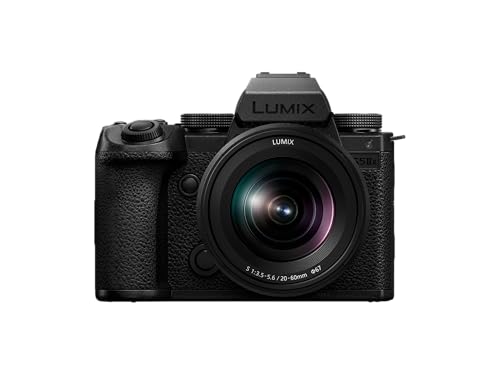
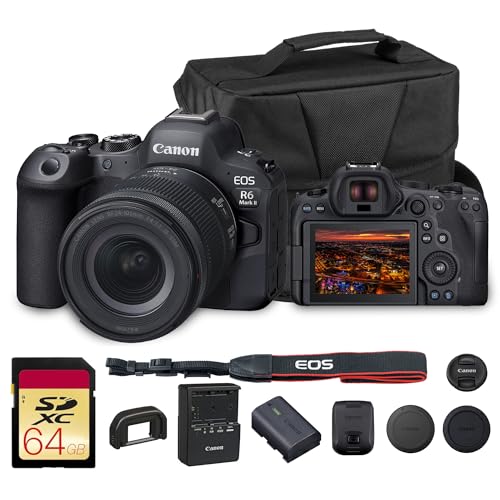


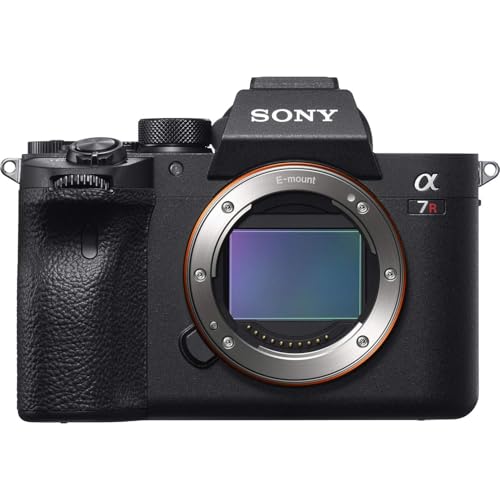


What Your Money Gets You at Each Budget Tier
Most people comparing best cameras under 3000 look at the body price first, but the tiers below count the body with one useful lens, because that total is what you spend to start shooting.
Starter Spend: Capable Kits That Leave Room for Lenses
At about $900 to $1600 you get modern APS C kits and advanced compact cameras with fixed lenses. Expect sharp stills, 4K video at up to 30 frames per second, helpful auto modes and a kit zoom for daily subjects. You give up the strongest low light results and the fastest tracking, but you keep money for a second lens. This tier suits new shooters and travelers who value small size.
Middle Spend: Larger Sensors and Sharper Tracking
At about $1700 to $2300 you reach advanced APS C bodies and entry full frame bodies, often sold with a versatile zoom. Focus tracking holds moving subjects more reliably, controls grow more direct, and many models add a second card slot for backup copies. Most serious hobbyists stop here, because each added dollar still buys a visible gain in daily use.
Top Spend: Full Frame Bodies and Serious Video Tools
At about $2400 to $3000 the money buys full frame bodies with strong sensors, fast burst shooting and 4K video at up to 60 frames per second. Many prices at this level cover the body alone, so plan the lens cost before you commit. Choose this tier only when your subjects truly demand that speed or low light strength.
Key Features to Compare
Compare these factors in the same order each time, so a long spec list cannot hide a weak lens plan.
Sensor Size, Depth of Field and Low Light
Sensor size shapes low light strength, depth of field and camera size more than any other spec. One inch sensors keep cameras pocketable and suit bright travel scenes. APS C sensors balance size and quality for most people, while full frame sensors gather more light and blur backgrounds more easily, at the cost of larger lenses. Megapixel counts matter less than sensor size and lens quality.
Autofocus and Tracking for Moving Subjects
Autofocus decides how many of your moments stay sharp. Basic systems lock onto still subjects well, while stronger systems detect people, animals and vehicles and hold focus as they move. For sports and wildlife, tracking accuracy matters more than burst speed alone, because a fast burst of soft frames helps no one. For portraits, reliable eye detection saves retakes.
Lens Mount and the Real Cost of Lenses
The mount you choose commits you to one family of lenses for years. A kit zoom covers wide scenes and short portraits, but a fast prime lens often improves low light photos more than a body upgrade would. Check prices for the lenses you want next, including used options, before you buy the body. A mount with many lenses at fair prices lowers your total spend over time.
Video Tools, Heat and Recording Limits
Strong 4K video needs more than a resolution number. Look for a microphone input, a headphone output for checking sound, and stabilization that smooths short handheld clips. Higher frame rates raise heat, and some bodies pause recording during long takes to cool down. If you film events, confirm the recording limit in the manual and budget for fast cards, because a clip that stops mid ceremony is a loss no edit can undo.
Weather Sealing, Screens and Handling
Weather sealing uses gaskets around doors and dials to shed light rain and dust, and it helps when you shoot outdoors often. It does not make a camera safe underwater, because true underwater work needs a rated housing or a dedicated model, and our guide to the best under water cameras covers that separate path. Also weigh grip depth and dial layout, since a body you can operate by feel earns its keep.
Choosing Cameras for Your Situation
Your main subject should steer the budget more than any spec sheet.
Best Video Cameras for under 3000
For best video cameras for under 3000, judge a body by clean 4K footage, sound inputs and steady handheld results rather than by still photo counts. A screen that turns toward you helps solo filming, and dependable focus during movement matters more than the highest frame rate. Hybrid mirrorless cameras suit most creators here.
Best Cinema Cameras under 3000: Where Your Money Goes
For best cinema cameras under 3000, your money goes toward color depth, manual control and rigging options rather than raw resolution. Look for flat color profiles that grade well, focus aids such as peaking, and 10 bit color recording for smoother skies and skin tones. Plan part of the budget for a cage and a handle.
Everyday Stills and Travel Shooting on This Budget
Travel and family shooting reward light weight and a zoom that covers wide streets and distant details without a lens swap. An APS C kit from the middle tier often travels better than a heavy full frame setup. If most of your photos are casual snapshots, see our guide to the best quality cameras under 200 before spending far more.
Costs That Arrive After the Body
The body is only the first payment. Added lenses often cost about $300 to $900 each, fast memory cards run around $40 to $120, and a spare battery usually costs around $50 to $90. A padded bag and a cleaning kit add smaller amounts that still belong in the plan.
Resale strength also shapes the true cost, because a system with many buyers holds value better when you upgrade. If the full system total passes your comfort level, see our guide to the best cameras under 1000 for lower priced starting points. For a wider view across formats, see our guide to the best digital cameras as well.
Common Mistakes to Avoid
These errors waste more money at this budget than any single spec choice.
- Spending the full 3000 dollars on a body alone leaves nothing for a lens, so the new camera pairs with a poor lens or sits unused.
- Judging a camera by megapixel count alone ignores lens quality and focus accuracy, so very large files can still look soft.
- Skipping lens prices for your chosen mount locks in later costs you never planned, and each added lens then strains the budget.
- Ignoring recording limits and card speed leads to clips that stop during key moments at events you cannot repeat.
- Buying the largest full frame kit for travel adds weight to every walk, so the camera stays at the hotel while your phone does the work.
Care and Maintenance for Cameras in This Price Range
Clean lens glass with a blower first, then a soft cloth, so grit never grinds across the coating. Wipe the body after dusty or damp outings, and change lenses with the mount facing down to keep dust off the sensor. Keep a cap on every lens you store.
Store the camera in a dry place with airflow, and take the battery out during long breaks. If dust spots appear in the same place on many photos, use the in camera sensor cleaning setting and book a professional cleaning if spots remain.
Cameras Under 3000: Your Questions Answered
Can you get a good camera under $3000 for serious work?
Yes, a camera under $3000 can handle paid portraits, events and travel features with ease. Many working photographers rely on bodies in this range as main or backup tools. Before you commit, consider renting your shortlisted body for one real shoot, because a weekend of work reveals handling issues that spec charts never show.
How much should you spend on a first camera under $3000?
Spend about $1200 to $1800 in total for a first camera, lens included, and resist using the whole cap at once. That range buys a modern sensor, a useful zoom and room to grow. Keep roughly $200 aside for a bag, a fast card and a spare battery, because those items decide whether the camera is ready when opportunity appears.
Which sensor size is better for low light photos under $3000?
Full frame is better for low light photos under $3000, because the larger sensor gathers more light at the same settings. The gap narrows when you pair a smaller sensor with a fast lens, since a wide aperture admits more light and can offset one step of sensor size. For dim rooms, budget for that fast lens alongside the body.
What camera specs matter most for beginners spending under $3000?
Clear menus, dependable auto modes and in body stabilization matter most for beginners spending under $3000. These traits keep early photos sharp while you learn exposure at your own pace. Weight matters too, because a lighter camera comes along on more days and gives you more practice. Learn one shooting mode fully before you add another.
Is a smartphone enough instead of a camera under $3000?
A smartphone is enough instead of a camera under $3000 when you only share photos online and shoot in decent light. A dedicated camera pulls ahead for large prints, fast action, distant subjects and shallow depth of field that software blur only imitates. If phone photos often look smeared when you zoom in, a real camera will earn its cost.
Final Thoughts
Decide by sensor, lens plan and total system cost, in that order. Pick the tier that fits your subjects, confirm the lenses you want next fit the budget, and leave a reserve for cards and a spare battery. A balanced kit at a lower tier beats a costly body with no lens money.
Use the product table above to compare bodies against that plan. When you judge best cameras under 3000 by the photos and footage you actually need, the right tier usually becomes obvious, and the money you save can fund the lens that improves your results most.


