Best Cameras under 300 Dollars for 2026: Everything a First Time Buyer Needs
Disclosure: We may earn a commission when you buy through links on this page, at no extra cost to you. As an Amazon Associate I earn from qualifying purchases. Learn more

A first time buyer guide to the best cameras under 300 dollars, covering sensor size, zoom, video, and the extra costs to plan for before you order.
Buying your first real camera feels simpler once you know what this budget can and cannot do. The best cameras under 300 dollars will not match pro gear, but they can beat a phone on zoom reach, low light results, and hands on control. This guide starts with the basic terms, then walks through the specs that shape everyday photos.
You will see how sensor size, lens reach, and video features change daily use, and where your money works hardest at this price. Compare the shortlist in the comparison table below, then use the sections that follow to match a camera type to your subjects, your travel style, and your patience for learning settings.





Camera Basics for First Time Buyers
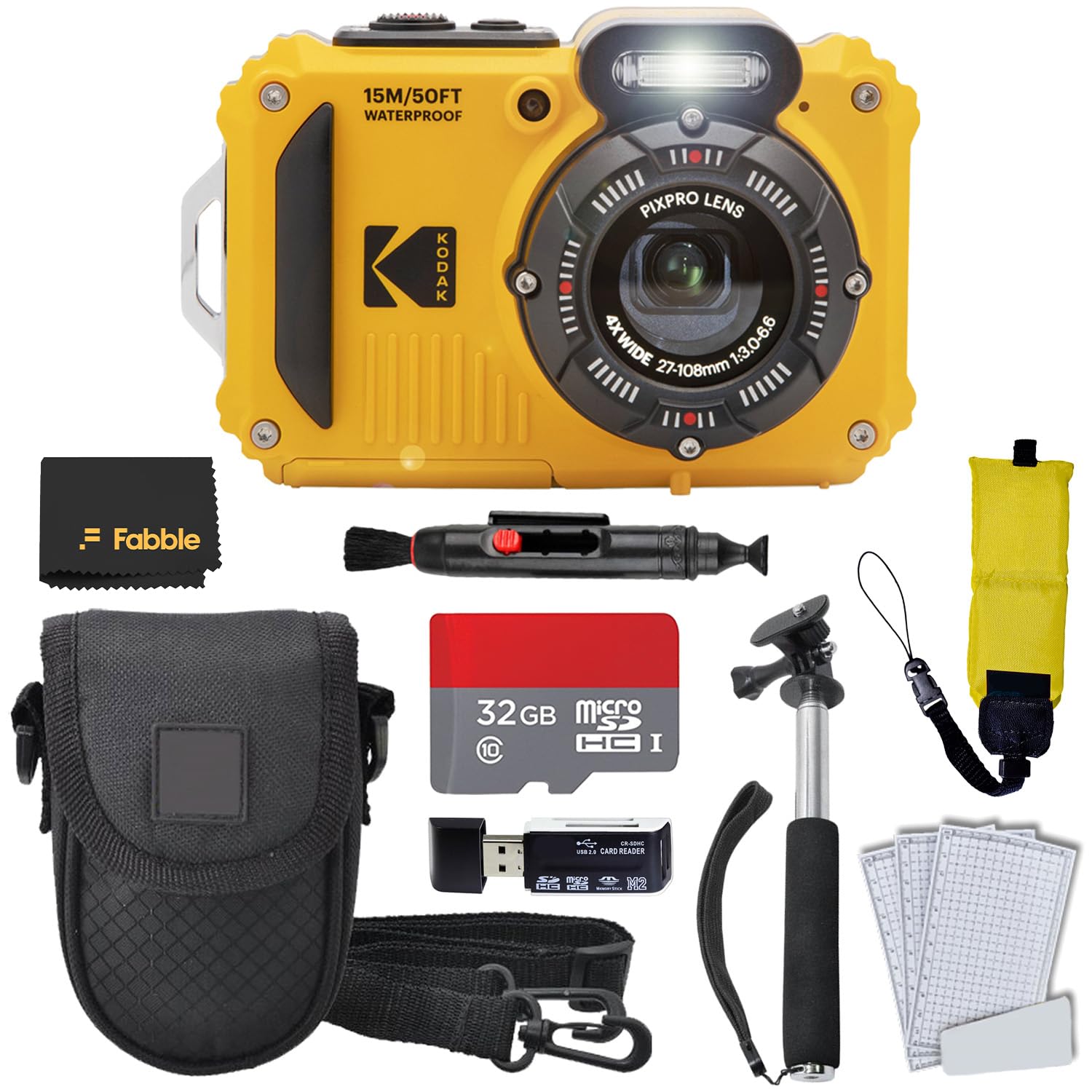
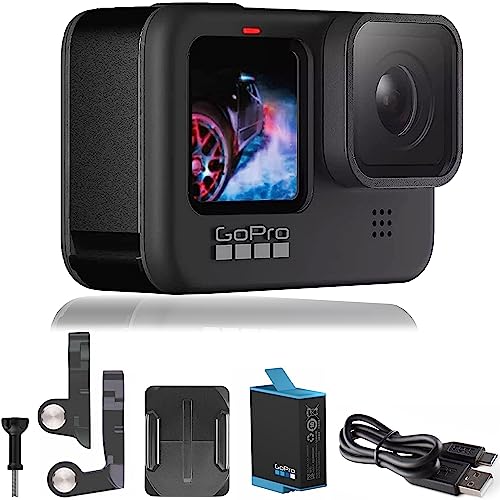
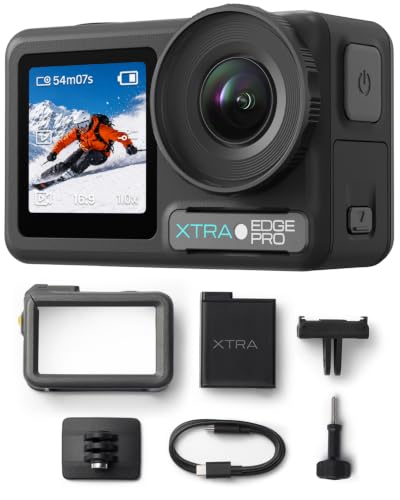
Most cameras in this budget fall into three groups. Compact cameras have a fixed lens and fit a jacket pocket, bridge cameras add a long zoom lens in a larger body, and entry mirrorless cameras let you swap lenses later. Shoppers comparing best digital cameras under 300 dollars will see all three types side by side, often with a few DSLR bodies at closeout prices.
A few terms come up in every listing. The sensor is the part that captures light, and a bigger sensor usually means cleaner photos after dark. The lens decides how wide or how zoomed your view is, and image stabilization steadies your hands so shots stay sharp. Autofocus is the system that locks onto your subject, and a good one matters more than a long spec list.
Key Specs Explained in Plain English
Spec sheets look technical, but only a handful of numbers change your results. Work through the five points below before you compare prices, because they explain most of the gap between two cameras that cost about the same.
What You Can Realistically Get at This Budget
For about $200 to $300 you can expect a solid compact or an entry mirrorless body with a kit lens, decent autofocus, and video that suits family clips and social posts. What gets cut is usually weather sealing, fast pro lenses, and the best low light sensors. Do not save money by skipping a memory card or a second battery, because a camera that stops mid day helps nobody. Spend on the lens and sensor first, and treat cases and straps as later extras.
Sensor Size and Image Quality
Sensor size is the single biggest driver of image quality. A 1 inch sensor, common in better compacts, gathers far more light than a phone sensor and holds detail in shade and indoor light. APS C sensors in entry mirrorless cameras go a step further and blur backgrounds more easily for portraits. Megapixels matter less than makers suggest, since 20 megapixels is plenty for large prints, and huge pixel counts on a tiny sensor can add noise instead of detail.
Size, Weight, and How It Feels in Hand
A camera you leave at home takes no photos at all, so size is a real buying factor. Pocket compacts weigh about 200 to 300 grams and suit travel days when you walk for hours. Bridge cameras are bulkier but give you a deep grip and a huge zoom range for sports fields and wildlife. Hold your shortlist if you can, check that the grip fits your hand, and confirm the buttons are reachable without looking down.
Ease of Use for Your Skill Level
Every model here offers a full auto mode that handles exposure while you learn, and that is the right way to start. Look for a clear menu, a touch screen that lets you tap to focus, and guided modes that explain settings in plain words. Scene modes for portraits, sports, and night shots teach you what the camera changes and why. As your skills grow, dials for aperture and shutter speed let you take control without buying a new body.
Video Capabilities
Many cameras at this price record 4K video, but the details decide how useful it is. Some models crop the frame in 4K mode, which narrows your view indoors, and some limit clips to short lengths before they pause. A flip screen helps if you film yourself, and a mic input, when offered, improves sound more than any in camera setting. Readers focused on moving images should also compare best video cameras under 300 dollars, since camcorder style bodies handle long clips and zoom more smoothly.
Picking the Right Camera for Different Uses
Your main subjects should steer the choice more than any spec sheet. Travel shooters do best with a compact that has a moderate zoom and fast startup. Parents filming school events need reach and reliable autofocus, while new creators want a flip screen and clean audio options. Pick the type that fits your most common day, not the rare trip.
Rookie Mistakes to Avoid
- Chasing megapixels. A high pixel count on a small sensor adds noise, so sensor size and lens quality shape your photos far more.
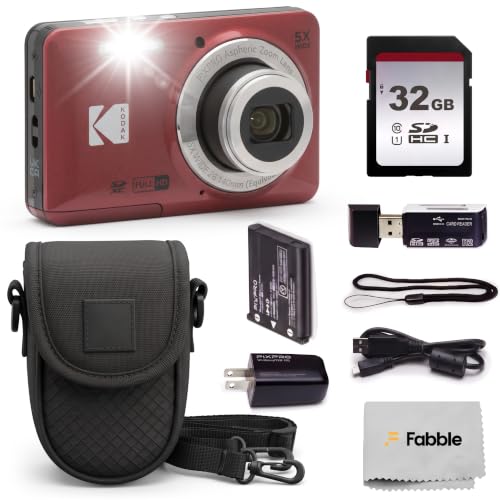
- Ignoring the total cost. Cards, a spare battery, and a case can add about $40 to $80, so leave room in the budget from the start.
- Buying zoom you never use. Extreme zoom ranges shrink in low light, and most beginners shoot wide scenes far more often than distant subjects.
- Skipping the return window check. Grip and menu layout are personal, so buy where you can return the camera if it feels wrong in hand.
- Forgetting the card speed. 4K video needs a fast rated card, and a slow card can stop recording or refuse video mode entirely.
Getting Started: Setup and First Use
Charge the battery fully before the first outing, then set the date, format the memory card in the camera, and update the firmware if the maker offers one. Start in full auto for the first week and review your shots each evening to see which settings the camera picked. Clean the lens with a lens cloth, not your shirt, since grit on fabric can scratch coatings. Carry a spare battery on long days, and never look at the sun through an optical viewfinder, because the concentrated light can harm your eyes.
Frequently Asked Questions
Can you get a good camera for under 300 dollars?
Yes, a camera under 300 dollars can take sharp, pleasing photos in daylight and fair indoor light. Better compacts and entry mirrorless models in this range beat phones on zoom and control. The trade offs are low light polish, weather sealing, and lens speed. If you accept those limits and choose a model with a decent sensor, the results will satisfy most family, travel, and hobby use.
Which camera type handles low light best at this price?
An entry mirrorless camera with an APS C sensor handles low light best at this price. Its larger sensor gathers more light, so photos stay cleaner at the high sensitivity settings that dim rooms demand. A compact with a 1 inch sensor is the next best choice and still beats a phone. Whichever type you pick, a lens with a wide maximum aperture helps more than any in camera night mode.
Is a smartphone enough instead of a budget camera?
A smartphone is enough if you share photos online, shoot mostly in good light, and rarely zoom beyond arm length subjects. A dedicated camera earns its place when you want real optical zoom, better indoor results, or physical controls. Many beginners start with a phone, then buy a compact once they know which limits bother them. That order wastes less money than buying a camera you never carry.
What specs matter most for a first camera under 300 dollars?
Sensor size, lens quality, and autofocus matter most for a first camera under 300 dollars. Together they decide how clean, sharp, and well focused your everyday photos look. Video resolution and zoom range come next, and only if they match your subjects. Screen size, filter effects, and huge megapixel counts sit at the bottom of the list, because none of them rescue a photo that is blurred or badly exposed.
How much of a 300 dollar budget should go to extras?
Plan on about $40 to $80 of a 300 dollar budget going to extras rather than the camera itself. A fast memory card, a spare battery, and a padded case protect the purchase and keep you shooting all day. Buy the card and battery first, since a camera without power or storage is useless. Straps, tripods, and extra lenses can wait until you know which subjects you shoot most.
Final Thoughts
Start with sensor size, then check that the lens range and handling fit your subjects and your hands. The product table above pulls the leading options into one view, so compare your finalists there before you decide. Chosen well, the best cameras under 300 dollars give a first time buyer years of better photos without the cost or bulk of pro gear.