
Best Cameras to Watch Your Pets in 2026: A Clear Buying Guide for First Time Buyers
Disclosure: We may earn a commission when you buy through links on this page, at no extra cost to you. As an Amazon Associate I earn from qualifying purchases. Learn more

Compare cameras to watch your pets by video clarity, night vision, two way audio, smart alerts and storage, with setup steps and mistakes to avoid.
Checking on a pet from work or from the next room can feel hard the first time you try it. The best cameras to watch your pets give you a live view, clear alerts and a calm way to check in without guessing. This guide explains each feature in plain language and helps you read the comparison table below.
You do not need the most expensive model. Most owners need a clear picture, sound they can hear and speak through, and alerts that arrive when a pet moves or makes noise.


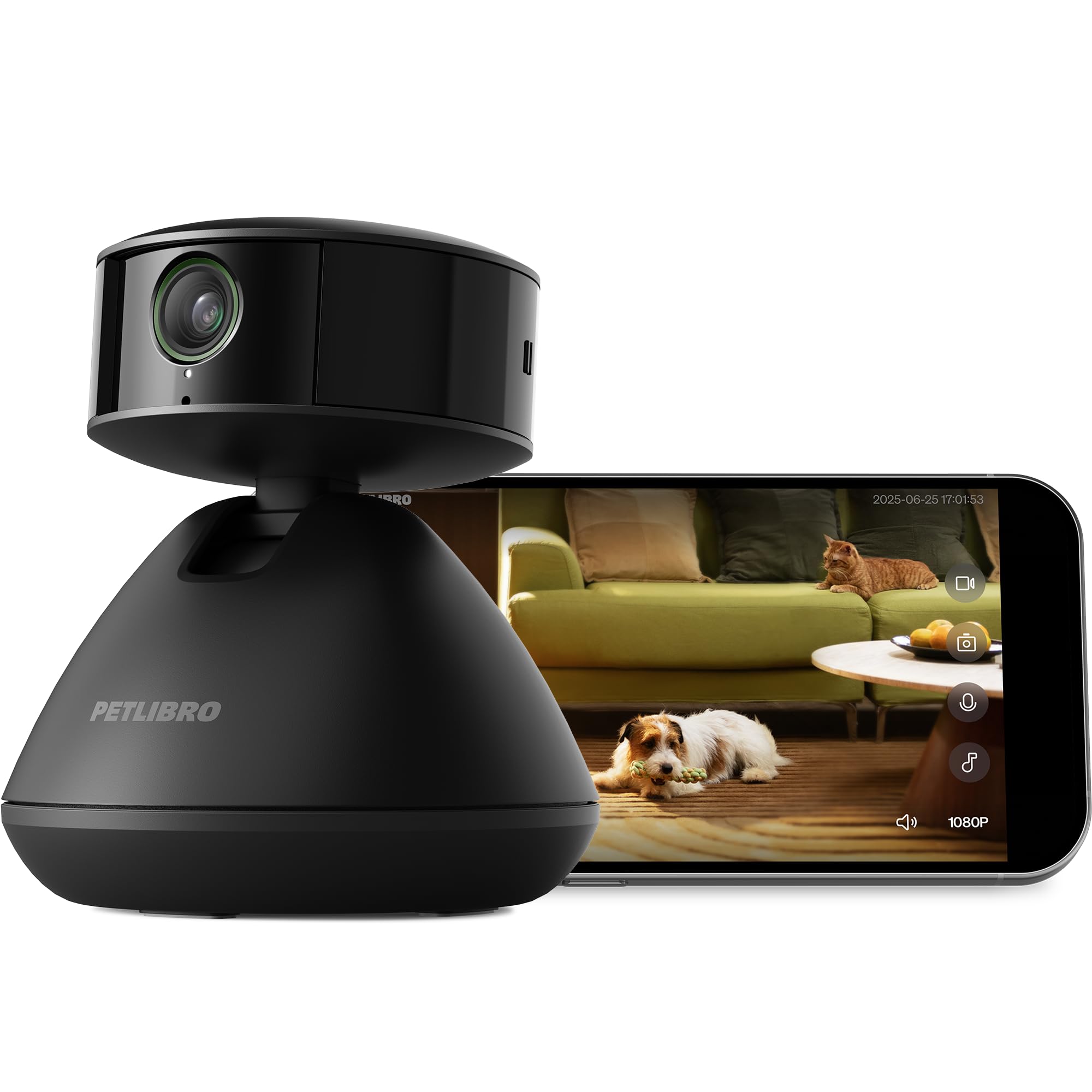


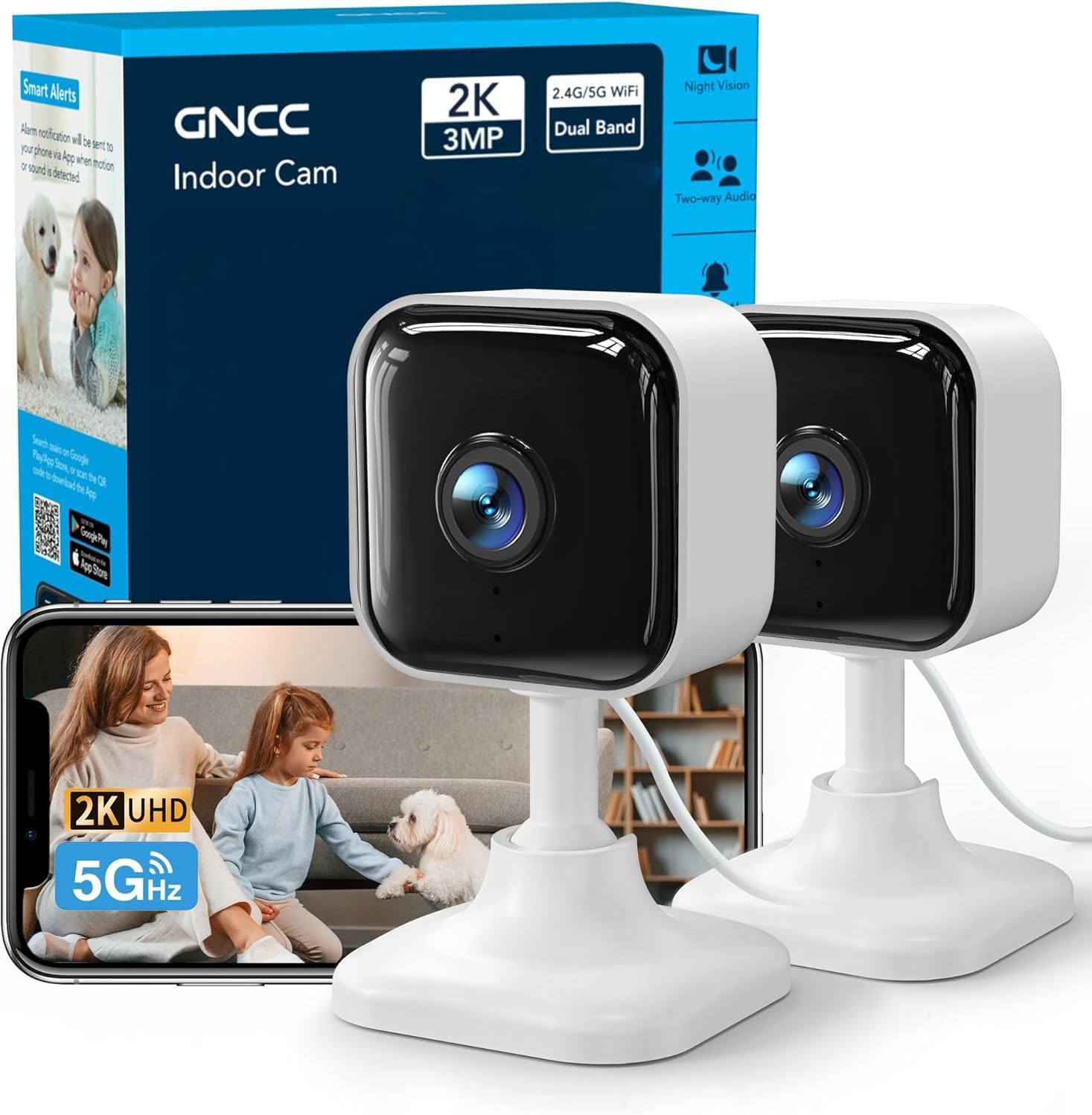
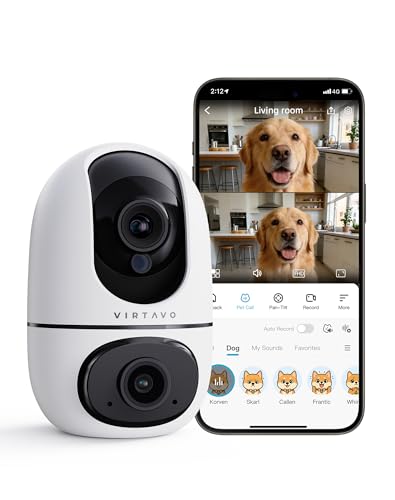
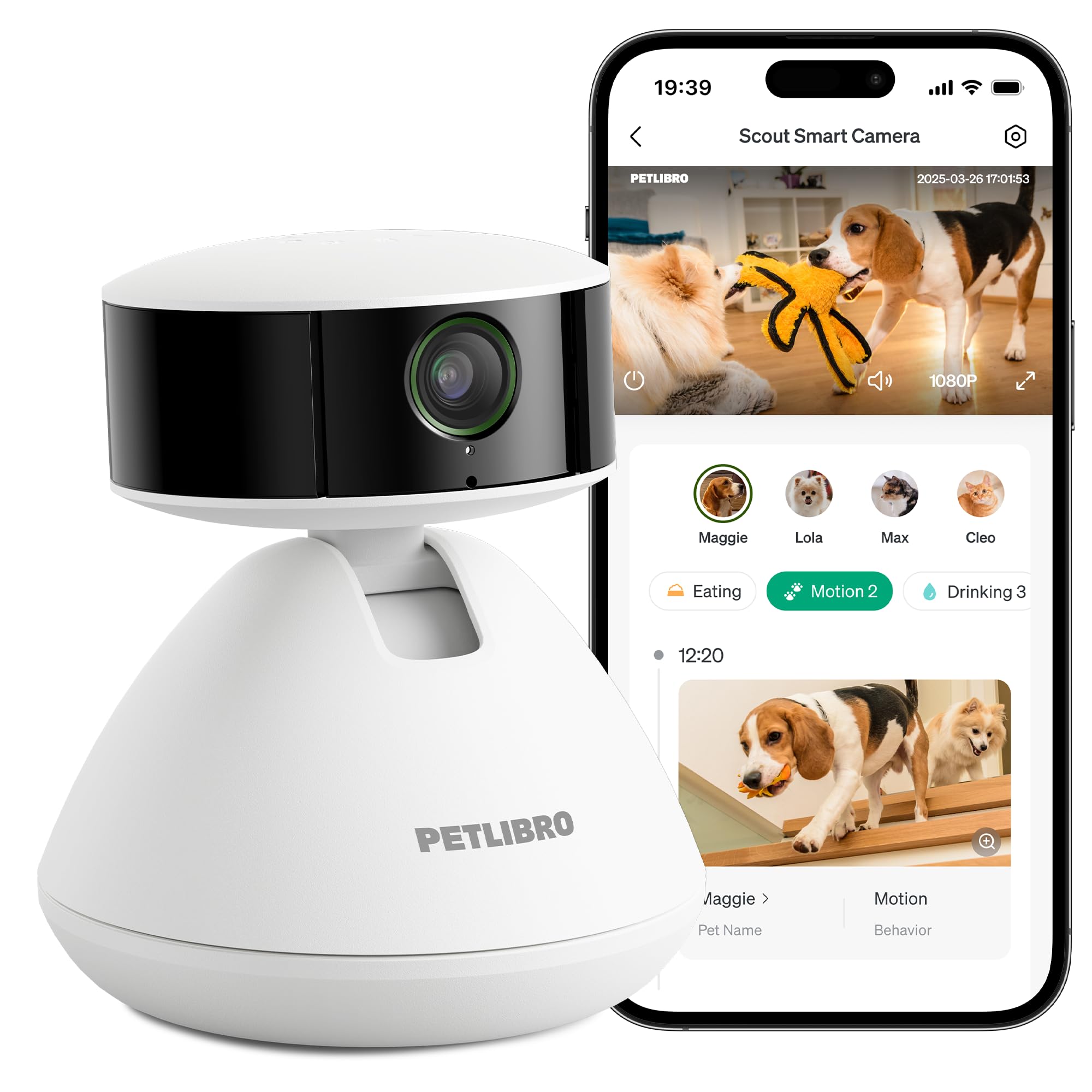
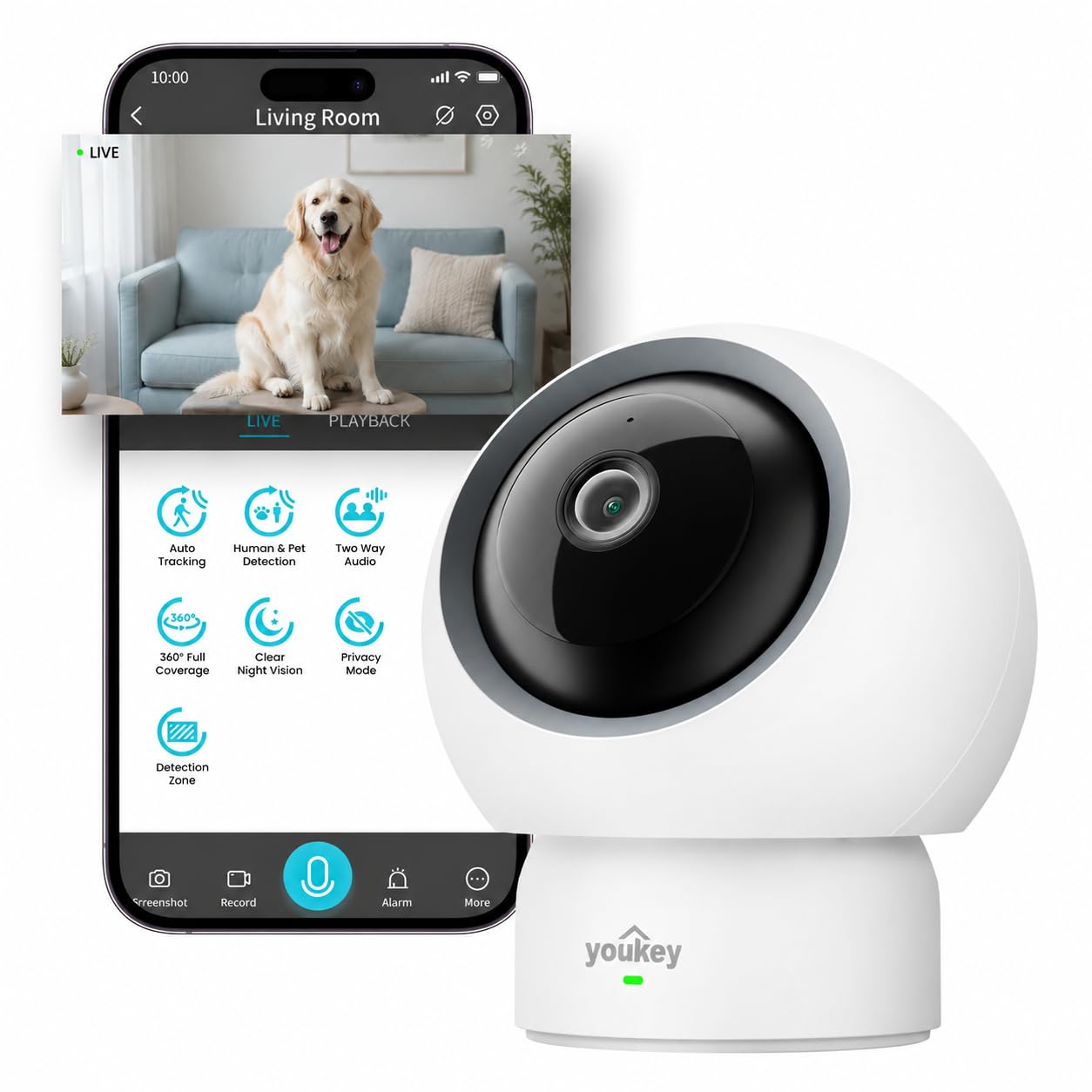
Pet Camera Basics for First Time Buyers
A pet camera is a small home camera that streams live video to an app on your phone through your home WiFi. It sends a notice or a short clip when it senses motion or sound, and it lets you watch from work or another room.
The main parts are the lens, a microphone, a speaker, night lights you cannot see, and storage for clips. If your search centers on rooms inside the home, see our guide to the best indoor cameras for pets for room focused options. Outdoor models add sealed housing and stronger mounts.
Who Should Buy Which Pet Camera?
Start with the pet you watch most and the hours you are away. A model that suits a calm senior cat may miss a young dog near a door.
Dog Owners Who Spend Workdays Away From Home
You need fast alerts when your dog barks, paces or waits by the door, plus a speaker so your voice can settle your dog from work. If your home centers on one dog, see our guide to the best cameras to watch your dog for dog focused placement ideas.
Cat Owners and Homes With Several Pets
Cats nap in high spots, move at night and often share rooms with other pets. Choose a camera that can tilt upward or sit on a shelf with a clear view of beds, towers and feeding spots.
Owners of Puppies, Kittens and Anxious Pets
Young and anxious pets chew, cry and move often during the first weeks alone. You need clear sound, prompt alerts and a mount that keeps the camera and its cord out of reach.
Key Features to Compare
When you shop for the best cameras to watch your pets, judge the picture and the alerts before extra features, because those two decide most of what you see each day.
Video Resolution and Field of View
Resolution tells you how much detail the picture holds when you zoom in on a face, a paw or a chewed object. Most pet cameras offer 1080p or 2K video, and 1080p is enough for one room, while 2K helps in a large open space. A wide field of view, often about 100 to 130 degrees, shows more of the room at once. A pan and tilt model turns its lens to follow pets that change spots often.
Night Vision for Dark Rooms and Night Hours
Night vision uses infrared light to show a clear black and white picture when room lights are off. Look for a stated range of about 15 to 30 feet, and test the view where your pet sleeps, because a bright hallway behind the pet can leave the pet in shadow.
Two Way Audio and Treat Tossing
Two way audio lets you hear your pet and speak back through the camera speaker. Clear sound helps you tell a bark from a whine and a scratch at the door from normal play. Some models add a treat container and a tossing action you trigger from the app. Treat tossing suits pets that respond well to food rewards.
Motion, Sound and Pet Activity Alerts
Alerts tell you when the camera senses movement or sound, and better systems can tell a pet apart from a person or a passing car light. Bark and meow detection can sort clips by sound, which saves time when you review a long day. You can compare alert styles in our guide to the best pet monitoring cameras if steady monitoring matters most.
Storage, WiFi and App Controls
Storage decides how long clips stay available after an event. A memory card keeps clips inside the camera with no monthly cost, while cloud storage keeps copies online and often holds clips for about 7 to 30 days on a paid plan. The app should let you watch live video, save a clip and share access with family in a few taps.
Choosing a Pet Camera for Your Rooms and Yard
Placement changes which model you need as much as the feature list does. A camera near a front door faces bright windows and fast movement, while a bedroom camera faces soft light. For a broader view of the topic, see our guide to the best cameras for watching pets alongside this first time buyer guide.
Best Outdoor Cameras to Watch Pets: Tips for First Time Buyers
Outdoor use adds rain, dust, heat and cold, so choose a model with a weather resistance rating such as IP65 and a mount that locks in place. Battery models suit a yard with no outlet nearby but need charging every few weeks or months, while a wired model suits a covered porch with steady power.
Indoors, place the camera at about pet height to chest height on a shelf or mount, aimed at the bed, door or feeding area your pet uses most. Keep the lens out of direct sun from a window, because strong backlight can turn your pet into a dark shape.
Getting Started With Setup and First Use
Start by charging or plugging in the camera, then install the maker app and create your account before you mount anything. Connect the camera to your home WiFi as the app directs, and keep it near the router during pairing. Most home models pair on the 2.4 GHz band, so select that network name if your router shows two.
Next, hold the camera in its planned spot and check the live view on your phone. Trigger an alert, play it back and test the speaker at a low volume first. Fix the mount only once the view, sound and alerts all work, because moving a mounted camera later leaves extra holes.
Common Mistakes to Avoid
These errors are common for new buyers, and each one is easy to prevent before you order.
- Mounting the camera near the ceiling points the lens over your pet and loses face level detail.
- Buying an indoor only camera for a yard exposes the housing to rain and dust, and the unit can fail during the first storm.
- Placing the camera opposite a bright window washes out the picture and hides your pet in shadow for much of the day.
- Depending on a small battery for all day watching leaves gaps when the charge runs out during busy hours.
- Turning alerts off after a busy first day means you miss the barking, chewing or pacing the camera was bought to catch.
Care and Maintenance for Pet Cameras
Wipe the lens with a soft dry cloth every few weeks, because dust and pet hair film can soften the picture and dim night vision. Check the mount each month and tighten any loose fit so the view stays as planned.
Install app and camera updates when the maker offers them, and use a strong unique password with two step sign in if the app offers it. Route cords behind furniture or inside a cover where pets cannot chew them, and unplug a unit with a damaged cord at once. Outdoors, clear leaves and webs from the housing after heavy rain.
FAQ
Can two family members watch the same pet camera at the same time?
Yes, most pet camera apps let the owner share access so two or more people can watch the same live view at once. The owner invites guests by email inside the app and can set whether guests may speak through the camera or only watch. Guest access stays active until the owner removes it.
Will the sound and lights from a pet camera disturb my pet?
Most pets ignore a pet camera after a short time, and most models let you turn off status lights and lower speaker volume. Start with short check ins while you are home so your pet links your voice with calm events, not only with corrections. If your pet stares or hides when the camera turns, move it farther from the bed.
How much home internet upload speed does a pet camera need?
A single pet camera needs about 1 to 2 megabits per second of upload speed for a smooth 1080p live view. Homes with several cameras or a video call at the same time need more room, because each live stream uses upload capacity at once. If video stalls, lower the live view quality and keep recorded clips at full quality.
Can a pet camera still record video during an internet outage?
Yes, a pet camera with a memory card can often keep recording motion clips during an internet outage, but live viewing and phone alerts pause until the connection returns. Cloud only models may record nothing while offline, so the card slot matters if your service drops often. After service returns, check the timeline for gaps.
How do I reduce false pet camera alerts from curtains and shadows?
You can reduce false alerts by lowering motion sensitivity and setting an activity zone that covers only the pet area in the frame. Aim the camera away from windows, mirrors and heating vents, because moving light and warm air can trigger motion sensing. A one day test shows which setting still catches your pet.
Wrapping Up
For most first time buyers, the deciding points are a clear picture, alerts you can trust and sound that lets you calm your pet. Match those points to your hours away and the rooms or yard your pet uses most, then check price and storage in the product table above.
Choose the simplest model that covers those needs, and you will check in more often because the app feels easy. When you compare best cameras to watch your pets with these points in mind, the right choice for your home is usually clear.


