
Best Cameras for Watching Pets by Budget for 2026
Disclosure: We may earn a commission when you buy through links on this page, at no extra cost to you. As an Amazon Associate I earn from qualifying purchases. Learn more

Learn what best cameras for watching pets deliver at each spending level, which features are worth paying for, and how to avoid costly mistakes.
Pet owners shop across a very wide price range, and it is easy to pay for features that never get used. Best cameras for watching pets differ mainly in video clarity, night view, motion alerts, and how reliably they stay connected. This guide explains what each spending level usually delivers, so you can match your budget to the way you actually check on your pet. Read the comparison table below before you compare individual options.
The right choice depends less on the highest resolution on the box and more on your home layout, your pet's habits, and how often you want alerts. A camera that covers a hallway well may miss a pet that naps behind furniture, while a camera with constant alerts can become noise you ignore. The sections below walk through spending levels, features worth paying for, and long term costs, so you can decide with confidence.

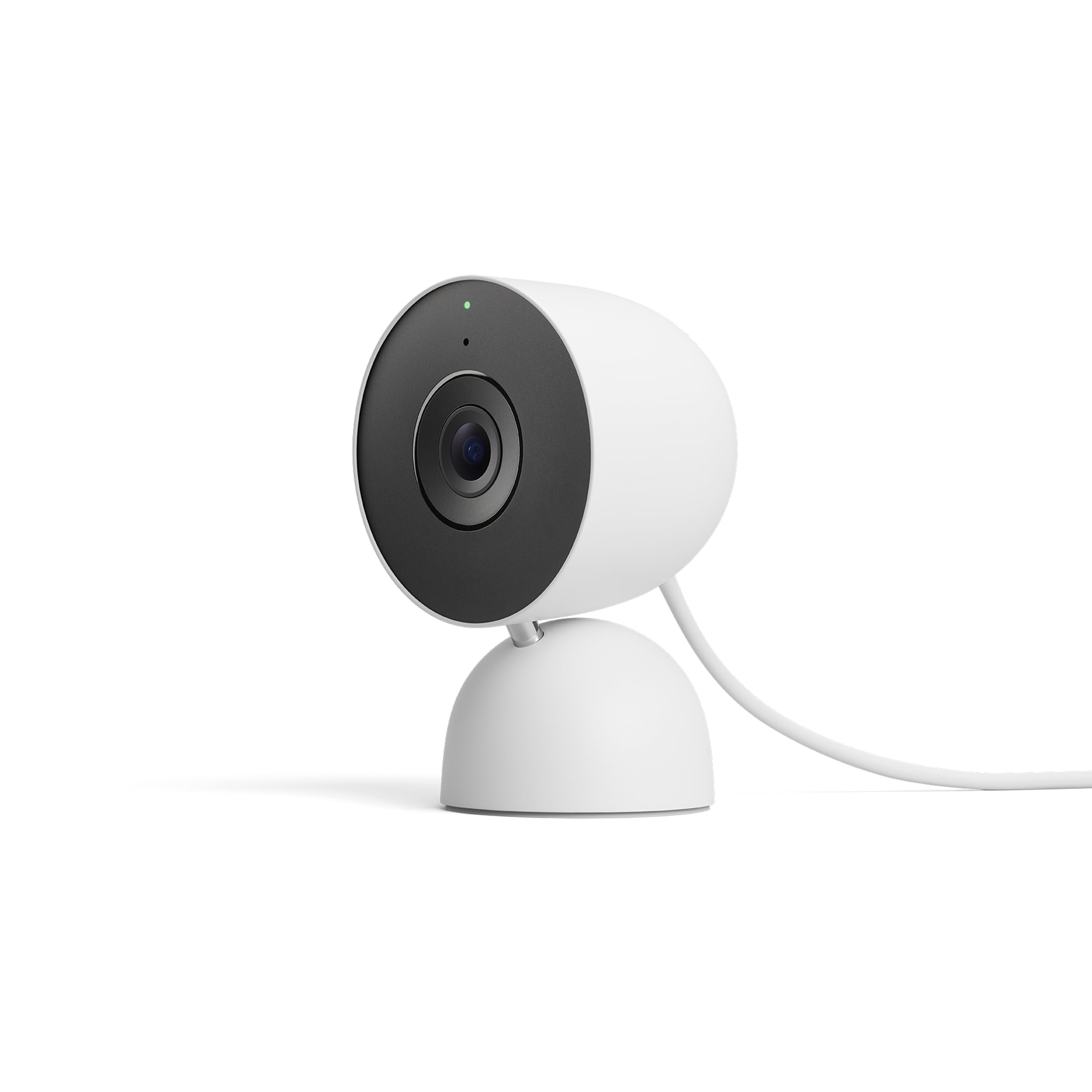
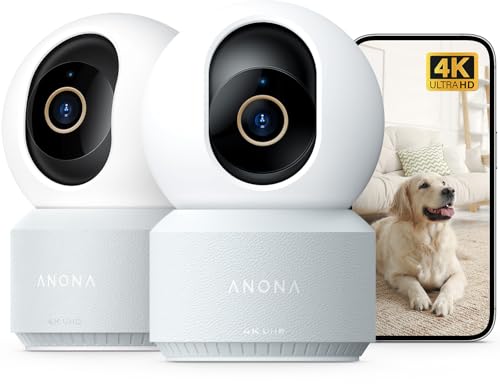
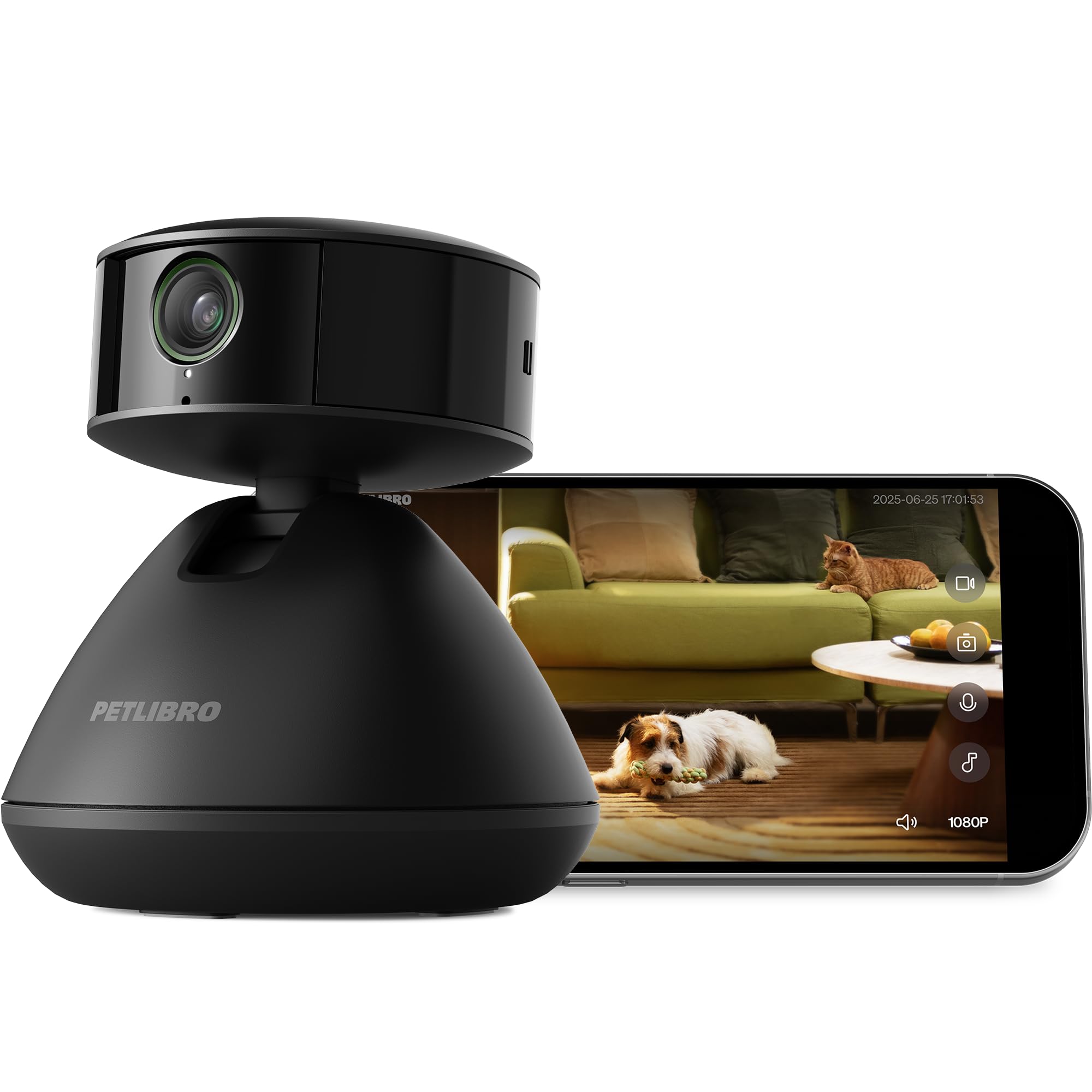
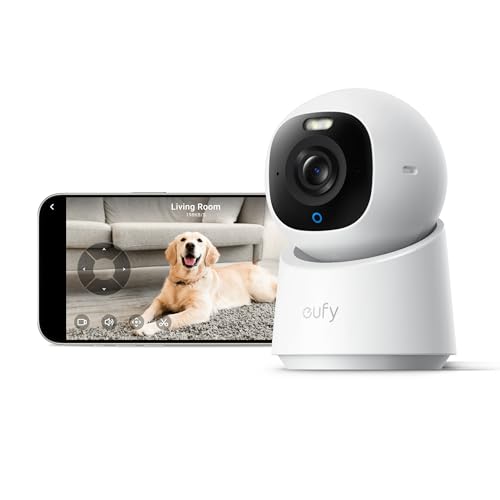
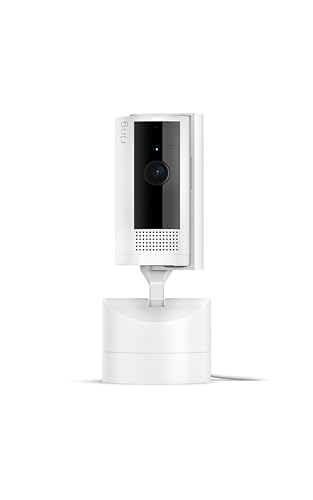

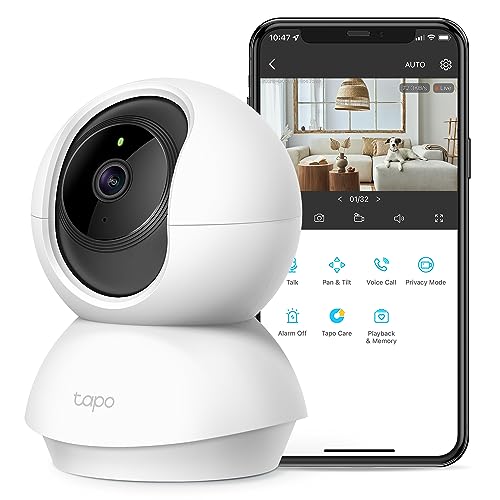

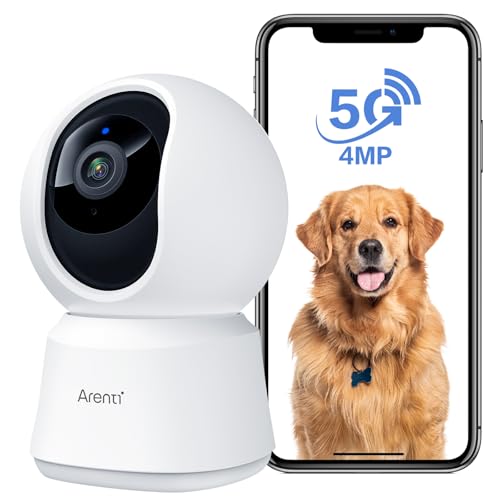
What Your Money Gets You at Each Spending Level
Spending levels for pet watching cameras are best understood as bundles of reliability and convenience, not as a ladder of image quality alone. Lower cost options usually cover one room with basic motion alerts. Middle spending options add steadier connections, clearer night view, and smarter alerts.
Higher spending options add wider coverage, better sound, and stronger privacy controls. Use the tiers below to see where your money goes, and skip any tier whose extras do not match your routine.
Lower Cost Choices
Lower cost pet watching cameras, usually about $30 to $80, typically offer a fixed view, standard high definition video, and basic motion alerts through an app. They suit a single room where your pet spends most of the day, such as a living room or a kitchen corner. Expect simple setup, a power cord, and alerts that trigger on any movement, including curtains or sunlight.
The main tradeoff is alert accuracy and night view, which may look grainy in a dark room. If you only want a quick daytime check, this level is often enough.
Middle Spending Choices
Middle spending pet watching cameras, usually about $80 to $180, add the features most owners notice every day. Pan and tilt let one camera follow a pet across a room, while improved night view keeps the image usable after dark. Alerts become more selective, with options to focus on people or pets rather than every shadow.
Two way talk also appears at this level, which lets you speak calmly to a pet that is restless. This level suits owners who check in several times a day or who want to cover a larger open space.
Higher Spending Choices
Higher spending pet watching cameras, usually about $180 to $350, focus on coverage, sound, and control rather than raw resolution alone. You may get a wider field of view, multiple cameras that work as one system, and stronger app controls for who can view the feed. Sound quality improves, so you can hear subtle cues such as whining or scratching at a door.
Privacy controls also improve, with options such as scheduled shutoff and physical shutters. This level suits multi pet homes, larger houses, and owners who want one system for several rooms.
Features Worth Paying For (and Ones to Skip)
Not every feature on a spec sheet matters for watching a pet. The features below are the ones that change daily use, plus a few that sound impressive but add little value for most owners. Read each one against your own home: a feature that matters in a large house may be wasted in a single room apartment.
Lens and Zoom Range
A wide field of view matters more than a long zoom for most pet watching. A wide view covers a whole room from one corner, while a narrow view may cut off the pet bed or the food bowl. Digital zoom enlarges the image but does not add detail, so it rarely helps you see a pet clearly across a room.
Optical zoom keeps detail better, but it is uncommon in indoor pet cameras and usually unnecessary at home distances. Skip cameras sold mainly on zoom power, and choose a wide, well placed view instead.
Features That Matter for Watching Pets
Pet watching creates specific needs that a general room camera may not meet. Motion alerts should distinguish a pet moving across the floor from a curtain shifting in a breeze, or you will learn to ignore them. Night view should cover the distance to the pet bed without washing out the image, and sound detection should pick up barking or whining without constant false alarms.
Placement matters just as much: mount the camera where cords stay out of reach, where the pet cannot knock it down, and where it does not point at a bed or a bathroom. Follow local placement and recording rules, and keep bedrooms and bathrooms camera free.
Ease of Use for Your Skill Level
A pet camera should be easy to check in a few seconds, because most owners open the app during a break or on the way home. Look for automatic setup, a clear live view button, and alerts you can silence for a set period without turning the camera off. App transfer matters if you want to save a short clip, such as a pet doing something funny, without digging through menus.
Skip cameras that require a desktop program for basic viewing, and skip complex schedules you will never adjust. If setup takes more than a short evening, the camera will likely sit unused after the first week.
Sensor Size and Image Quality
Sensor size affects how clean the image looks in dim light, but it is not the only factor for pet watching. A larger sensor gathers more light, which helps evening checks, while a smaller sensor can still look fine in a bright room. Megapixel counts alone tell you little, because a high count on a small sensor can still produce a noisy night image.
For pet watching, judge image quality by night view samples and by how well the camera handles a bright window behind a pet. Also check how the camera stores video, since a subscription may be needed for saved clips. If you only need live checks, paying extra for recorded history may be a feature to skip.
Picking the Right Cameras for Different Uses
Different homes need different coverage, even at the same spending level. A single room apartment needs one well placed camera, while a house with a yard facing door may need a second view of the entry. Owners who travel need reliable remote access and alerts they can trust, while owners who work from home may only need a daytime check. Match the camera to the room first, then to the spending level, and you will avoid paying for coverage you never use.
Best Home Cameras for Watching Pets: Where Your Money Goes
Home use differs from travel or outdoor use in three ways: power, placement, and privacy. At home, a plugged in camera avoids battery anxiety, so you can prioritize a steady connection over battery life. Placement should favor a high corner with a view of the pet bed, the food area, and the main walking path, rather than a spot that only shows a doorway.
Privacy matters because the camera runs inside your living space, so look for a physical shutter or a clear on and off indicator. For more on indoor options, see our guide to best indoor cameras for pets. For a broader comparison of camera types, see our guide to best digital cameras.
Long Term Costs to Factor In
The purchase price is only part of the total cost of a pet watching camera. Many cameras charge a monthly fee for saved video history, smart alerts, or multi camera viewing, and those fees can exceed the camera price within a year or two. Accessories add up too: longer cables, mounts, and spare power adapters are common extras. Replacement costs matter as well, since a camera knocked down by a large dog or chewed at the cord may need replacing sooner than expected.
Warranty length and support quality also affect total cost, because a camera with a short warranty can become a repeat purchase. Before buying, add one year of any subscription to the price and compare that total across options. For pet focused monitoring features, see our guide to best pet monitoring cameras. For outdoor viewing needs, see our guide to best cameras for bird watching.
Frequently Asked Questions
What features matter most in cameras for watching pets?
Motion alerts, night view, and sound detection matter most, because they decide whether you actually notice a problem. A camera should alert you when a pet moves or vocalizes, and the night view should reach the pet bed clearly. Two way talk is useful for calming a restless pet, but it is secondary to reliable alerts. One point many buyers miss is alert tuning: a camera that lets you set activity zones and quiet hours will be far more useful than one with louder specs. Choose alert quality over resolution alone.
What specs matter most for beginners?
Beginners should prioritize a wide field of view, simple app setup, and clear night view over advanced specs. A wide view covers a room from one corner, which avoids the need for multiple cameras at the start. Simple setup means you can place the camera, connect it, and check the live view within one evening. One new point is connection stability: a camera that drops its connection often will frustrate a new owner more than a slightly softer image. Start simple, and add features only after you know your routine.
Which is better for low light?
A camera with a larger sensor and infrared night view usually performs better in low light than a camera with a higher megapixel count alone. Infrared light lets the camera see in a dark room without disturbing a sleeping pet. Placement also matters: a camera facing a bright window will struggle, while one placed with its back to the light keeps the pet visible. One point often overlooked is distance: night view range is measured to a flat surface, so a pet curled in a dark corner may still look dim.
How much should I spend on my first one?
Most first time buyers do well at about $80 to $180, where pan and tilt, better night view, and selective alerts appear. Lower cost cameras work for a single bright room, but their broad alerts can become annoying within weeks. Higher spending options suit larger homes or multiple pets, but they add little for a first camera in one room. One new point is subscription cost: a camera that seems cheap can cost more over a year once saved video fees are added. Compare the one year total, not just the box price.
Do pet cameras need a subscription?
No, many pet cameras give you a live view, basic motion alerts and two way talk without a plan. Paid plans usually add longer clip history, smarter pet and person labels and cloud backup, while a memory card in the camera covers short history for many owners. Add one year of any plan to the camera price before you compare, because a plan can cost more than the camera over time.
Is a smartphone enough instead?
A smartphone can work for a short check if you leave it propped up, but it is a poor substitute for a dedicated pet camera. A phone has a narrow view, no reliable night view, and no motion alerts while it sits idle. It also ties up a device you need for calls and messages, and its battery will drain quickly on a video call. One new point is safety: a phone left on a low table is easy for a curious pet to knock down or chew. A dedicated camera gives steadier coverage, better alerts, and a safer placement.
Wrapping Up
The best value comes from matching three things: the room you need to cover, the alerts you will actually act on, and the total cost including any subscription. Start with a wide view, reliable night view, and selective alerts, and add pan and tilt or multi room coverage only if your home needs them. Place the camera safely, keep cords out of reach, and review the privacy controls before the first use. Best cameras for watching pets earn their keep when they quietly confirm your pet is resting well, so check the product table above and choose the spending level that fits your home.


