
Best Cameras for Watching Your Dog in 2026: Everything to Know Before Your First Purchase
Disclosure: We may earn a commission when you buy through links on this page, at no extra cost to you. As an Amazon Associate I earn from qualifying purchases. Learn more

Shopping for the best cameras for watching your dog for the first time? Learn the terms, compare options, and avoid rookie mistakes with this easy guide.
Leaving your dog home alone can feel harder than the workday itself. The best cameras for watching your dog let you open an app, see your dog resting or pacing, listen for barking, and speak in a calm voice from wherever you are. Use the comparison table below to match each type to your room and routine.
Some owners only want proof that a dog is safe and settled. Others need a bark alert during training, a clear view of a crate, or a way to toss a treat at midday. Your room size, your dog habits, and your budget decide which features matter most.
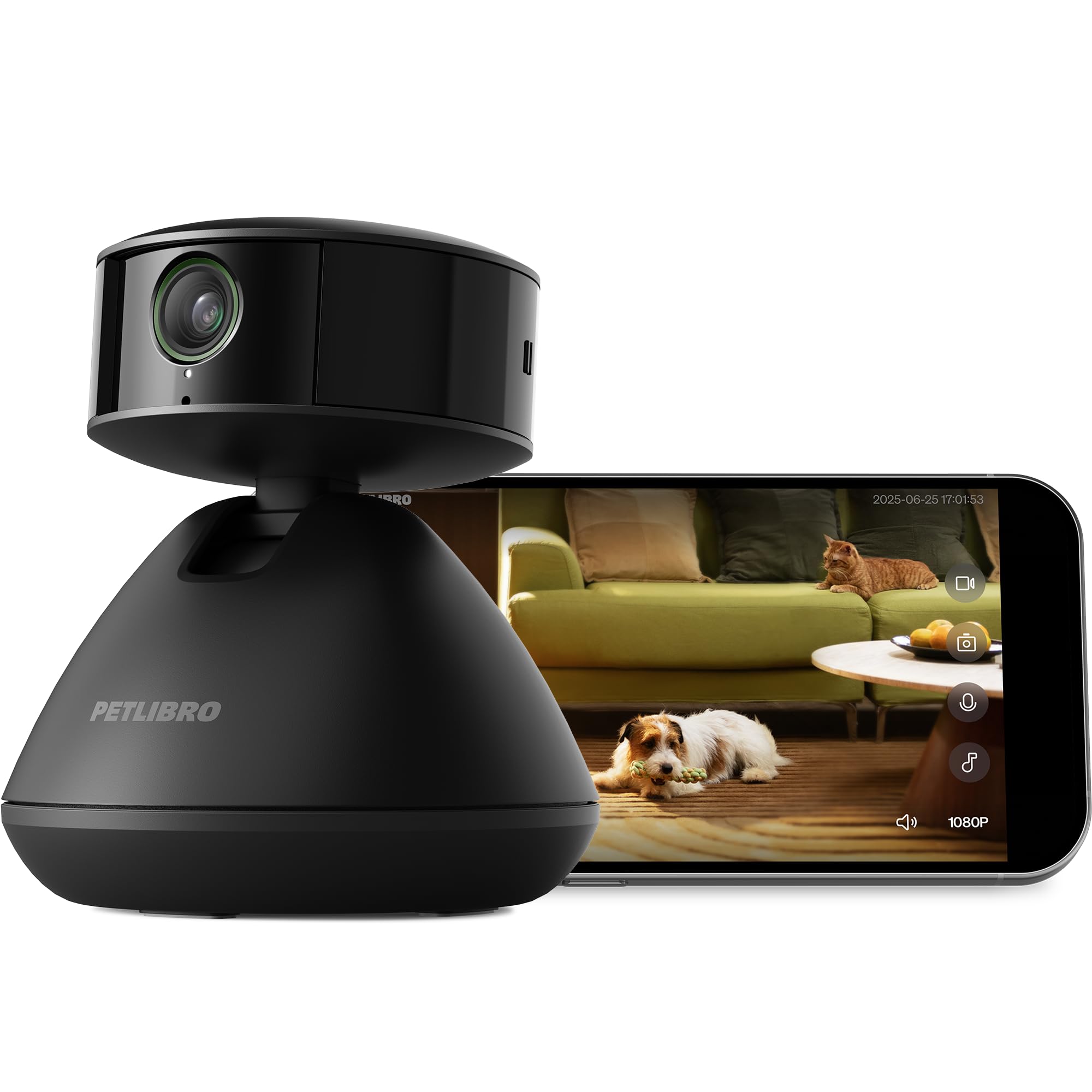

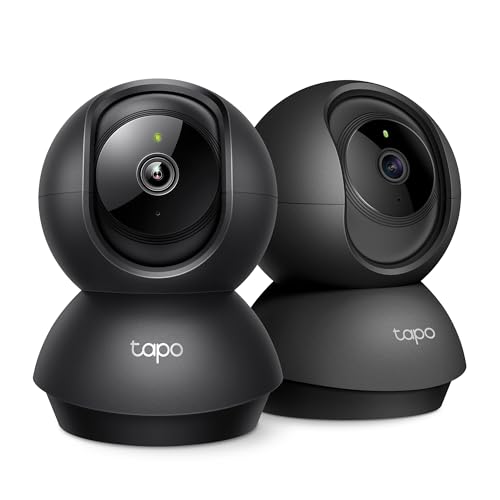
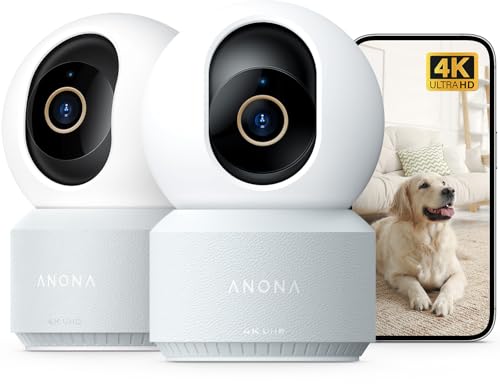

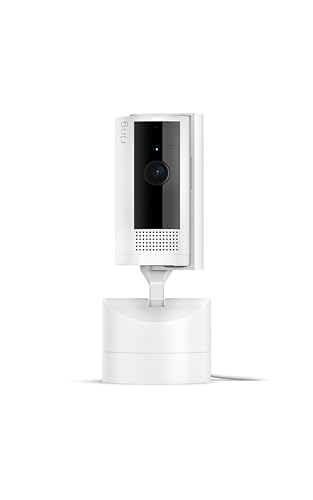


Cameras 101: The Basics for Watching Your Dog at Home
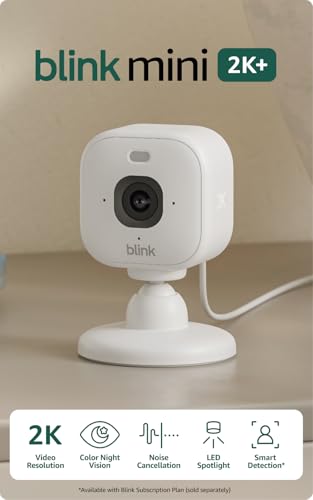
A camera for watching your dog is a small indoor camera that connects to your home WiFi and sends live video to an app on your phone. It watches a bed, crate, door, or play area, and most models plug into a wall outlet. It records short clips when it senses motion or sound, so you can review what happened later.
When people shop for the best cameras for watching your dog, they often focus on picture sharpness first. Coverage and alerts matter just as much, because a clear view of the wrong corner tells you nothing useful. A useful camera shows the whole resting area and alerts you promptly when your dog barks.
Who Should Buy Which Dog Watching Camera?
Pick by the worry you want to ease most often. The right type for a quiet senior dog differs from the right type for a busy puppy who roams.
Owners Who Work Away From Home
You need steady live video during long hours away and alerts you can trust without checking your phone every few minutes. A pan and tilt model suits an open living area where your dog changes spots, while a fixed wide angle model suits one bed or crate.
Owners Raising a Puppy in Training
You need close coverage of a crate or pen and sound alerts that flag whining, barking, or chewing sounds early. Place the camera near the pen but out of reach, and review short clips after each training block. Treat tossing can reward quiet settling, but introduce it slowly so the sound does not startle a nervous pup.
Owners of Anxious or Senior Dogs
You need gentle monitoring that disturbs your dog as little as possible. Look for quiet movement if the camera pans, status lights you can dim, and reliable night vision for evening checks. Test two way audio at home first, because some anxious dogs grow more restless when they hear you without seeing you.
If a cat shares the same rooms, see our guide to the best cameras for watching pets for needs across animals, and see our guide to the best dog cameras for models built only around dogs.
Key Features to Compare
Compare these factors in this order. They decide what you see, how fast you learn about a problem, and what you pay each month.
Live Video Quality and Field of View
A 1080p picture is clear enough for most owners to read body language, spot a chewed item, and tell a stretch from pacing. Higher resolution such as 2K or 4K video helps when you zoom in on a phone screen, but it uses more storage. A view of about 110 to 130 degrees covers a bed and nearby floor from a corner.
Two Way Audio for Talking and Listening
Two way audio means the camera has a speaker and a microphone, so you can hear barking, whining, or scratching and speak back through the app. Clear audio matters more than loud audio, because a harsh speaker can startle a dog at close range. Test your voice at a low volume while you are home first.
Motion and Sound Alerts With Bark Awareness
The camera watches for movement and listens for sound, then sends an alert and saves a short clip for you to review. Better systems let you adjust sensitivity, set activity zones, and flag barking apart from a passing truck or a television. Start with medium sensitivity, review the first day of clips, and then tune the settings to your room.
Night Vision for Evening and Overnight Checks
Night vision uses infrared light to show a black and white picture in a dark room, so you can check a sleeping dog without turning on a lamp. Look for a range that covers your room length, often about 20 to 30 feet in a typical living room. Judge the picture by shape and movement rather than fine detail.
Pan and Tilt Coverage to Follow Your Dog
A pan and tilt camera turns side to side and tilts up and down, following motion or letting you scan the room from the app. That helps in an open plan space where your dog moves between a sofa, a door, and a water bowl. A fixed camera is simpler and quieter for a crate or a single bed.
Storage, App Ease and Privacy Controls
Clips can save to a memory card in the camera or to cloud storage tied to a monthly plan. A card avoids a monthly fee but can be lost if the camera is damaged, while cloud clips stay available after an outage. The app should open live video quickly, label alerts clearly, and protect your account with a strong password and extra sign in verification.
Getting Started: Setup and First Use for a Dog Camera
Download the app, create your account, and connect the camera to your home WiFi while you stand near your router. Most indoor models use the 2.4 GHz band, so select that network if your router shows two names. Once live video appears, check the signal at the planned spot before you settle the camera there.
Set the camera on a shelf that looks slightly down at the bed, crate, or door, with the cord routed out of chewing reach. Adjust the angle until paws and head stay in view during a short test. Owners still weighing placement can also see our guide to the best cameras to watch your dog for another take.
Rookie Mistakes to Avoid
These first time errors are easy to prevent before you place the camera for good.
- Placing a camera too high points the view at furniture tops and misses a dog resting low on the floor.
- Choosing a narrow view for a large open room leaves blind spots where a dog can chew or pace unseen.
- Leaving every alert at the highest sensitivity floods your phone and trains you to ignore real barking alerts.
- Pointing a camera straight at a bright window washes out daytime video and hides detail on your dog.
- Leaving a loose power cord within reach invites chewing that can damage the camera and harm your dog.
Care and Maintenance for Your Dog Watching Camera
Wipe the lens gently with a soft dry cloth made for lenses, because dust builds up slowly and softens detail in the picture. Keep vents and speaker openings clear of pet hair, and unplug the camera before you clean it. Check the power cord each week for chew marks, and replace a damaged cord at once.
Update the app and camera software when the maker offers a fix, then check live video to confirm the view and alerts still work. Review saved clips every few weeks and delete clips you no longer need, so storage stays open for new events. Test sound and night viewing monthly during a calm evening.
Cameras for Watching Your Dog: Your Questions Answered
What features matter most for watching your dog during the workday?
Coverage, reliable alerts, and clear two way audio matter most for watching your dog during the workday. One extra step helps in practice. Set alert schedules around your work hours, so daytime barking reaches you promptly while routine evening movement at home does not fill your phone with clips you will never watch.
How much should you spend on a first camera for watching your dog?
You can start at about $30 to $60 for a simple fixed indoor camera with alerts and night vision. Models at about $60 to $120 often add pan and tilt movement or stronger storage options, while treat tossing models often cost more. Add the cost of a memory card or a cloud plan to your total.
Can a camera for watching your dog work well in a dark room?
Yes, a camera for watching your dog can work well in a dark room if its infrared range covers the space. The small infrared lights can glow faintly and catch the attention of a light sleeping dog, so place the camera farther from the bed if your dog stares at it or barks at it.
Does a camera for watching your dog need WiFi for live phone video?
Yes, live video on your phone needs a working WiFi connection and internet access at home. Some models keep recording clips to a memory card during a brief outage, so you can review what happened once service returns. You cannot watch live or receive alerts until the connection is back.
Can one camera for watching your dog cover two dogs in different spots?
One camera can cover two dogs if both dogs rest in the same open area within its field of view. Walls block the picture completely, so dogs in separate closed rooms need one camera in each room. In the app, name each camera by its room to avoid opening the wrong live view after an alert.
The Bottom Line
Start with the room your dog uses most, then choose coverage and alerts before any extra features. A fixed camera suits a crate or a single bed, a moving camera suits an open room, and treat tossing suits only dogs who enjoy that interaction.
When you compare the best cameras for watching your dog with those points in mind, pick the simplest model that shows the whole resting area clearly. Check the product table above for current prices and options, then test alerts and audio at home first.


