
Best Cameras to Use for Live Streaming in 2026: Which One Fits the Way You Use It?
Disclosure: We may earn a commission when you buy through links on this page, at no extra cost to you. As an Amazon Associate I earn from qualifying purchases. Learn more

Choose the best cameras to use for live streaming by comparing clean output, autofocus, sensor size and power for desk, gaming and travel setups.
No single camera suits every stream, because a desk lesson, a game session and an outdoor event place very different demands on focus, light and power. Choosing the best cameras to use for live streaming starts with your room, your computer and the length of a typical session. The comparison table below groups the main types so you can match a camera to the way you present, teach or play.
Resolution alone rarely decides whether a stream looks polished. Clean output, autofocus that holds your face while you move, and clear sound often matter more in practice. This guide covers who should choose each type, the features worth comparing, and common setup errors.




Who Should Buy Which Cameras for Live Streaming?
Start with where the camera will sit and how long it must run without attention. A fixed desk rewards a larger sensor, while a sideline rewards small size and swappable power.
For Students and Everyday Users
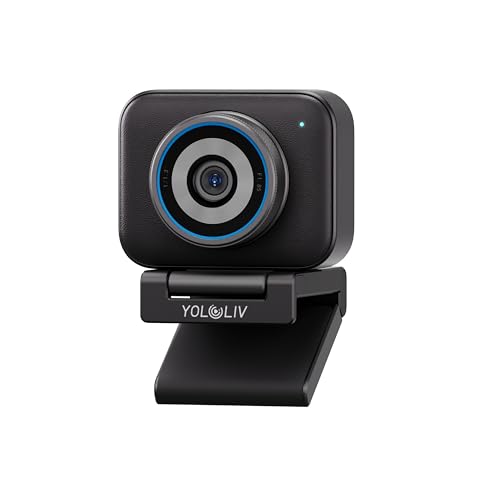
Choose a compact camera or a webcam style body that starts fast, connects by USB and holds focus while you lean in. Stable exposure matters more than maximum resolution, because classroom light often mixes windows and ceiling panels. Favor models that run from USB power. If your laptop camera feels noisy, see our guide to the best live streaming web cameras before paying for a larger body.
For Gamers and Power Users
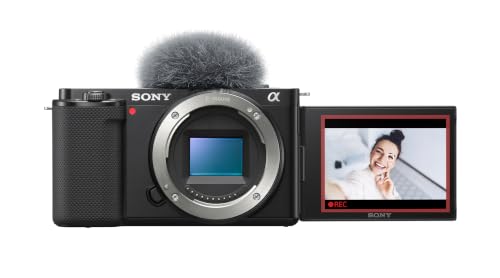
You need autofocus that returns to your face after you look down at a controller, plus low delay output so reactions line up with gameplay. A flip screen helps you check framing, and continuous power matters because sessions often run past two hours. Look for clean HDMI or a webcam mode your software reads at once. For a broader comparison, see our guide to the best cameras to use for streaming and compare heat limits.
For Travelers and Commuters
Pick a small body with image stabilization, a useful zoom range and sealing against dust and light rain if you stream from markets, sidelines or campus tours. Weight shapes every choice, because a camera left in the hotel helps no one. Spare batteries and one versatile lens reduce the gear you carry. If your trips center on games and races, see our guide to the best cameras for live streaming sports for field specific priorities.
Choosing a Camera Type for Your Streaming Situation
Four types cover most streams. Webcam style cameras trade image depth for instant setup. Compact cameras add a larger sensor and a fixed zoom in a pocket size body.
Camcorders run long, stay cool and often include a longer zoom and stronger stabilization for events. Mirrorless bodies give the richest image and let you change lenses, but they cost more and need more setup attention.
Best Mirrorless Cameras to Use for Live Streaming: What to Prioritize
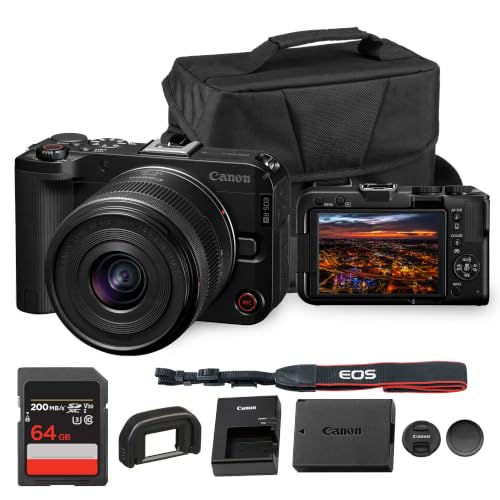
Prioritize three mirrorless strengths. Interchangeable lenses let you pick a wider view for a small room or a softer background by choosing a lower f stop. Larger sensors hold detail in dim rooms without pushing sensitivity so high that noise dances on walls. Mature face and eye detection keeps you sharp while you gesture.
Confirm clean output and a generous live time limit, since some models overheat under studio lights.
Key Features to Compare
When you compare the best cameras to use for live streaming, judge each feature by what viewers will notice. Sharpness they can see, focus they can trust and sound they can follow beat a spec list.
Video Resolution and Frame Rate for Live Streaming
Most platforms compress your signal, so a clean 1080p stream often looks better than a noisy 4K stream sent at a low bit rate. Choose 1080p at 60 frames per second if you move quickly, demonstrate products or share gameplay, because motion stays smoother. Choose 4K when your computer is strong and you want room to crop in software. Match resolution to your upload speed.
Sensor Size and Low Light Image Quality
Sensor size shapes how your room looks after sunset. A 1 inch sensor already lifts a stream above a typical laptop camera, gathering more light and softening the background. APS C and full frame sensors gather still more light, so faces stay clean at lower sensitivity settings. More megapixels do not guarantee a better live image, because streaming software shrinks the frame.
Judge a sensor by light gathering, not by the largest number on the box.
Autofocus That Holds Your Face While You Move
Face and eye detection should find you as you enter the frame, hold you while you turn to a whiteboard, and return calmly when you face the lens again. Avoid systems that pulse in and out of focus, because that hunting motion pulls attention from your words. If you show small items, look for a product showcase mode or a near focus priority setting. Calm focus also keeps guest interviews looking steady.
Audio Inputs and Headphone Monitoring for Live Streaming
Viewers forgive a soft picture sooner than harsh sound. A microphone input, usually a 3.5 mm jack, lets you place a mic near your mouth instead of across the desk, which cuts room echo and keyboard noise. A headphone jack lets you catch hum, clipping or a silent channel before viewers report it in chat. Check whether the camera shows audio levels on screen while you stream.
Loud peaks near the top of the scale distort first, so leave some headroom.
Clean Output, Continuous Power and Heat Limits
Live work needs a signal your computer can use for hours. Clean HDMI output sends picture without menus or focus boxes, while a USB webcam mode skips a capture device. Ask whether the live feed has a time limit and whether a dummy battery or USB power can run the camera through an event.
Heat is the quiet limit, since a body built for short clips may shut down mid event. If you stream to social platforms, see our guide to the best cameras for facebook live streaming for platform side checks.
Common Mistakes to Avoid When Buying a Live Streaming Camera
- Buying only for a 4K label gives you a stream your upload speed cannot carry, so viewers see stutter.
- Skipping the clean output check means menu icons and focus boxes can appear on your public feed.
- Spending everything on the body and nothing on a microphone makes clear speech the weakest part of every stream.
- Framing a small desk with a narrow lens forces you to sit far back, so your face and voice both feel distant.
- Trusting one internal battery for a long event ends the stream early when the charge runs out.
How to Make Your Live Streaming Camera Last Longer
Wipe the front lens element with a clean lens cloth, never your shirt, because grit in fabric can leave fine scratches that soften every stream. Blow dust from the mount and contacts with a hand blower, and keep caps on when you swap lenses. Store the camera in a dry, padded bag, and remove the battery during long breaks.
Give vents room to breathe during long sessions and keep cables loose, since a tight bend strains the port connector. Carry a spare battery and rotate packs so one worn battery does not end an event. Update firmware only from a full charge, and check seals and case zips before outdoor work.
FAQ
What features matter most for a desk based live streaming camera?
Clean output, reliable face autofocus and a microphone input matter most for a desk based live streaming camera. Add one point spec sheets rarely show, which is eye line. Mount the lens near the top of your monitor and your notes, so you appear to look at viewers instead of down.
What specs matter most for beginners choosing a live streaming camera?
Simple connection, automatic exposure and steady autofocus matter most for beginners choosing a live streaming camera. A useful first upgrade is not a setting, but light placement, with a window or soft lamp in front of you and slightly to one side. That change lifts skin tones and helps autofocus lock on while you learn framing.
Do live streaming cameras need a capture card to connect to a computer?
A live streaming camera needs a capture card only when it lacks a USB webcam mode and you use its HDMI output. One detail buyers miss is audio delay, because a capture path can shift picture behind a separate USB microphone. Most apps offer a sync offset, so clap once on camera and adjust until sound and motion line up.
How much should I spend on my first live streaming camera?
Plan on about $150 to $350 for a capable first live streaming camera, with extra room for a microphone and a basic light. Spending more mainly buys a larger sensor, interchangeable lenses and longer cool running time, which help in dim rooms or daily professional use. If you stream once a month, the lower end covers the quality viewers expect.
Which live streaming camera type is better for low light rooms?
A mirrorless or large sensor compact live streaming camera handles low light rooms better than a small sensor webcam. Watch the aperture at the zoom setting you will actually use, because many kit zooms grow darker as you zoom in, which erases the sensor advantage. In a dim room, a fixed focal length lens with a lower f stop avoids noisy shadows.
Is a smartphone enough instead of a dedicated live streaming camera?
A smartphone is enough for occasional live streaming, especially for short casual sessions in good light. Its limits show up as interruptions, because calls and alerts can cover the frame, and long sessions drain the battery you need afterward. Many creators keep the phone as a second angle, then add a dedicated camera once streaming becomes weekly.
Wrapping Up
Match the camera to your room, your session length and the way you present, and the rest of the choice gets simple. Prioritize clean output, autofocus you can trust and power that lasts the full stream, then add lens and sensor quality as your light demands. When you are ready to choose the best cameras to use for live streaming revisit the product table above and shortlist the type that fits your next ten streams.


