
Best Cameras to Take Travelling in 2026: Everything to Know Before Your First Purchase
Disclosure: We may earn a commission when you buy through links on this page, at no extra cost to you. As an Amazon Associate I earn from qualifying purchases. Learn more

Shopping for the best cameras to take travelling for the first time? Learn the terms, compare options, and avoid rookie mistakes with this easy guide.
Buying your first travel camera feels confusing because every model lists dozens of specs, yet only a few change your photos on a real trip. The best cameras to take travelling are the ones you will happily carry all day and can use without a manual in your hand. This guide starts with the basics, explains each key spec in plain English, and helps you compare the comparison table below with confidence.
Think about your trips first, not the spec sheet. A city break rewards a light camera and a versatile lens, while a wildlife tour rewards reach and fast focusing.




Travel Camera Basics for First Time Buyers
A travel camera is a dedicated camera chosen for portability as much as for image quality. Unlike a phone, it gives you a larger sensor, real optical zoom and physical controls that work when your hands are cold, wet or in gloves. Most models store photos on a removable memory card and can send copies to your phone over WiFi.
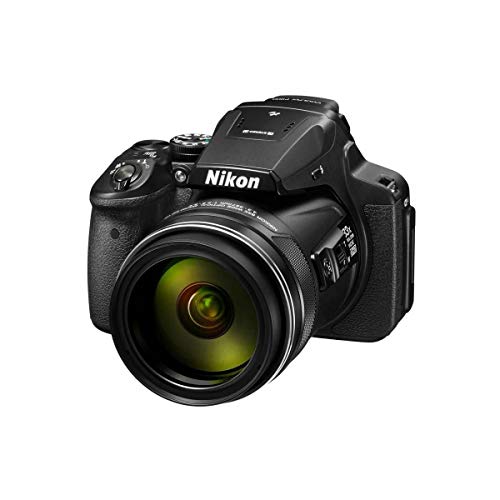
Three families cover most travellers. Point and shoot compacts have a fixed lens and slip into a pocket. Mirrorless cameras accept changing lenses and suit growing skills. Bridge cameras pair a small body with a very long zoom. See our guide to the best digital cameras for the wider category view.
Who Should Buy Which Type of Travel Camera?
Match the camera family to your most common trips. Walking distance, subjects and gear tolerance point to the right group below.
City Sightseers Who Walk All Day
You cover miles on foot, move between museums, markets and viewpoints, and want a camera that never feels like luggage. Choose a compact or a small mirrorless body with one general purpose lens. Prioritize light weight, quick startup and a zoom covering wide streets and distant landmarks without a lens change in a crowd.
Families Recording Trips Together
You photograph children who rarely sit still, and you share the camera with a partner who prefers simple controls. Choose a compact or an entry level mirrorless camera with reliable automatic modes. A tilting screen helps for group shots, and simple menus matter because the best family photo is often taken in the first five seconds.
Hikers and Backpackers Counting Every Ounce
You carry your camera for hours, often in changing weather, and every extra battery or lens competes with water and food. Choose the lightest body that still gives you the zoom your routes demand, plus weather sealing for drizzle and dust. For route focused advice, see our guide to the best cameras to take backpacking alongside this one.
Key Features to Compare
Compare these six factors in the same order each time, so a striking zoom number cannot hide a weak sensor.
Sensor Sizes Suited to Life on the Road
The sensor is the light sensitive chip behind the lens, and its size shapes detail, color and performance after dark. Travel sizes run from 1 inch in premium compacts through APS C in many mirrorless bodies to full frame in larger models. A bigger sensor gathers more light and holds shadow detail, but needs bigger lenses. Megapixels matter less than expected, because about 20 to 24 megapixels already prints well.
Evening Streets and Dim Interiors While Travelling
Low light performance decides whether evening streets and dim interiors stay sharp or turn grainy. Two things help most: a wide maximum aperture, written as a small f number such as f2.8, and clean results at higher ISO settings. A larger sensor also helps by gathering more light. Prefer that combination over flash alone, since flash falls off fast outdoors and flattens faces indoors.
Video Capabilities for Travel Clips
Most travel cameras now record 4K video, giving crisp clips and room to crop while editing. Look for 30 frames per second for general filming, or 60 for smoother motion. A flip screen helps you film yourself, and a microphone input matters if you narrate, because built in microphones pick up wind noise. If you mainly share short clips, easy phone transfer may matter more than advanced color formats.
Focus and Steadiness for Unplanned Moments
Autofocus speed and tracking decide whether a moving child, cyclist or animal stays sharp. Eye detection autofocus helps portraits, because it locks onto a face even when the subject turns. Image stabilization steadies the lens or sensor to reduce blur from your hands at slower shutter speeds and during walking video. It cannot freeze a moving subject, so pair it with a fast enough shutter speed.
Lens Choice and Optical Zoom Range
Optical zoom uses the lens to magnify a scene, so detail stays intact, while digital zoom crops the image and discards detail. A 24 to 70 mm equivalent range suits streets, groups and landscapes, while wildlife may need 200 mm or more. Fixed lens compacts stay simple, and interchangeable lens cameras let you add a lens later. When you shortlist the best cameras to take travelling, judge the range you will use daily over the longest number on the box.
Size, Weight and How a Travel Camera Feels to Carry
A camera left at the hotel takes no photos, so handle weight honestly. Compacts can weigh under 300 grams, while a mirrorless body with a zoom often totals about 600 to 900 grams. Check the one hand grip, the shutter button reach, and whether the camera fits your day bag. A comfortable cross body strap spreads the load and keeps it ready.
Camera Types Compared for Travel Days
Compacts win on simplicity and pocket size, and better ones use a 1 inch sensor that outclasses a phone in poor light. Their limits are fixed lenses and small controls. Mirrorless cameras win on growth, lens choice and image quality, at higher total cost. Bridge cameras win on reach, because one built in lens can cover a whole safari day without swapping.
Your subjects settle the choice. Landmarks, food and family moments favor compacts and small mirrorless kits, while birds and sports favor reach and tracking. If still images are your main goal on general trips, see our guide to the best cameras to take pictures for a picture focused comparison. Readers planning to keep learning technique afterwards may also enjoy our guide to the best cameras for photography once the travel basics feel familiar.
Common Mistakes to Avoid
First time buyers tend to repeat the same few errors, each costing money, comfort or photos.
- Buying the longest zoom and ignoring sensor size leaves you with distant but grainy photos in poor light.
- Choosing a heavy kit you dread carrying means the camera stays in your room on the busiest days.
- Trusting digital zoom figures instead of optical zoom gives you cropped images with lost detail.
- Travelling with one battery and one small memory card can end your shooting before the day ends.
- Skipping weather sealing for a rainy or dusty trip risks a camera that fails mid journey.
- Paying for advanced video color formats you never edit adds cost without improving your clips.
Getting Started and Caring for Your Travel Camera
Before your trip, charge the battery, set the date and time zone, format the memory card in the camera, and take test shots at home. Learn zoom, the mode dial and playback review first. Pack a spare battery, a second card, a lens cloth and a padded case. Clean the lens with that cloth, never your shirt, because grit in fabric can scratch coatings.
Each evening, wipe off rain and dust and let the camera dry with the lens cap off. Keep it out of a hot parked car, and use a sealed bag near spray and sand. At home, store it cool and dry with the battery partly charged, and back up cards to two locations before formatting them.
FAQ
Is a smartphone enough instead of a dedicated travel camera?
A smartphone is enough if you mostly view photos on a phone screen and shoot in good daylight. A dedicated camera pulls ahead for distant subjects, evening scenes and prints, thanks to optical zoom and a larger sensor. Check your last trip gallery: if many shots look soft, distant or grainy, a camera will fix more of those problems than a newer phone.
What specs matter most for beginners buying a first travel camera?
Sensor size, lens range and autofocus matter most for beginners, in that order. Together they decide image quality, framing freedom and how many moving subjects stay sharp. One helpful extra is a guided mode that explains each setting on screen as you change it, turning early mistakes into lessons. Ignore headline megapixel counts until those basics are covered.
How many spare batteries does a travel camera need for a full sightseeing day?
Most travellers should carry one spare battery for a full sightseeing day, and two for heavy video use or cold weather. Cold drains batteries faster, so keep spares in an inside pocket. A camera that charges over USB C adds a safety net, because the power bank you carry for your phone can top it up at lunch.
Which travel camera setup is better for low light photos at night markets?
A larger sensor with a wide aperture lens beats a small sensor with a long zoom at night markets. That pairing keeps shutter speeds fast enough for people moving between stalls, so faces stay recognizable. Raise the ISO before using flash, because market light is part of the scene and flash washes out the colors of food and lanterns.
How much should a first time buyer spend on a first travel camera?
Most first time buyers spend about $300 to $800 for a capable compact or entry level mirrorless kit. Budget roughly ten percent extra for a spare battery, cards, a strap and a case. Spending more mainly buys a larger sensor or better lenses, so upgrade only when a limit in your current photos bothers you.
The Bottom Line
Start with your trips, then weigh sensor size, lens range and carry weight first. A compact suits light travel, a mirrorless kit suits growing skills, and a bridge camera suits distant subjects. Use the product table above to check size, weight, zoom and price against that shortlist.
Chosen that way, the best cameras to take travelling become the camera you actually bring and reach for without thinking. That habit fills a trip gallery with photos worth keeping.


