
Best Cameras to Take Pictures in 2026: What Actually Matters Before You Buy
Disclosure: We may earn a commission when you buy through links on this page, at no extra cost to you. As an Amazon Associate I earn from qualifying purchases. Learn more

Compare camera classes, sensor sizes, zoom and ease of use to choose cameras for taking pictures at home, on trips and at family events with confidence.
This guide uses a simple checklist to judge every camera class by the same standards, so you can compare fairly instead of chasing the longest spec sheet. The best cameras to take pictures for you are the ones that match how you actually shoot, carry and share, and the sections below show how to test each claim before you spend.
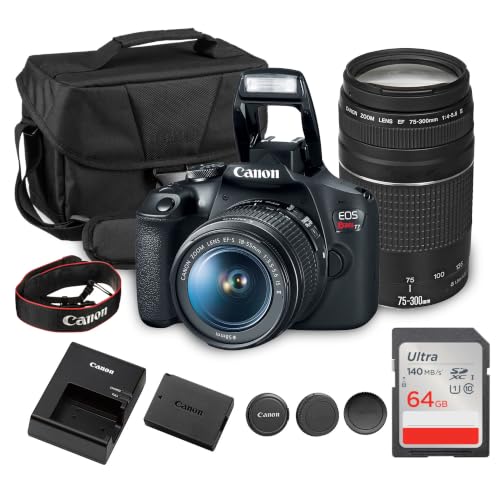
Start with the comparison table below to see how the main classes differ at a glance. Then read the checklist in order, because the early points rule out more wrong purchases than any single spec ever will. The checklist begins with how a camera fits your routine, then tests it against the phone you already carry, and only then turns to sensors, lenses and sealing. That order surprises spec hunters, but it reflects how purchases succeed or fail once the camera is home.





What Actually Matters: A Checklist in the Right Order
The first box on this checklist is habit, and it comes before every spec. A camera only earns its price on the days it leaves the house with you, so judge each class by whether it fits your daily routine, your usual bag and your patience for carrying it. A smaller camera that rides in a coat pocket on school runs and market trips will gather far more good frames than a larger one that stays in a drawer because packing it feels like a chore.
The second box is the phone test, and it deserves honesty. The phone in your pocket is the rival every camera here must beat, because it is always carried, always charged and ready to share in seconds. A separate camera earns its place only when it gives you something the phone cannot, such as real optical zoom for distant subjects, steadier results after dark, physical controls you can use without looking, or a battery that lasts a full day of shooting.
The third box is simplicity. An automatic mode that a beginner understands at once beats a deep manual system that stays home because it feels intimidating on the first outing. Look for clear scene guidance, menus written in plain words and a quick way to move pictures to your phone for sharing. If a camera makes you work hard for an ordinary snapshot, you will reach for the phone instead, and the better sensor will never get a chance to prove itself.
Almost every option covered in this guide sits inside the broad family of best digital cameras, which simply means the camera saves each image as a file you can copy, edit and share.
Sensor Size and Image Quality
Sensor size shapes image quality more than any other single spec. A 1 inch sensor suits slim compacts and still beats a phone in dim rooms, while the larger APS C format gathers more light and gives cleaner shadow detail for family events indoors. Full frame sensors sit at the top for low light work and shallow depth behind a subject, but they bring larger bodies and pricier lenses. Megapixel counts matter less than makers suggest.
Ease of Use for Your Skill Level
Match the controls to the skill you have today, not the skill you hope to build in five years. Beginners do well with a strong automatic mode, face detection that finds eyes on its own and a touchscreen that makes focus placement obvious. Growing photographers should look for a mode dial with manual options nearby, so experimenting takes seconds rather than a trip through layered menus. Wireless transfer to a phone app matters for everyone, because pictures that are hard to share tend to stay trapped on the memory card.
Video Capabilities
Many buyers record family video alongside stills, so check the video side with the same care. A camera that offers 4K video gives sharper clips and room to crop later, while smooth frame rates help with children running or pets in motion. Image stabilization also counts here, because steady handheld clips look far better than shaky ones, even at the same resolution.
Durability and Weather Sealing
Build quality decides how long a camera survives real life. Sealed bodies with gaskets around doors and dials shrug off drizzle at outdoor games and dust at the beach far better than open designs. Truly waterproof classes go further and can shoot in rain or shallow water without a separate housing, which suits boat trips and pool days. Check how the battery door and port covers feel, because those small closures are where water and grit usually enter first, and a flimsy latch is a warning sign.
Size, Weight and Ergonomics
Weight and shape decide whether a camera feels like a companion or a burden by the second hour. A deep grip helps when you hold the camera one handed at a party, while a flat compact slips into a jacket pocket for travel days when a bag feels like too much. Try to picture the camera in your most common setting, at a restaurant table, on a hiking trail or at a school concert.
Lens and Zoom Range
The lens turns sensor quality into an actual picture, so read its range before anything else on the box. Optical zoom moves glass inside the lens and keeps full detail at every setting, which is what you want for wildlife at a park or action across a field. A bright maximum aperture, shown as a low f number, helps after sunset and softens backgrounds behind portraits. For small subjects such as flowers or insects, check the close focus magnification figure, because it tells you how large the subject can appear in the frame.
Camera Classes and Price Bands That Fit the Checklist
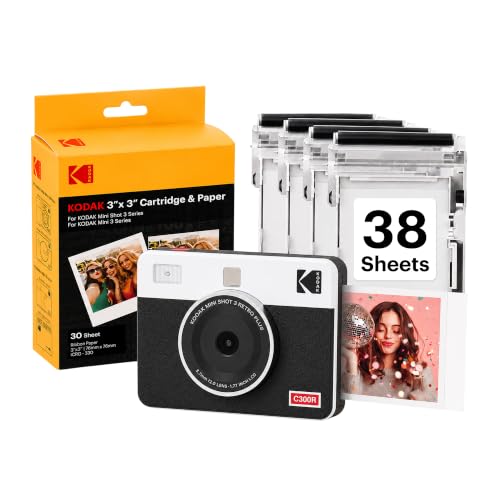
With the checklist in mind, the market sorts into three broad classes, and the product table above lines them up side by side. For a useful contrast, the best instant picture cameras class prints each shot on the spot and skips files and editing entirely, which shows how different the everyday classes below really are. Choose your class first and your exact budget second, because class decides size, lens options and how much learning the camera asks of you.
The All Round Class for Most Households
This class covers larger compacts and entry mirrorless bodies with interchangeable lenses, usually priced about $400 to $900 with a starter lens included. It passes the habit test for most families because the bodies stay portable while the sensors handle dim halls, evening birthdays and school stages without strain. Autofocus in this class tracks faces reliably, and the lens mount leaves room to grow later with a brighter portrait lens or a longer zoom for trips.
Choose this class if you want one camera for birthdays, travel and the occasional sports day, and you are willing to carry a small bag. If stills matter more to you than video, compare the stills focused advice in our guide to the best cameras for pictures before you settle, because some models in this class trade video polish for simpler stills controls.
The Value Class for Careful Budgets
Value compacts and older style point and shoot compacts usually cost about $150 to $350, and they pass the checklist on simplicity above all else. You open the camera, it wakes fast, the automatic mode reads the scene and you press one button, which is exactly what grandparents, teens and casual travelers often want. Optical zoom in this class still beats a phone at the zoo or a concert, and the small bodies vanish into a day bag.
The trade offs are real and worth naming. Small sensors struggle once light drops, screens can be hard to see in bright sun and there is no path to better lenses later. This class suits buyers who shoot mostly outdoors in daylight, print at modest sizes and share online.
The Heavy Use Class for Demanding Days
Heavy use bodies pair larger sensors with sealed construction, dual card slots on many examples and controls built for gloved or hurried hands, usually about $1000 to $2500 before lenses. This class passes the durability box outright and adds deep buffers for long bursts at events, plus battery life that covers a wedding or a full tournament day. It suits enthusiasts who shoot weekly, work in rough weather or print large for walls at home.
Be honest about the habit box before paying for this strength. These kits are heavy, the menus run deep and the lens bill grows fast once you add a bright zoom. Buy it when your shooting calendar is busy enough that the camera will be in your hands several times a week, not stored as a trophy.
Quick Buyer Checklist
Read each question and answer honestly before you order. A no on the first three questions matters more than any spec further down the list.
- Will this camera fit the bag or pocket I actually carry on ordinary days?
- Does it beat my phone at the one thing I shoot most, such as zoom, dim light or fast action?
- Can I understand its automatic mode and basic menus within one evening at home?
- Does the lens range cover my usual subjects without extra purchases right away?
- Is the body sealed or tough enough for my climate and my clumsiest habits?
- Can I afford the full kit, including a memory card, a spare battery and a padded bag?
- Does the screen and grip suit how I hold a camera for an hour at a time?
- Will I still enjoy using it on a plain weekday, not only on holidays?
Red Flags to Watch For
Walk away from any listing that waves one of these warning signs, no matter how low the price drops.
- Huge zoom or megapixel claims with no sensor size stated, which usually means a tiny sensor doing heavy cropping behind the scenes.
- No clear statement of optical zoom, because silent reliance on digital cropping costs detail you can never restore later.
- A warranty measured in a few short months or sold only through unnamed sellers, which leaves you stranded after an early fault.
- Reviews that repeat the same phrases and praise everything, a pattern that suggests the comments were not written by real owners.
- A closed battery or storage design with no standard card slot, which traps your pictures if the maker drops support for its app.
Best Cameras Take Pictures for Specific Needs
General classes cover most buyers, but a special subject changes which boxes on the checklist matter most. Read only the short sections that match your life, and weigh those points above the general advice.
Best Cameras to Take Pictures and Videos: What to Check
A true hybrid shooter needs stills and clips to share the same body without either side feeling like an afterthought. Check that stabilization works during recording, not only for stills, and that the body can record a full school performance without stopping early from heat. A forward facing screen and a microphone input lift voices and framing for home movies and short online clips. Also confirm that focus stays smooth while zooming, because hunting focus ruins more family clips than low resolution ever does.
Best Underwater Cameras to Take Pictures: What to Check
Underwater work starts with the depth rating, so choose a body rated well beyond the snorkeling or pool depth you actually plan. Large buttons and simple dials matter because wet hands and gloves make small controls nearly useless below the surface. A bright screen you can read through glare and moving water helps framing more than extra megapixels.
Best Cameras to Take Pictures of Kids: What to Check
Children reward speed above almost everything else. A camera that wakes in about a second and locks onto eyes without hunting will catch expressions that a slower, sharper body misses entirely. Short burst shooting helps with running toddlers and school sports, and the tracking habits in our guide to the best cameras for sports pictures apply here as well. Tough construction matters too, because a camera aimed at family life will be grabbed, dropped and smeared sooner or later.
Best Cameras to Take Pictures of Houses
Rooms and buildings ask for width before anything else. A lens that starts genuinely wide lets you stand in a corner and still capture the whole kitchen or living room in one frame. On screen level guides keep walls vertical and floors flat, which makes listings and rental posts look far more trustworthy. Strong handling of bright windows beside dim interiors also counts, so check how the class you favor balances highlights and shadows in a single exposure.
Best Cameras to Take Pictures of Dog: What to Check
Dogs combine speed, low height and total indifference to your plans. Animal eye detection, now common on midrange bodies, holds focus on a running dog far better than older center point systems. A fast top shutter speed freezes ears and paws mid stride at the park, while a moderate zoom lets you fill the frame without crowding an animal that dislikes strangers.
Best Cameras to Take Pictures at Night
Night shooting is a light gathering contest, so sensor size and lens brightness outrank every other figure on the box. A larger sensor with a bright aperture keeps street scenes and evening portraits clean without pushing sensitivity into noisy territory. Stabilization earns its keep after dark because it lets you handhold slower shutter speeds at concerts and city walks.
Best Point and Shoot Cameras That Take Great Pictures: What to Check
The appeal of this class is freedom from decisions, so judge it by how little it asks of you. The automatic mode should read parties, beaches and portraits correctly without mode switching, and the body should start fast enough for moments that last seconds. A useful optical zoom range covers group shots and distant details in one pocketable tool. Battery charging through a common cable is a quiet plus on trips, because one less dedicated charger means one less item to forget at home.
Best Full Hd Cameras That Take Good Pictures: What to Check
Full HD video remains plenty for family screens, school projects and most online sharing, and cameras built around it often cost less than newer 4K focused classes. Judge this group by stills quality first, because photo resolution is a separate figure from video resolution and varies widely here. Smaller video files also fill cards and drives more slowly, which suits long event days.
Care and Maintenance Tips
Clean the front element of the objective lens with a soft lens cloth, never your shirt, because shirt fabric drags grit across the coating and leaves fine scratches over time. Carry a spare battery on any full day out, since screens, stabilization and cold weather all drain power faster than the box estimate suggests. Store the camera in a dry, padded bag away from bathroom steam and car heat, and remove the battery before long storage breaks. A quick wipe after beach or rain days keeps salt and dust out of dials and seams.
Cameras Take Pictures: Your Questions Answered
How much should I spend on a first camera?
Most first time buyers do well spending about $300 to $600 on a camera or starter kit. That band buys a sensor clearly ahead of a phone, honest optical zoom and controls you will not outgrow in a year. Spend in stages rather than all at once, because three months of shooting will teach you whether your next dollar belongs in a brighter lens, a longer zoom or no upgrade at all. Keeping a reserve beats stretching for a flagship body on day one.
What does optical zoom mean on a camera?
Optical zoom means the lens changes its focal length with moving glass, so the picture keeps full detail at every step of the range. To verify a claim, ignore the large combined zoom number printed on the front of the box and find the focal length range listed in millimeters in the full specifications. That millimeter range is the honest figure, while combined numbers quietly fold in digital cropping that throws away pixels to fake a closer view.
Is a smartphone enough instead of a camera?
A smartphone is enough if your pictures live on screens, happen mostly in daylight and stay at everyday distances. A separate camera pulls ahead during long events, because shooting with a phone also means fielding calls, messages and map checks on the same device that holds your only lens. A gripped body with a wrist strap is simply harder to drop at a crowded wedding or a windy viewpoint. If those days fill your calendar, the camera earns its bag space.
What specs matter most for beginners?
For beginners, fast wake time, reliable eye autofocus and a clear automatic mode matter more than megapixel counts or long feature lists. Before buying, look at sample pictures shown at full size that match your own subjects, such as indoor family scenes if that is your life. Samples reveal skin tones, shadow cleanliness and focus habits that spec sheets hide. A camera whose samples please you at full size will please you at home, whatever its rivals claim on paper.
Which camera class handles low light better?
Larger sensor classes paired with bright lenses handle low light better than small sensor compacts. Whatever class you choose, your own steadiness adds more than most buyers expect, so brace your elbows against your sides, lean on a wall where one exists and squeeze the shutter gently instead of jabbing it. Those habits can rescue evening shots on modest gear. They cost nothing, travel everywhere and improve results long before an expensive upgrade would arrive.
Final Thoughts
Judge every candidate by habit first, phone honesty second and simplicity third, because those three boxes decide whether better image quality ever reaches your family archive. Sensor size, zoom range and sealing then sort the survivors inside the class your life actually supports. Compare your finalists in the product table above, weigh the full kit cost rather than the body price alone and pick the option you will carry on an ordinary Tuesday. Chosen that way, the best cameras to take pictures stop being a spec contest and become the camera your memories can count on.


