
Best Cameras to Take Backpacking for 2026: Every Type Explained Side by Side
Disclosure: We may earn a commission when you buy through links on this page, at no extra cost to you. As an Amazon Associate I earn from qualifying purchases. Learn more

Compare the best cameras to take backpacking by type, ideal users, and price range to pick the right style for your trip.
Choosing a camera for the trail feels confusing because every type trades weight against image quality. A body that looks light at home can feel heavy by day four, while a tiny camera may disappoint once light fades at camp. Finding the best cameras to take backpacking starts with your route, pack weight, and how you shoot.
This guide compares each type side by side, with no single style pushed as right for everyone. You will see who each type suits and what it gives up. Start with the comparison table below.





Who Should Buy Which Camera for a Backpacking Trip?
Your hiking style should decide the camera type before any spec sheet does.
Long Distance Hikers Counting Every Ounce
If you walk 15 to 25 miles a day and weigh gear in ounces, a compact or action camera fits best. Both ride in a hip belt pocket, need no extra lenses, and add little base weight. You give up some low light quality, but you gain a camera you will carry instead of leaving buried in your pack.
Landscape Photographers Chasing Dawn Light
If you plan stops around sunrise and night skies, a mirrorless camera earns its extra weight. A larger sensor holds shadow detail, and interchangeable lenses frame wide valleys or distant peaks. Readers comparing broader options can also see our guide to the best cameras for backpacking before narrowing down by sensor and lens choice.
Mixed Sport Travelers Who Film as Much as They Shoot
If your trip mixes hiking with swimming or climbing, an action camera or rugged waterproof model handles knocks and water that would stop other cameras. Small mounts and simple controls suit movement and gloves. If your route includes towns between trail days, see our guide to the best cameras to take traveling for a wider travel angle.
Camera Types for Backpacking Compared Side by Side
Each type below covers how it works, its strengths and limits, and who should pick it. Treat the price ranges as planning guides only.
Mirrorless Cameras for Backpacking Trips
Mirrorless cameras use a large sensor and interchangeable lenses, with an electronic viewfinder or screen for framing. They deliver the strongest image quality here, strong 4K video, and full manual control, often for about $600 to $2,500 with a starter lens. The trade off is weight, since body plus lens often reaches 1 to 2 pounds. Choose this type if quality beats pack space.
Action Cameras for Backpacking Trips
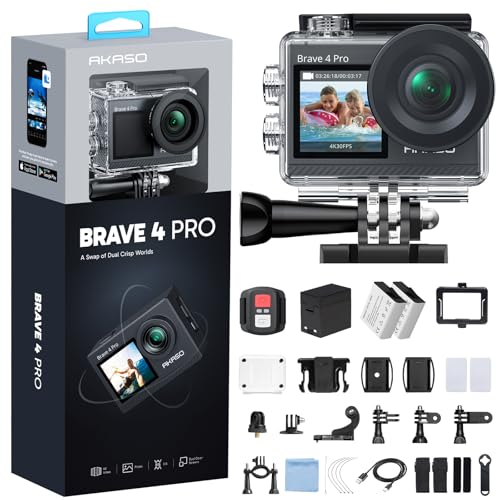
Action cameras are small, rugged boxes with a fixed wide angle objective lens, strong image stabilization, and simple one button recording. Most are weatherproof without a case and cost about $250 to $500. They shine for video on rough trails. Stills look less detailed than mirrorless shots, zoom is mostly digital rather than optical zoom, and small sensors struggle after dark. Choose one if durability leads.
Compact Cameras for Backpacking Trips
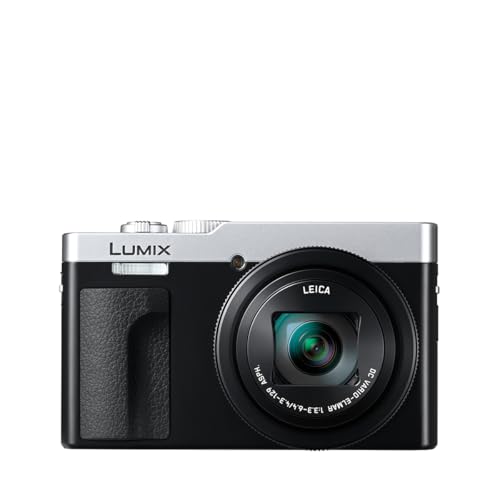
Compact cameras pair a fixed zoom lens with a sensor larger than a phone sensor, in a pocket size body, often for about $400 to $1,200. The optical zoom covers wide scenes and close views, so one device handles camp life and viewpoints. They start fast and need no lens changes in dusty wind. Low light results sit between action and mirrorless models. Choose one for simple stills with real zoom.
Rugged Waterproof Cameras for Backpacking Trips
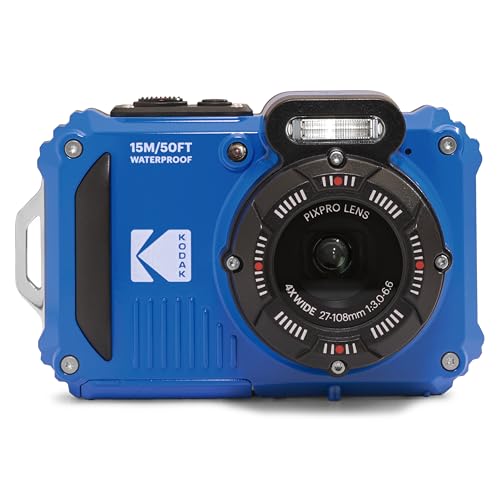
Rugged waterproof cameras are compacts sealed against water, dust, drops, and freezing cold. They suit coastal routes and wet forests where a normal camera would stay in a dry bag all day, and most cost about $350 to $600. Image quality matches ordinary compacts, and screens can be hard to read in sun. Choose one if weather is your main risk.
Key Features to Compare Before You Pack a Camera
Specs help only when read through trail conditions. The best cameras to take backpacking for a wet coastal route differ from the right pick for a dry desert crossing, so match each factor to your route.
Weight and Packed Size on the Trail
Weigh the full kit, not the body alone. Camera, lens, battery, cards, case, and strap can double the listed weight, and that total rides on your shoulders every mile. Test the packed shape in your own pack, since a bulky body can push out food or layers. If the kit forces a larger pack, pick a smaller type.
Sensor Size and Image Quality in Low Light
Sensor size shapes how clean your dawn and forest shots look. A 1 inch sensor in a compact beats a phone sensor in dim light, APS C sensors in mirrorless bodies go further, and full frame sensors give the cleanest files at the highest weight and cost. Megapixels matter less than sensor size for trail light. For daylight sharing online, a smaller sensor is a fair trade.
Lens and Optical Zoom Range for Trail Subjects
The objective lens decides what you can frame without moving your feet, which matters on narrow ridges and near wildlife you should not approach. A wide range suits valleys and camp scenes, while longer optical zoom brings peaks and birds closer. Interchangeable lenses give the widest choice but add weight per lens. Fixed lens models rely on one range, so check both ends.
Weatherproof Sealing and Image Stabilization
Weatherproof sealing keeps dust and light rain out of the body and lens joins, but it does not make a camera safe to submerge unless rated for that use, so carry a rain cover in downpours. Image stabilization steadies handheld shots and walking video at dusk. It cannot freeze a moving animal, so shutter speed still matters.
Battery Life, Charging and Ease of Use on the Trail
Battery ratings count shots under test conditions, and cold nights, video, and screen use drain packs faster on real trips. Carry a spare battery, and favor models that charge by USB so one power bank serves phone and camera. Ease of use matters with cold hands, so large buttons and a clear auto mode save missed shots.
Mirrorless Cameras Versus Action Cameras for Backpacking
These two types sit at opposite ends of the trade off. Mirrorless cameras win on sensor size, lens choice, and stills detail, and suit planned photo stops. Action cameras win on size, toughness, stabilization while moving, and simple video. A mirrorless kit grows in cost with each lens, an action kit with mounts. For format background, see our guide to the best digital cameras.
Pick mirrorless if you would wake early for light on purpose. Pick an action camera if you would rather press record and keep walking. Many hikers pick a compact instead, since it splits the difference.
Common Mistakes to Avoid When Choosing a Backpacking Camera
- Buying the largest sensor without weighing the full kit, so the camera stays buried in the pack all trip.
- Judging zoom by the biggest number on the box, so digital cropping replaces real optical zoom and detail drops.
- Taking one battery on a cold multi day route, so the camera dies before the final morning light.
- Trusting weatherproof sealing in a river crossing, so water enters a body that was rated only for rain.
- Learning a new menu system on the trail, so slow settings cost you the short window of dawn light.
Care and Maintenance for Backpacking Cameras
Clean the lens with a lens cloth, never your shirt, since grit on fabric can scratch the coating. Wipe grit off the body before opening any door, and change lenses inside your tent in dusty wind. A brush clears sand from dials at camp.
Store the camera in a dry, padded bag, with a silica gel packet on humid routes. Let a cold camera warm up inside a sealed bag in a warm hut, so condensation forms on the bag, not the lens. Check seals before wet trips.
Frequently Asked Questions About Backpacking Cameras
What camera specs matter most for first time backpacking photographers?
Weight, one simple zoom range, and reliable auto focus matter most for a first backpacking camera. Add one habit: copy files to your phone each night and charge both devices from one bank. That routine protects your photos if a card fails, and teaches your real battery use before a longer route.
How much should you spend on a first backpacking camera?
About $300 to $700 buys a capable first backpacking camera in the compact, action, or entry mirrorless types. Keep money aside for a spare battery, two fast cards, and a padded case, since those decide whether the camera still works on day five. Entry models hold fair resale value, so upgrading after one season costs less than buying big at the start.
Which backpacking camera type is better for low light?
A mirrorless camera is better for low light on a backpacking trip because its larger sensor gathers more light per shot. Test candidates by photographing the same tent scene at dusk and comparing shadow detail on a large screen, not the camera display. A flat rock as a rest also helps any type, since a steady camera allows slower shutter speeds.
Is a smartphone enough instead of a backpacking camera?
A smartphone is enough for daylight snapshots and short clips on a backpacking trip, and it saves all camera weight. Its limits show in distant wildlife, dim forest light, and long trips where the phone is also your map and emergency contact. A dedicated camera keeps shooting when phone battery must be saved. If you print large or crop often, a compact shows a clear gap.
What lens should you carry for wildlife on a backpacking trip?
Carry the longest optical zoom you can hold steady and pack safely, since wildlife on a backpacking trip rarely lets you walk closer. Renting a long lens for one trip costs far less than buying one, and it shows the true packed weight first. Shoot at dawn and dusk, keep a respectful distance, and follow local rules for approaching animals.
Final Thoughts
Start with route and pack weight, then pick the type that fits both, then check sensor size, lens range, and battery plan in that order. That sequence keeps a heavy kit from winning on specs alone. The best cameras to take backpacking are the ones you carry every day, so use the product table above to compare your shortlist by type.

