
Best Cameras That Use Film: Every Type Explained Side by Side for 2026
Disclosure: We may earn a commission when you buy through links on this page, at no extra cost to you. As an Amazon Associate I earn from qualifying purchases. Learn more

Compare the best cameras that use film by type, from SLR and rangefinder to point and shoot, with ideal users and running costs.
Choosing among the best cameras that use film feels confusing at first, because the cameras look similar while working in very different ways. An SLR, a rangefinder, and a compact automatic may all load the same roll, yet they suit different hands, budgets, and subjects. This guide compares each type side by side so you can match a style to the way you shoot.
One point helps before you start. These are still cameras that record photographs on light sensitive film, not vlogging cameras or mirrorless cameras built for 4K video. Use the comparison table below to see the main types at a glance.
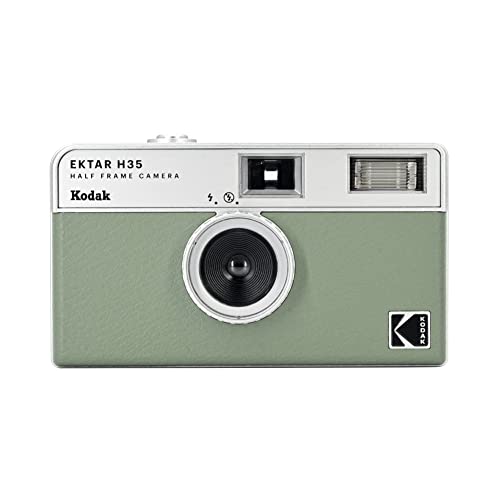
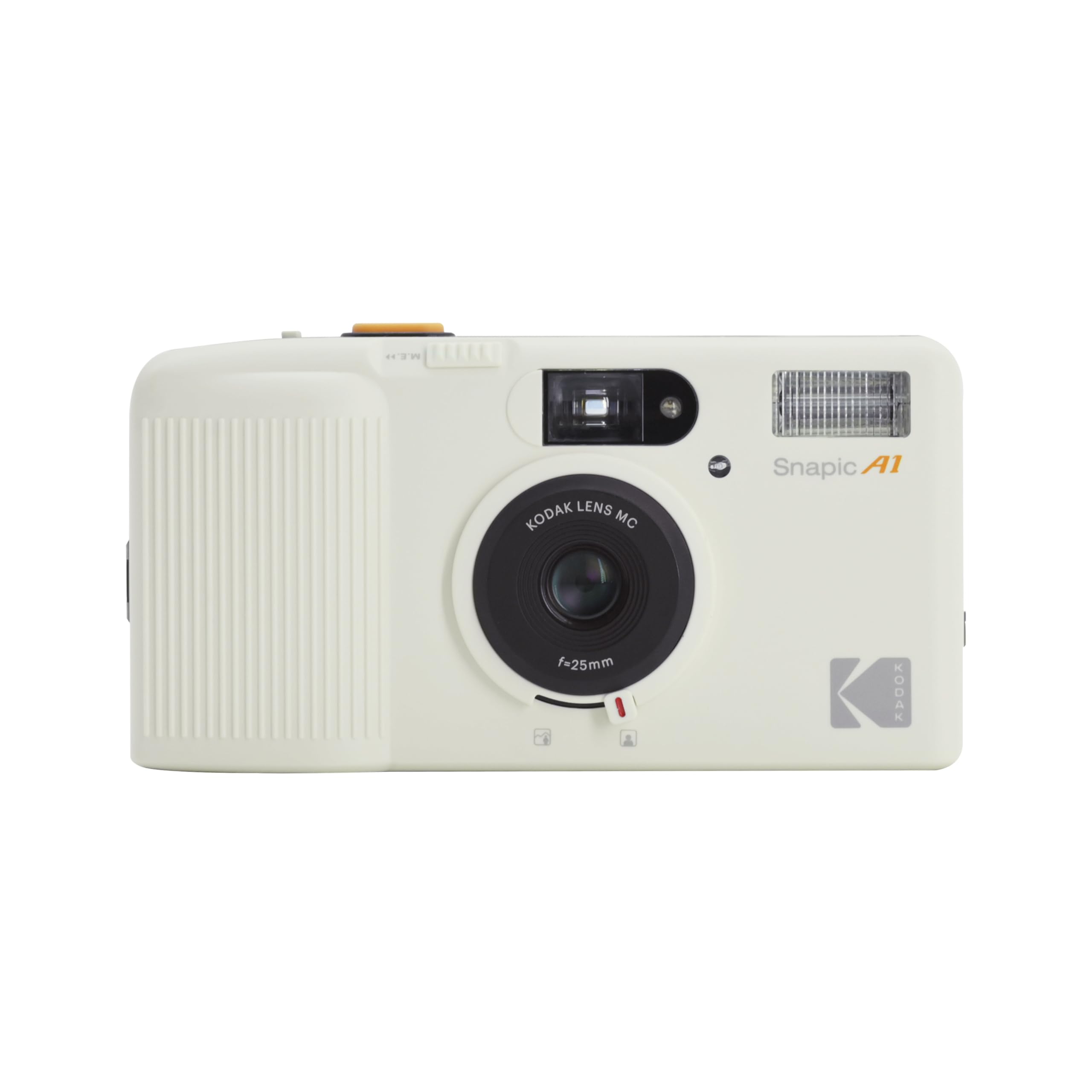


Types of Film Cameras Compared Side by Side
Although the details differ, the best cameras that use film share one trait, and that is a design built around a specific way of seeing and focusing. The four types below cover nearly every camera in shops and secondhand listings. For broader background, see our guide to the best cameras with film.
SLR Cameras: Full Control Through the Lens
An SLR shows you the scene through the taking lens itself, using a mirror that flips up at the moment of exposure. What you see is almost exactly what lands on the film, which makes framing close subjects and long lenses predictable. Most SLRs accept interchangeable lenses for subjects near and far.
The trade off is size and noise, because the moving mirror adds bulk and a noticeable clack with each frame. Common student models cost about $100 to $300, and respected professional bodies cost far more. Choose an SLR if you want manual control, predictable framing, and the widest choice of lenses.
Rangefinder Cameras: Quiet and Compact for Street Work
A rangefinder focuses with a separate window and a bright patch that you align until two images merge into one. Because there is no mirror, the body stays smaller and quieter, and the viewfinder shows bright frame lines with space around them. That open view helps you watch a scene develop and time your moment on the street.
The same design limits you, since the viewfinder never shows the exact edges that a long or very close lens will capture. Viewfinder magnification matters here, because a higher figure makes focusing easier. Choose a rangefinder if you value discretion and a camera you will carry daily.
Point and Shoot Cameras: Automatic and Pocketable
A point and shoot camera handles focus and exposure for you, so you simply frame, press the button, and move on. Most use a fixed lens, although some later models add a zoom lens for everyday subjects. A few rugged models even add weatherproof sealing for rain and beach days.
That convenience comes with limits, because you give up manual settings and rely on a small built in flash in dim rooms. Simple models often cost under $100, while fashionable compacts with sharp lenses cost about $200 to $500. Choose this type for casual snapshots, travel photos, and a camera friends can use without a lesson.
Medium Format and Instant Cameras: Bigger Frames and Instant Prints
Medium format cameras use 120 roll film and record a frame several times larger than a 35 mm frame, which delivers fine detail and smooth tonal transitions. Many focus at waist level through a large bright screen, and the slower pace suits portraits and landscapes. Expect larger bodies, fewer frames per roll, and prices from about $300 upward.
Instant cameras sit at the opposite extreme, printing a finished photo within minutes on self developing film packs. Image quality is softer and each print costs more than a frame of roll film, but there is no lab wait and no scanning step. Choose instant if sharing a physical print on the spot matters more than detail.
SLR or Rangefinder or Compact: Which Film Camera Style Fits You
Start with the viewfinder, because you will use it for every single frame. An SLR viewfinder suits precise framing, close work, and long lenses, while a rangefinder viewfinder suits watching action unfold outside the frame lines. A compact removes the choice entirely and lets the camera decide the rest.
Next, weigh lens choice against size and noise. SLR and medium format systems swap lenses, rangefinders swap a smaller set, and compacts keep one lens forever, which keeps them light but fixed. A rangefinder or compact also stays discreet at events, while an SLR announces itself with each shot.
Finally, match the style to your patience and budget using the product table above. SLRs reward learners who want to grow, rangefinders reward observant shooters who travel light, and compacts reward anyone who prefers the moment over the settings. Medium format rewards slow, deliberate work where each frame earns its cost.
How to Choose the Right Film Camera
The four factors below decide most purchases. Shoppers who want a wider view of the market first can also see our guide to the best cameras to use before returning here.
Film Format and Frame Size
Frame size does the job on a film camera that sensor size does on a digital camera, because a larger frame captures more detail and handles enlargement better. The 35 mm format is the practical default, since film stocks are plentiful, labs everywhere accept it, and you get 24 or 36 frames per roll. Medium format gives roughly 10 to 16 larger frames per roll, so each mistake costs more.
Instant film removes the lab but locks you into one print size and one copy of each image. Small prints and online sharing rarely need medium format, while large wall prints benefit from it directly. Format decides which cameras you can even consider, so settle it first.
Lenses and Focusing
Lens choice shapes your photos more than the body does, because the body is mostly a light tight box that holds film flat. A fast lens with a wide maximum aperture, such as f1.4 or f2, gathers more light indoors and blurs backgrounds for portraits. Manual focus rewards deliberate shooting, while autofocus on later bodies speeds up family and event work.
Most film cameras have no image stabilization, so steady hands or a tripod do that work. Check that any used lens focuses smoothly and that the glass shows no haze or fungus. A clean lens on a modest body beats a hazy lens on a famous body.
Metering and Exposure Control
The light meter tells you which shutter speed and aperture will expose the film correctly. Some meter through the lens and show a needle or lights in the viewfinder, while simple compacts set everything automatically. Aperture priority is a friendly middle ground, because you pick the aperture and the camera picks a matching shutter speed.
Many meters depend on small button cells, and a few classic bodies need battery types that are no longer sold, so confirm a modern substitute exists before buying. If you prefer cells you can buy anywhere, see our guide to the best cameras that use AA batteries. A dead meter does not ruin a mechanical camera, but it slows you down.
Ease of Use and Running Costs
Your first camera should load without a struggle, advance smoothly, and put its main controls where your fingers expect them. Automatic loading and advance remove the two steps that ruin film for beginners, which are torn sprockets and rolls exposed to light by accident. If simple operation matters most, see our guide to the best easy to use film cameras.
Running costs continue long after the purchase, because film, developing, and scanning add up with every roll. Color film plus lab work often lands at about $20 to $35 per roll all in. Budget for your first five rolls before stretching for a pricier body.
Matching a Film Camera to Your Situation
The same camera can be perfect for one person and frustrating for another, so this section maps three common searches to the type that serves each one best.
Best SLR Cameras to Use with Film: Which Type Works Best
When people search for the best SLR cameras to use with film, they usually want one body that can teach them photography and grow with them. Prioritize a working through the lens meter, a standard hot shoe for flash, and a lens mount with plentiful affordable lenses. A mechanical shutter that fires without batteries is a bonus, so it keeps working when the meter cell dies.
Best Cameras to Use to Film Your Art: Which Type Works Best
Artists searching for the best cameras to use to film your art need accurate color, flat even framing, and precise focus at close distances. An SLR wins here, because through the lens viewing removes the framing error that rangefinders and compacts show at close range. Pair it with a tripod socket and a standard lens first, then judge film stocks by how they render your materials.
Best Point and Shoot Cameras That Use Film: Which Type Works Best
The best point and shoot cameras that use film suit parties, road trips, and everyday carry where a bulky camera would stay home. Look for reliable autofocus, a flash you can turn off for museums and evening streets, and a lens that starts reasonably wide for group shots indoors. Confirm the camera loads and rewinds on its own, because manual rewind cranks on cheap compacts often fail.
Loading, Storage, and Care Tips for Film Cameras
Load and unload film in soft shade rather than bright sun, and keep the roll in its canister until the moment you need it. Clean the lens with a lens cloth, not your shirt, because shirt fabric can drag grit across the coating. Carry a spare battery for the meter, since a camera that loses power mid roll loses its exposure guidance too.
Store the camera in a dry padded bag away from heat, and store unexposed film in a cool place. Between rolls, check that the film door foam seals are not crumbling into sticky fragments. If the advance lever feels rough or frame spacing turns uneven, stop shooting and book a service rather than forcing the mechanism.
Film Camera Questions Answered
Can a Smartphone Replace a Film Camera for Everyday Photos?
A smartphone can replace a film camera for convenience, but it cannot reproduce the process or the look of real film. Phone images are instant and effectively free per shot. If you only want a vintage appearance on digital files, see our guide to the best cameras that look like film instead.
What Film Speed Should Beginners Choose for a First Roll in a Film Camera?
Beginners should choose an ISO 400 color film for a first roll in a film camera. That speed handles bright sun, cloudy afternoons, and indoor window light without forcing you to change approach for each scene. Save slower fine grain films and very fast films for later rolls. Tear off the end flap of the film box and keep it in your bag as a reminder of which speed is currently loaded.
How Much Should You Spend on a First Film Camera and a First Roll?
You should spend about $100 to $250 on a first film camera in tested working order, plus about $20 to $35 for a roll with developing and basic scans. Paying for a serviced body costs less than buying a cheap faulty one twice, which is the most common beginner trap. If a seller cannot confirm the meter, shutter, and light seals, lower your offer or walk away.
Which Film Camera Type Works Best in Low Light?
A film camera with a fast lens works best in low light, and that usually means an SLR or rangefinder fitted with an f1.4 or f2 lens. The wide aperture gathers enough light for indoor scenes when paired with ISO 800 film. Rangefinders stay bright in the viewfinder and vibrate less at slow speeds. Compacts struggle most, since their lenses gather far less light.
How Long Can Exposed Film Stay in a Camera Before Developing?
Exposed film can stay in a camera for a few weeks without visible harm, but you should develop it within about a month for the most faithful colors. Heat is the real enemy, because a camera left in a hot car ages film far faster than one kept in a cool drawer. This is why shoppers hunting for the best cameras to use to film family events should finish rolls promptly.
Final Thoughts
Settle your format first, then pick the camera type that matches how you like to focus and frame. SLRs teach and adapt, rangefinders stay quiet and portable, compacts keep things effortless, and medium format slows you down for detail. The product table above can help you compare working examples of each style.
Whichever route you take, buy a body in confirmed working order and spend your early money on film and developing rather than on prestige. The best cameras that use film for you is simply the one whose handling makes you finish rolls, learn from them, and load the next roll with a clearer idea of what to try.


