
Best Cameras That Use AA Batteries in 2026: Types Compared and How to Choose
Disclosure: We may earn a commission when you buy through links on this page, at no extra cost to you. As an Amazon Associate I earn from qualifying purchases. Learn more

Compare cameras that use AA batteries by type, zoom, sensor, video and shots per set, with clear guidance on cells, care and price for everyday use.
Cameras that run on AA cells come in very different shapes. A pocket compact, a long zoom bridge model and a trail camera all take the same batteries, yet they suit very different days. The best cameras that use aa batteries match your subjects and your trips, and the comparison table below is easier to read once you know which type fits you.
The appeal of AA power is freedom. You can buy fresh cells in almost any town, swap a flat set in seconds and store a camera for months without worrying about a built in pack losing its health.
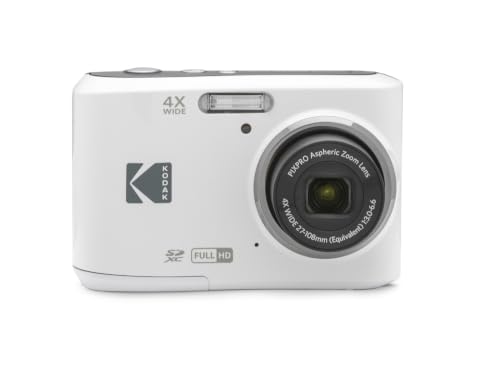


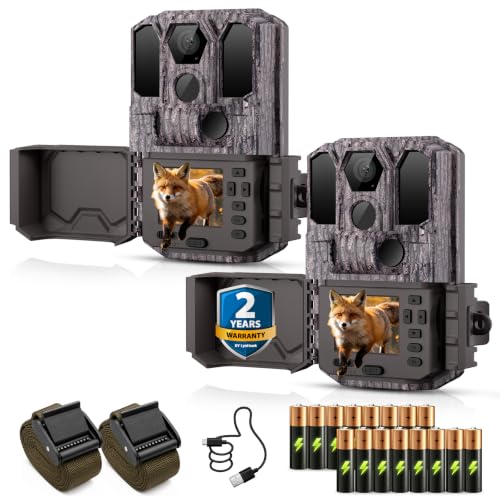
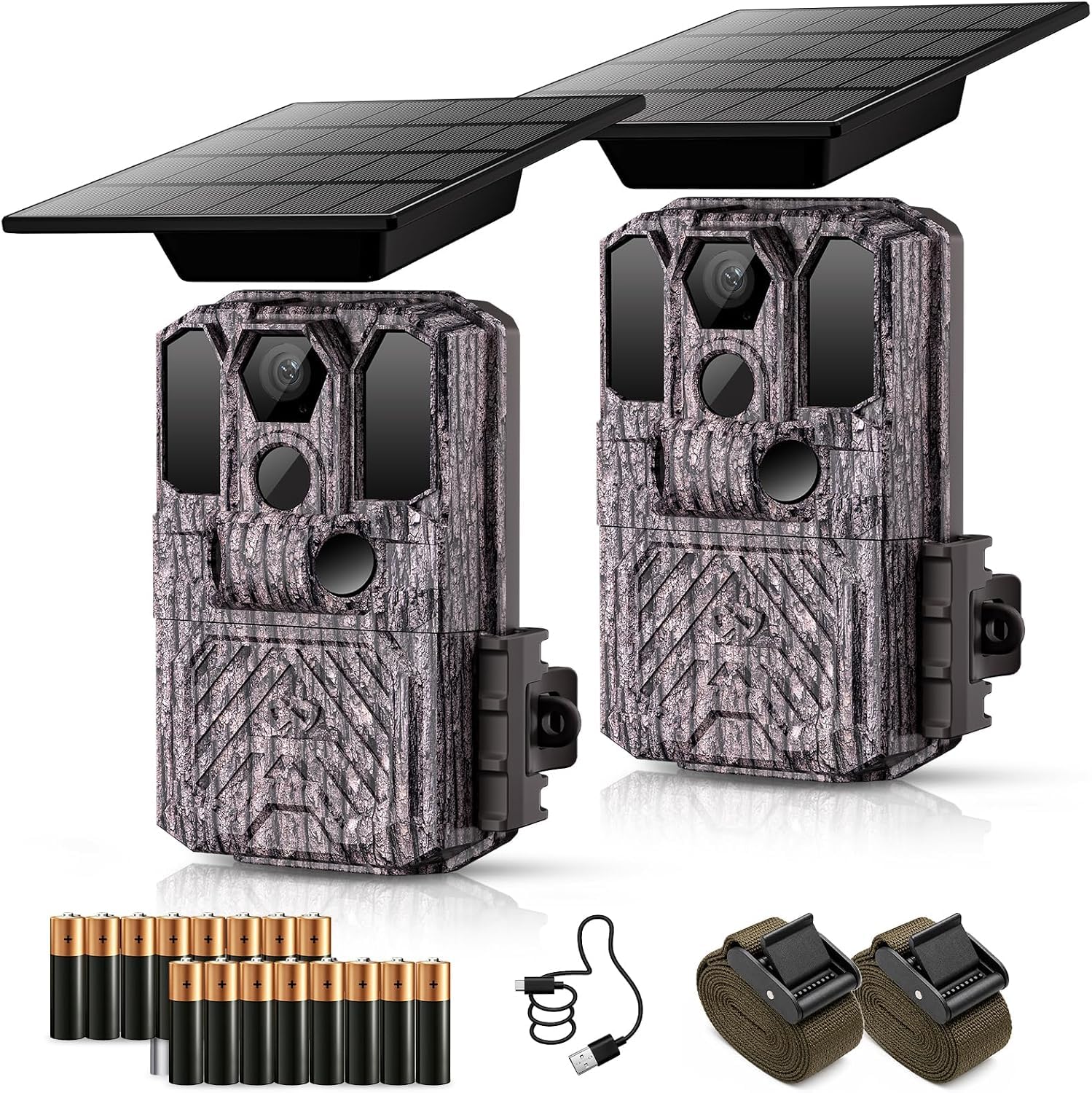
Types of Cameras That Use AA Batteries Compared
Four broad types still use AA cells, and each trades size, zoom and speed in a different way. Picking the right type matters more than any single spec inside that type.
Point and Shoot Compacts That Slip Into a Pocket
A point and shoot compact is the classic AA camera, small enough for a jacket pocket and simple enough to hand to a relative at a family gathering. Most take two AA cells, offer a zoom of about 3x to 10x, and handle everyday scenes with automatic settings. Image quality suits modest prints and sharing online, especially in good light. Choose this type for a real lens and flash at about $100 to $250.
Bridge Cameras With Long Zoom Reach
A bridge camera looks like a small mirrorless model, with a grip and a fixed lens that zooms far beyond a pocket compact. Zoom ranges of about 20x to 60x let you frame birds, boats and performers from a distance, and most take four AA cells to feed that motor and screen. The body often weighs a pound or more loaded, so it travels in a bag rather than a pocket. Expect to pay about $250 to $500.
Trail Cameras That Watch While You Are Away
A trail camera is a weatherproof box that you strap to a tree or post and leave for weeks, photographing wildlife or watching a gate when motion triggers its sensor. Sets of four to eight AA cells are common, and battery life is measured in months rather than shots, especially with lithium cells in cold weather. Night images rely on infrared light, so they are usually monochrome and softer. For cells that survive a season outdoors, see our guide to the best aa batteries for trail cameras. Prices run about $80 to $200.
Rugged Action Style Cameras for Trips and Water
A smaller group of rugged action style cameras accepts AA cells and suits travelers who cannot recharge every night. These models favor wide views, simple controls and tough cases that shrug off rain and dust, with weatherproof seals for beach or trail use. Video is the main job, with still photos as a backup. Prices sit around $100 to $300.
Action Cameras vs Point and Shoot Compacts: Which Should You Choose?
These two types overlap in price, so compare them by subject. A compact frames each shot through a zoom lens and a rear screen, gives you a real flash for indoor birthdays, and rewards a steady hand. An action style camera points at the scene and captures wide video with minimal setup, which suits cycling, paddling and walking tours where stopping to frame feels like a chore.
Choose the compact for people, pets and places you can stand in front of, and the action style model for motion and wet weather. A compact is usually the safer single buy, since it can still record short video clips.
How to Choose a Camera That Uses AA Batteries
When you compare the best cameras that use aa batteries side by side, work through the factors below in order. They decide how your photos look and how often you swap cells.
Small Sensors and Daylight Photo Quality
Sensor size shapes low light quality more than any other spec. Most AA models use small sensors, often described as 1/2.3 inch type, which perform well in daylight but show grain as light drops indoors or at dusk. A larger sensor gathers more light per pixel, so faces stay cleaner, but it also makes the body bigger and pushes the price up.
Optical Zoom Reach and the Widest Setting
Optical zoom moves glass inside the lens, so detail stays sharp across the range, while digital zoom only crops and enlarges the middle of the image. A compact with 5x optical zoom covers group shots and modest portraits, while bridge zooms of 20x or more reach wildlife and distant landmarks but magnify hand shake as well. Check the widest setting too, because a wide start helps with interiors in tight spots. Aperture numbers matter at the long end, where less light forces slower shutter speeds.
Image Stabilization and Autofocus
Image stabilization steadies the lens or sensor to counter small hand movements, and it earns its keep at long zoom settings and in dim rooms where shutter speeds fall. Lens based optical stabilization usually beats software only correction for still photos. Autofocus on AA models is often contrast based, which is accurate but slower than the systems in pricier cameras, so moving toddlers and pets can challenge it. Look for face detection if your subjects move, and half press the shutter early to give the camera time to lock on.
Video Recording on AA Powered Models
Many AA cameras record Full HD video, and some trail and action style models offer 4K video for extra detail on a large screen. Frame rate shapes motion, with standard rates suiting family clips and higher rates smoothing fast action. Built in microphones pick up wind noise, and few AA models accept an external microphone, so keep clips short in breezy places. Video drains cells and fills memory cards much faster than photos, so carry a spare set and a spare card.
Battery Life and Cell Type
Manufacturers quote shots per set under test conditions, and real results vary with flash use, screen brightness and cold weather. Alkaline cells are cheap and sold everywhere, lithium cells last longer and cope better with cold and long storage, and rechargeable nickel metal hydride cells cost least over a year of regular shooting. Most cameras take two or four cells, always matched in type and charge. For a fuller comparison of brands and chemistries, see our guide to the best aa batteries for cameras.
How to Make Your Camera That Uses AA Batteries Last Longer
Clean the lens with a lens cloth rather than your shirt, because shirt fabric can hold grit that scratches the coating. Carry spare cells in a small case so loose batteries cannot short against coins or keys, and rotate your sets so each one works and rests in turn. If you shoot often with rechargeable cells, see our guide to the best rechargeable aa batteries for cameras for sets that hold their charge well.
Store the camera in a dry, padded bag away from heat, and take the cells out if it will sit unused for months, since ageing alkaline cells can leak and corrode the contacts.
Common Mistakes to Avoid
- Mixing old and new cells in one set causes uneven drain and can shut the camera down early.
- Leaving alkaline cells inside a stored camera for months risks leaks that corrode contacts and can ruin the body.
- Judging a camera by megapixels alone leads to noisy evening photos, because sensor size matters more than pixel count.
- Choosing the longest zoom without stabilization gives you blurred shots at full reach on most days.
- Buying the cheapest bulk alkaline cells for a long trip means swapping sets so often that you miss moments.
- Carrying spare cells loose in a pocket lets them short against keys or coins and arrive flat.
Cameras That Use AA Batteries: Your Questions Answered
Is a smartphone enough instead of a camera that uses AA batteries?
For quick shares in good light, a smartphone is often enough, and it is already in your pocket. A dedicated AA camera wins when you need real optical zoom, a flash that reaches across a room, or power you can replace in a village shop after days away from a socket.
Which type of AA battery camera is better for low light photos?
A compact or bridge camera with the largest sensor in your budget is better for low light photos. Small sensors struggle after dark, so brace the camera on a wall, use the self timer to avoid shake, and stand closer so the flash can do its job.
Can I use rechargeable AA batteries in a camera that takes AA batteries?
Yes, you can use rechargeable AA batteries in nearly every camera that takes AA batteries, and regular shooters save money within a few months. Choose low self discharge cells and charge a full set together. If you shoot only a few times a year, compare your options in our guide to the best batteries for digital cameras aa before buying a charger you may rarely use.
What specs matter most for beginners choosing a camera that uses AA batteries?
Optical zoom, stabilization and shots per set matter most for beginners choosing a camera that uses AA batteries. Add a clear automatic mode and a screen you can read in sunlight, since those decide whether the camera comes along at all. A simple camera you carry beats a complex one left at home.
How much should I spend on a first camera that uses AA batteries?
About $100 to $250 covers a solid first camera that uses AA batteries, with enough left for cells, a case and a memory card. Spending less often means a fixed focus lens and poor evening shots, while spending far more moves you toward cameras with rechargeable packs instead.
Final Thoughts
Start with the type that fits your subjects, then check sensor size, optical zoom and shots per set before price. Keep a matched spare set in your bag, and use the product table above to confirm cell count, zoom and weight for the models on your short list.
Chosen with those points in mind, the best cameras that use aa batteries offer a freedom that sealed battery cameras cannot match. Pick the type you will carry most and stock cells you trust.


