Best Cameras That Look Like Film in 2026: How to Pick the Right One for Every Need
Disclosure: We may earn a commission when you buy through links on this page, at no extra cost to you. As an Amazon Associate I earn from qualifying purchases. Learn more

Discover the best cameras that look like film for your needs. We match features to real use cases so you avoid overpaying and get the right fit the first time.
There is no single model that suits every buyer, because a film look can mean two different things. Some people want a body with dials and a shape that recalls an old rangefinder. Others care most about color, grain and soft highlights in the photo itself. The best cameras that look like film match both your eye and your habits, so use the comparison table below to weigh looks against the features you will actually use.
Start with how you shoot most weeks. A camera you carry daily beats a larger body that stays at home, however strong its sensor may be. Think about size, lens choice and how much editing you enjoy, then match each need to a body type below.



Who Should Buy Which Film Look Cameras?
Your usual subject and your patience for settings should decide the body style first. A retro shape alone does not guarantee pleasing color, and strong color modes mean little if the camera feels awkward in your hand on a normal day.
Travelers Who Want a Small Retro Companion
You walk far, pack light and shoot a mix of streets, food and friends. Choose a compact body with a fixed lens, a bright maximum aperture and a weight you can carry on a strap all day. A weatherproof build helps in light rain and dusty towns. If this sounds like you, see our guide to the best digital cameras that look like film for more compact digital options.
Street and Portrait Photographers Who Love Dials
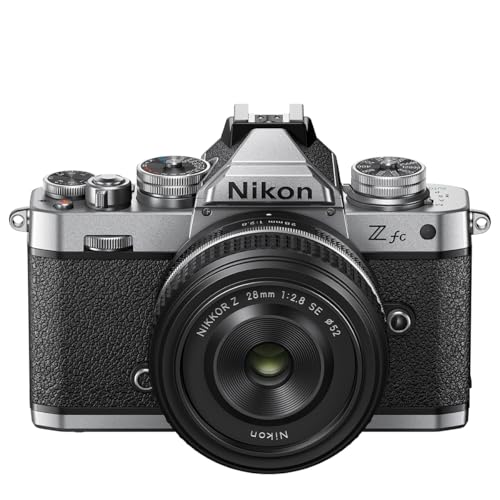
You slow down, set exposure by hand and enjoy a quiet shutter and a classic shooting stance. Prioritize metal dials for shutter speed, ISO and exposure compensation, plus a clear viewfinder you can use in bright sun. Interchangeable lenses let you pair a wide lens for streets with a short telephoto for portraits. Color modes that keep skin tones gentle will help your portraits too.
Creators Who Shoot Photos and Video for Sharing
You record clips between stills and post soon after you shoot. Look for a tilting screen you can see from the front, reliable face detection and a microphone input if you speak on camera. Many vlogging cameras now add film inspired color for video as well as stills, which keeps your feed consistent. Fast phone transfer matters too, so clips reach your audience while they are still fresh.
Key Features to Compare
Compare these factors in order, because they shape every photo far more than small differences in menu design or body color.
How Sensor Size Sets the Ceiling for Detail and Depth
Sensor size sets the ceiling for detail, depth and clean results as light falls. A 1 inch sensor suits a pocket compact and still beats most phones for print quality. APS C balances size and quality for most buyers, while full frame gives the shallowest depth and the strongest low light results at a higher cost and weight. Megapixel counts matter less than sensor size and lens quality.
Film Simulations and Dials for Color Control
Film simulations are color recipes built into the camera that mimic the mood of classic film stocks, from soft portrait color to bold slide film contrast. Good sets let you adjust grain, highlight tone and color strength, then save a favorite as a custom preset. Physical dials make those choices faster, because you can set shutter speed or exposure before you raise the camera. If you dislike editing on a computer, strong built in recipes are worth paying for.
Lenses, Focal Length and Optical Zoom
The lens decides what fits in your frame and how blurred the background can look. A fixed 28 mm or 35 mm equivalent lens suits streets and travel, while a 50 mm equivalent flatters portraits. Optical zoom changes the view through glass and keeps full quality, unlike digital zoom, which simply crops the image. Choose the focal length for your main subject first, then worry about extra reach.
Autofocus, Stabilization and Viewfinder Clarity
Autofocus should lock onto faces and eyes quickly, because a retro body is no excuse for missed moments with family or moving subjects. Image stabilization steadies the sensor or lens, which helps you hand hold at slower shutter speeds in dim rooms and at dusk. Viewfinder magnification tells you how large the scene appears through the eye, and a larger view makes manual focus and framing easier.
Video, Battery Life and Sharing Connections
Many film look bodies now record 4K video, and frame rates up to 60 frames per second keep motion smooth for travel clips. Check for a microphone input and a screen that tilts if you film yourself. Battery ratings in shots per charge vary widely, and video drains a charge far faster than stills, so note the rating for your main use. USB C charging and wireless transfer to a phone save time on the road.
Choosing Between Fixed Lens Compacts and Interchangeable Bodies
Fixed lens compacts, including premium point and shoot compacts, keep the whole kit small and simple. You cannot change lenses, so the camera is ready fast and there is no sensor dust from lens swaps. This route suits buyers who value one well chosen focal length and a body that slips into a jacket pocket or small bag.
Interchangeable bodies give you a system. Start with one general lens, then add a portrait lens or a wider option later. The trade off is cost, weight and more decisions before each trip. For many readers, the best cameras that look like film choice comes down to simplicity against growth.
Also be clear about one boundary before you order. Most models in this guide are digital bodies styled after film cameras, not cameras that load film rolls. If you want the true analog process with developing and scanning costs, see our guide to the best film cameras for vintage look instead. Buyers who want digital files with classic color should see our guide to the best digital cameras for film look for that side of the choice.
Common Mistakes to Avoid
- Buying only for the retro body shape leaves you with color modes you dislike and photos you still have to edit heavily.
- Ignoring sensor size leads to noisy indoor photos when a larger sensor would have handled the same light with ease.
- Choosing a fixed lens at the wrong focal length means constant cropping for portraits or cramped framing indoors.
- Skipping the viewfinder check results in a finder too small or dim to enjoy in bright daylight.
- Spending the whole budget on the body leaves nothing for a spare battery, a card and a protective bag.
Setup and Care Tips for a Film Look Camera
On your first day, set the date, format the memory card in the camera and save one film recipe you like as your default. Turn on both JPEG and raw capture if storage allows, because the JPEG carries the film color you chose while the raw file gives you a safety net for tricky light. Set the dials to the values you use most, so the camera starts close to ready each time you switch it on.
Clean the lens with a soft lens cloth, not your shirt, because shirt fabric can hold grit that scratches coatings. Carry a spare battery on long days and store the camera in a dry, padded bag away from bathroom steam and car heat. Wipe the body after beach or rain use, and let it dry fully before you close the bag.
Film Look Cameras: Your Questions Answered
Is a smartphone enough instead of a film look camera?
A smartphone is enough for casual snapshots, but a film look camera gives you real dials, a larger sensor and color you set before the shot. One point phones rarely match is shallow depth from a fast lens, which separates a subject from a busy street. If you often print photos or shoot in dim cafes, the dedicated body earns its place in your bag.
What specs matter most for beginners choosing a film look camera?
Beginners should put sensor size, a simple auto mode and a lens matched to their main subject at the top of the list. A helpful extra is a guided screen that explains each dial in plain words as you turn it, which shortens the learning curve. Skip advanced video settings at first, because stills skills like framing and light reading transfer to every camera you own later.
Which sensor size is better for low light on a film look camera?
A larger sensor is better for low light, because it gathers more light per photo and keeps shadow detail cleaner at high ISO settings. Full frame leads, APS C follows closely, and 1 inch compacts trail both after dark. Lens aperture can close part of that gap, so a fast lens on APS C often beats a slow kit lens on a bigger body at night.
Do cameras that look like film actually use film rolls?
Most cameras that look like film do not use film rolls, because they are digital bodies with retro styling and film inspired color modes. The clue is the memory card slot and the screen on the back, which true film bodies lack. A small number of hybrid models add instant prints, but they still capture digitally first, so read the storage details before you assume any camera needs rolls.
How much should I spend on my first film look camera?
Most first time buyers spend about $500 to $1,200 for a body that balances sensor quality, good color modes and a lens they will keep. Spending less often means a smaller sensor and weaker low light results, while spending more mainly buys full frame depth and faster lenses. Keep about ten percent of your budget aside for a card, a spare battery and a bag, since those items affect daily use right away.
The Bottom Line
Put sensor size, film color modes and lens choice ahead of styling details, then pick the body type that fits your routine. Travelers gain most from a compact fixed lens model, while dial lovers and portrait shooters gain more from an interchangeable body. When you compare best cameras that look like film with those three points clear, use the product table above to confirm size, price and the features that matter to you.