Best Batteries for Digital Cameras AA: Matching the Right Battery to Your Routine 2026
Disclosure: We may earn a commission when you buy through links on this page, at no extra cost to you. As an Amazon Associate I earn from qualifying purchases. Learn more
Match the best batteries for digital cameras aa to your routine: chemistry classes, shelf dates and shots per set for travel days and flash heavy shoots.
There is no single AA battery that suits every camera routine, because a holiday snapshot habit and a wedding flash habit drain cells in completely different ways. Choosing the best batteries for digital cameras aa starts with your routine: how many shots you take in a day, how often the flash fires, and how long the camera sits between outings. Match the chemistry class to that pattern and both cost and reliability fall into place.
The product table below sets the main AA classes side by side for a quick scan before the detail. If you are still choosing the camera itself, the overview of the best digital cameras explains which bodies still accept AA cells, since many modern bodies use sealed packs instead.




Who Should Buy Which AA Batteries?
Routine decides everything with AA power, because the same cell can be perfect in one camera bag and a poor buy in another. The guide to best digital cameras using aa batteries covers the camera side of the pairing, while the three routines below cover the battery side.
For Occasional Family Shooters
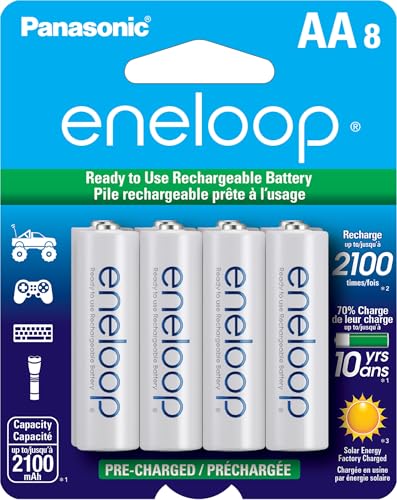
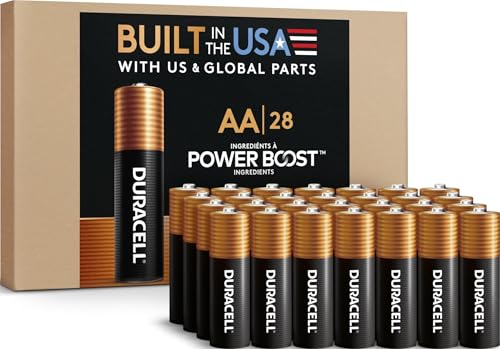
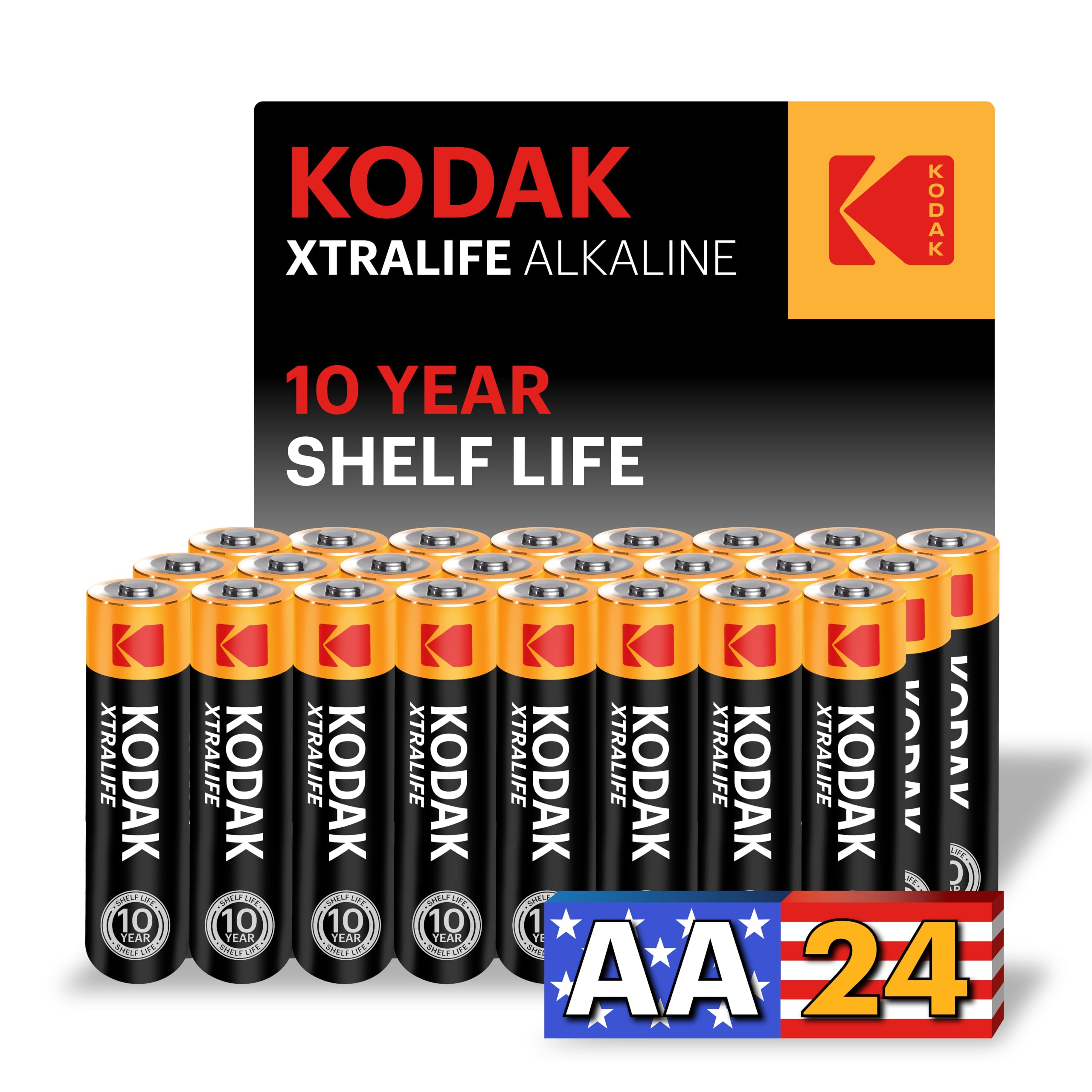
If the camera comes out for birthdays and holidays, single use alkaline cells are the sensible class. They wait in a drawer for months without attention, cost about $8 to $15 for a generous multipack, and ask nothing of you between outings. The trade is waste: every set is thrown away, so this class suits low shot counts far better than weekly shooting.
For Travelers Who Shoot All Day
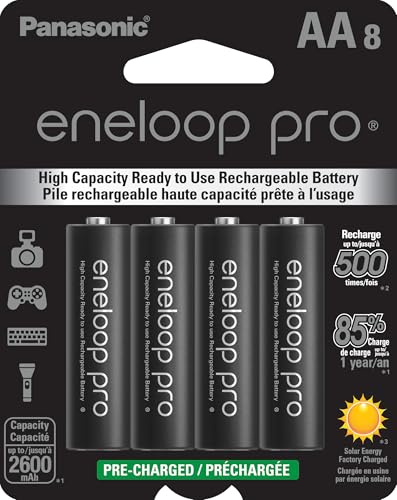
Travel days punish batteries, because screens stay on, flashes fire in museums and ruins, and there is no drawer of spares at the hotel. Rechargeable cells earn their charger weight here, since two sets rotated nightly cover the heaviest day and the same cells serve trip after trip. Carry the charger in hand luggage and keep one alkaline set as an emergency reserve that works even when no socket is free.
For Flash Heavy Event Shooters
Frequent flash use is the hardest routine of all, because each pop pulls a heavy burst and the camera feels sluggish while cells recover. Rechargeable cells in the higher capacity class recycle the flash fastest and hold their voltage deep into a set, which keeps shot to shot timing steady across an evening. Alkaline cells fade noticeably under this load, so event shooters treat them as backup only.
Key Features to Compare
Four features separate a good AA choice from a frustrating one, and the broader guide to the best batteries for digital cameras shows how they apply beyond the AA format. For AA cells specifically, work through chemistry, shelf behaviour, shot counts and capacity in that order.
Chemistry Comes First
Chemistry governs how an AA cell behaves in a camera, so decide this before anything else. Alkaline cells are single use, cheap per pack and ready after long storage, but their voltage sags under flash load, which shortens useful life in a camera. Rechargeable nickel metal hydride cells cost more up front, hold voltage steadier, and can be reused hundreds of times, and the dedicated guide to best rechargeable aa batteries for digital cameras compares that class in depth. Lithium single use cells form a third class: light, strong in cold weather and long lived in storage, at the highest price per set.
Shelf Life and the Printed Date
The printed date on a pack is a shelf class promise, and it decides whether a spare set will work when you finally reach for it. Alkaline cells typically carry a storage promise of about five to ten years, while lithium cells promise the longest storage of all. Standard rechargeable cells lose charge as they sit, so look for the low self discharge class, which holds most of its charge for about a year on the shelf. Rotate spares oldest first and note the purchase month on the pack with a pen.
Shots per Set and Flash Recovery
Shots per set is the count that matters on a real day out, and it swings widely with flash use. A set that delivers several hundred screen only shots may manage a fraction of that when every frame uses flash, because the flash capacitor is the hungriest part of the camera. Judge claims by your own flash habit, and treat any single headline figure as a best case. Fast flash recovery is the companion sign of a strong set: if recycle times stretch past several seconds, the cells are fading.
Capacity Ratings on Rechargeable Cells
Rechargeable AA cells print a capacity in milliamp hours, and higher figures generally mean more shots per charge. The common classes run about 1,900 to 2,500 milliamp hours, with the top class trading a little recharge lifespan for extra capacity. Match the charger to the cells, charge in matched sets from the same pack, and retire a set when one cell starts finishing far earlier than its partners.
Common Mistakes to Avoid When Buying AA Batteries
- Buying the largest alkaline multipack for a flash heavy routine, where voltage sag wastes half of every set.
- Mixing chemistries or old and new cells in one camera, which lets the weakest cell drag the set down, a point the guide to best aa batteries for cameras also stresses.
- Ignoring the printed date and buying dusty old stock that has already lost years of shelf life.
- Choosing rechargeable cells without budgeting for a charger, or charging them in a charger meant for another chemistry.
- Storing spares loose in a bag where metal keys or coins can touch both ends of a cell.
Storage and Care Tips
Store AA cells cool and dry, in their pack or a divided case, never loose in a pocket or camera bag compartment. Take cells out of a camera that will sit unused for a month or more, because even a healthy cell can leak late in life and damage contacts. Wipe battery contacts with a dry cloth if the camera reports low power on fresh cells, and carry spare sets in hand luggage when flying, since checked bags face cold that drains cells.
Battery Questions Answered
How many spare AA batteries should I carry?
Carry one full spare set for a normal day and two sets for a flash heavy or travel day. A spare set weighs very little, and the moment a camera dies mid event the small planning pays off. Rotate the spares so the oldest set goes into the camera first, and mark each set with a number so partners always travel, charge and retire together.
Can I mix old and new AA batteries in one camera?
No, mixing old and new cells is a reliable way to shorten the life of the whole set. The camera draws from all cells together, so the weakest cell empties first and then gets dragged below its safe level, which raises the risk of leakage. Always load a matched set of the same chemistry, age and charge state, and swap the full set at once.
Do rechargeable AA batteries fit every AA camera?
Rechargeable AA cells share the same physical size, so they fit any camera built for AA cells. The one wrinkle is voltage: a rechargeable cell delivers a slightly lower voltage than a fresh alkaline, and a few older cameras read that as low power earlier than they should. Most cameras handle both classes without trouble, so test one set in your own body before a big trip.
How should I store AA batteries between trips?
Store cells in a cool, dry drawer inside their original pack or a plastic case with divided slots. Room temperature storage slows self discharge, while heat from a car boot or a sunny sill speeds it badly. Keep cells away from coins, keys and other metal, and for rechargeable sets, store them partly charged rather than fully empty so the chemistry ages more gently.
Why does my camera shut off even with fresh batteries?
A camera that dies on fresh cells usually has dirty contacts or a set that sags under load rather than a true fault. Clean the contacts in the battery door with a dry cloth, then try a fresh set of a stronger chemistry class. Flash heavy use exposes weak cells fastest, so if the camera survives screen only shooting but dies on flash shots, the cells are the problem.
Wrapping Up
Chemistry, shelf behaviour and shots per set decide AA performance far more than brand claims on the pack. The product table above lines the classes up for a final check, and matching the best batteries for digital cameras aa to your own routine, occasional, travel or flash heavy, is what turns a cheap pack into a reliable one. Buy matched sets, store them dry, and rotate them oldest first.