Best Cameras for Young Filmmakers by Budget for 2026
Disclosure: We may earn a commission when you buy through links on this page, at no extra cost to you. As an Amazon Associate I earn from qualifying purchases. Learn more

Compare cameras for young filmmakers by budget, with guidance on sensors, 4K video, autofocus, audio, screens and the long term costs that shape a first kit.
Camera prices stretch from under $300 to well past $2,000, and a higher price does not always buy a better film. The best cameras for young filmmakers match your current projects, leave room to learn manual control, and keep budget for sound and support gear. Use the comparison table below to see how each price level trades sensor size and handling.
You may shoot alone, work with friends on a short film, or record school events where you get one chance at each moment. The sections below sort those needs by budget first, then by features.




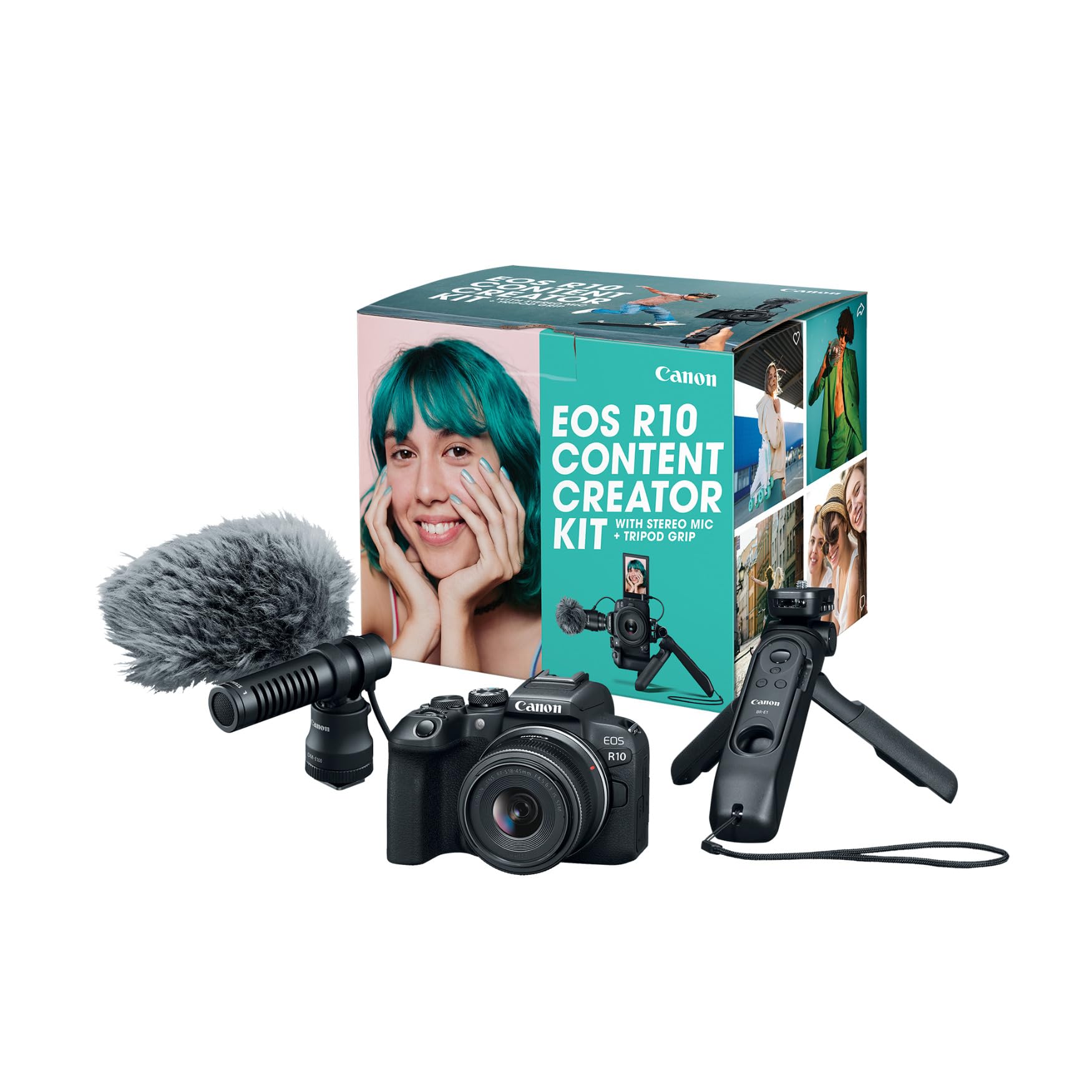

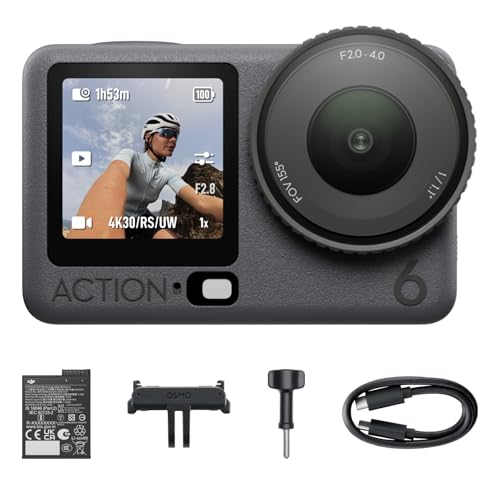

Who Should Buy Which Cameras for Young Filmmakers?
Start with the films you will actually finish this year. A camera that fits your crew size will teach you more than a larger camera that stays at home.
Students Learning Film in Class and at Home
You need clear manual controls for exposure and focus so class lessons transfer to your own shoots. A modest interchangeable lens camera or a capable point and shoot compact can work if it records clean 4K video and lets you set shutter speed and aperture. Choose a common lens mount with used lenses nearby, because borrowing teaches you faster than owning one costly lens.
Solo Creators Who Film and Present Alone
You set the camera, step in front of it and trust it to hold focus and exposure while you talk or perform. A fully articulating screen lets you check framing without walking back to the camera. Reliable face detection matters more than a long zoom range. Light weight also counts, because you carry the tripod and bag yourself.
Young Crews Shooting Shorts and Events
You work with friends who share roles, so handling, audio and repeatable settings matter for the whole team. Look for a headphone socket to check dialogue during a take, plus custom settings you can recall at a location. Weather sealed construction helps outdoors, but only if your lenses carry the same sealing.
What Each Budget Level Adds on Shoot Day
Price tiers differ less in headline resolution than in control and sound on a busy shoot day.
Budget Tier: A First Camera You Can Finish Films On
Cameras at about $300 to $700 usually pair a smaller sensor with simple controls and limited sockets. Expect 4K video on many models, but often with a crop or shorter recording limits. This tier suits learning and online posting if you add a separate audio recorder later. Spend the savings on a tripod and a fast memory card first.
Mid Tier: More Control for Growing Skills
Cameras at about $700 to $1,500 commonly add a larger sensor, better autofocus and both microphone and headphone sockets. You also tend to get longer 4K recording and a screen that moves freely for low or high angles. Dialogue and mixed light become easier to manage at this level. For many young crews, the best cameras for young filmmakers sit here, because the gains show in every scene.
Premium Tier: Tools for Demanding Light and Motion
Cameras above about $1,500 may offer a full frame sensor, stronger stabilization and richer color options for careful grading. These tools help in dark halls and fast action, but lenses cost more and files grow larger. Choose this tier when paid work or festival projects need those gains now.
Key Features to Compare
Compare features in the order they affect a finished scene. Sound and focus errors end more student films than a gap in sharpness will.
Sensor Size, Depth of Field and Falling Light
Sensor size shapes depth of field and how clean footage looks as light falls. A 1 inch sensor in a compact keeps the kit small and keeps more of a room in focus. APS C sensors gather more light and blur backgrounds more easily for interviews. Full frame sensors go further in dim light, but lenses are larger and focus errors show sooner. Megapixels matter mainly for stills, so judge a film camera by video readout and dynamic range.
4K Video, Frame Rates and Color Options
Record in 4K at 24 or 30 frames per second for normal scenes, then finish at the resolution your school or platform requires. A 60 frames per second option lets you slow walking or sports to half speed without rough motion. Higher rates such as 120 frames per second suit brief action inserts only, because files grow quickly. Flat color profiles give grading room, but a good standard profile matters more at first.
Autofocus That Holds Faces and Moving Subjects
Continuous autofocus tracks a subject while you record, and face and eye detection help when an actor moves toward the lens. Test how the system behaves when a person turns sideways or shares the frame with another face. Touch focus can guide a shift between subjects, yet a lens that hunts will distract viewers. For manual focus, look for focus peaking and magnification to confirm sharpness.
Audio Inputs and Monitoring for Clear Dialogue
A built in microphone hears the operator and room echo as clearly as the actor, so an external microphone socket changes dialogue quality at once. A 3.5 mm input accepts many small microphones, while a headphone socket lets you catch wind noise before the scene ends. Check whether you can set levels manually and see meters while filming. If a camera lacks a microphone input, budget for a separate recorder and a hand clap to sync sound.
Screens, Stabilization and Handling on Location
A screen that tilts helps for low shots, while a fully articulating screen faces forward for solo work and turns inward for protection. In body stabilization or a stabilized lens smooths small hand movements, but it cannot replace a tripod for locked shots. Grip shape and menu clarity decide how fast you can change settings between takes. Weather sealed bodies add confidence in light rain.
Battery Life, USB C Charging and Memory Cards
Video drains batteries far faster than stills, and makers often rate a charge at about 60 to 120 minutes of recording under test conditions. Cold weather and bright screens shorten that time on location. USB C charging lets you top up from a power bank between scenes. Fast cards are part of the budget too, because high bit rate 4K modes need cards with a matching write speed rating.
Kit Costs That Build Up After the Body
The camera body is only the first purchase in a working kit. Lenses, spare batteries, fast cards, a microphone, a tripod and a bag can add about $200 to $800 over the first year. Storage drives may add more once 4K files pile up. If you are comparing formats, see our guide to the best digital cameras to understand how stills focused models differ from video focused ones.
Common Mistakes to Avoid
- Spending the whole budget on the body leaves no money for a microphone, so dialogue sounds distant.
- Choosing a camera with no headphone socket means you find buzz and wind noise only after filming.
- Chasing the highest megapixel count wastes money that could buy a lens with a wider aperture.
- Ignoring recording limits turns a long school play into broken clips and missing lines.
- Buying into a lens mount with few affordable lenses makes every later upgrade cost more.
- Filming everything handheld makes pans shaky and tires the operator during long scenes.
Care and Maintenance for Filmmaking Cameras
Change lenses with the camera facing down in a sheltered spot so dust falls away from the opening. Use a blower before a cloth on glass, store cards in a hard case, and format cards in the camera after you back up your files. Charge batteries before storage.
After a wet or dusty shoot, wipe the body and let everything air before closing the bag. If you also shoot stills, see our guide to the best cameras for young photographers for how stills priorities differ.
Frequently Asked Questions
How much should a young filmmaker spend on a first film camera?
A young filmmaker should plan on about $500 to $1,000 once sound and support gear are included. That range buys real manual control without locking all your money in the body. If funds are tight, rent a special lens for one weekend project instead of buying it. Our guide to the best cameras for beginner filmmakers explains the learning path.
Do young filmmakers need a full frame camera to make good films?
No, a young filmmaker does not need a full frame camera to make good films. Script, blocking, light and sound shape the result far more than sensor size at this stage. Smaller sensors can even help, because deeper focus hides small focus errors in group scenes.
Should a young filmmaker buy a camera or use a phone first?
Use a phone first if you have not finished a short film yet, then buy a camera once you know which limits bother you. A phone teaches framing and story rhythm at no extra cost. A dedicated camera earns its price when you need manual exposure, a microphone input and lenses for different looks.
What lens should a young filmmaker buy after the kit lens?
A young filmmaker should usually add a fast prime lens after the kit lens, near the middle of the kit range. A wide aperture helps in classrooms and halls, and a fixed focal length teaches you to move your feet to compose. Check that autofocus works for video, not only for stills.
How can a young filmmaker grow from school projects to paid work?
A young filmmaker grows by finishing short projects and adding one skill or tool at a time. Keep your kit small enough to know deeply, log what failed on each shoot, and fix that point next time. When clients enter the picture, see our guide to the best cameras for independent filmmakers for the next step. Clear sound wins repeat work more often than a newer sensor does.
Final Thoughts
Choose by budget tier first, then weigh audio, autofocus and sensor size against the films you plan to finish this year. Leave money for sound, and pick a lens mount you can afford to grow with. Use the product table above to check price and sockets.
With those points settled, the best cameras for young filmmakers become the ones you will carry, learn and finish films with. Start with the tier that fits your funds.